Search by topic
- archaeology
- Building of Local Interest
- chapel
- charity
- church
- crime
- dressmaker
- Great Eastern Railway
- Listed building
- Mapping Relief
- medieval
- oral history
- poverty
- Public House
- railway worker
- Religious House
- Roman
- scholar
- school
- Then and Now
- tudor
- women
- work
- world war one
- world war two
Search by text


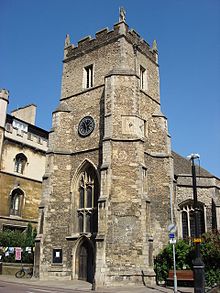
St Botolph’s Church
History of St Botolph's Church
St Botolph’s is essentially an early C14 church according to Pevsner, with some remains of the earlier mid-C12 building.
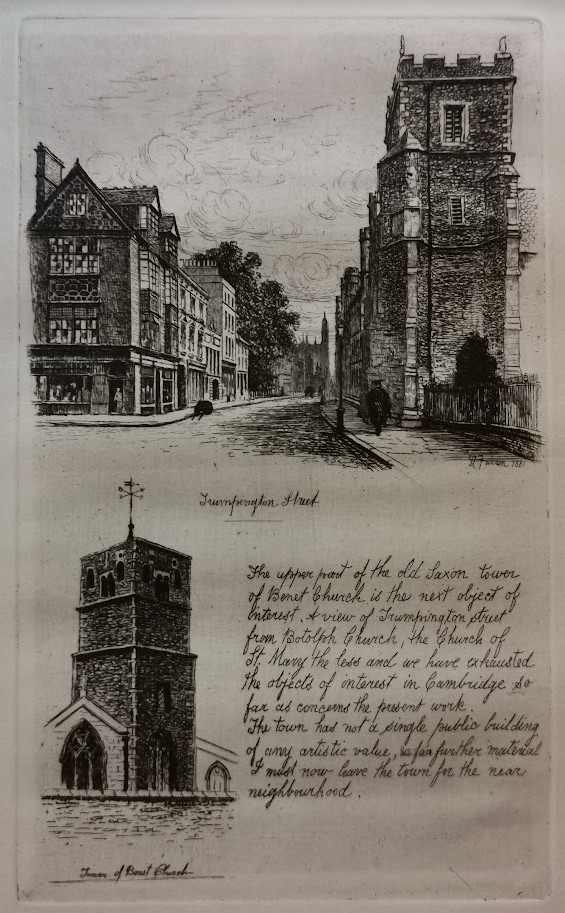
St Botolph Trumpjngton Street, R Farren 1881
More information can be found on Wikipedia.
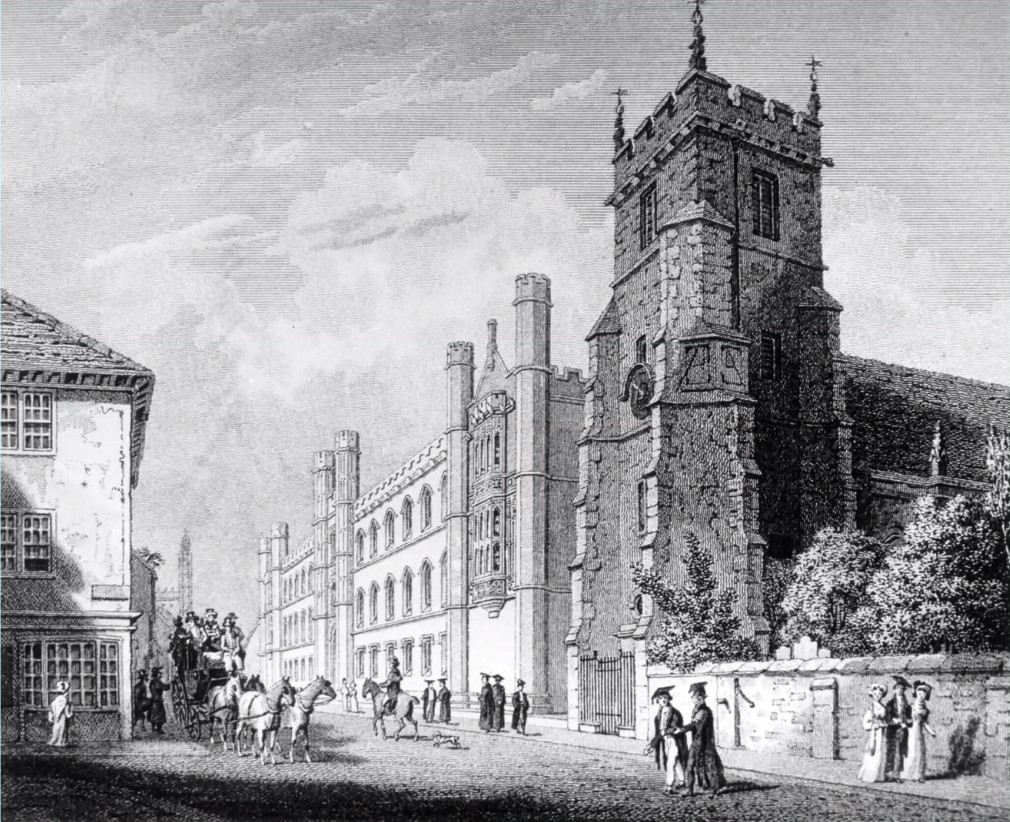
St Botolph’s circa 1840
In the church yard is buried James Essex, 18th century architect. Essex married Elizabeth Thurlbourne, the daughter of a Cambridge bookseller. They had two children: James, who died in infancy in 1757, and Millicent, who married, on 10 May 1785, the Rev. John Hammond, sometime fellow of Queens’ College. She died in January 1787.
Projects
Contribute
Do you have any information about the people or places in this article? If so, then please let us know using the Contact page or by emailing capturingcambridge@
Licence
This work is licensed under CC BY-NC-SA 4.0