Search by topic
- archaeology
- Building of Local Interest
- chapel
- charity
- church
- crime
- dressmaker
- Great Eastern Railway
- Listed building
- Mapping Relief
- medieval
- oral history
- poverty
- Public House
- railway worker
- Religious House
- Roman
- scholar
- school
- Then and Now
- tudor
- women
- work
- world war one
- world war two
Search by text


Villages Absorbed by the City
Villages Absorbed by the City
Cambridge did not grow solely through the construction of new suburbs. Over many centuries, the city expanded by absorbing neighbouring villages that had once existed as distinct rural communities surrounded by fields and open countryside. As Cambridge’s population increased and development spread outwards, former villages became part of the urban area while often retaining their own identity, historic buildings and sense of place.
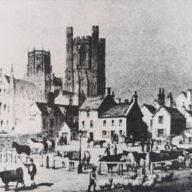
Many of these settlements long pre-date the university and even the medieval town itself. Places such as Chesterton, Newnham and Cherry Hinton were established communities with their own churches, farms, commons and local traditions. For centuries they remained separate from Cambridge, connected by roads, footpaths and economic ties but governed independently. During the nineteenth and twentieth centuries, however, urban growth gradually filled the spaces between town and village.
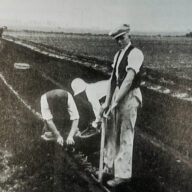
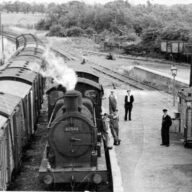
The process accelerated after the arrival of the railway and continued throughout the twentieth century as new housing estates, schools and roads expanded the city’s boundaries. Former village greens became surrounded by housing, agricultural land disappeared beneath residential development, and village populations became increasingly linked to the economic and social life of Cambridge. Yet many traces of the earlier settlements survive. Parish churches, historic public houses, village halls, commons and distinctive street patterns reveal their origins as independent communities.
The absorbed villages contribute greatly to the character of modern Cambridge. Each has its own story, shaped by agriculture, industry, river trade, chalk quarrying, university influence or suburban expansion. Together they demonstrate that Cambridge is not simply a historic town that grew larger, but a city formed from the merging of many communities over time.
Exploring these former villages reveals layers of history that often stretch back a thousand years or more. Their buildings, landscapes and memories help explain how the modern city developed and why different parts of Cambridge retain such distinctive identities today.
Projects
Contribute
Do you have any information about the people or places in this article? If so, then please let us know using the Contact page or by emailing capturingcambridge@
Licence
This work is licensed under CC BY-NC-SA 4.0