Search by topic
- archaeology
- Building of Local Interest
- chapel
- charity
- church
- crime
- dressmaker
- Great Eastern Railway
- Listed building
- Mapping Relief
- medieval
- oral history
- poverty
- Public House
- railway worker
- Religious House
- Roman
- scholar
- school
- Then and Now
- tudor
- women
- work
- world war one
- world war two
Search by text
Wychfield House, Huntingdon Road
History of Wychfield House
Frank Darwin bought land to the west of his mother’s house, The Grove, in 1883-4. It was called Wychfield after the magnificent wych-elm which grew near. On the other side of the Grove was Horace Darwin’s house and the Darwin children had free range over the three gardens combined.
General information about Wychfield House can be found on the Trinity Hall website:
https://www.trinhall.cam.ac.uk/about/gardens/wychfield/
1901 Witchfield
Francis Darwin, 52, reader of Botany and Fellow Christs College, b Kent
Anna Maria Denys, 33, parlour maid, b Yorks
Marydones E Fleaman, 37, cook, b Herts
Ann Sage Turner, 35, housemaid, b Gloucs
Josephone P Badd, 49, sewing maid, b Switzerland
1911
John Chivers, 53, fruit grower jam manufacturer, b Histon
Emily Ann, 44, b Impington
John Stanley, 19, student, b Impington
Stephen Oswald, 12, b Impington
Rebekah Hope, 7, b Impington
Emma Catherine Mortan, boarder, 50, b Bedford
Rebecca Miller, 66, cook, b Essex
Ellen Mary Wright, housemaid, 35, b Norwich
Sarah Ellen Cook, 25, housemaid, b Reading
Wychfield Lodge:
John Peppercorn, 48, coachman, b Longstanton
Adelaide, 46, b Coton
Doris, 16, b Cambs
John, 15, chemist errand boy, b Cambs
Albert, 9, b Barton
1913
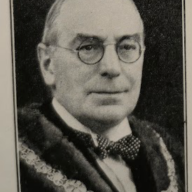
John Chivers, Alderman of the County Council
George Horce Stearn, coachman
Projects
Contribute
Do you have any information about the people or places in this article? If so, then please let us know using the Contact page or by emailing capturingcambridge@
Licence
This work is licensed under CC BY-NC-SA 4.0