Search by topic
- archaeology
- Building of Local Interest
- chapel
- charity
- church
- crime
- dressmaker
- Great Eastern Railway
- Listed building
- Mapping Relief
- medieval
- oral history
- poverty
- Public House
- railway worker
- Religious House
- Roman
- scholar
- school
- Then and Now
- tudor
- women
- work
- world war one
- world war two
Search by text


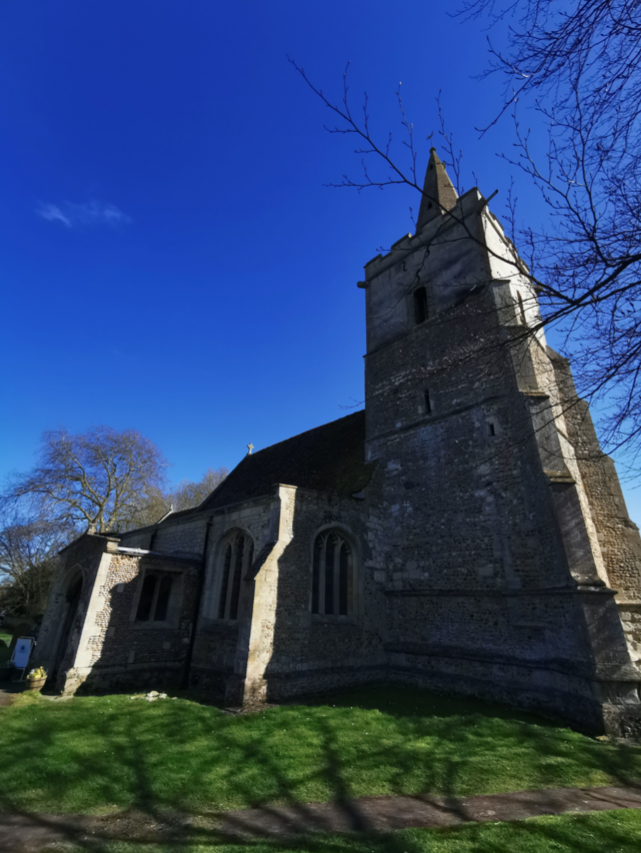 St Peter Coton
St Peter, High Street, Coton
Historyof St Peter, Coton
Listed building on Heritage at Risk Register
Parish Church. C12 nave and chancel, early and late C14 south aisle, C15 north aisle, C14 west tower. Restoration of 1863-4, and 1880. Recently (1984) the tower has been repaired.
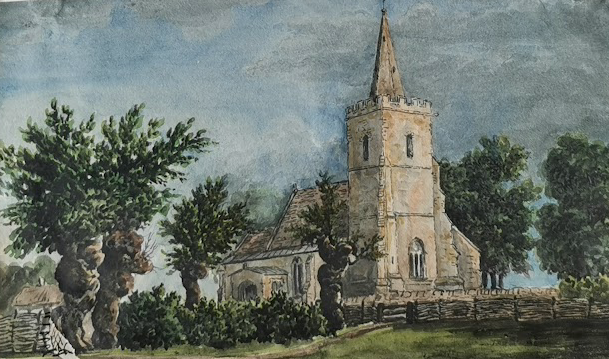
Coton church by Henry Moule (MoC21/147/51)
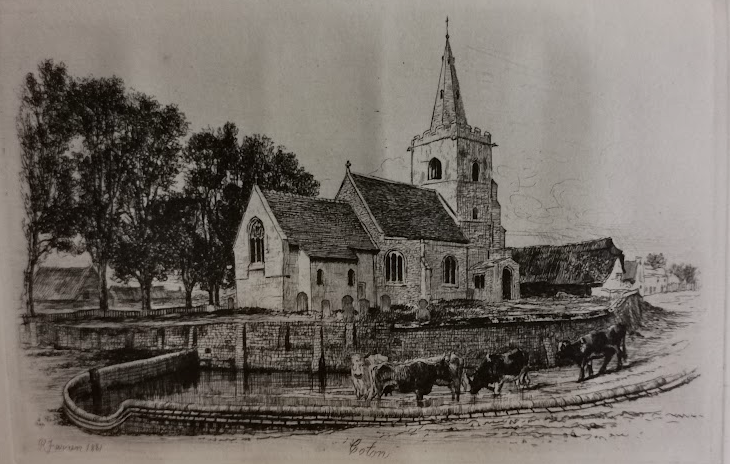
Coton Church, R Farren, 1881
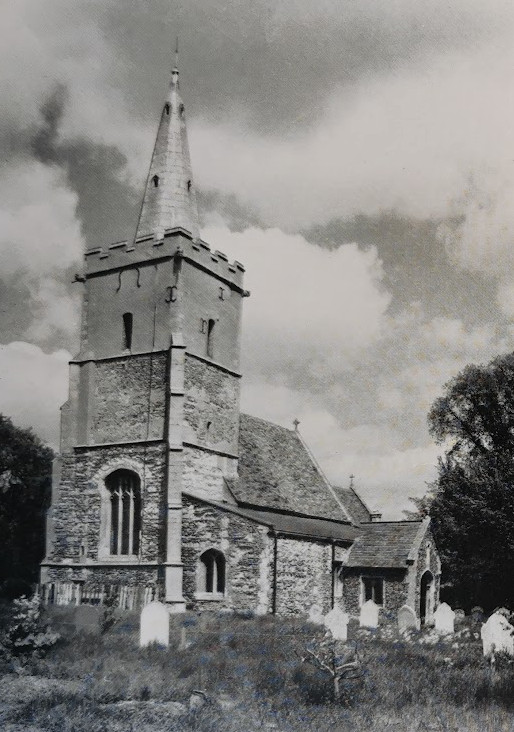
Coton church (RCHM)
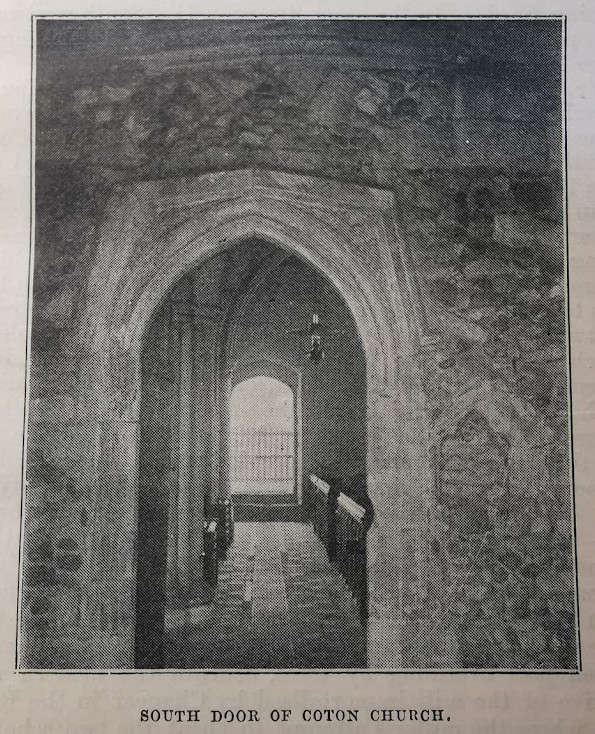
South door, Coton church c.1902
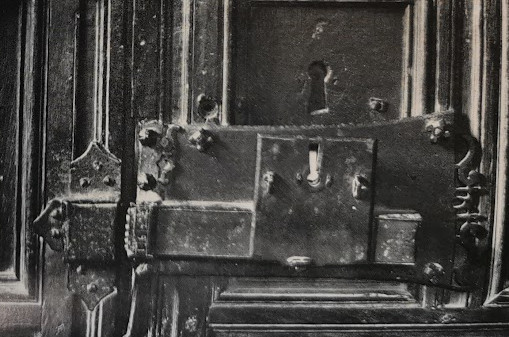
Lock 1622, Coton Church (RCHM)
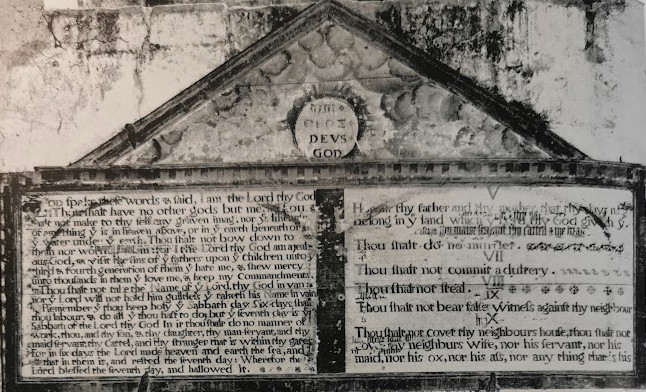
Coton church, Table of the Decalogue, late 16th or 17th cent. (RCHM)
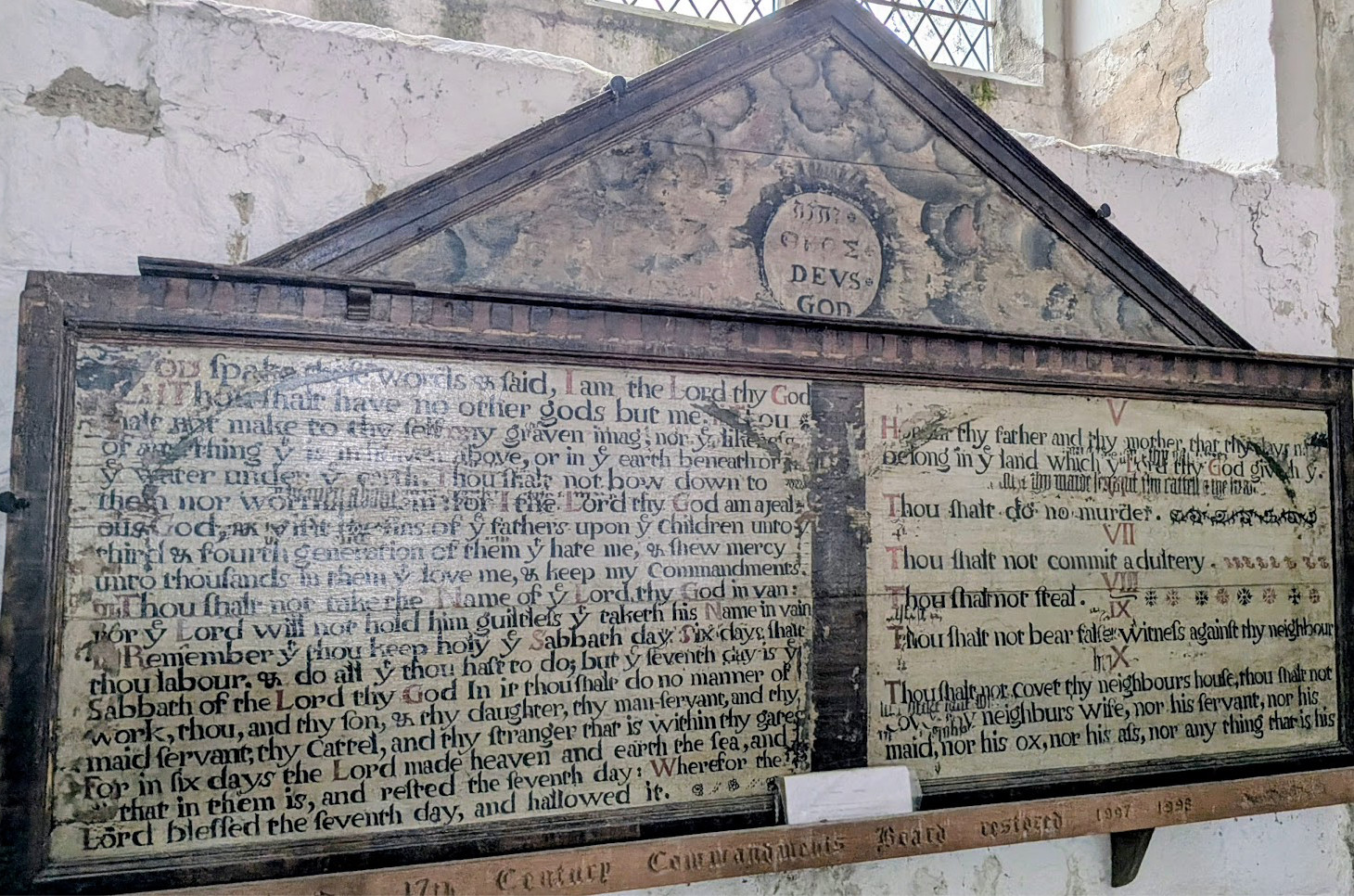
Ten commandments St Peter (RGL2026)
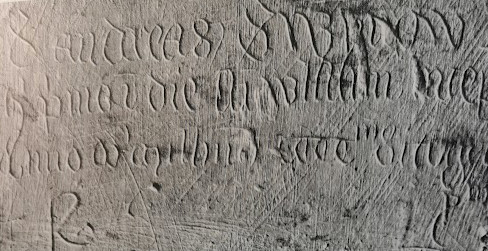
Coton church scratching, 1481 (RCHM)
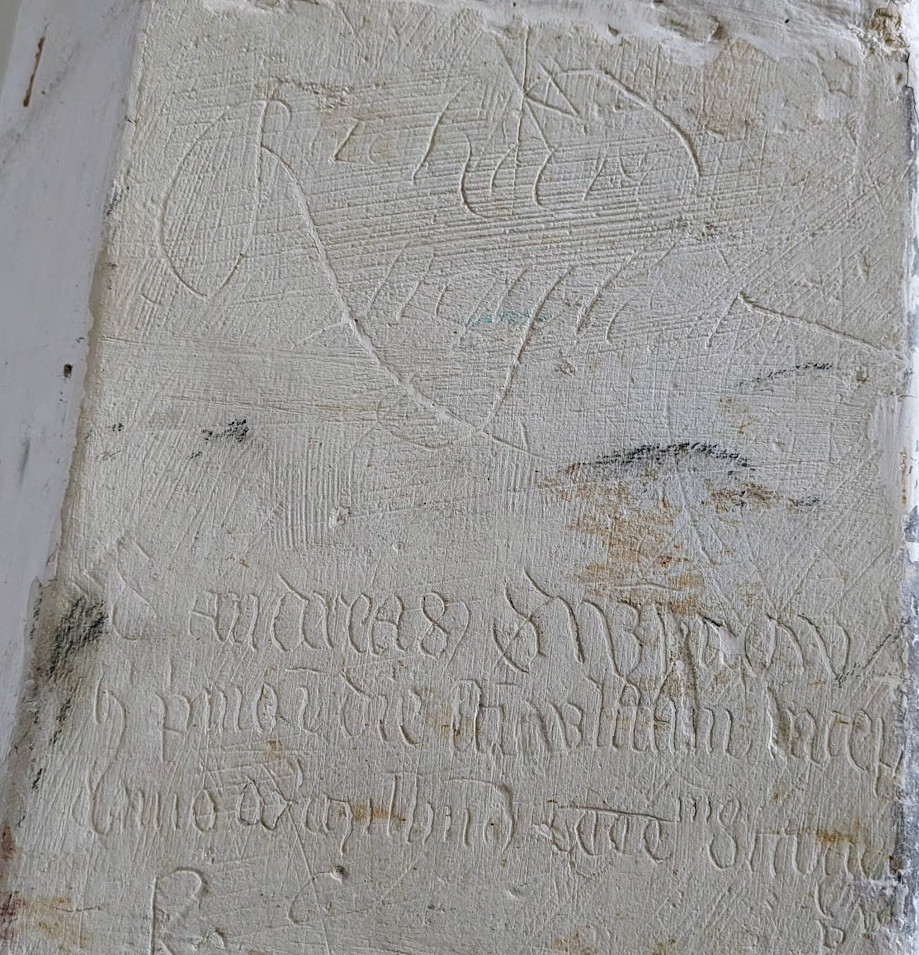
St Peter church graffiti (RGL2026)
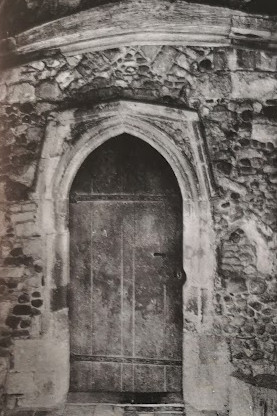
Coton church late 14th cent. (RCHM)
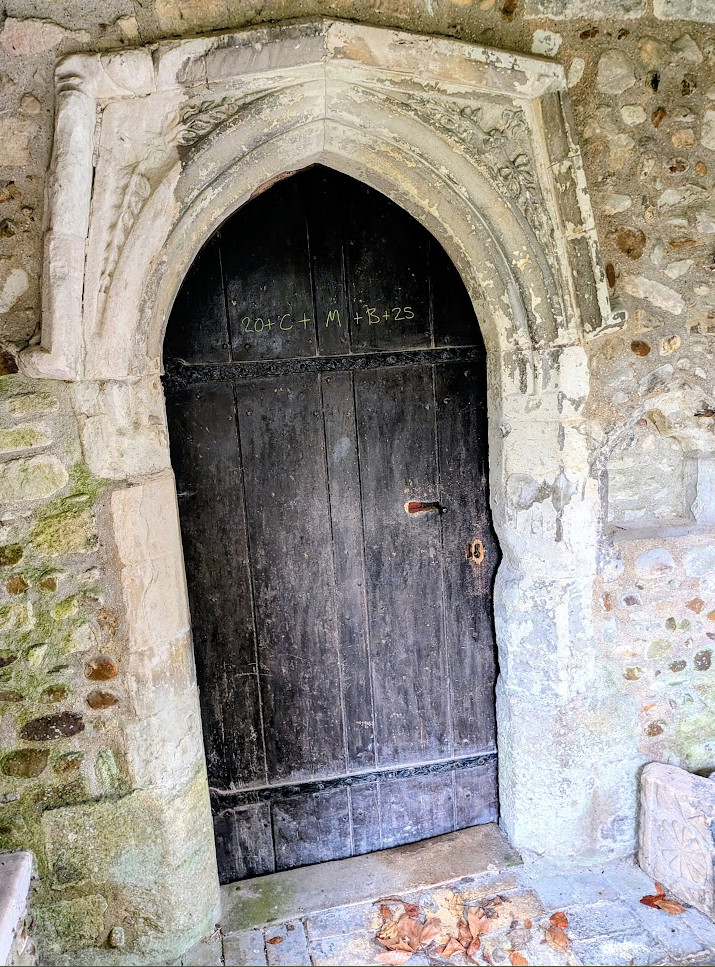
St Peter Coton south door (RGL2026)
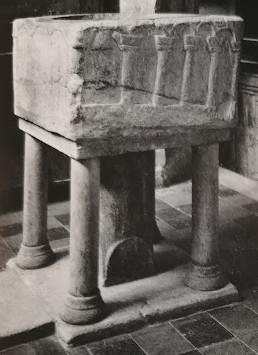
Coton 12th cent font (RCHM)
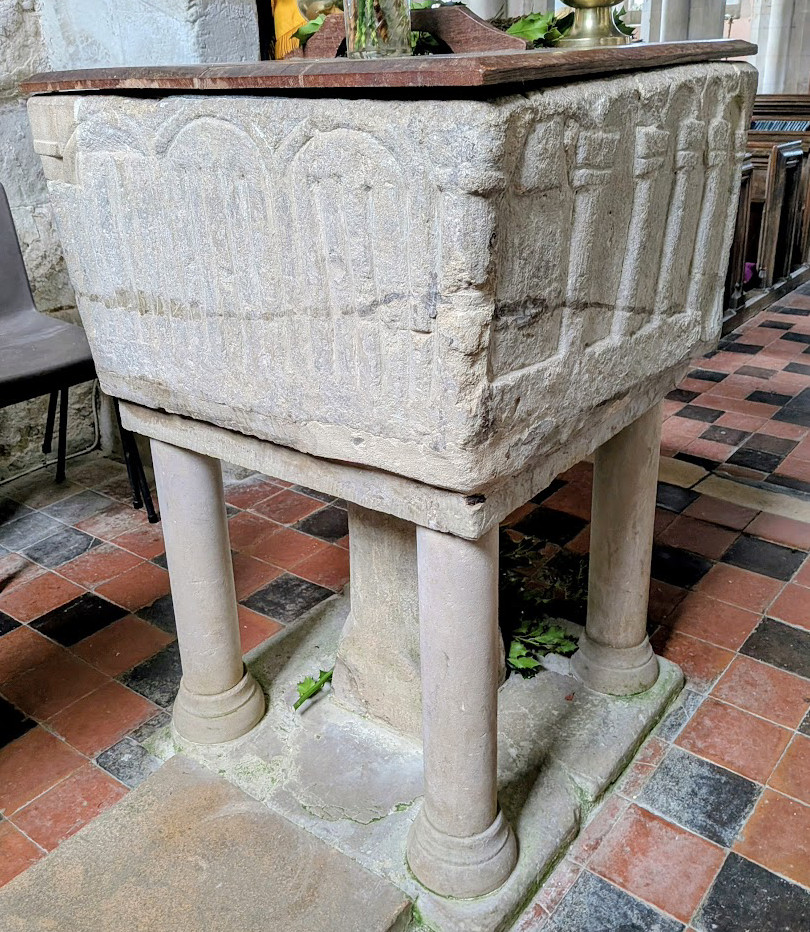
Font St Peter (RGL2026)
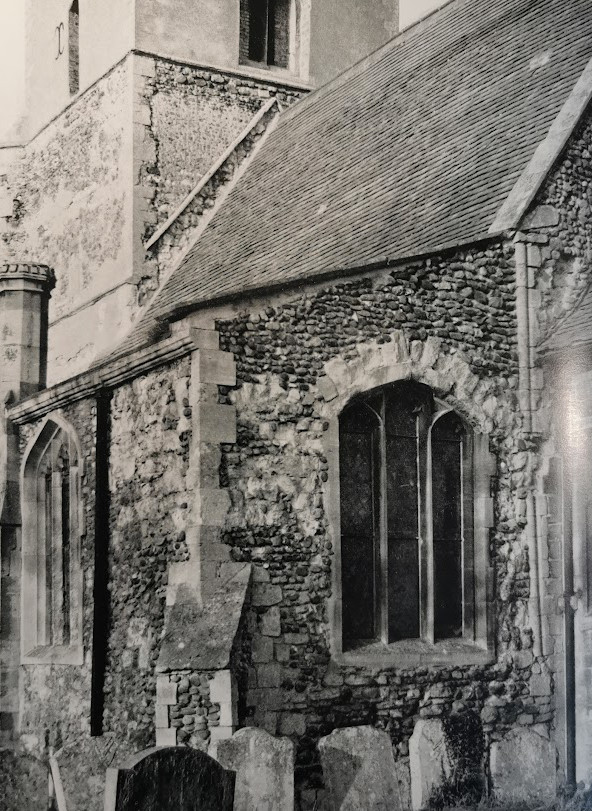
St Peter, Coton, 14th cent. aisle added to 12th cent. nave (RCHM)
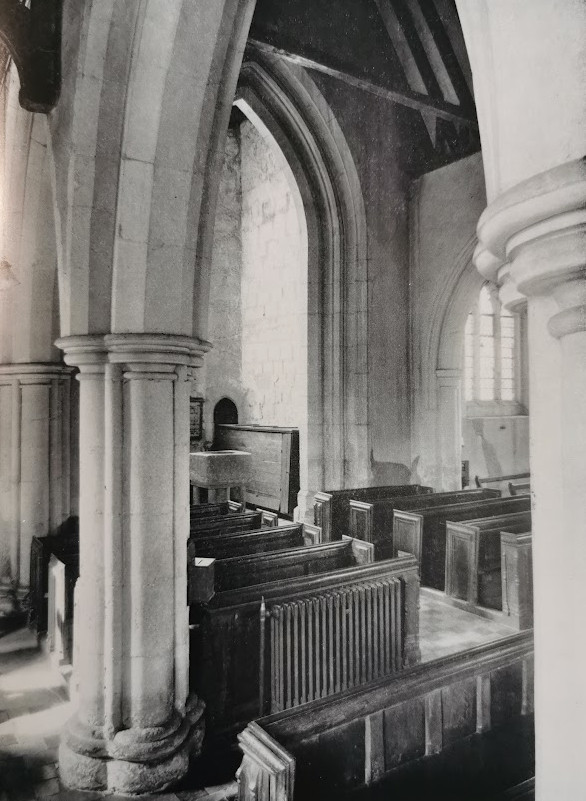
St Peter, Coton, nave showing 14th century arcade (RCHM)
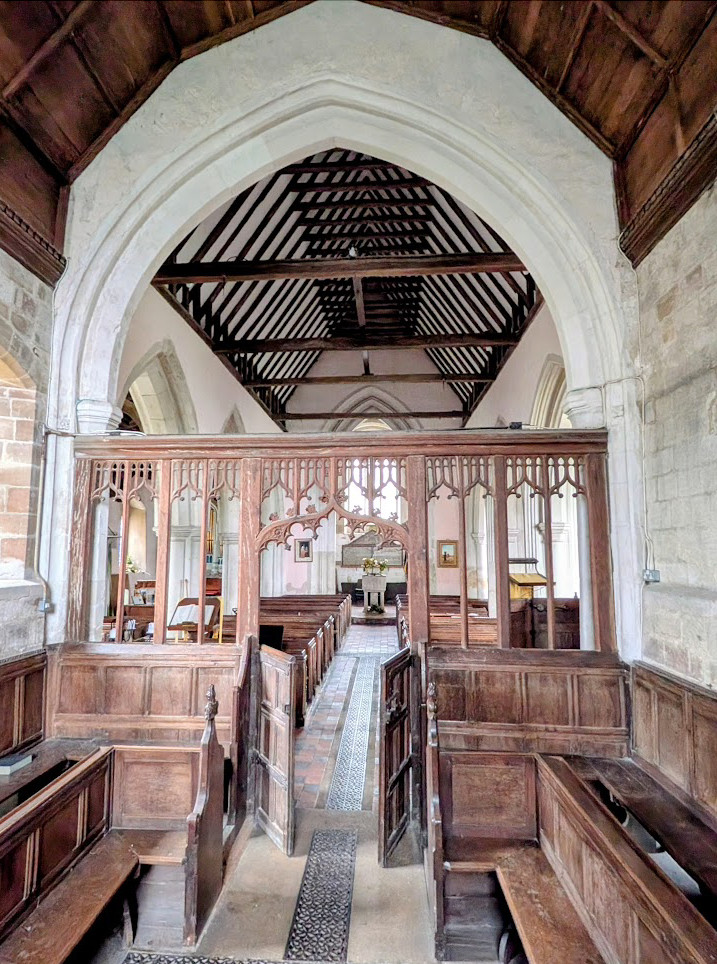
Choir St Peter Coton (RGL2026)
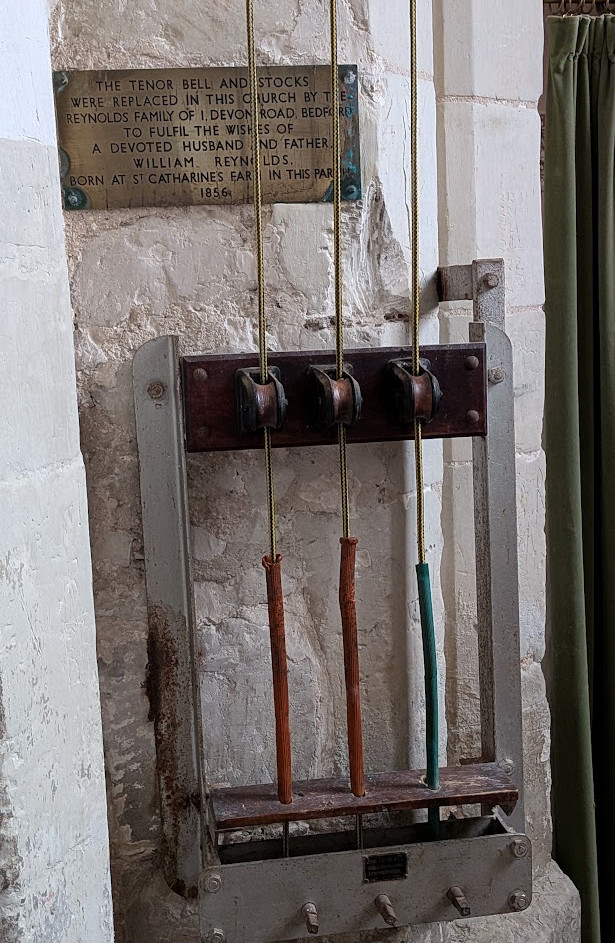
Bells St Peter (RGL2026)
Originally a chapel attached to parish of Grantchester.
1285 William de Holland fled to the church of Cotes, acknowledged that he was a thief and abjured the realm. he had no chattels being a vagabond.
1298 Engaine family took over patronage
1384 agreement with vicar of Grantchester whereby priest-in-charge at Coton allowed to bury parishioners in Coton churchyard upon payment of 3d to vicar of Grantchester for each burial.
15th century: right of presentation passed to St Catharine’s college
1481 Andrew Wwinhoe recorded on the north side of the tower arch that he began work on St Wulfstan’s Day 1481.
1503 small fragment of painted glass in east window of south aisle records a bequest by John Lenton
1510 Monghe Charlton born. Events of his life are recorded in detail in the church records.
On latch of north door there are witches marks. It was thought that on baptism evil spirits went out of the church through this door.
The pews date from the 15th century.
1549 Roger Childerly was reported by the churchwardens because he had cursed and slandered Agnetem Keale publicly in church.
1591 William Kettle for breach of promise to Katherine Steve
1593 William Cole and Elizabeth Kettle admonished for getting married verba de presenti [without banns]. William gave her a steel and a pair of gloves.
1613 Coton’s oldest inhabitant, John Lewes the elder, died at 115 having, according to Dr Gale of the Royal Society, produced a new set of teeth and new hair at 100.
-the date 1622 in on the chancel screen.
-Interesting features of the church:
-12th century font on 5 legs
-medieval parish chest
-ten commandments painted in 18th century
-fragments of medieval glass in west window
-Hatley tomb in vestry
-late medieval stone coping or lid with Catharine wheel-like design
The church has detailed records covering the period 1576-1592.
1788 – 1827 Joshua Waterhouse, rector. Details about his murder can be found at the Old Rectory, Little Stukeley. Waterhouse had failed to get elected as Master of St Catharine’s College in 1798; he was held in low esteem by his colleagues for being a womaniser. he moved out of Coton in 1813 to Little Stukeley. He sold all his possessions in Coton but held on to the living until his death in 1827.
Source: “Coton Through The Ages: Kathleen Fowle
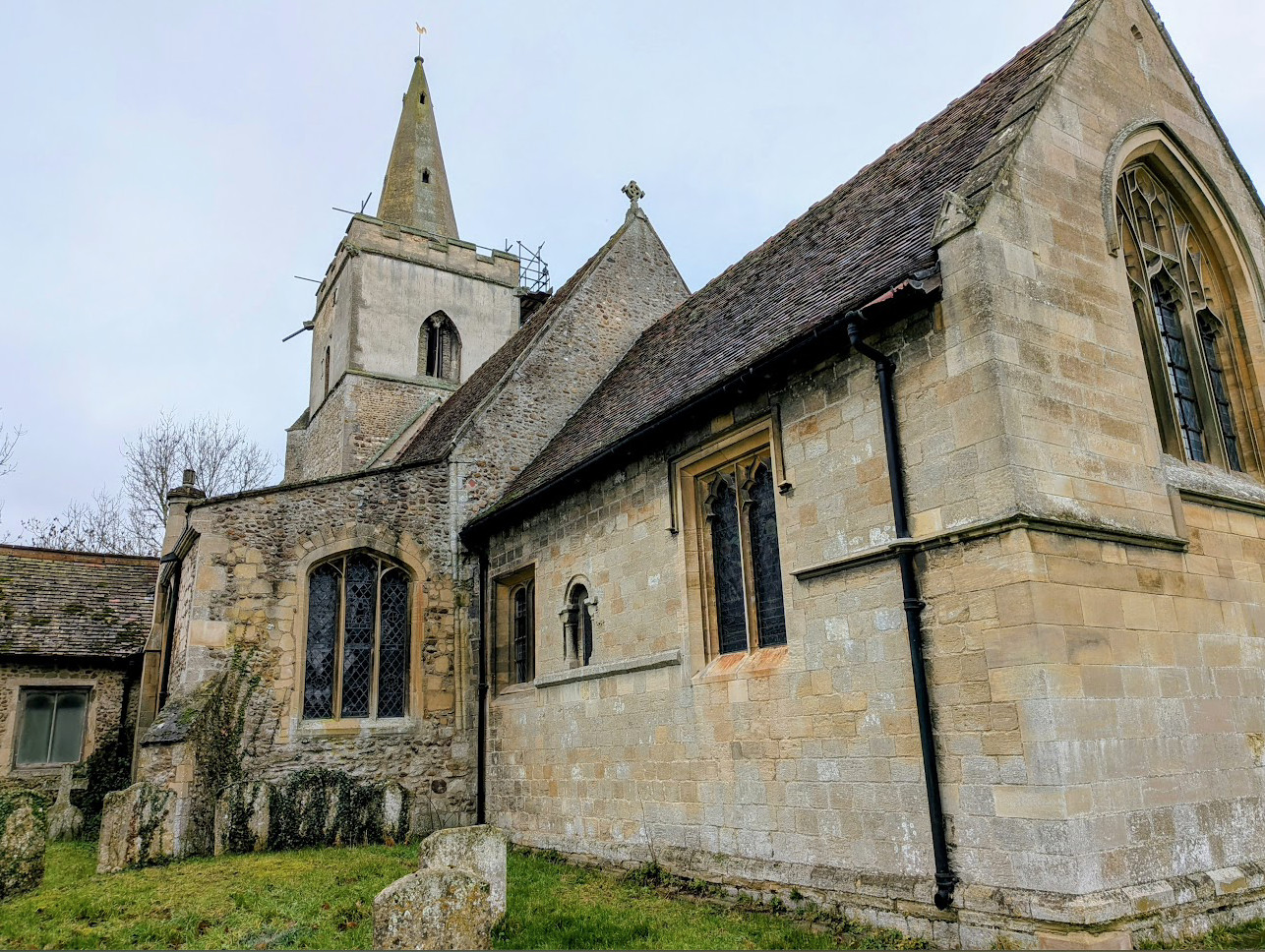
St Peter Coton (RGL2026)
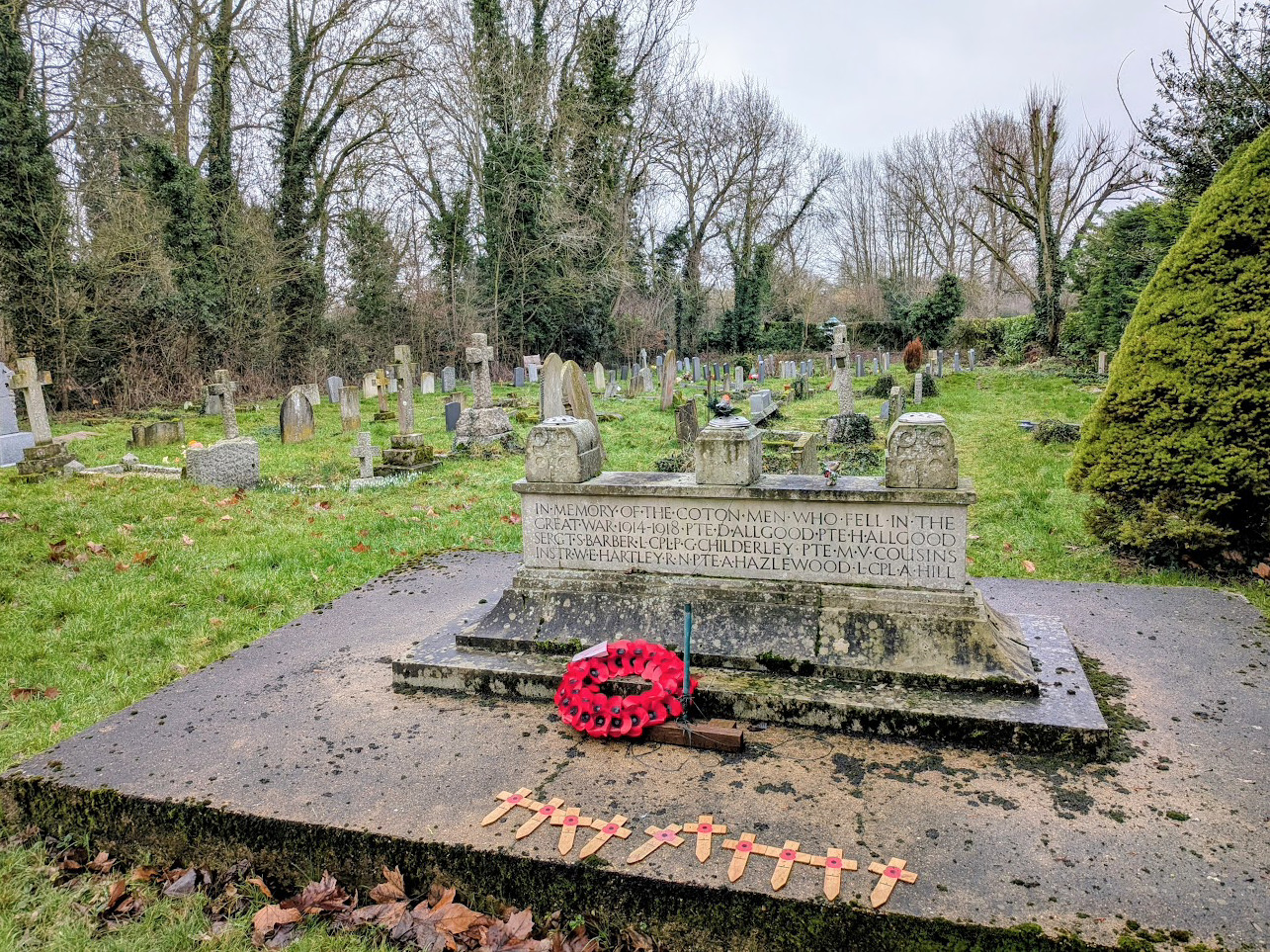
Churchyard, St Peter (RGL2026)
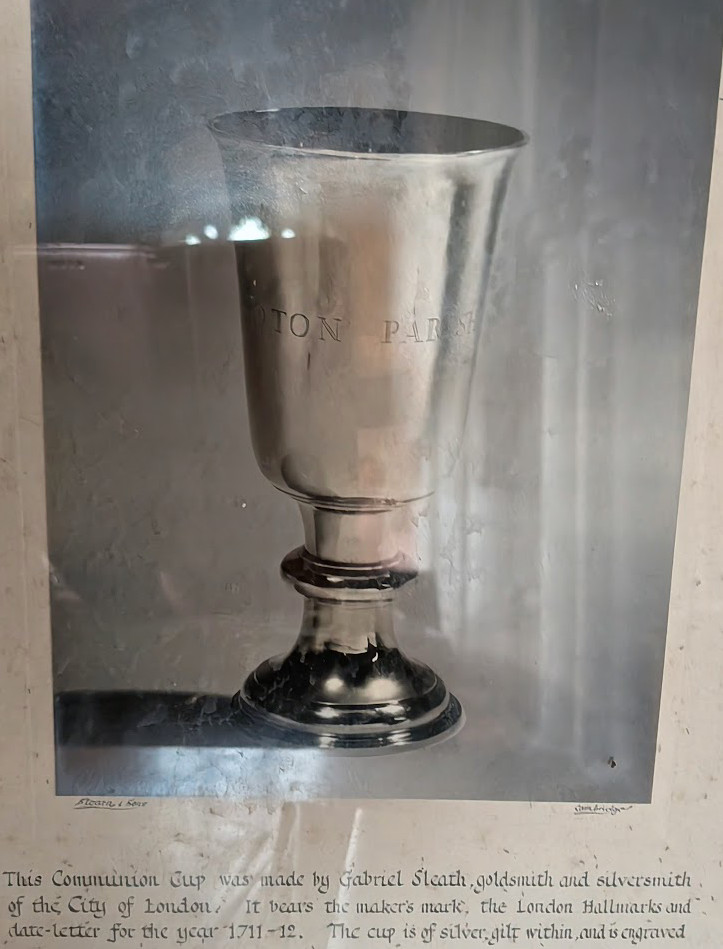
Coton chalice, kept at Fitzwilliam Museum
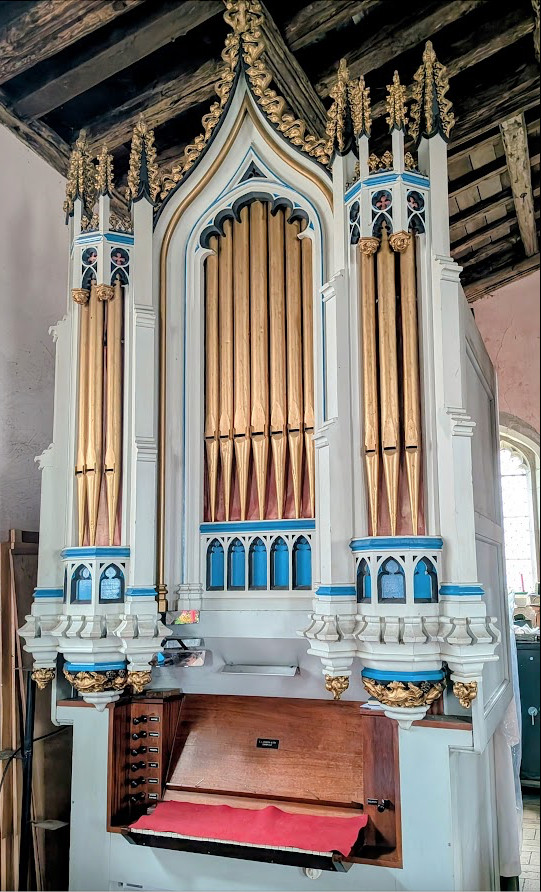
Organ St Peter (RGL2026)
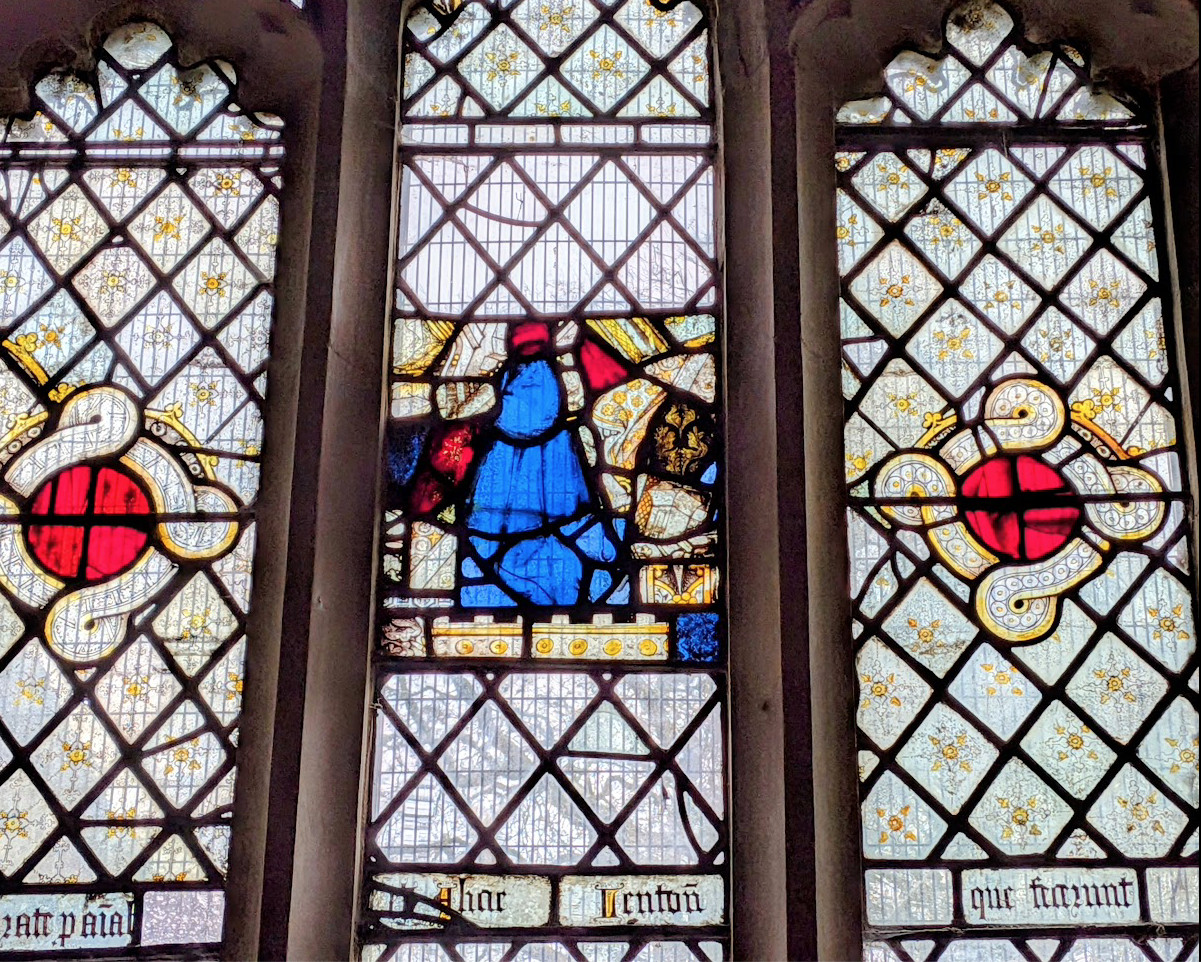
Medieval glass Coton (RGL2026)
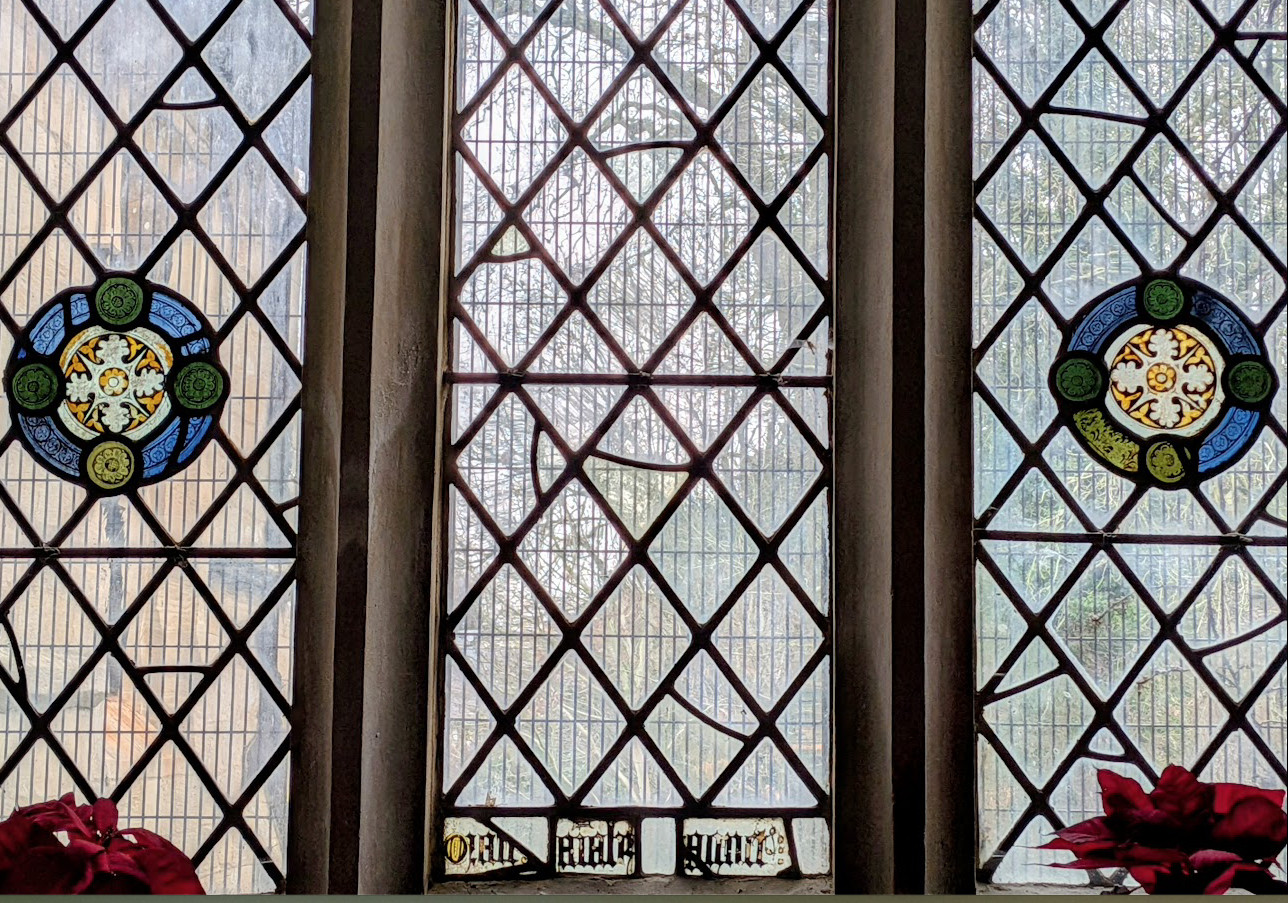
Medieval glass Coton (RGL2026)
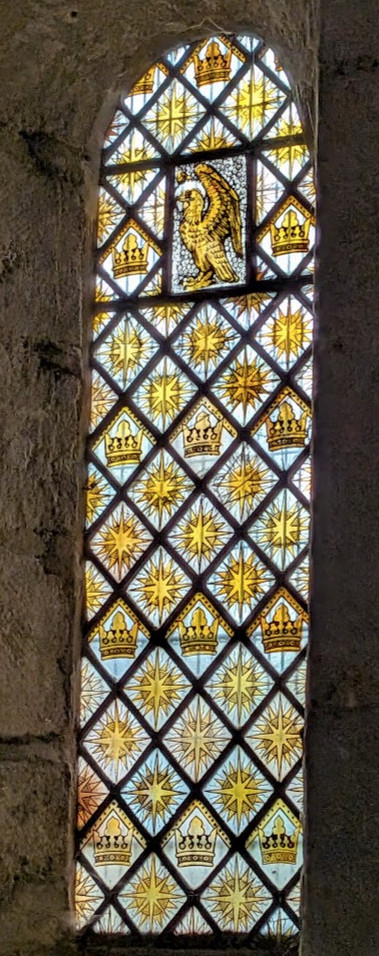
St Peter Coton (RGL2026)
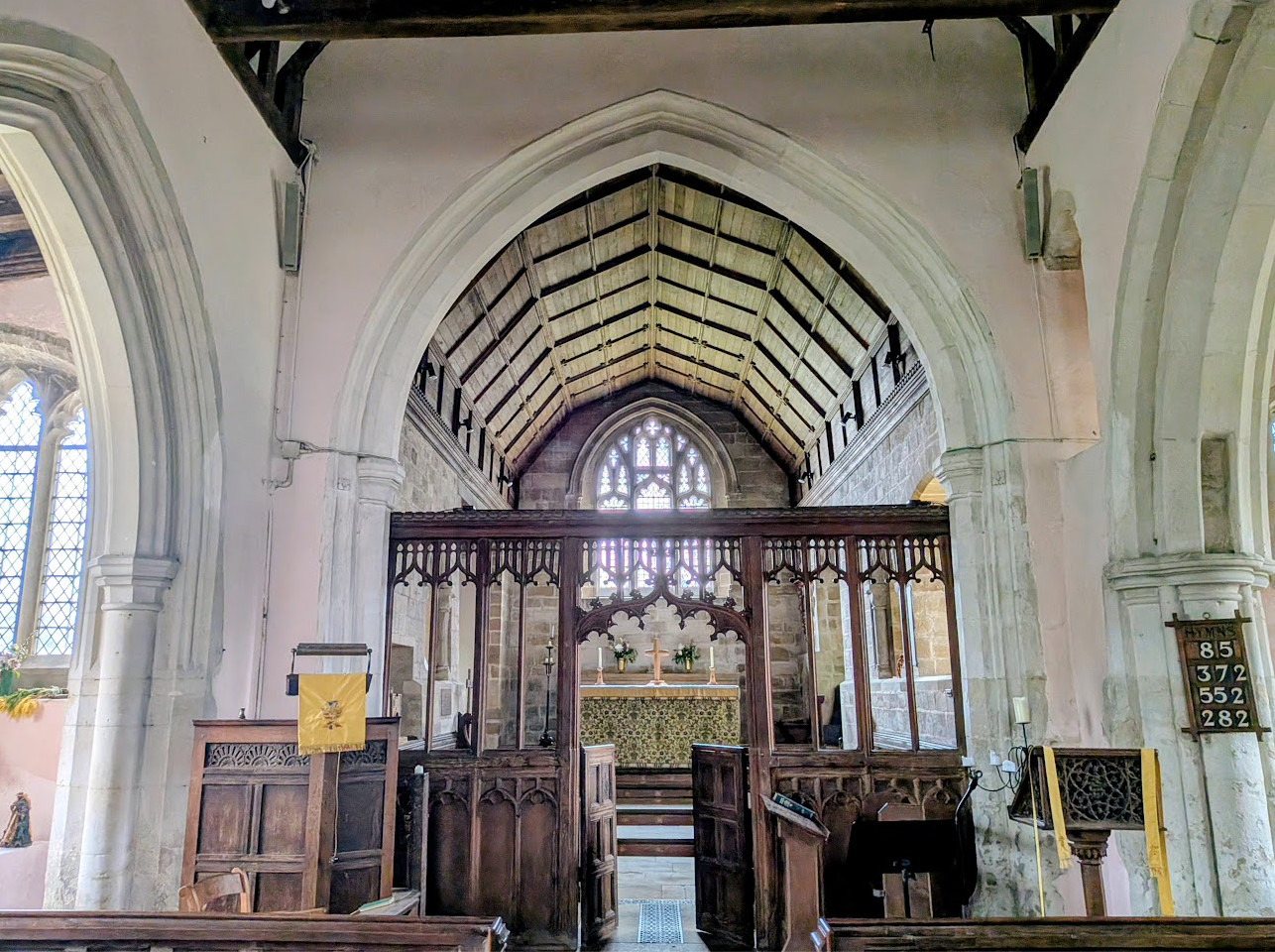
Nave St Peter Coton (RGL2026)
Projects
Contribute
Do you have any information about the people or places in this article? If so, then please let us know using the Contact page or by emailing capturingcambridge@
Licence
This work is licensed under CC BY-NC-SA 4.0