Search by topic
- archaeology
- Building of Local Interest
- chapel
- charity
- church
- crime
- dressmaker
- Great Eastern Railway
- Listed building
- Mapping Relief
- medieval
- oral history
- poverty
- Public House
- railway worker
- Religious House
- Roman
- scholar
- school
- Then and Now
- tudor
- women
- work
- world war one
- world war two
Search by text


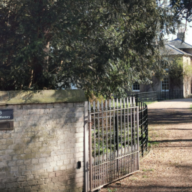
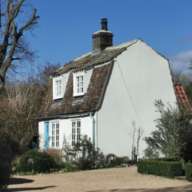
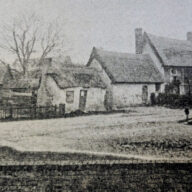
Manor Farmhouse, Coton
History of Manor Farmhouse, Coton
Listed building:
House. c.1800 and extended at rear c.1850. Local grey brick and tiled
The Agier family were the most influential family in Coton between 1528 and 1855. Richard Angier, born in 1528, came originally from Barton. He acquired most of the land in Coton and land in other villages as well as a hotel in Cambridge. he was a barrister and JP. he married Rose Steward of Ely and had 12 children. He was murdered in 1579 and the body found floating in the River Thomas. It was believed that the fourth son, also called Richard, was involved in his father’s murder. In 1597 a man named Ainger was hung at Tyburn for the murder of his own father.
1830
A fire at the farm of Richard Angier, tenant of Manor Farm, owned by King’s College, was reported in the Cambridge Chronicle of Friday 3rd December 1830.
The house was not actually damaged in the fire but the total damage amounted to about £3,000.
The money paid for beer for the fire-fighters, £4 19s, was refunded.
‘Coton Through the Ages’ suggests that the fire was arson committed by a local man with a grudge against Richard Angier.
1855 Henry Aungier sold the family house to John and Emily Hunt.
Source: Coton Through the Ages by Kathleen Fowle
Projects
Contribute
Do you have any information about the people or places in this article? If so, then please let us know using the Contact page or by emailing capturingcambridge@
Licence
This work is licensed under CC BY-NC-SA 4.0