Search by topic
- archaeology
- Building of Local Interest
- chapel
- charity
- church
- crime
- dressmaker
- Great Eastern Railway
- Listed building
- Mapping Relief
- medieval
- oral history
- poverty
- Public House
- railway worker
- Religious House
- Roman
- scholar
- school
- Then and Now
- tudor
- women
- work
- world war one
- world war two
Search by text


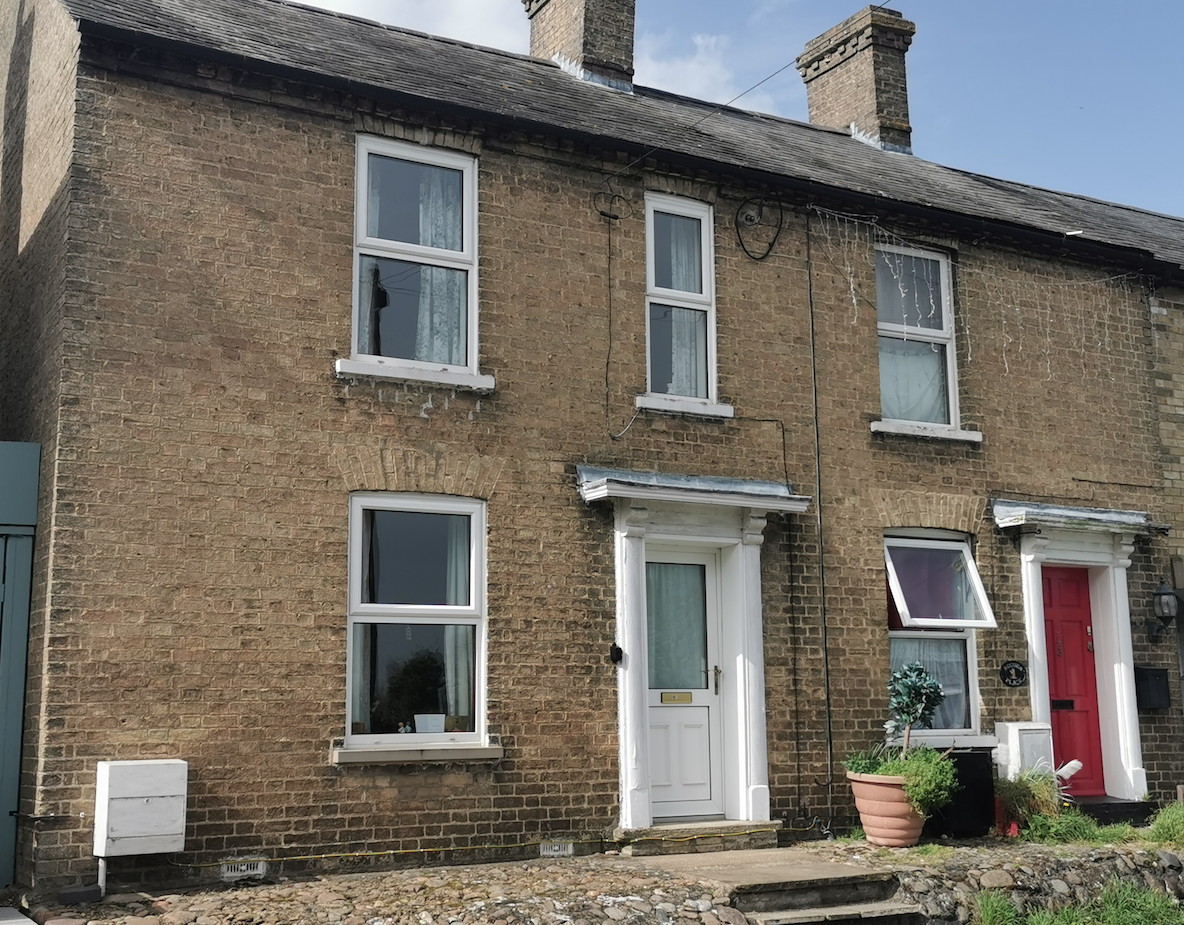 41 / 43 Station Road Swavesey
43 Station Road, Church End, High Street, Swavesey
History of 43 Station Road Swavesey
1861: High Street
William Thorp, 36, grocer and corn dealer, b Swavesey
Mary, 46, b Swavesey
Hephzibah, 11, b Swavesey
1871: High Street
[There is an extra family that needs to be fitted in for this census]
Joseph Mustil, 24, farmer 30 acres 1 man, b Over
Eleanor, 20, b Swavesey
William Twist, brother in law, 19, grocer, b Swavesey
Elizabeth Payne, 15, servant, b Swavesey
Jonas Thorp, 39, butcher, b Swavesey
Charlotte, 35, b Essex
Emma, 17, b Swavesey
Charles, 10, b Swavesey
Ellen, 6, b Swavesey
Kate, 2, b Swavesey
Annie, 1, b Swavesey
Clara, 1m, b Swavesey
1881:
Marian Hall, widow, 51, annuitant, b Norfolk
Winifred, 13, b Norfolk
Ethelwyn, 11, b Norfolk
Agnes Dilworth, daughter, married, b Norfolk
Oliver, grandson, 4, b Norfolk
Baby boy, 1 m, b Swavesey
Sarah Richardson, 49, monthly nurse, b Peterborough
1891:
James S Goad, 32, farmer and dairyman,
Mary J
Maud, 8, b Swavesey
Sarah A, 7
Thomas, 4,
James W, 8m
Dinah Bailey, 17, servant, b Bluntisham
1901: unnumbered
James S Goad, 41, farmer and dairyman, b London
Mary Jane, 38, b Stretham
Sarah Ann, 16, b Swavesey
Thomas , 14, farmer’s son, b Swavesey
James W, 10, b Swavesey
Stuart, 9, b Swavesey
George Y, 7, b Swavesey
Constance M, 6, b Swavesey
Mabel, 4, b Swavesey
Lilian, 2, b Swavesey
Elizabeth Ding, 23, servant, b Swavesey
1911: unnumbered
William Twist, 59, fruit grower, b Swavesey
Lydia, 52, b London
1913:
Projects
Contribute
Do you have any information about the people or places in this article? If so, then please let us know using the Contact page or by emailing capturingcambridge@
Licence
This work is licensed under CC BY-NC-SA 4.0