Search by topic
- archaeology
- Building of Local Interest
- chapel
- charity
- church
- crime
- dressmaker
- Great Eastern Railway
- Listed building
- Mapping Relief
- medieval
- oral history
- poverty
- Public House
- railway worker
- Religious House
- Roman
- scholar
- school
- Then and Now
- tudor
- women
- work
- world war one
- world war two
Search by text


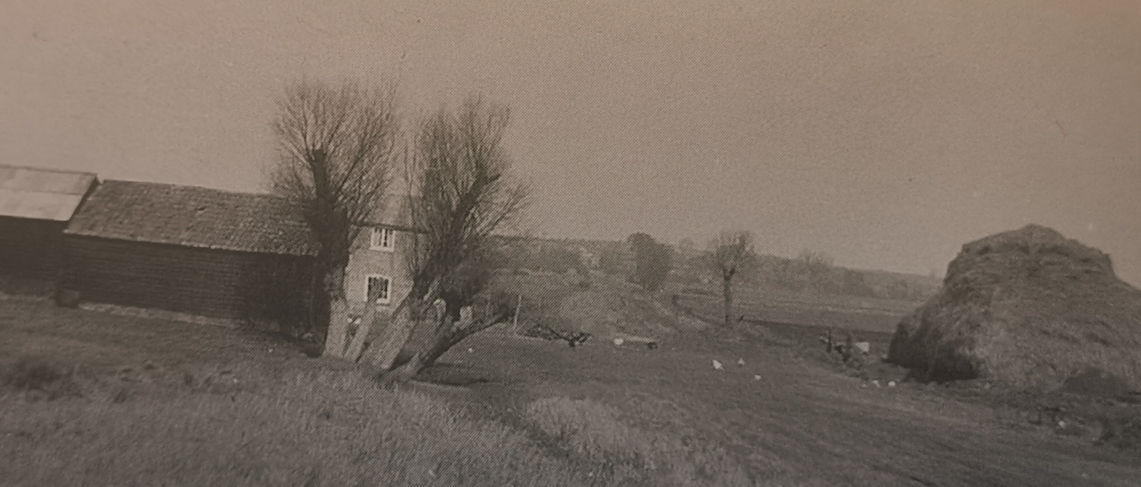 Aldreth Causeway, Haddenham (photo D G Reid)
Aldreth Causeway, Haddenham, Willingham
History of the Aldreth Causeway
For many centuries the main route from Cambridge to Ely was via the Aldreth causeway.
The Aldreth Causeway was crucial in the story of Hereward the Wake because it formed one of the main access routes across the marshes to the rebel stronghold on the Isle of Ely during resistance to William the Conqueror after the Norman Conquest. In the traditions preserved in De Gestis Herwardi Saxonis and later accounts, the causeway symbolised the strategic importance of the fenland landscape itself. The marshes surrounding Ely acted as a natural fortress, and the narrow raised route at Aldreth became a contested point where Norman forces struggled to penetrate the rebel defences. Stories describe Hereward and his followers using their intimate knowledge of the unstable fen terrain to ambush, confuse and repel attackers attempting to cross towards Ely. The causeway therefore became more than a physical roadway: it represented the last barrier protecting one of the final centres of Anglo-Saxon resistance, and it survives in local memory as a landscape closely associated with the legend of Hereward and the dramatic defence of Ely against Norman rule.
The bridge at the causeway collapsed into the river in September 1765, probably weakened by floods.
An alternative route the Twentypence Road between Wilburton and Cottenham, was opened in 1931.
For further information about the Fens and drainage see CAS 2024 Proceedings paper ‘Fen crisis: how the Age of the Windmill’ ended.’
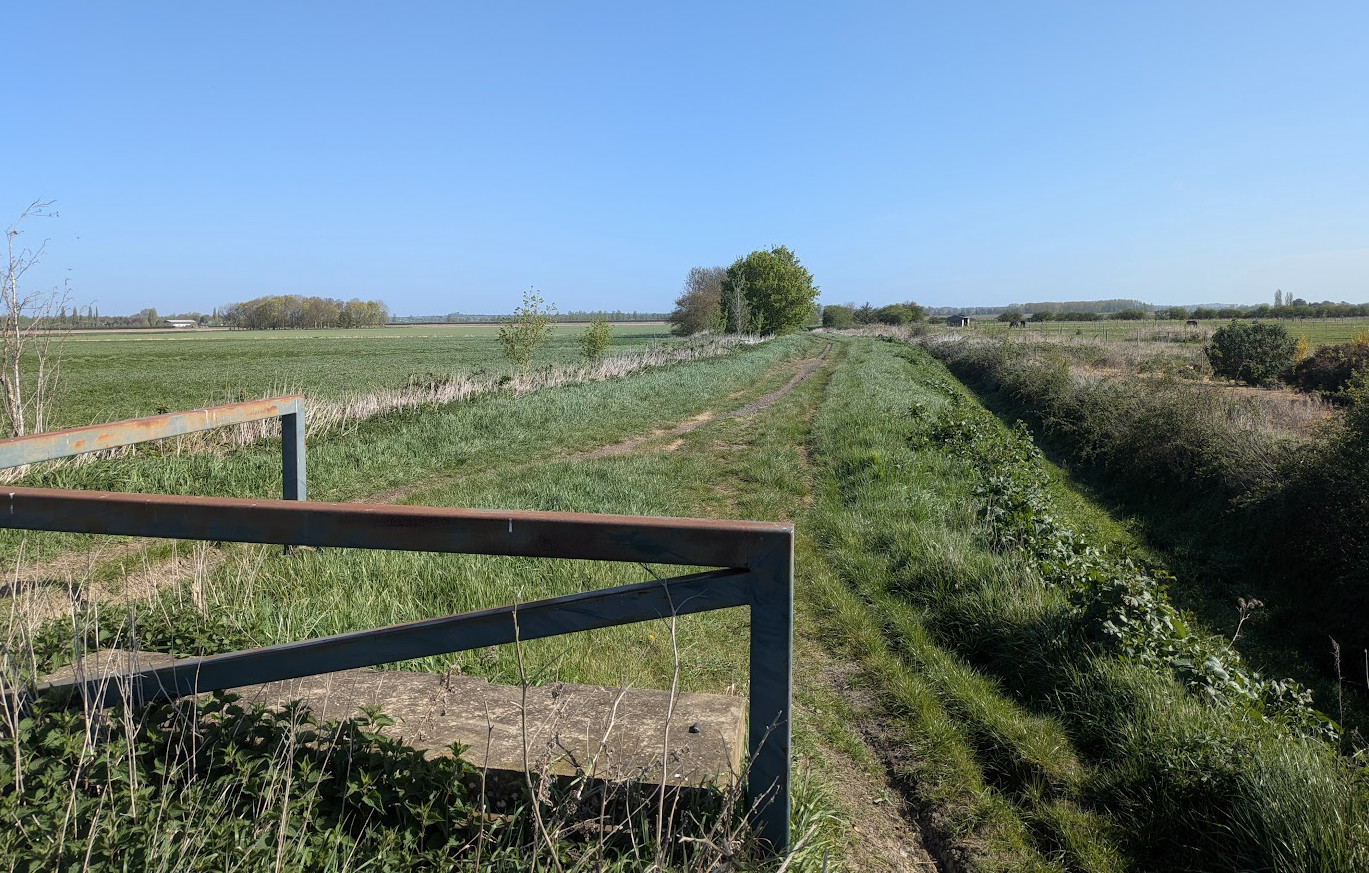
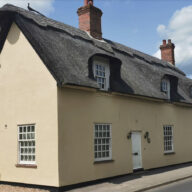
Aldreth Causeawy at Willingham (RGL2026)
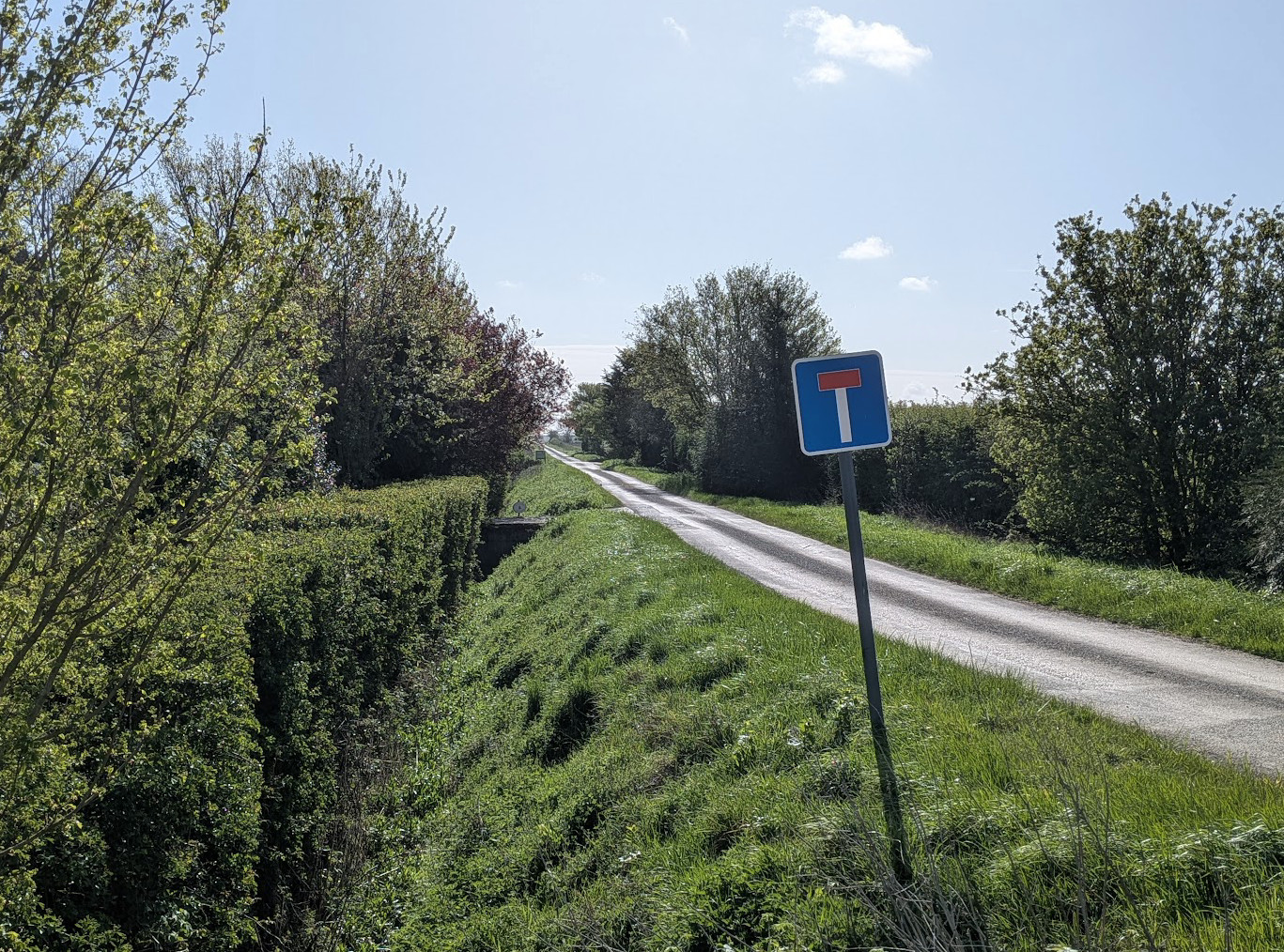
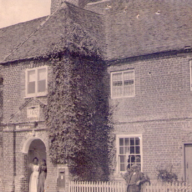
Aldreth Causeawy at Willingham (RGL2026)
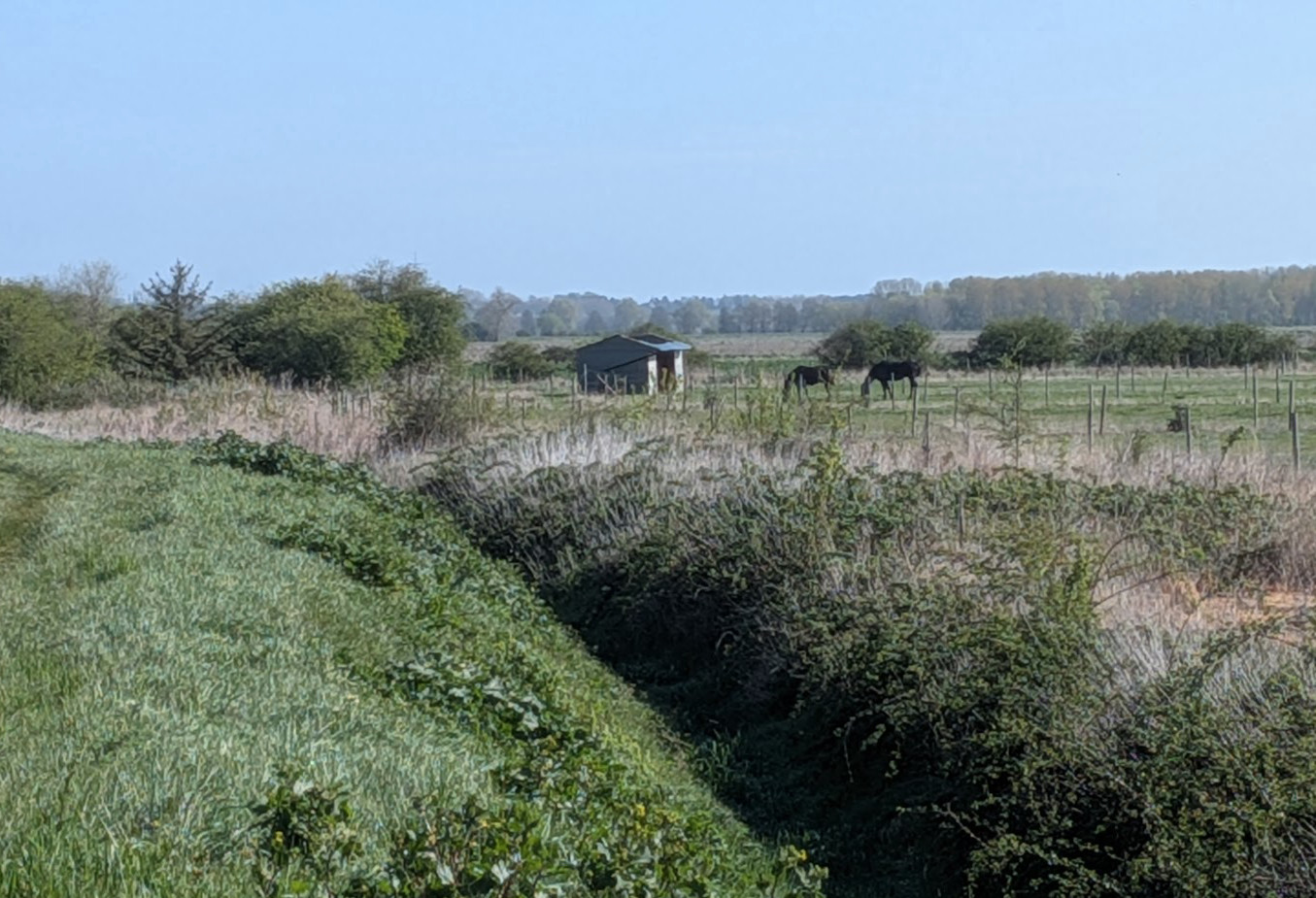
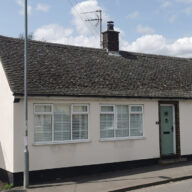
Aldreth Causeawy at Willingham (RGL2026)
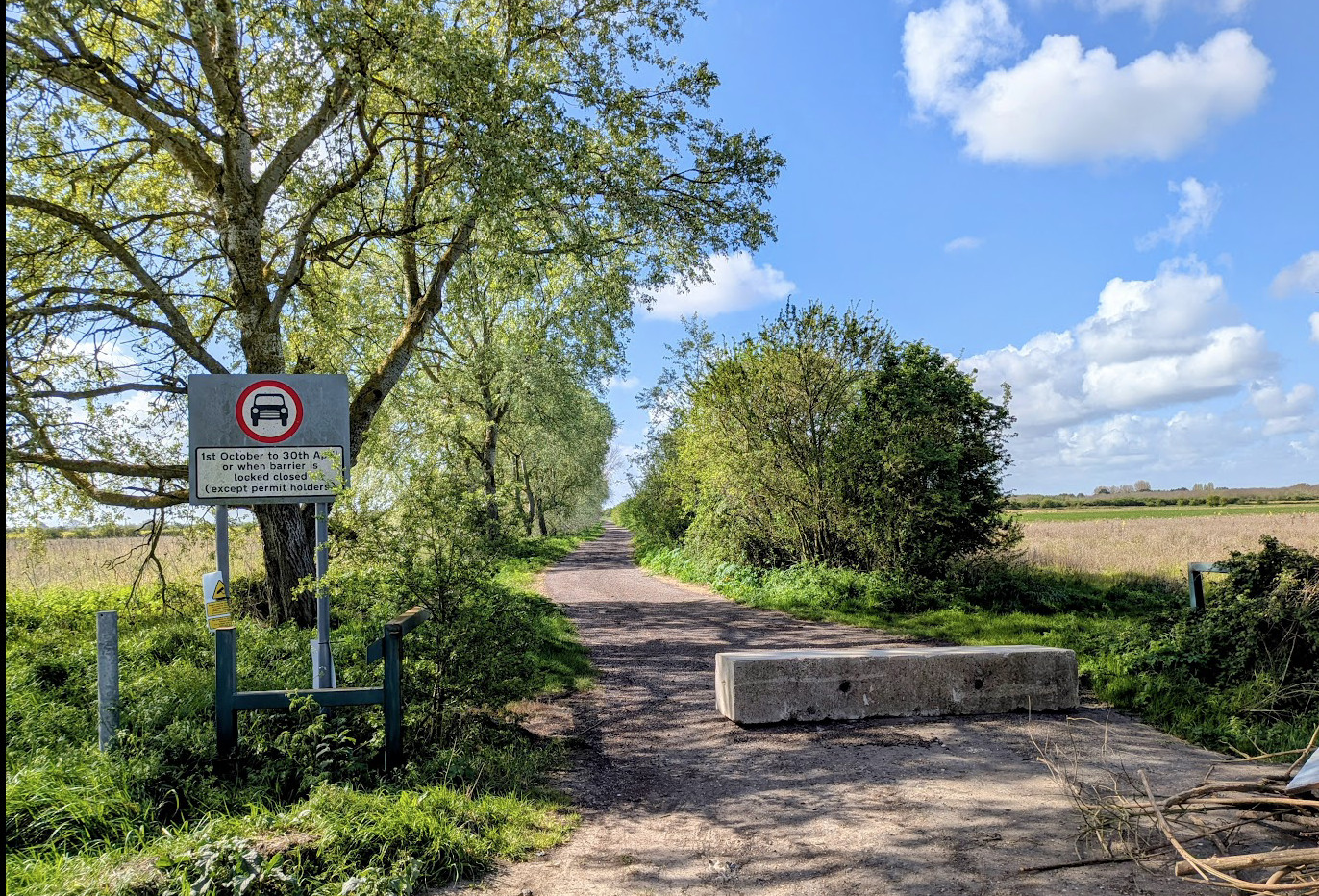
Aldreth Causeawy at Willingham (RGL2026)
Projects
Contribute
Do you have any information about the people or places in this article? If so, then please let us know using the Contact page or by emailing capturingcambridge@
Licence
This work is licensed under CC BY-NC-SA 4.0