Search by topic
- archaeology
- Building of Local Interest
- chapel
- charity
- church
- crime
- dressmaker
- Great Eastern Railway
- Listed building
- Mapping Relief
- medieval
- oral history
- poverty
- Public House
- railway worker
- Religious House
- Roman
- scholar
- school
- Then and Now
- tudor
- women
- work
- world war one
- world war two
Search by text


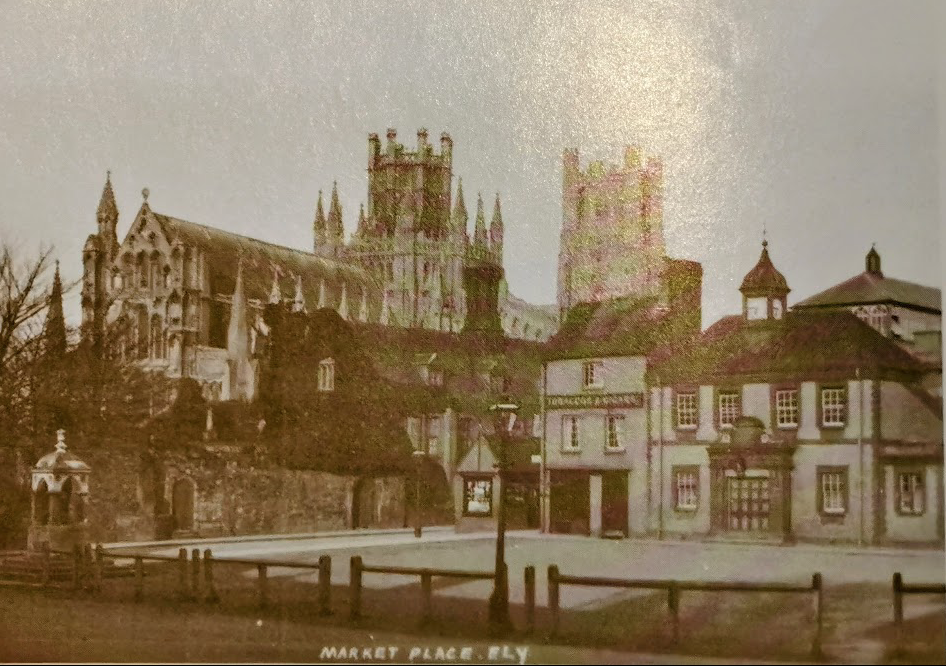 Market Place, Ely circa 1906
Market Place, Ely
History of the Market Place, Ely
The Victorian Diamond Jubilee fountain on the left was moved in 1939. The Public Room was demolished in 1965.
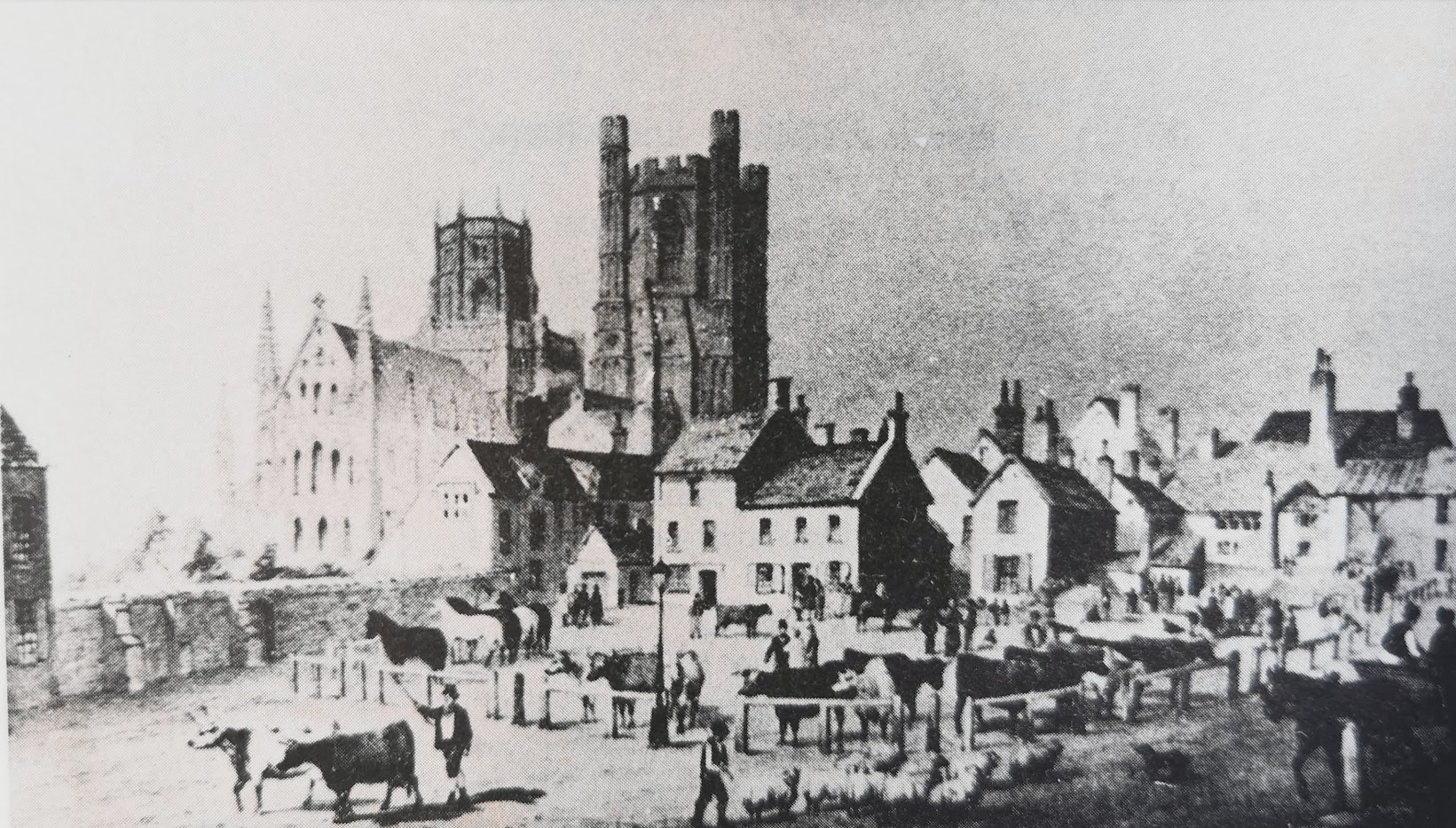
Ely Market, 1832

Market Place, Ely OS 1901
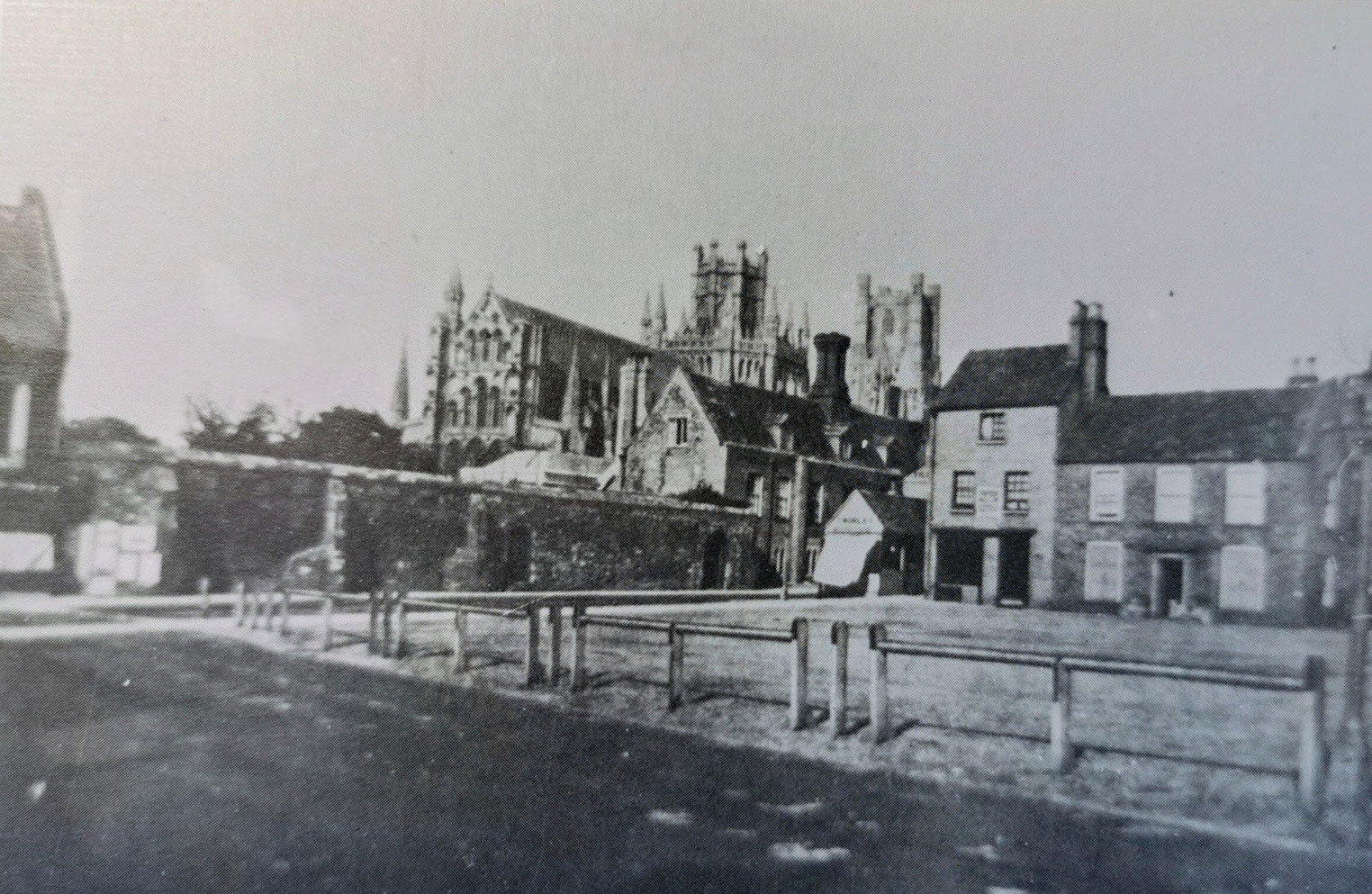
Ely Market Place circa 1880s
The photo shows the Sessions House which was to be soon replaced by the new Public Room. In the Sessions house the Ely and Littleport rioters were tried in 1816. From 1816-1856 the upper floor was the Girls’ Charity School.
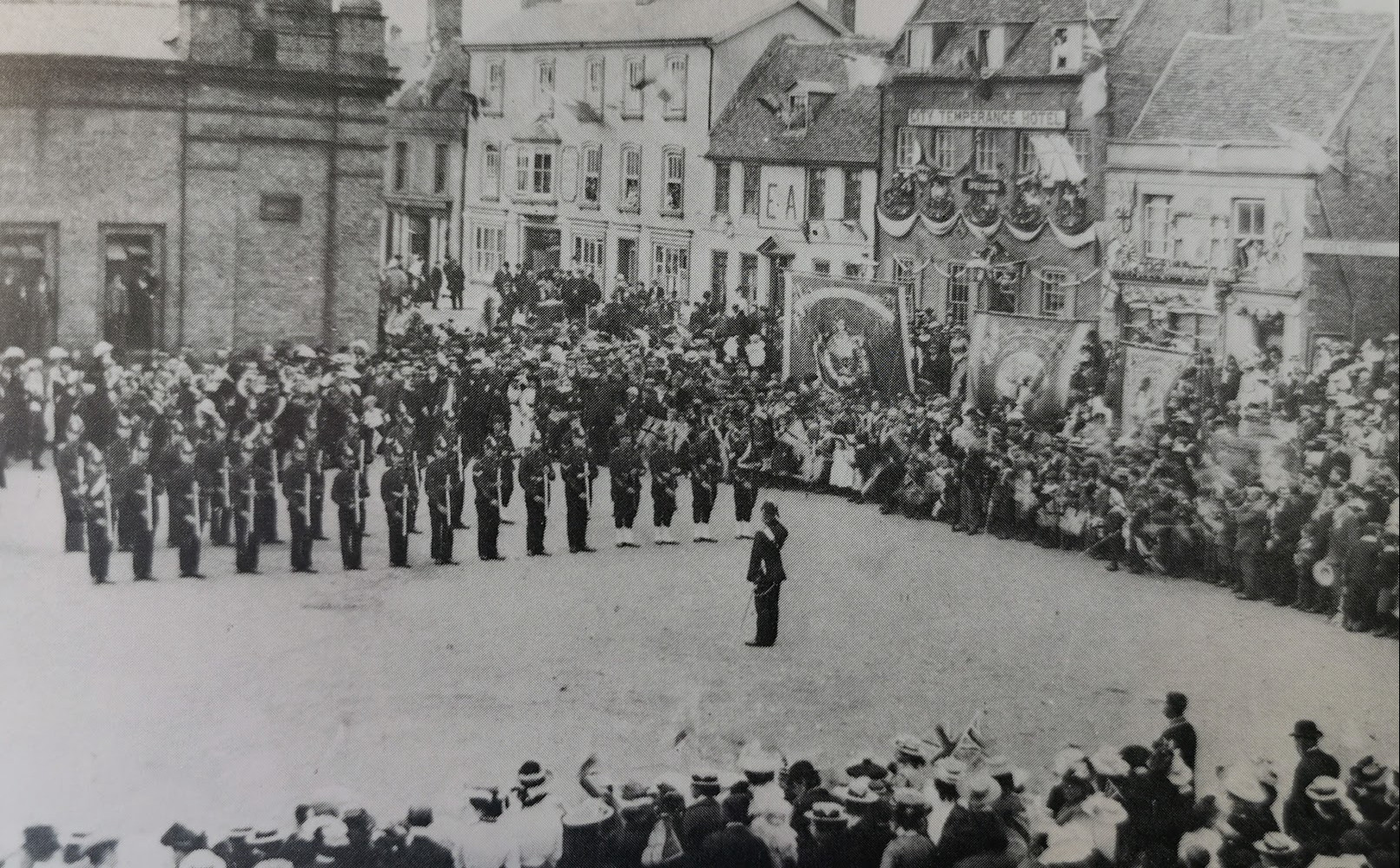
Ely Market Place, Coronation of Edward VII, 1902
On the left of the photo is The White Hart Hotel.
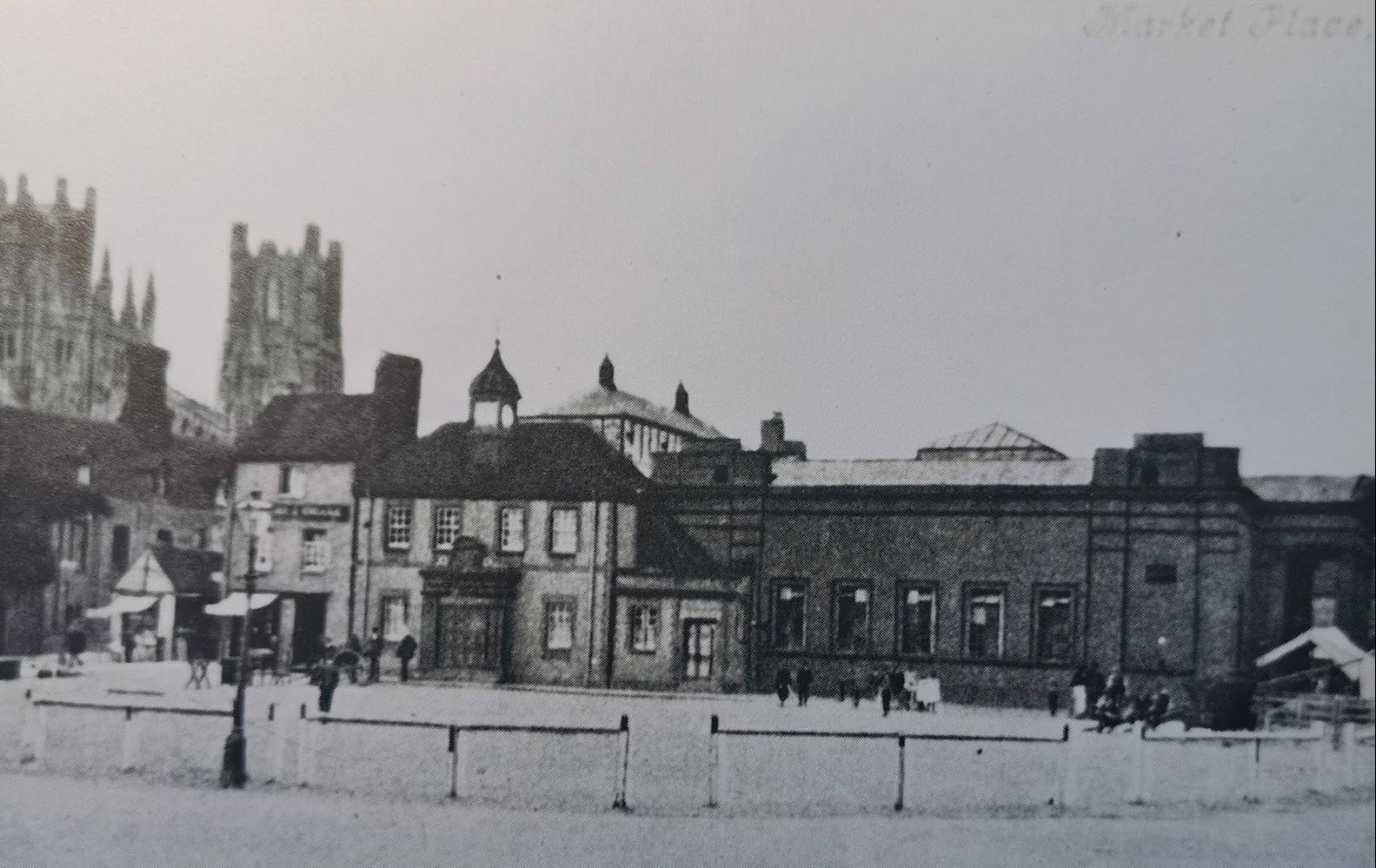
Market Place, Ely c.1905
The Corn Exchange had been built in 1847 and the Public Room was built between 1880 and 1890. In 1910 a maple floor was put in for roller skating. From the 1920s to 1963 it was a cinema. The Corn Exchange and the Public Room were both demolished in 1964.
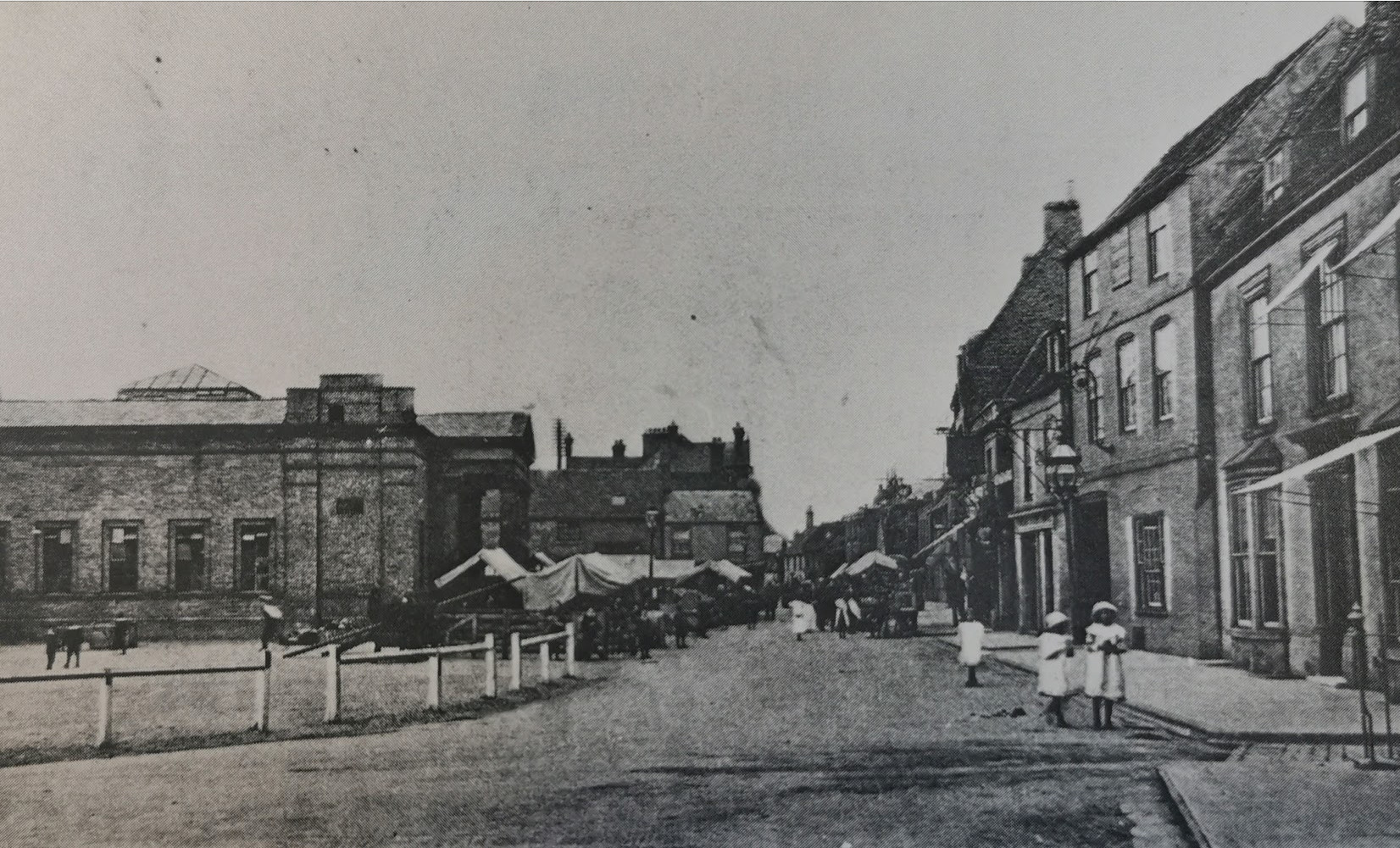
Ely Market Place circa 1908
Right foreground is the house of George Martin Hall, clerk and coroner. In the 1930s the house was demolished and was only redeveloped in 1965 when a supermarket was built.
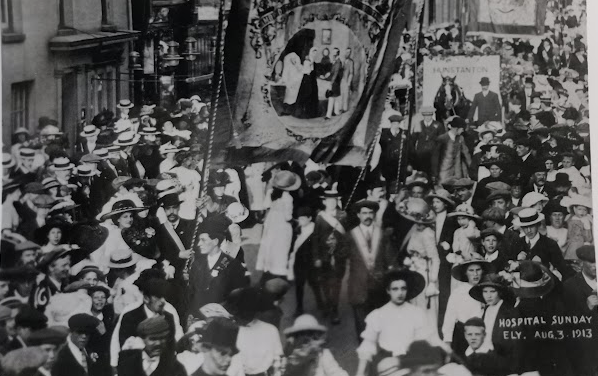
Hospital Sunday Ely 1913 (MoC350/75)
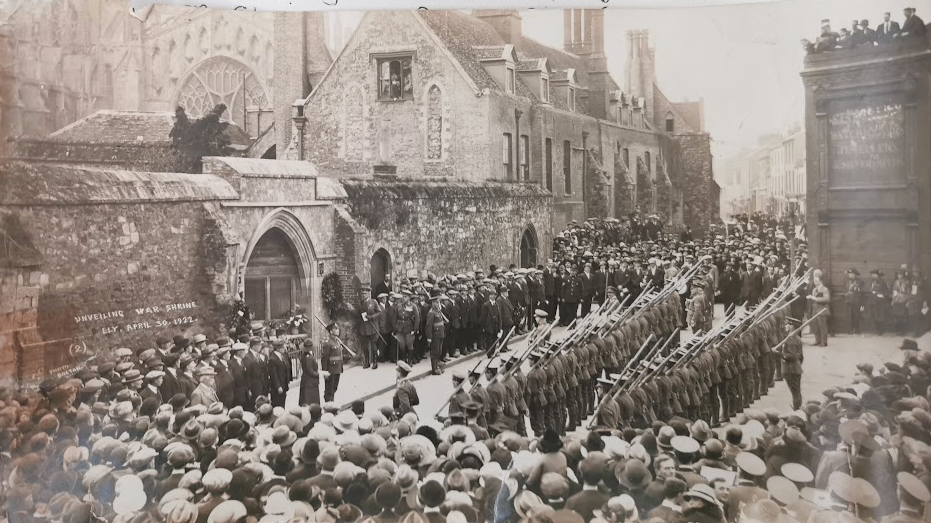
Unveiling of War Memorial Ely 1922 (MoC1118.88)
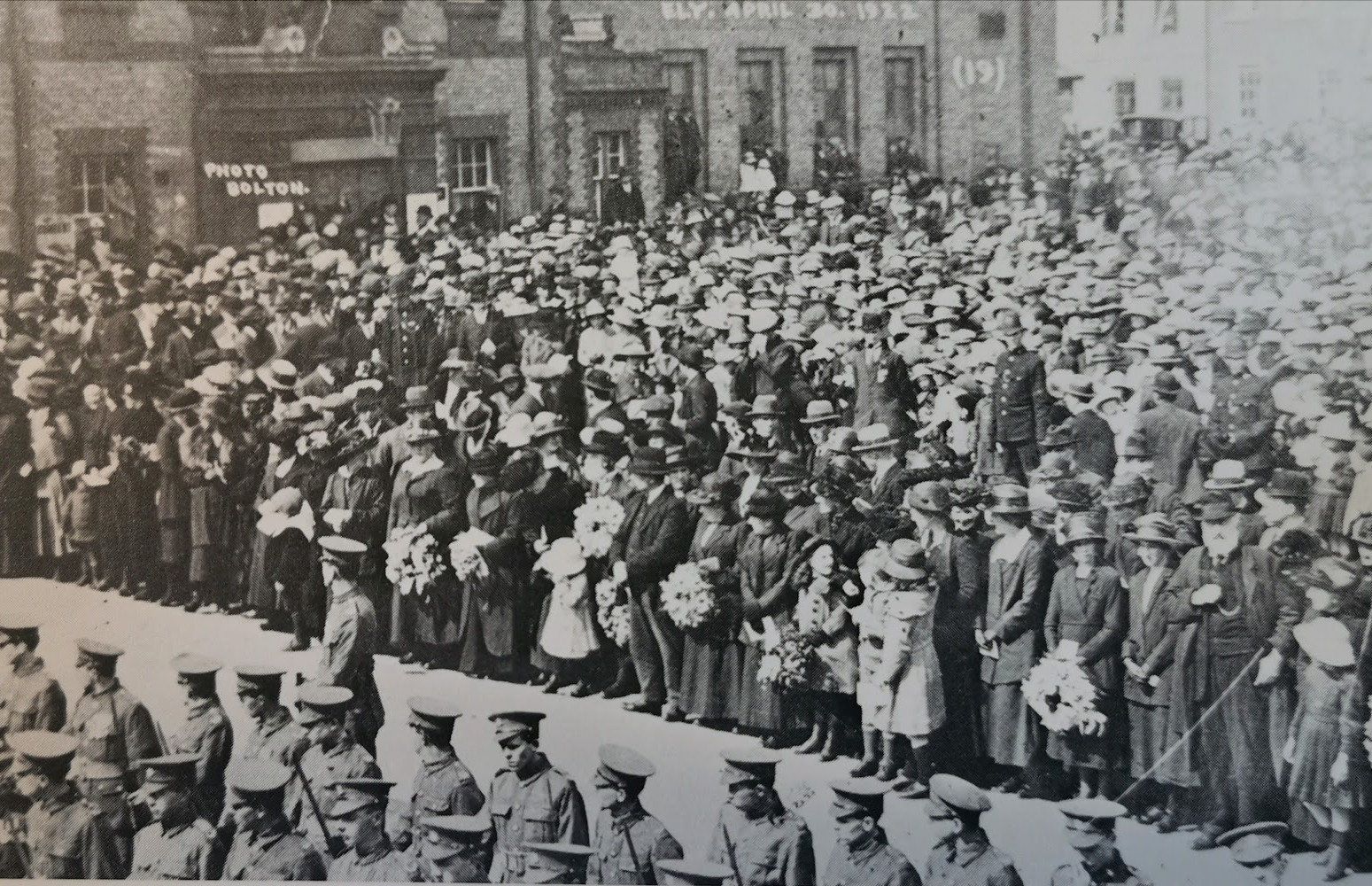
Market Place, Ely, 1922. Unveiling of War Shrine.
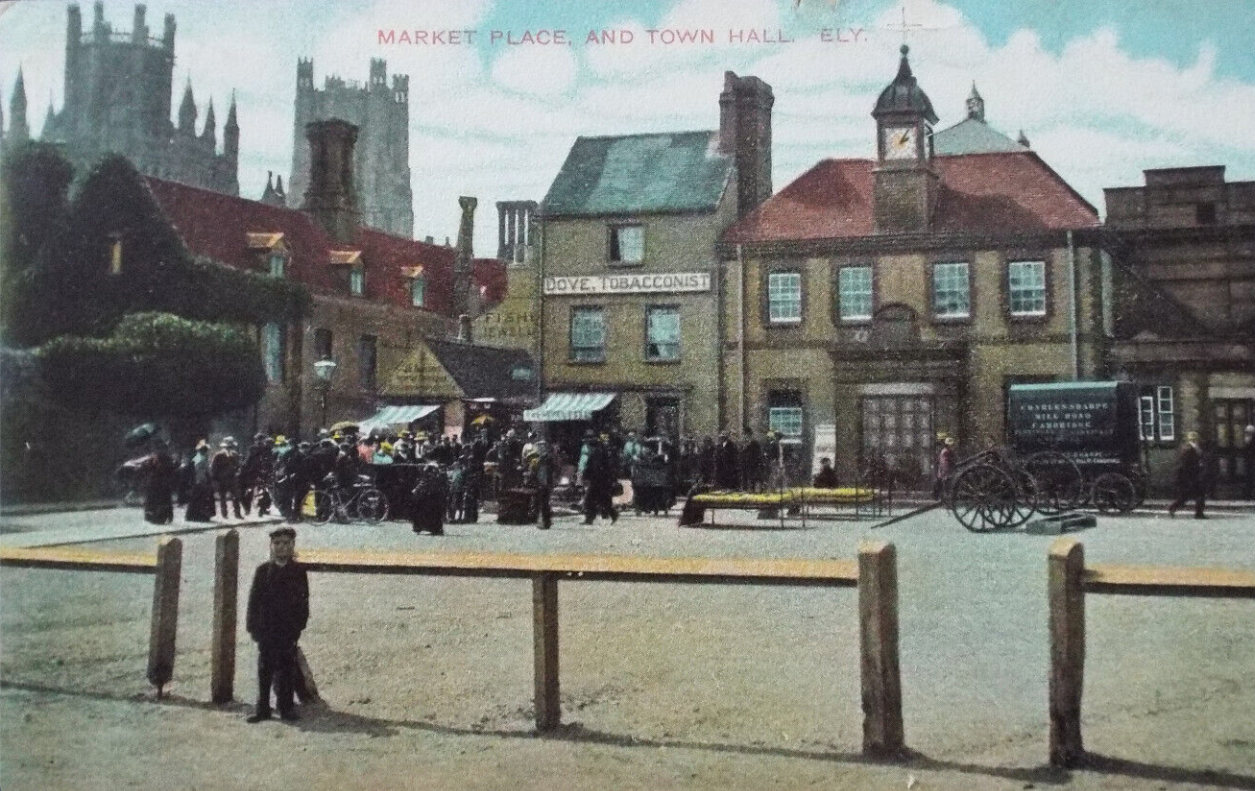
Market Place, Ely
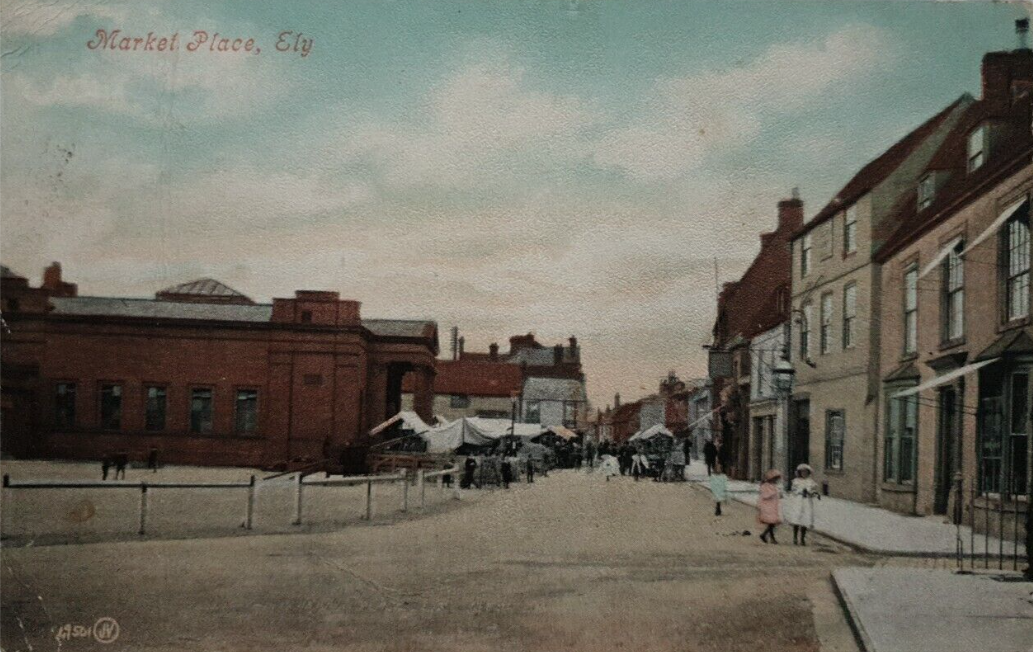
Market Place, Ely
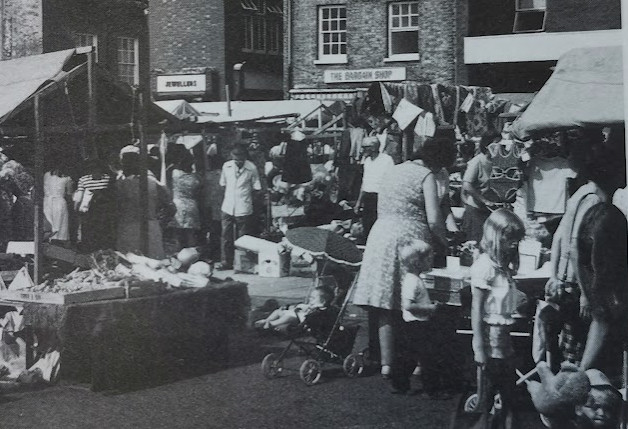
Market Day, Ely
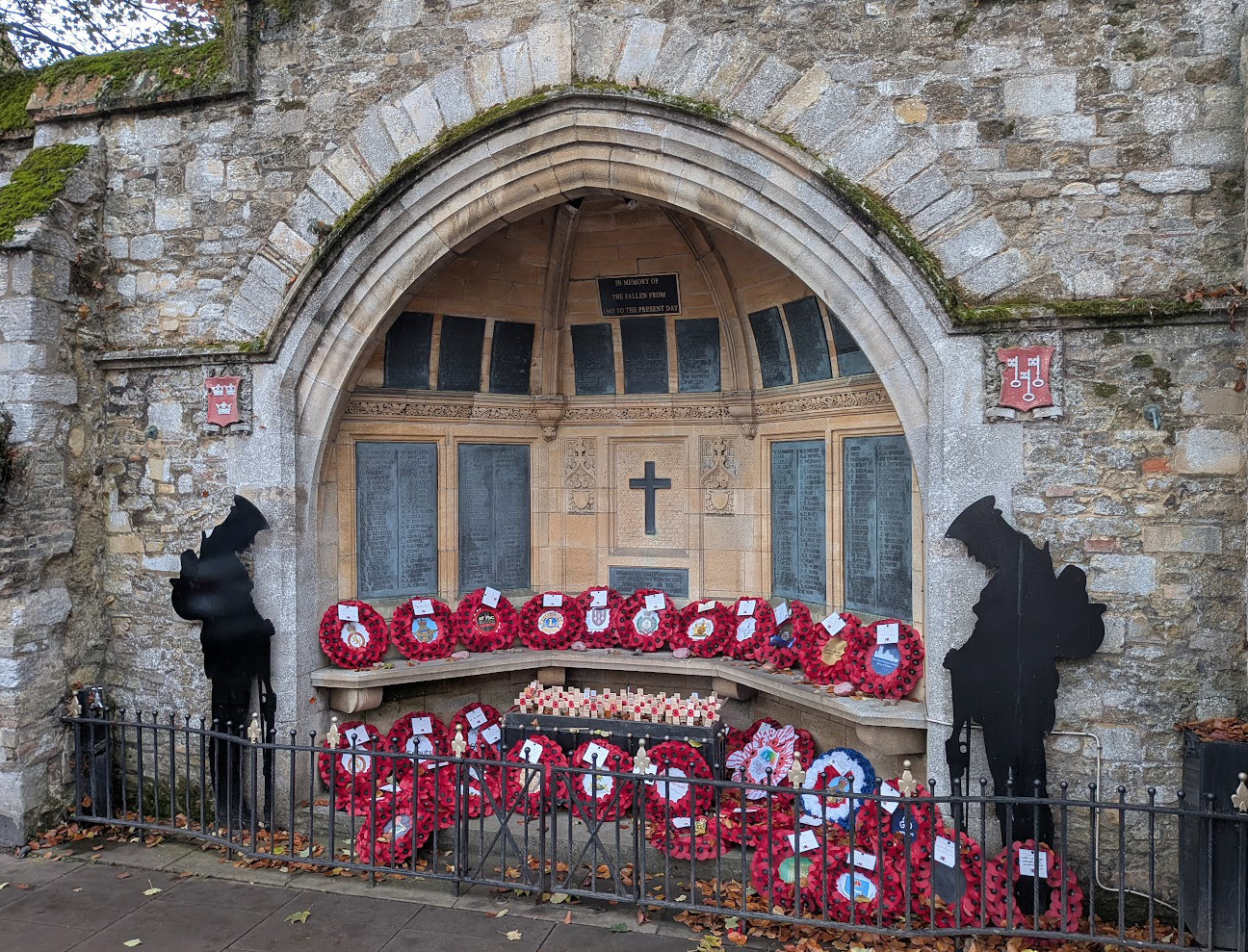
War Memorial Ely 2025
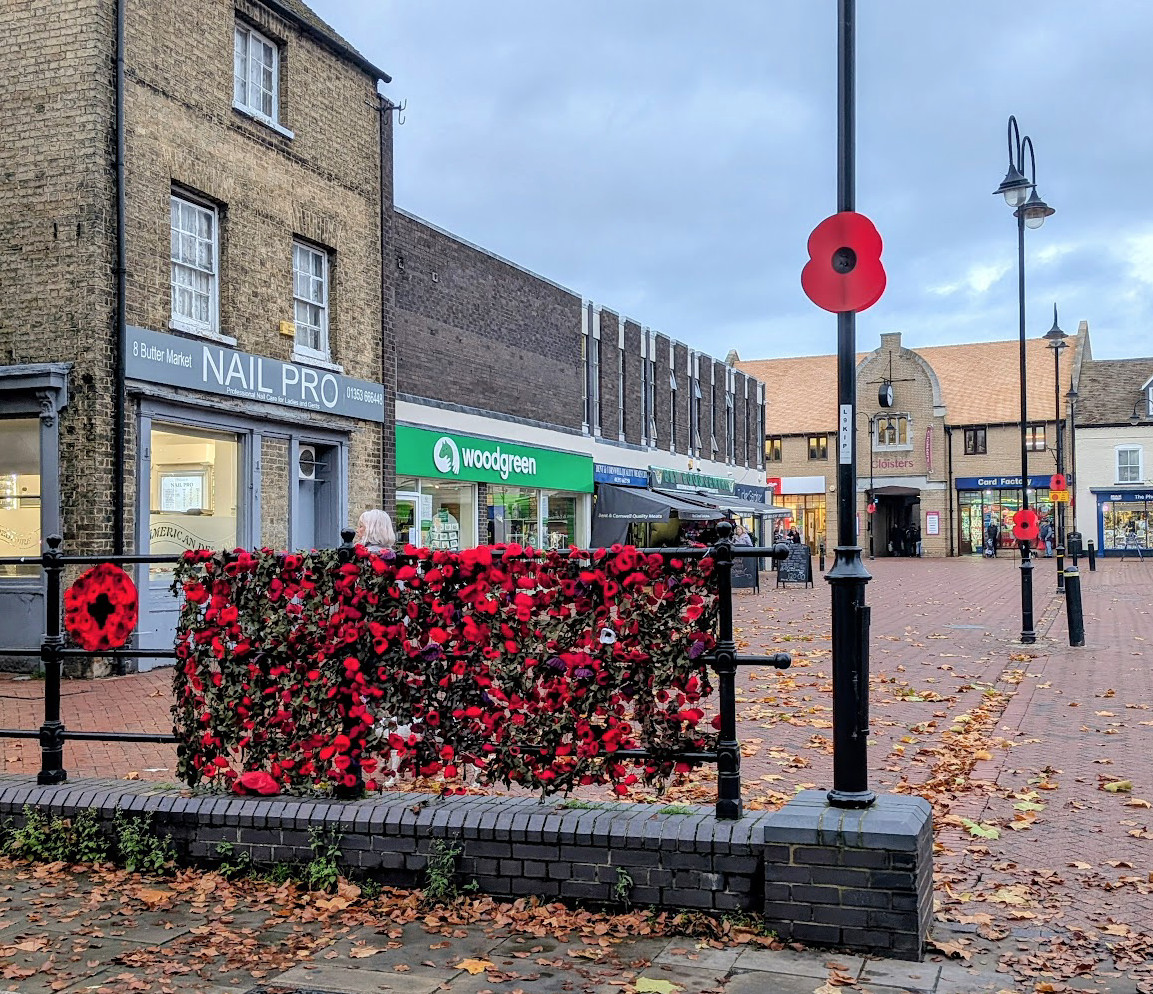
War Memorial Ely 2025
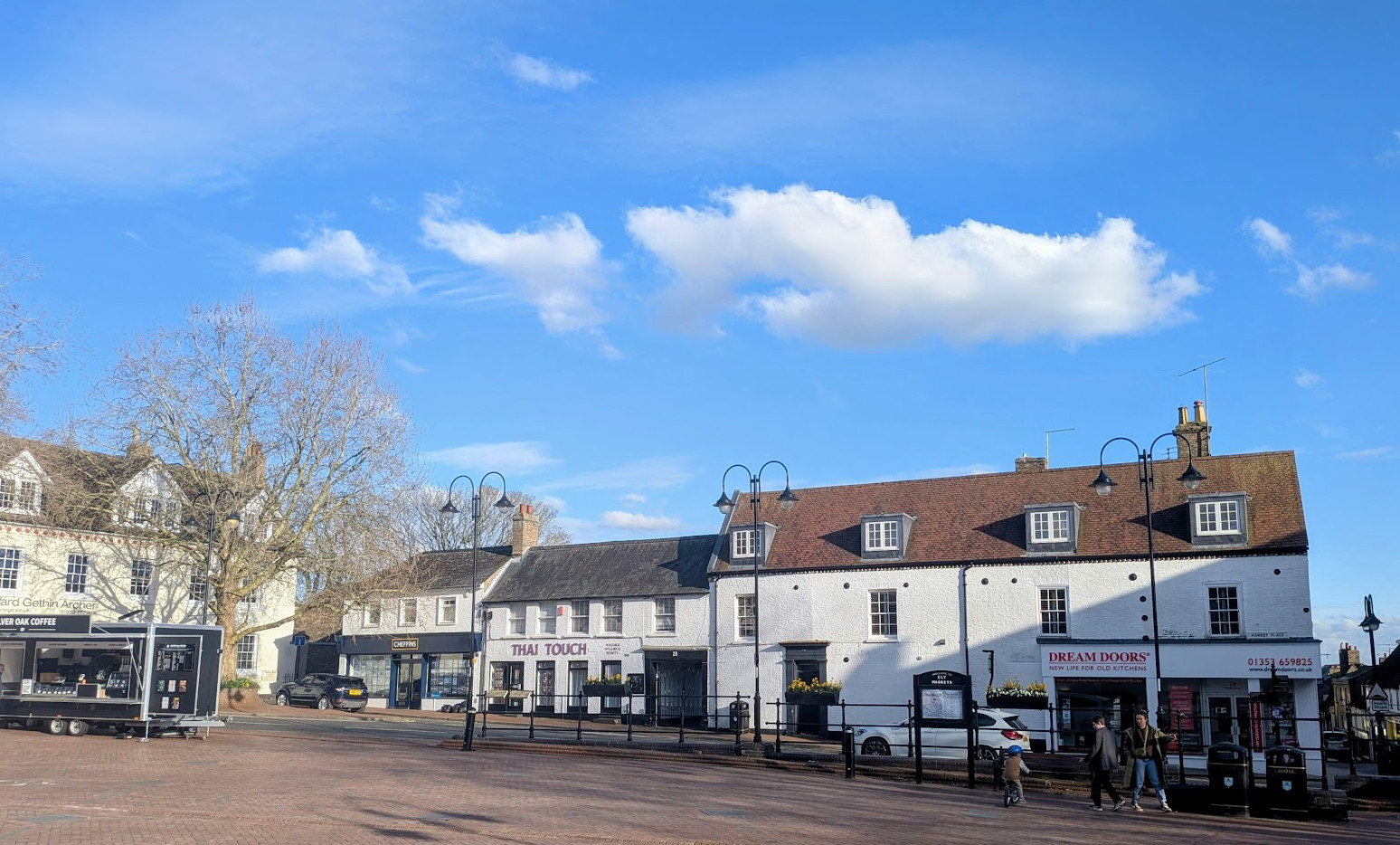
Market Place Ely (RGL2026)
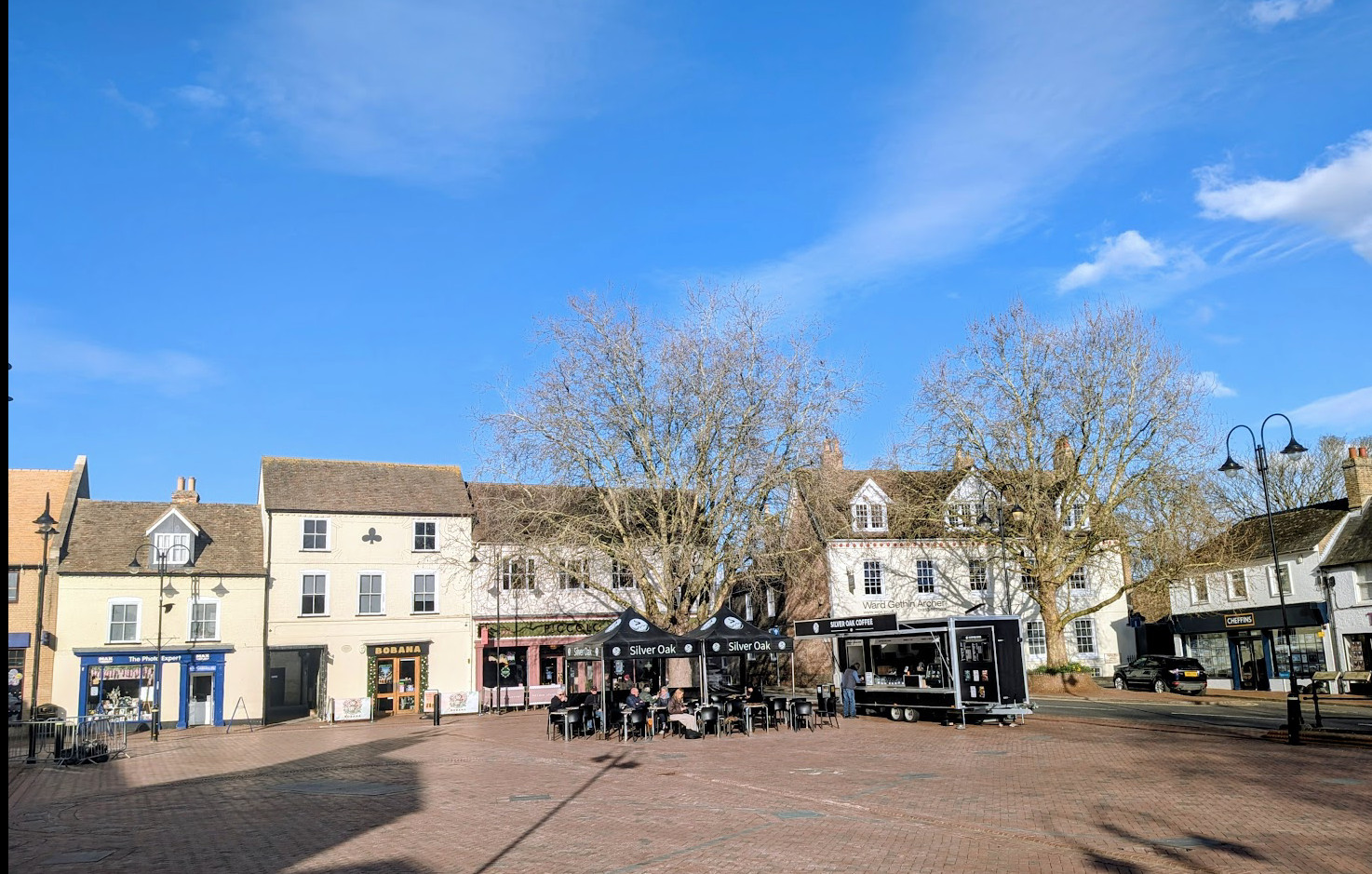
Market Place Ely (RGL2026)
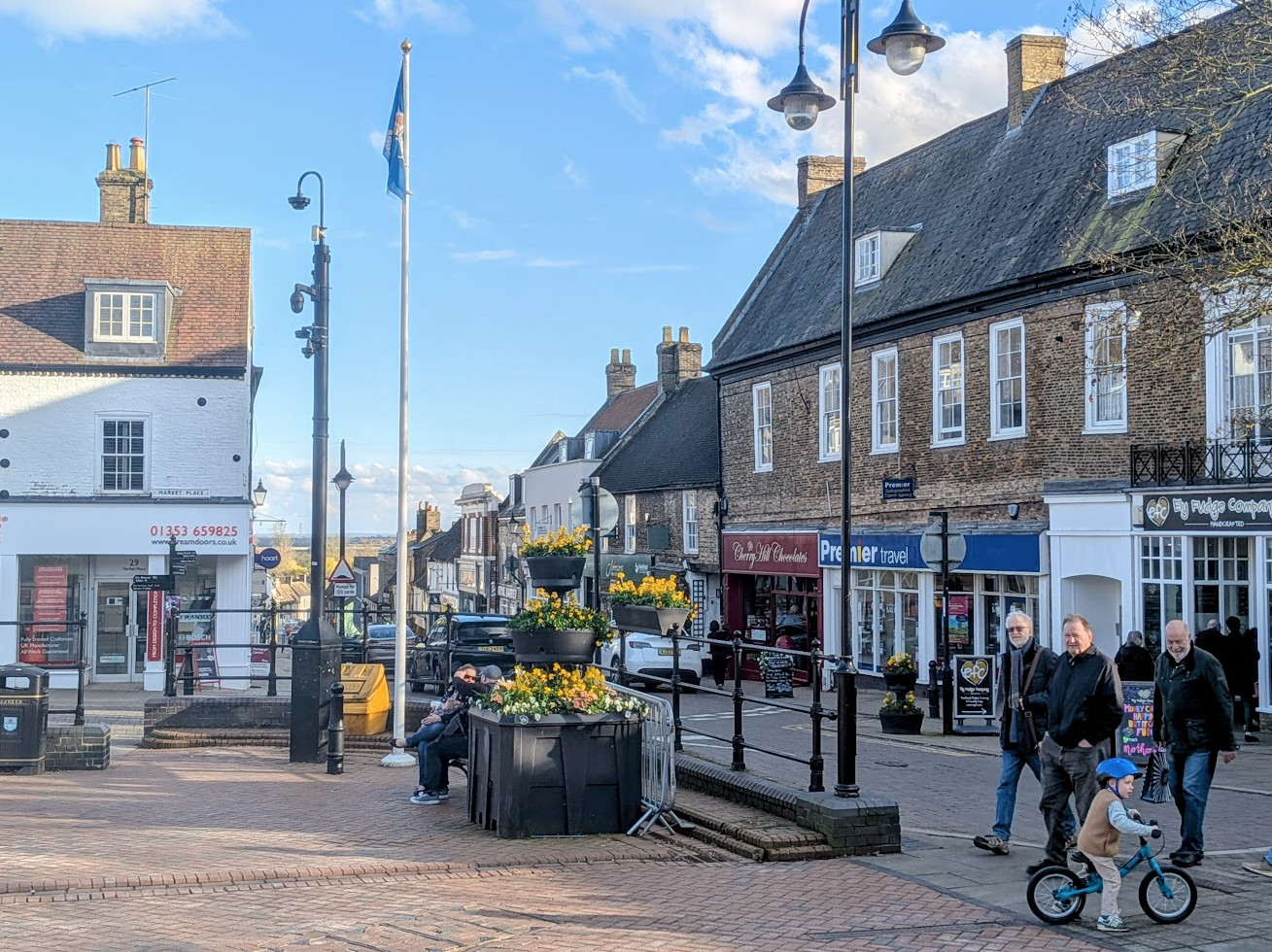
Market Place Ely (RGL2026)
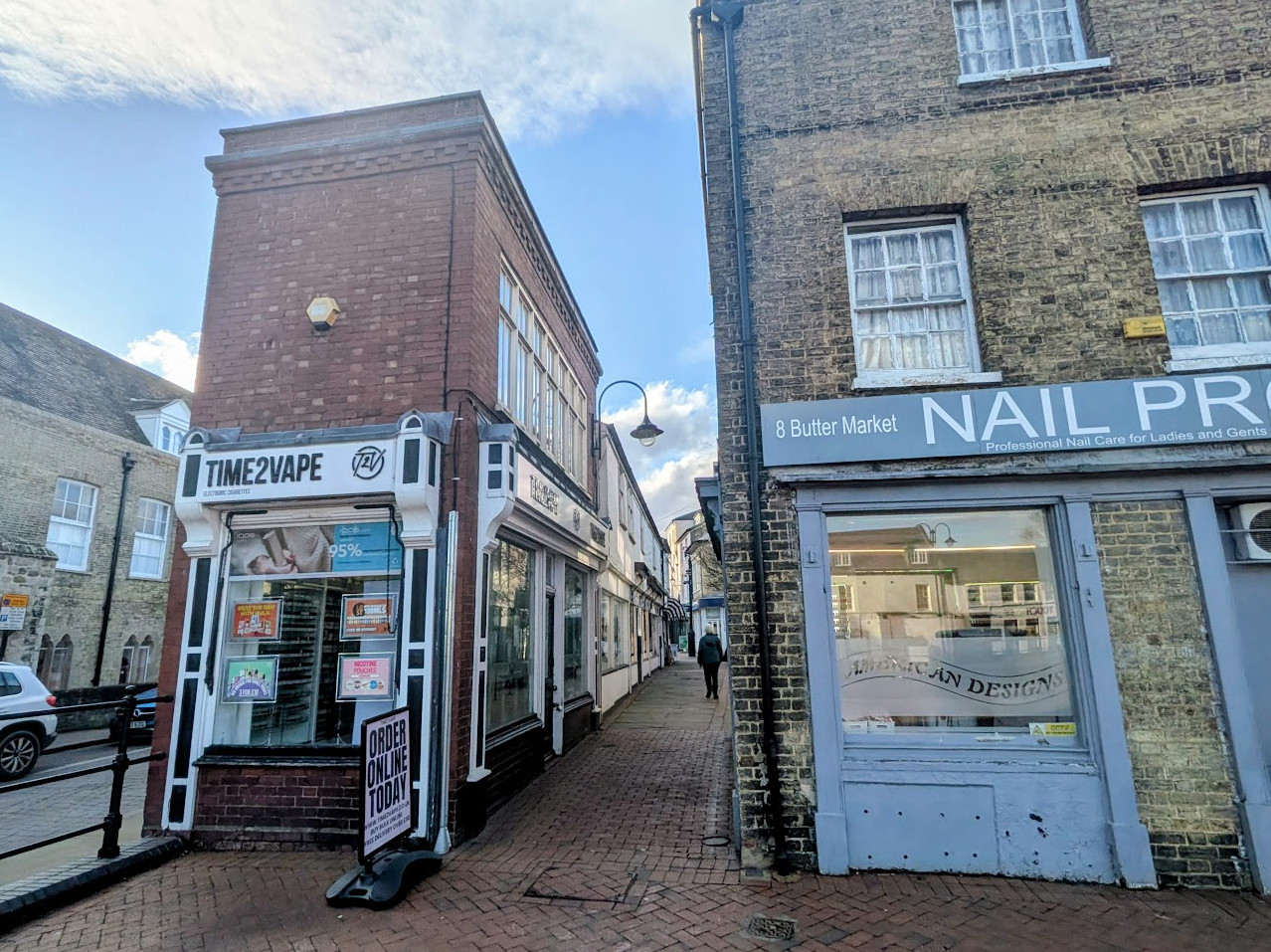
Market Place Ely (RGL2026)
Sources
- Museum of Cambridge
- Ordnance Survey
- Unknown Source
Projects
Contribute
Do you have any information about the people or places in this article? If so, then please let us know using the Contact page or by emailing capturingcambridge@
Licence
This work is licensed under CC BY-NC-SA 4.0