Search by topic
- archaeology
- Building of Local Interest
- chapel
- charity
- church
- crime
- dressmaker
- fire
- Great Eastern Railway
- Listed building
- Mapping Relief
- medieval
- oral history
- poverty
- Public House
- Religious House
- Roman
- scholar
- school
- Then and Now
- tudor
- women
- work
- world war one
- world war two
Search by text
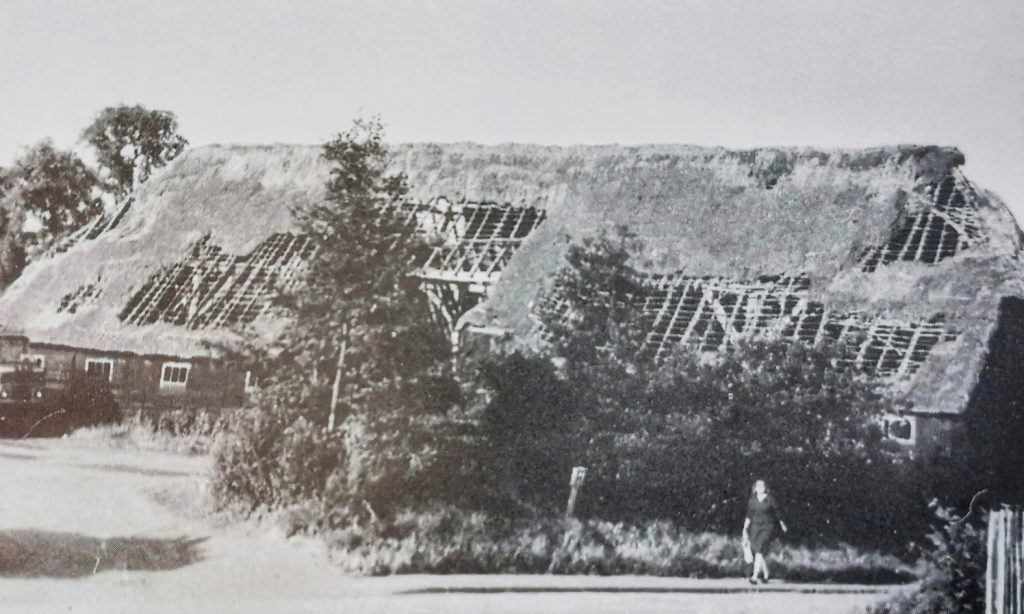 Great Barn, Merton Manor Fram, demolished in early 1970s
Merton Manor Farm, 23 Station Road, Gamlingay
History of Merton Manor Farm
Listed Building
Farmhouse. Early-mid C16, late C16 and small additions to east wing, C19. … On a moated site. Originally the bailiffs house of the manor of Merton, but from 1362 it was leased. In 1491 it was leased to Thomas Byrd for twenty years, and in 1522 to Richard Clarke of Potton, who may have built much of the present house.
Dovecote. Late C17. (Historic England)
1911 Merton Farm Cottage
Alfred Bolton, 50, horseman on farm, b Harlton
Julia, 47, laundress, b Grantchester
George, 24, jobbing gardener, b Grantchester
Edwin, 22, gardener, b Grantchester
Walter, 15, gardener, b Grantchester
By the time of WWI the family were living at The Fields, Bridle Way.
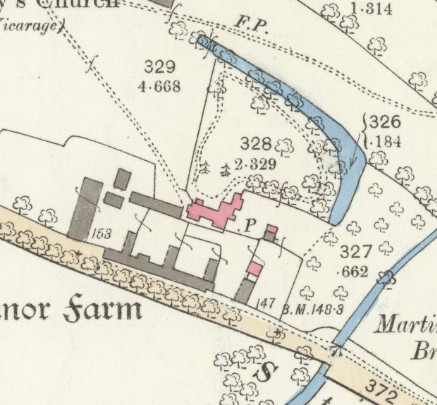
Merton Manor Farm, Gamlingay OS 1886
Manor Farm was given to Merton College in 1599 by the Friends of John Gill.
The Great Barn was 160 feet long with 5 large aisled bays inside.
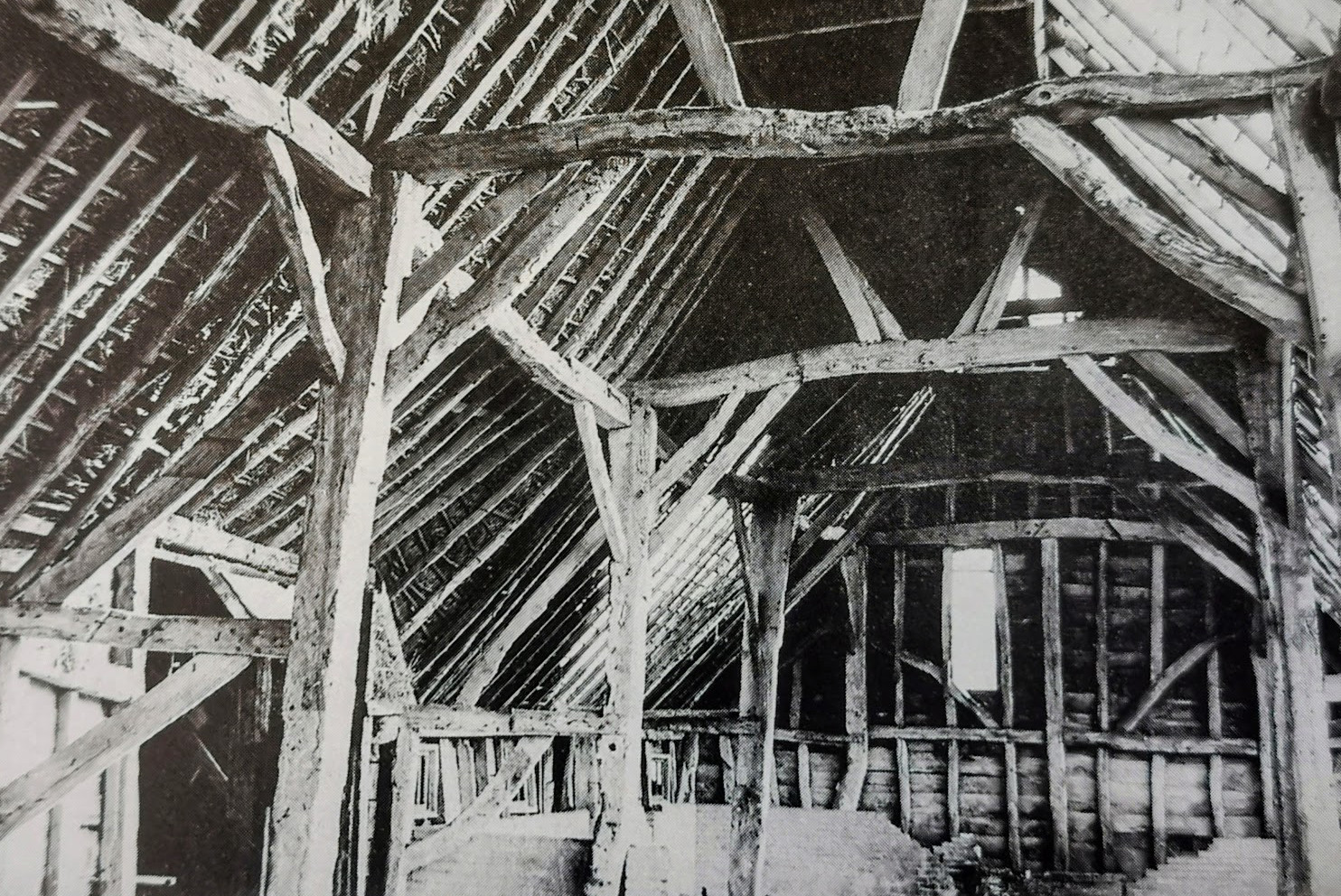
Great Barn, Merton Manor Fram, demolished in early 1970s
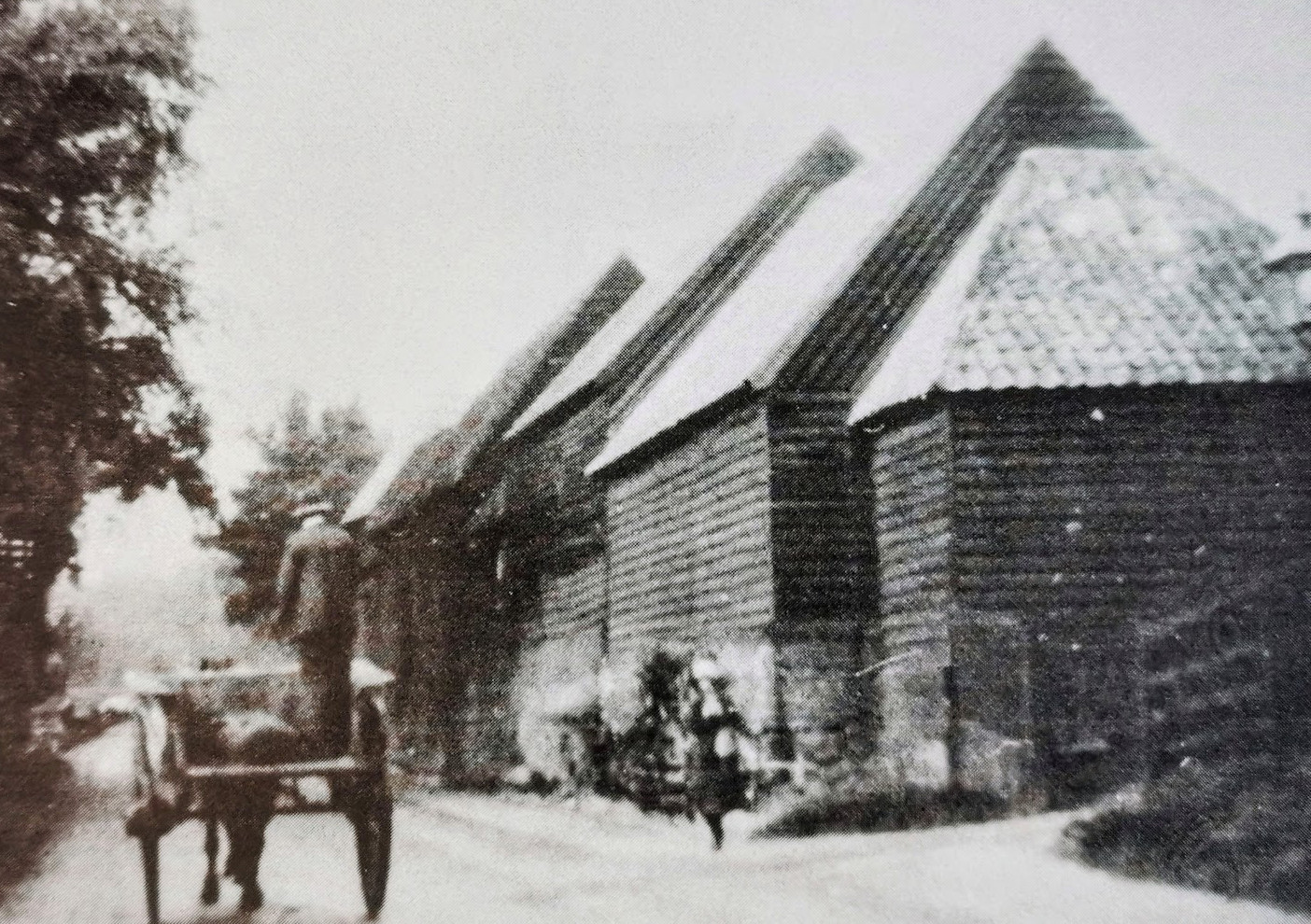
Merton Manor farm barns, 1923
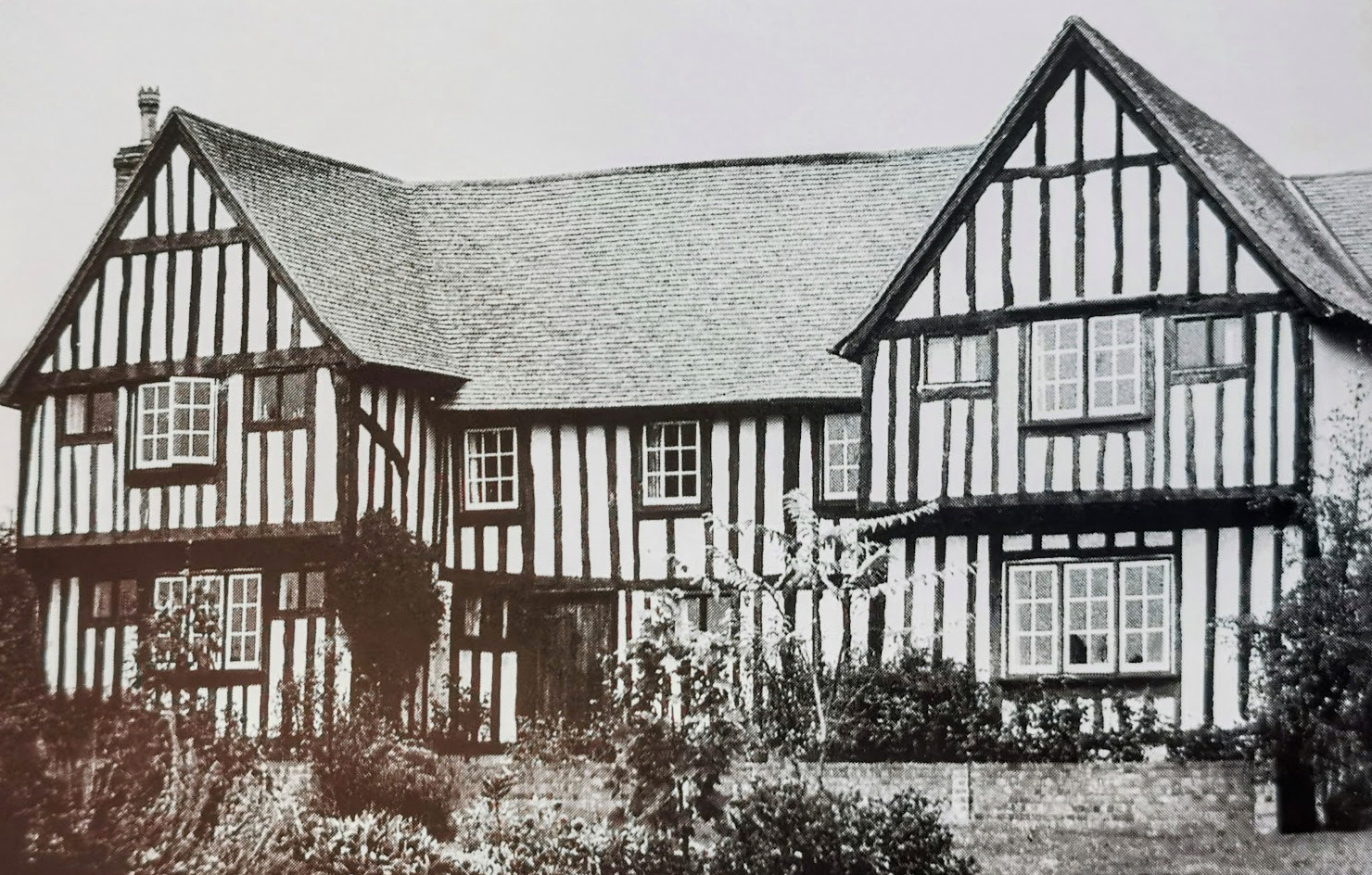
Manor Farm, Station Road
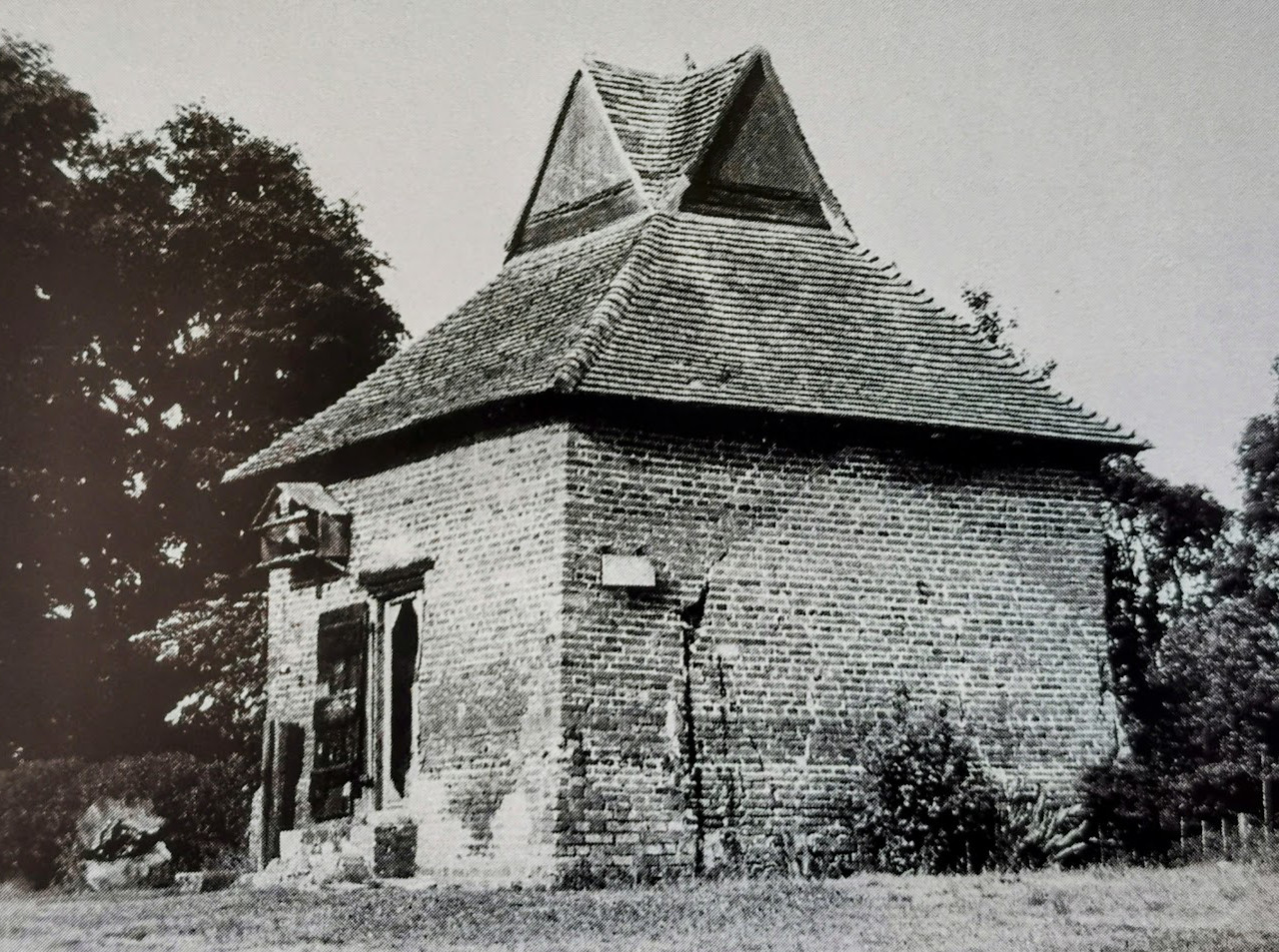
Dove cote, Manor Farm, built 17th cent. It was able to house 1000 pairs of pigeons.
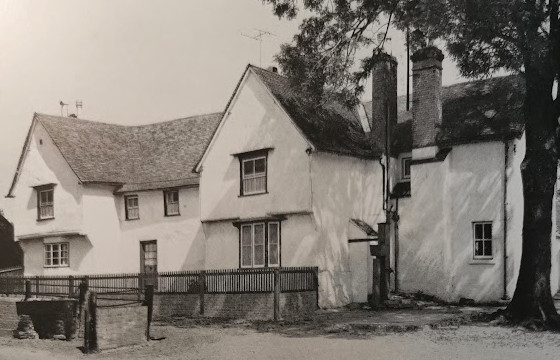
Merton Manor farm, Gamlingay late 16th or early 17th cent. (RCHM)
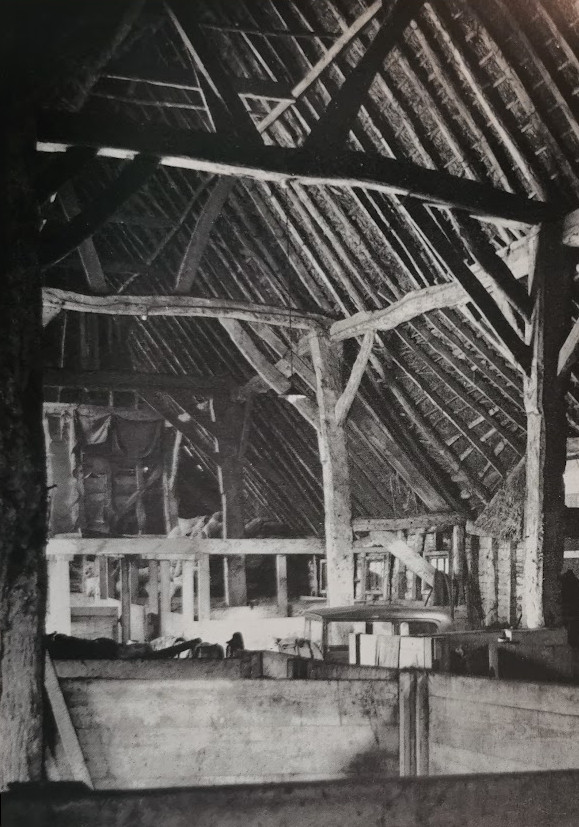
Merton Manor, Gamlingay, barn c.1660 (RCHM)
Projects
Contribute
Do you have any information about the people or places in this article? If so, then please let us know using the Contact page or by emailing capturingcambridge@
Licence
This work is licensed under CC BY-NC-SA 4.0