Search by topic
- archaeology
- Building of Local Interest
- chapel
- charity
- church
- crime
- dressmaker
- fire
- Great Eastern Railway
- Listed building
- Mapping Relief
- medieval
- oral history
- poverty
- Public House
- Religious House
- Roman
- scholar
- school
- Then and Now
- tudor
- women
- work
- world war one
- world war two
Search by text
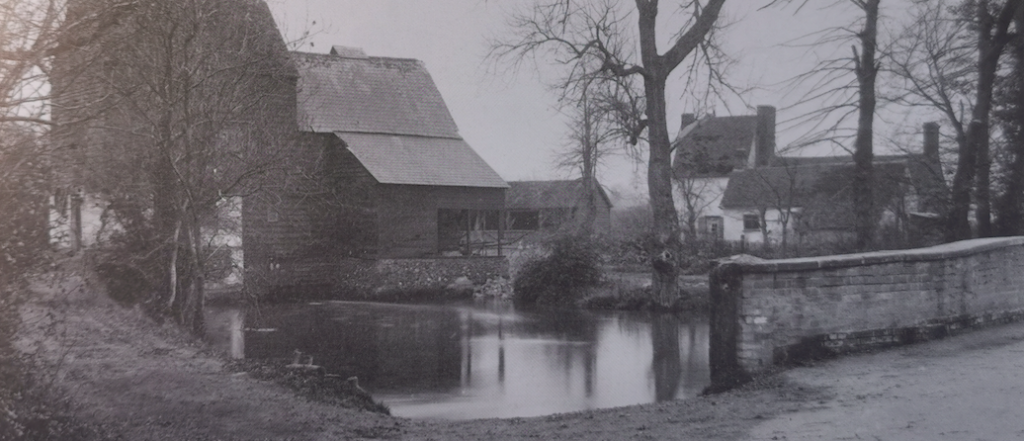 Upper Shepreth Mill, before 1927 (photo W M Palmer) (Cambridgeshire Collection)
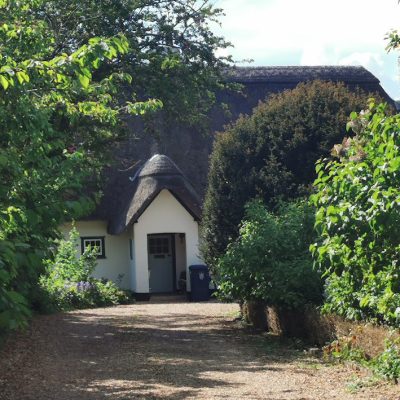
Shepreth Mills, Fowlmere Road
History of Shepreth Mills
Listed Building
The Listed Building is the building identified on the 1901 OS map as Corn Mill.
Undershot watermill, now a house. Mid-late C18, restored mid-late C20. Timber-framed, weatherboarded, on brick plinth with tiled, mansard roof. … The site may be associated with the village brewery and beer shop which stood next to the mill in 1840.
Formerly the mill house. C17, C19. Two bays on the south side remain from the C17 mill house.
There were historically two mills in Shepreth.
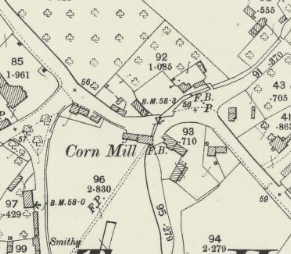
Shepreth OS 1901
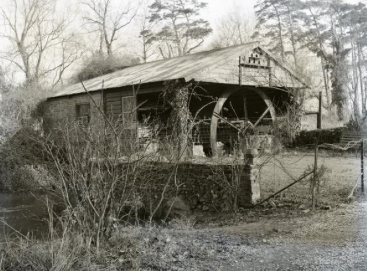
Upper Shepreth Mill c.1940 (photo E M Gardner) (Mills Archive)
The Corn Mill shown on the OS map is probably the Lower Mill. The Upper Mill according to Vanishing Cambridge p.161 was probably used as a paper mill. A new waterwheel was installed in 1924 but a fire in January 1927 reduced the building to not much more than a wheel that was later used to generate electricity.
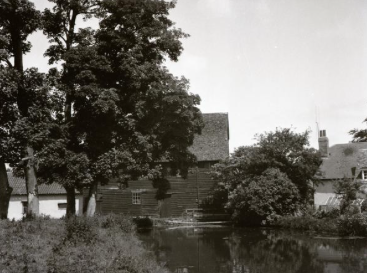
Lower Shepreth Mill (c1940) (photo E Gardner)(Mills Archive)
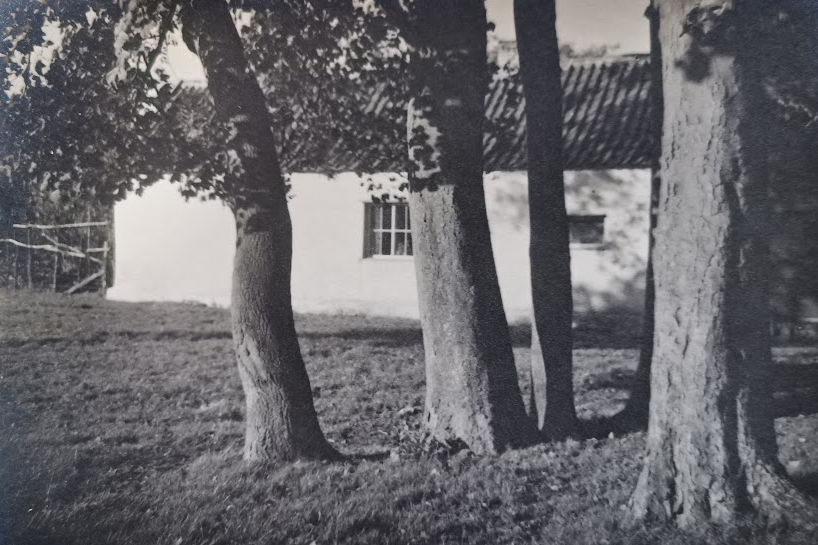
Near Shepreth Mill (MoC137/57)
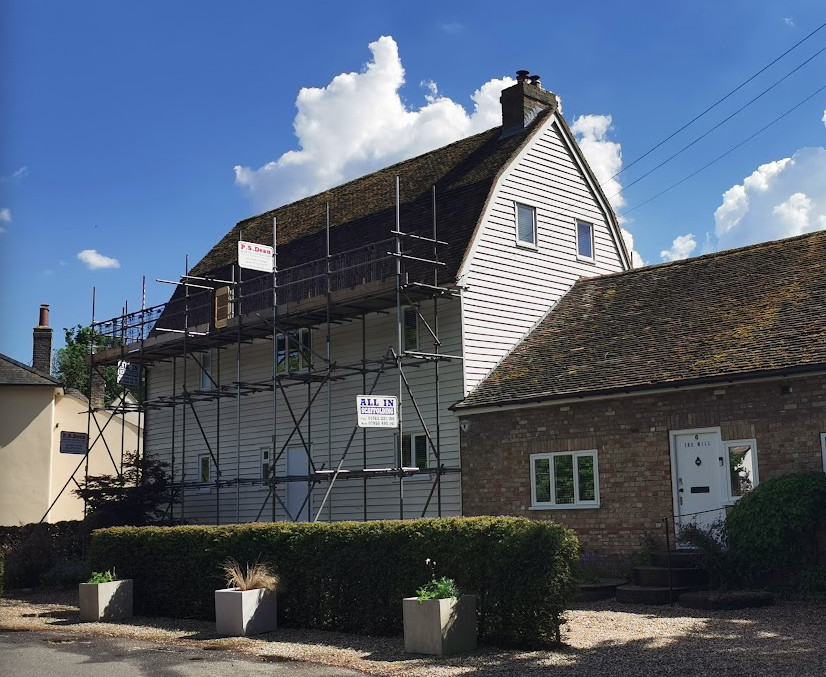
Shepreth Mill (RGL2025)
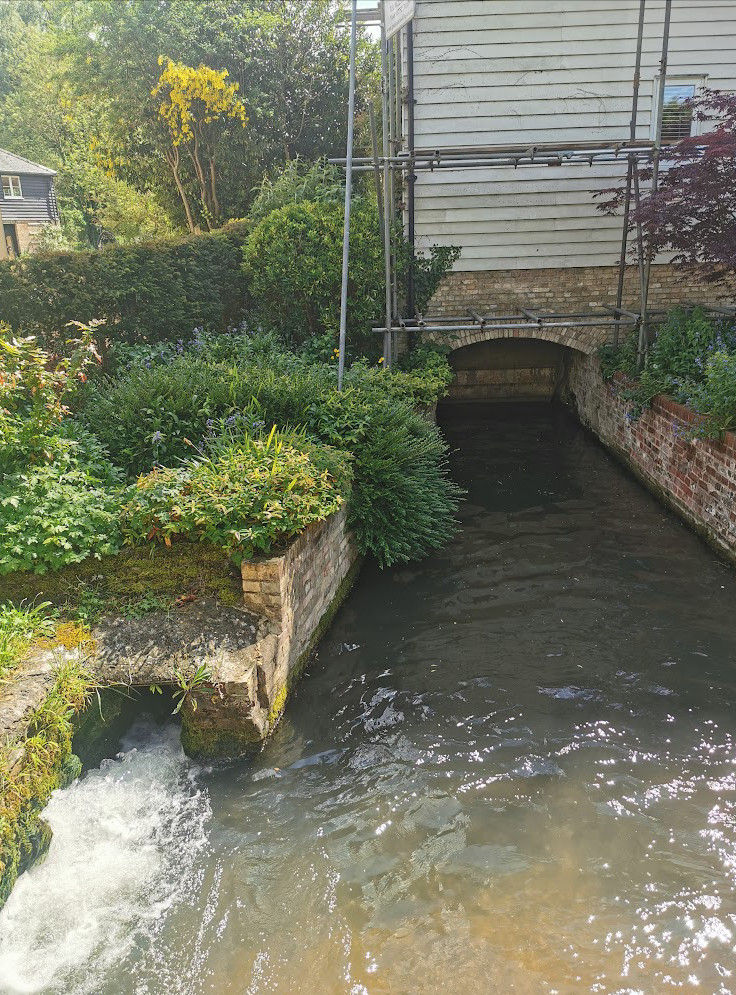
Shepreth Mill (RGL2025)
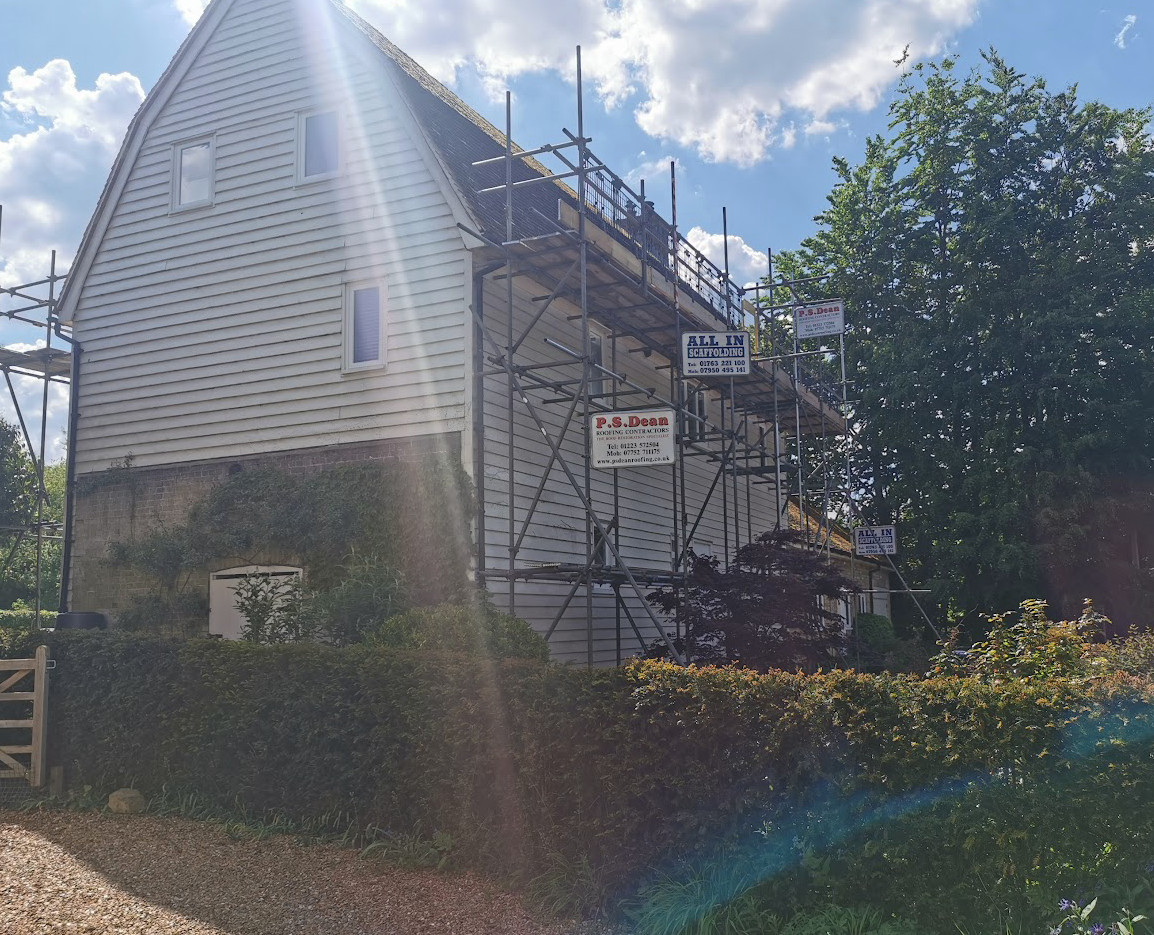
Shepreth Mill (RGL2025)
Projects
Contribute
Do you have any information about the people or places in this article? If so, then please let us know using the Contact page or by emailing capturingcambridge@
Licence
This work is licensed under CC BY-NC-SA 4.0