Search by topic
- archaeology
- Building of Local Interest
- chapel
- charity
- church
- crime
- dressmaker
- fire
- Great Eastern Railway
- Listed building
- Mapping Relief
- medieval
- oral history
- poverty
- Public House
- Religious House
- Roman
- scholar
- school
- Then and Now
- tudor
- women
- work
- world war one
- world war two
Search by text
The Trumpington Bed Burial
Cambridge University Arbury Project
Welcome to the Arbury History Curriculum Project in partnership with Arbury Primary School and the University of Cambridge. Our project is aimed at enriching pupil understanding of local history and prehistory in the Cambridgeshire area by providing resources that are usable and accessible for teachers in the classroom. We have liaised with teachers from Arbury Primary School and researchers from the University of Cambridge to provide teaching materials which can be included in a primary school history curriculum and are based on the latest academic research.
The Trumpington Bed Burial
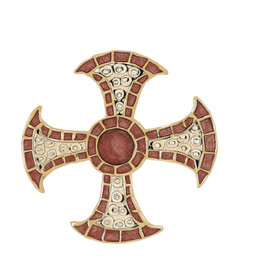
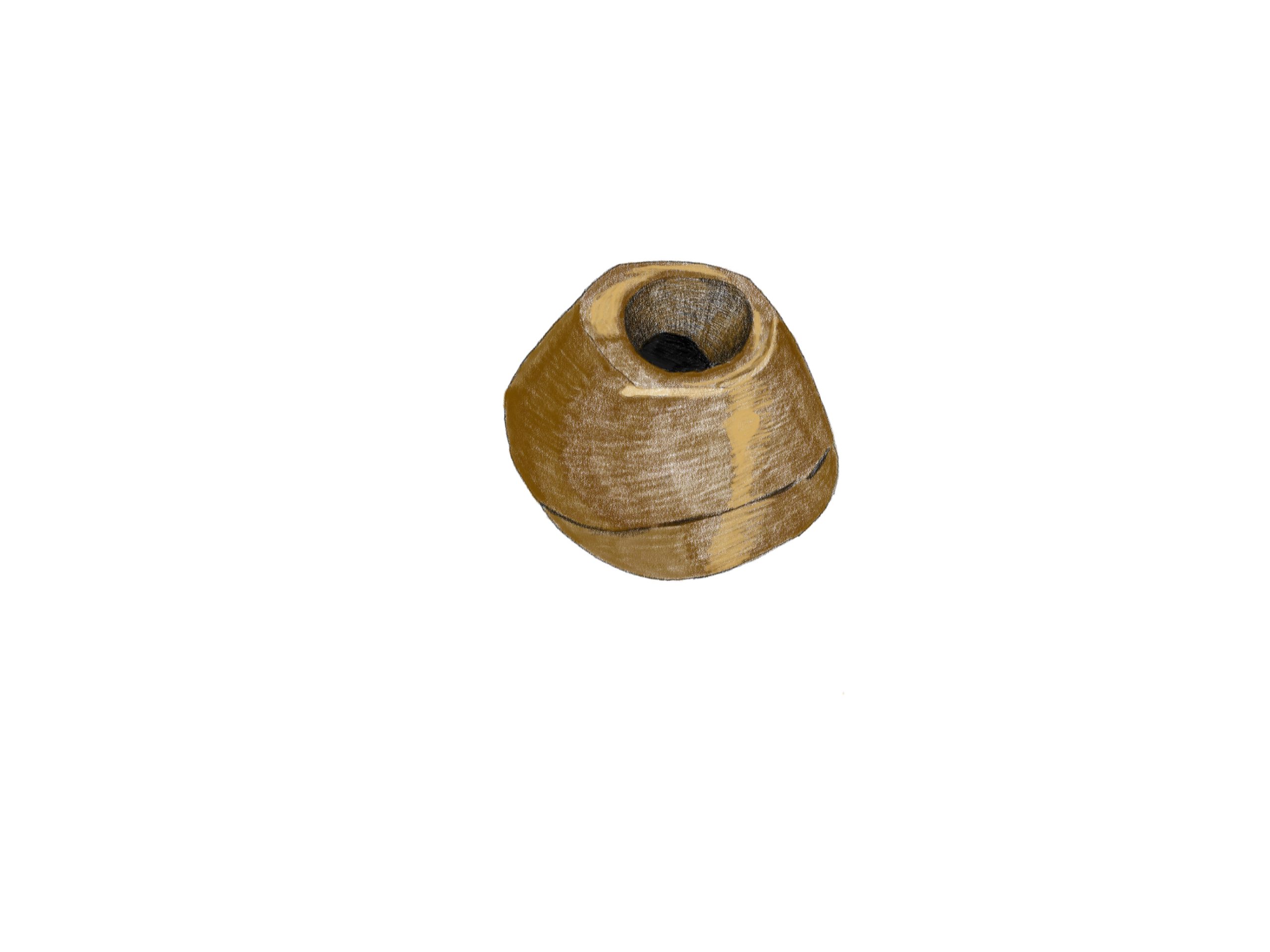
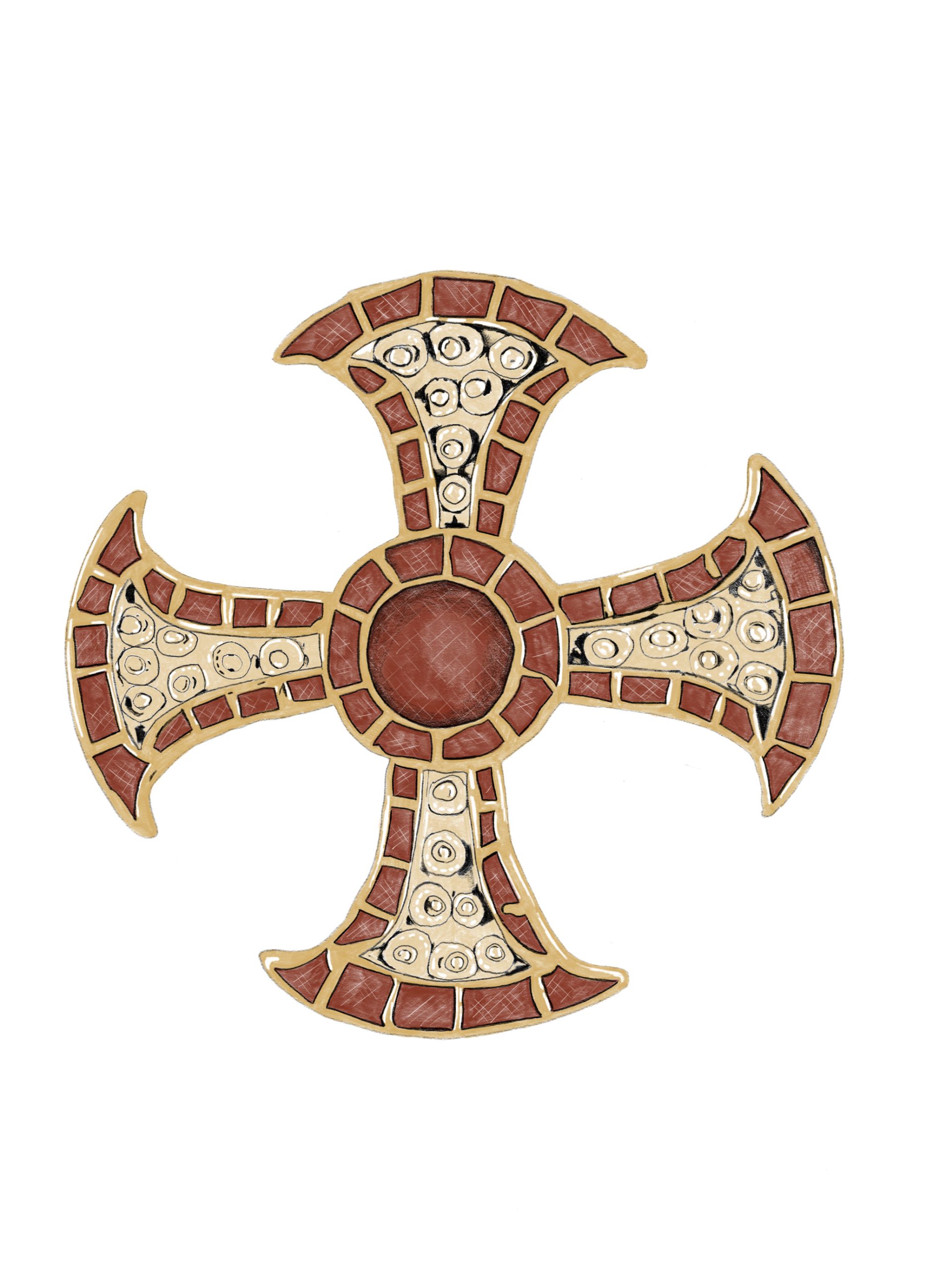
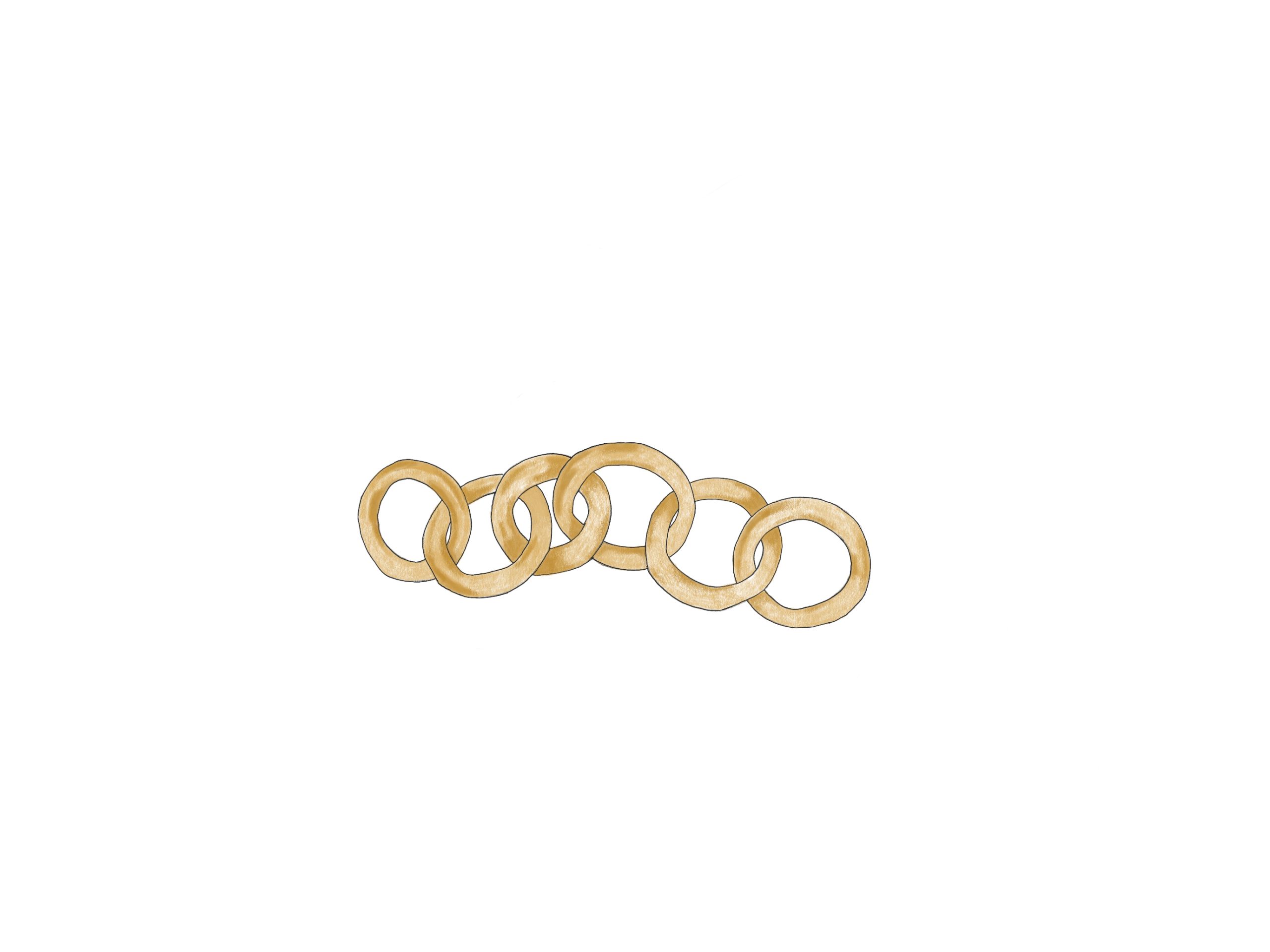
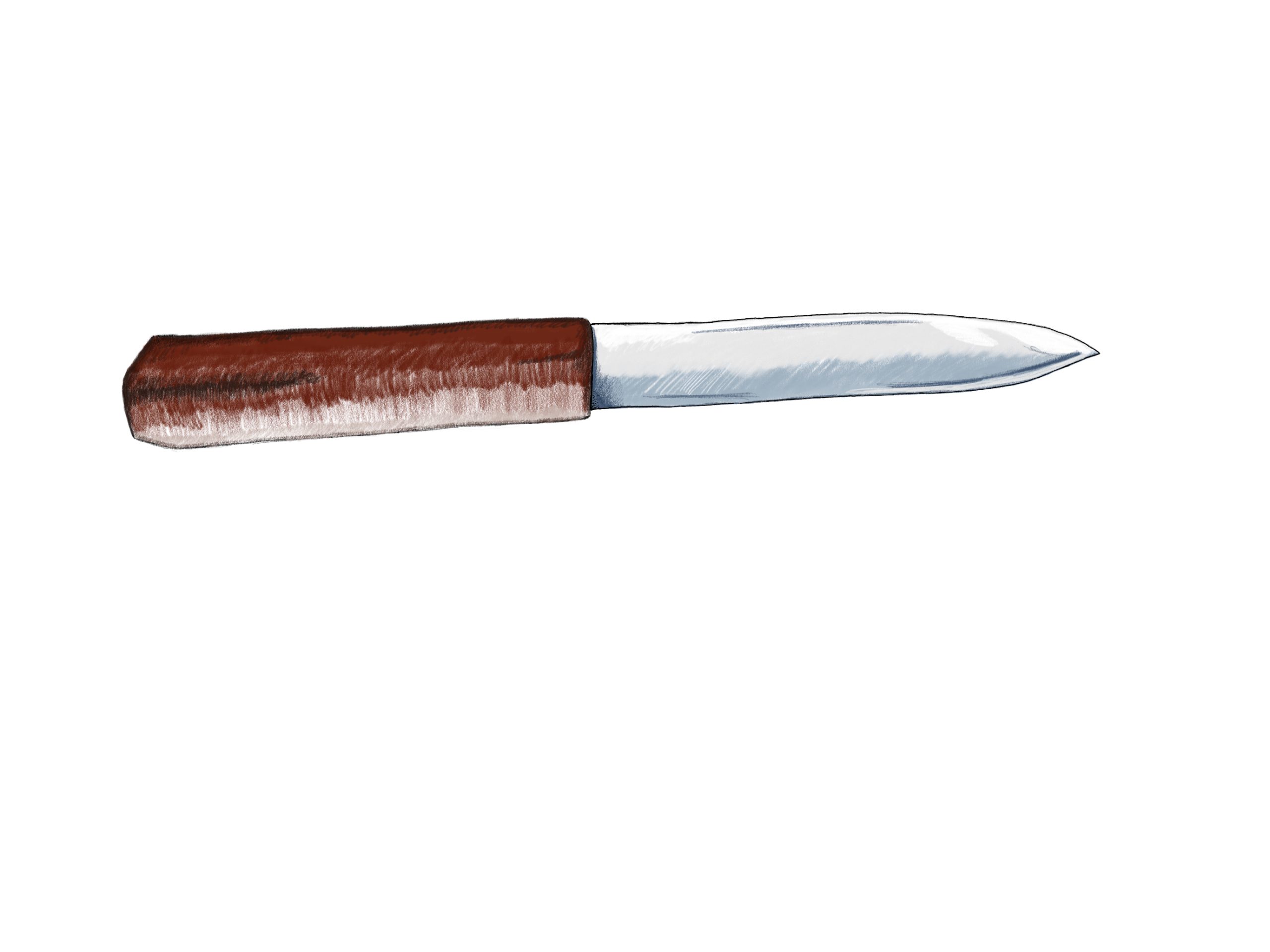
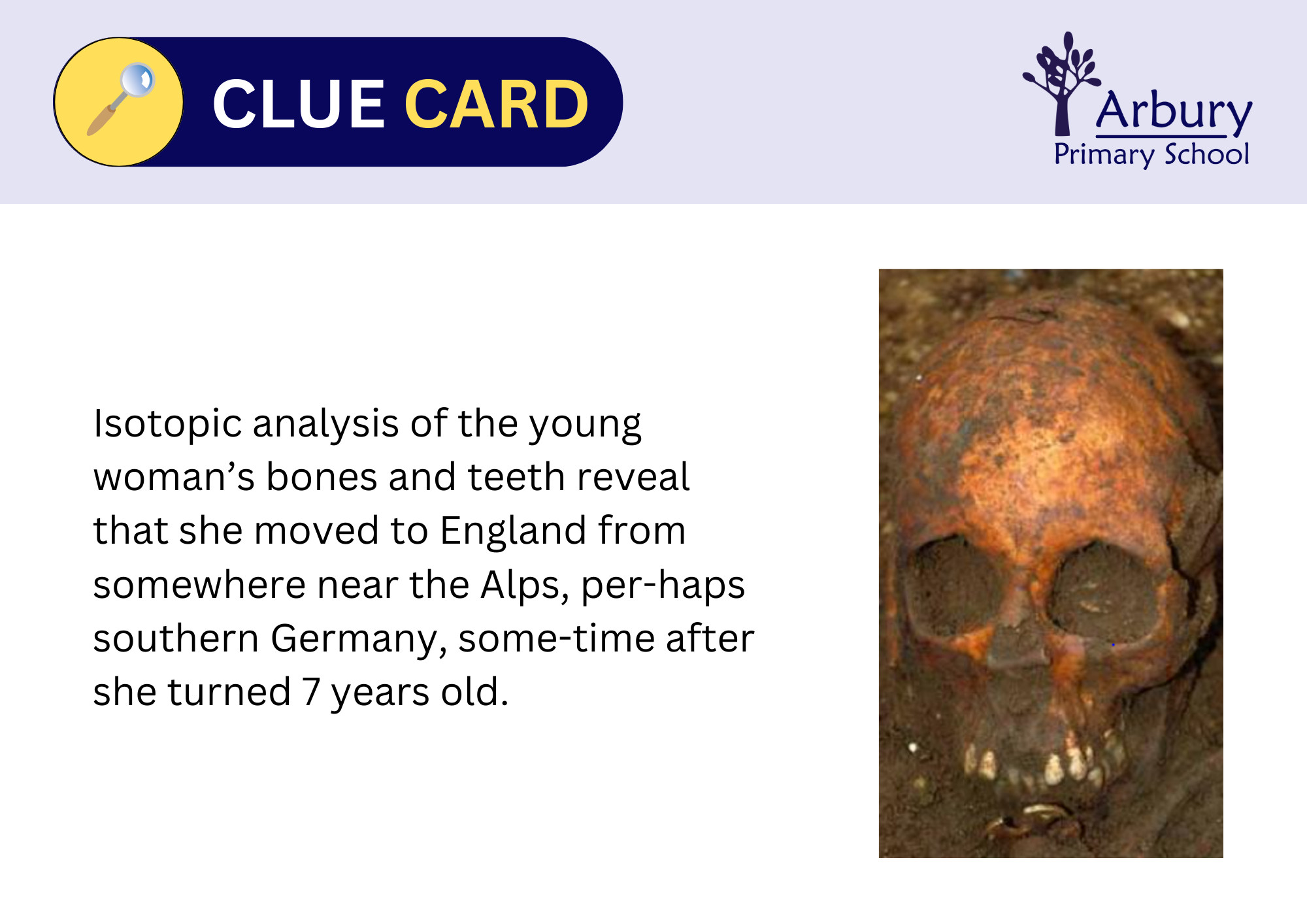
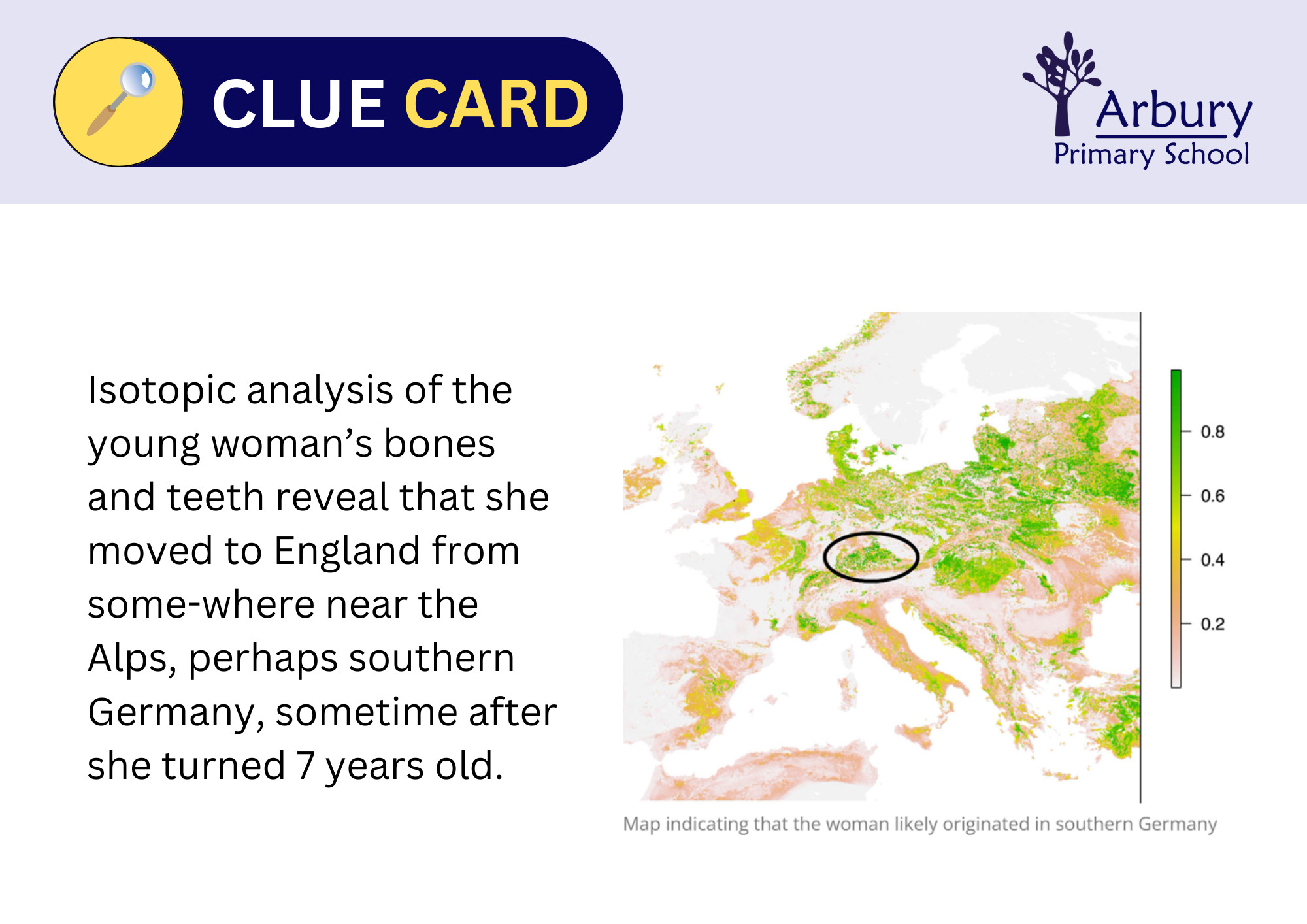
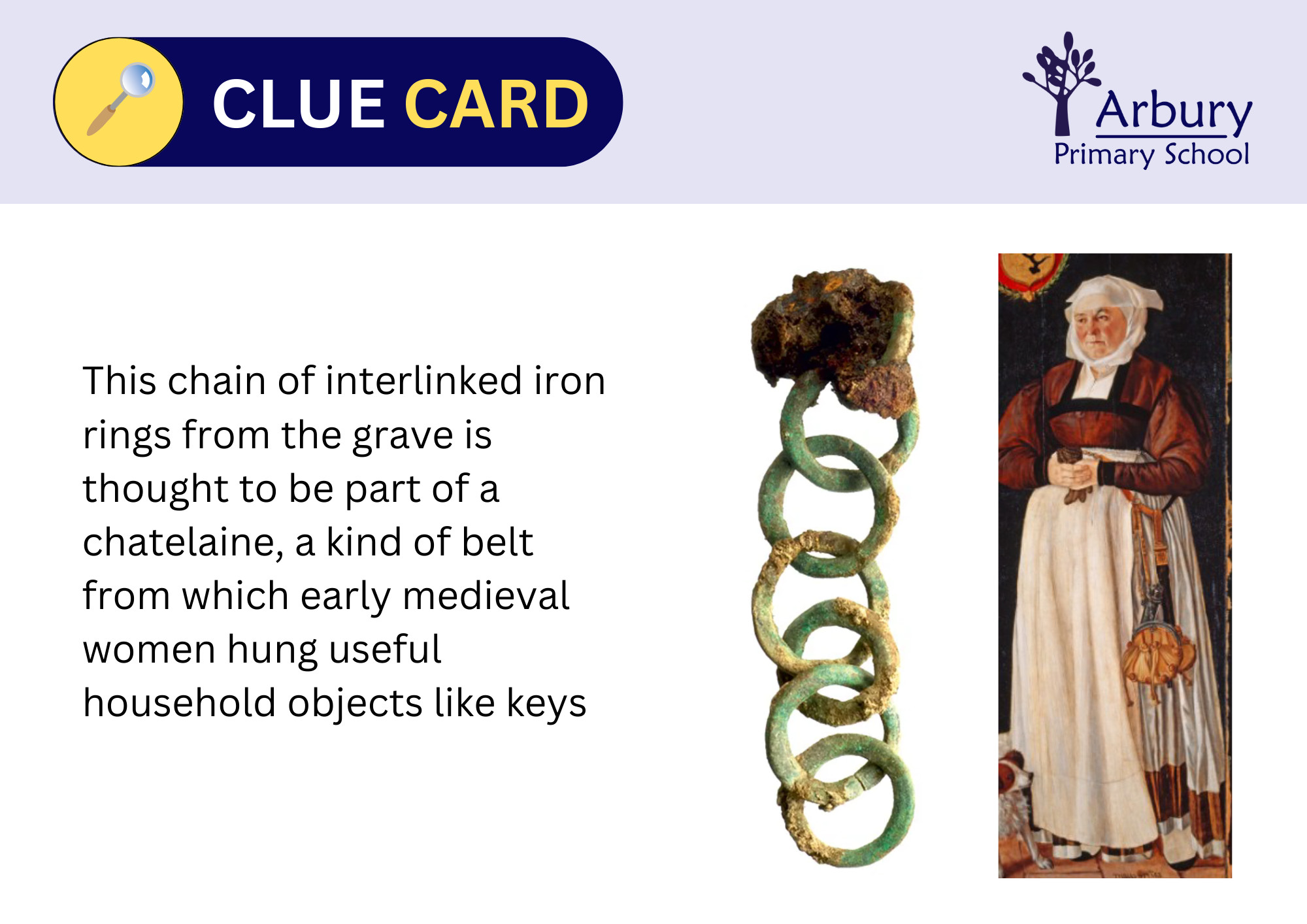
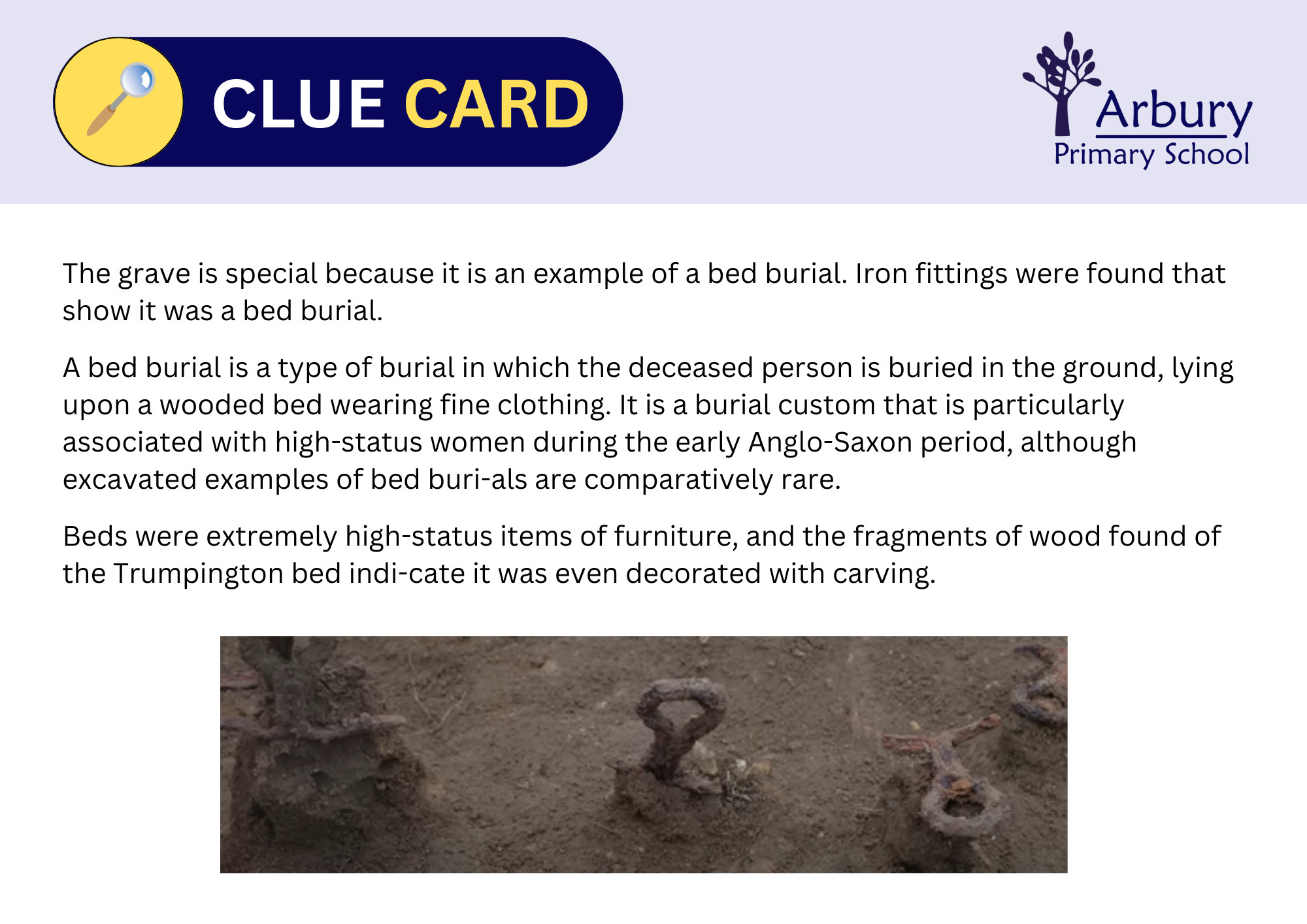
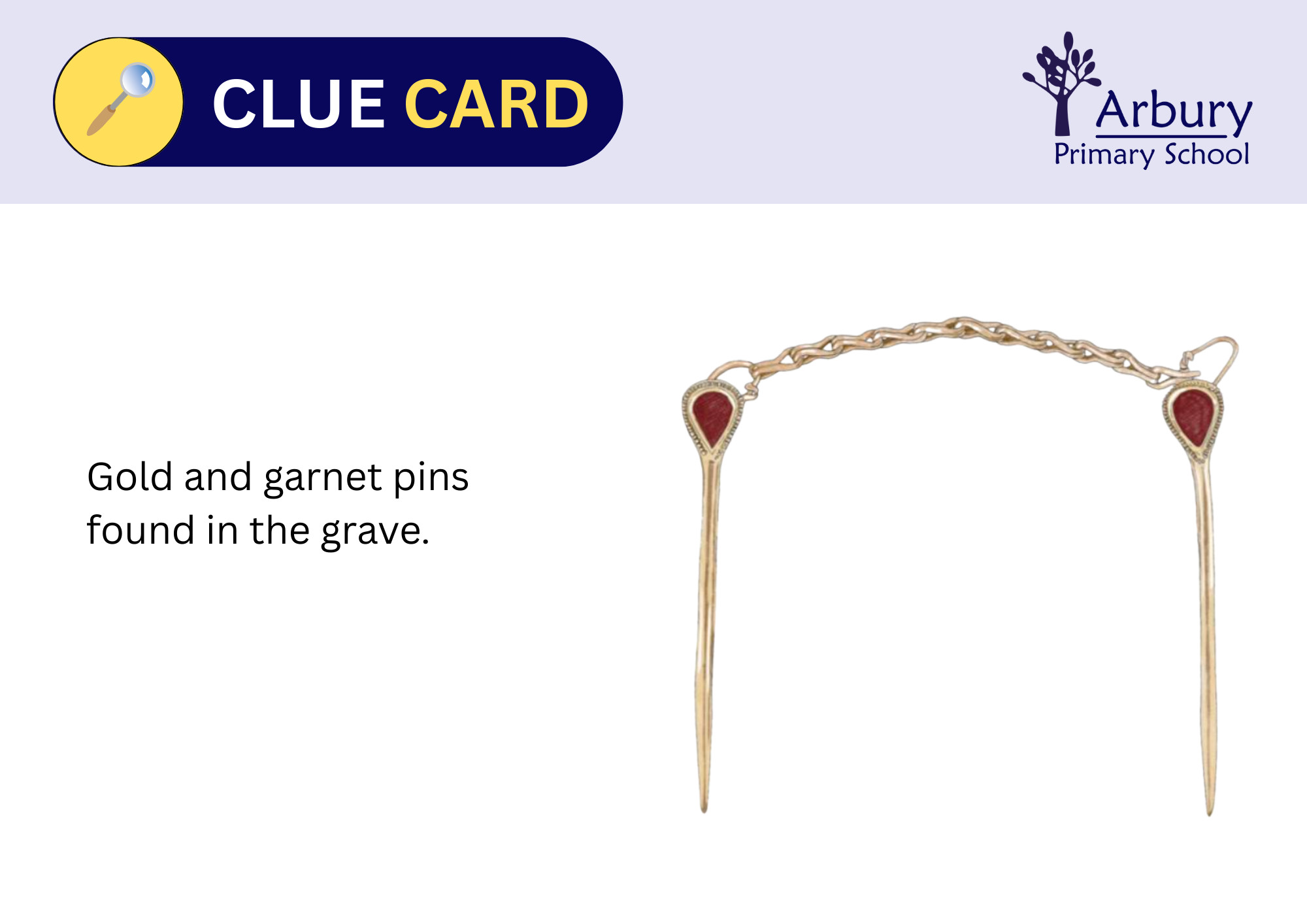
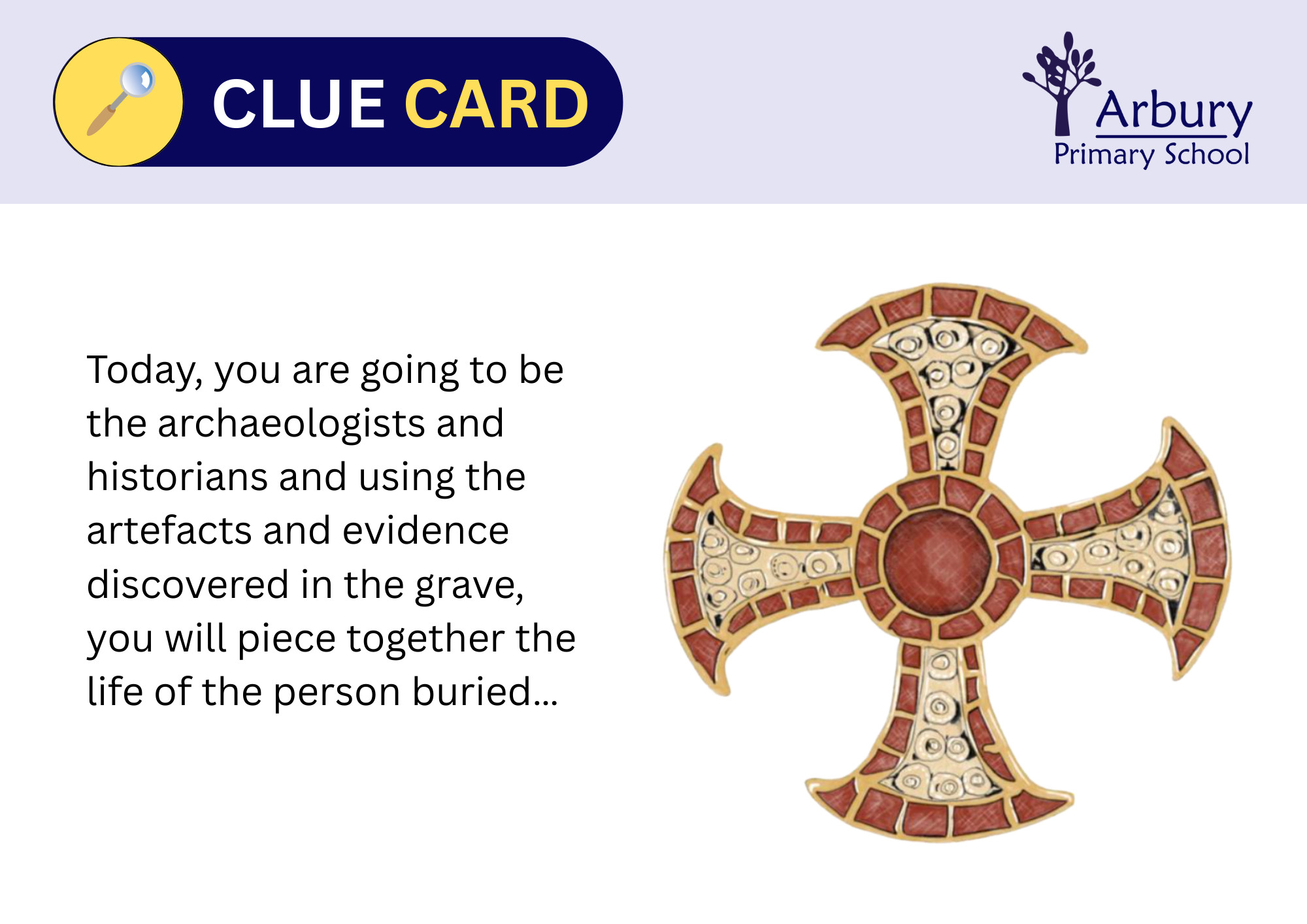
In 2012 during an archaeological dig in south Cambridge the remains of an early Medieval burial were found. A young woman was buried on a wooden bed with her grave goods, including a spectacular gold and garnet cross. Analysis by archaeological scientists led to the discovery that she was originally born in Central Europe and travelled to England as a young girl. Her fabulously rich grave goods and extensive travel have led some to suggest she was of high status and potentially even a princess. Unfortunately, we have no textual sources to corroborate this.
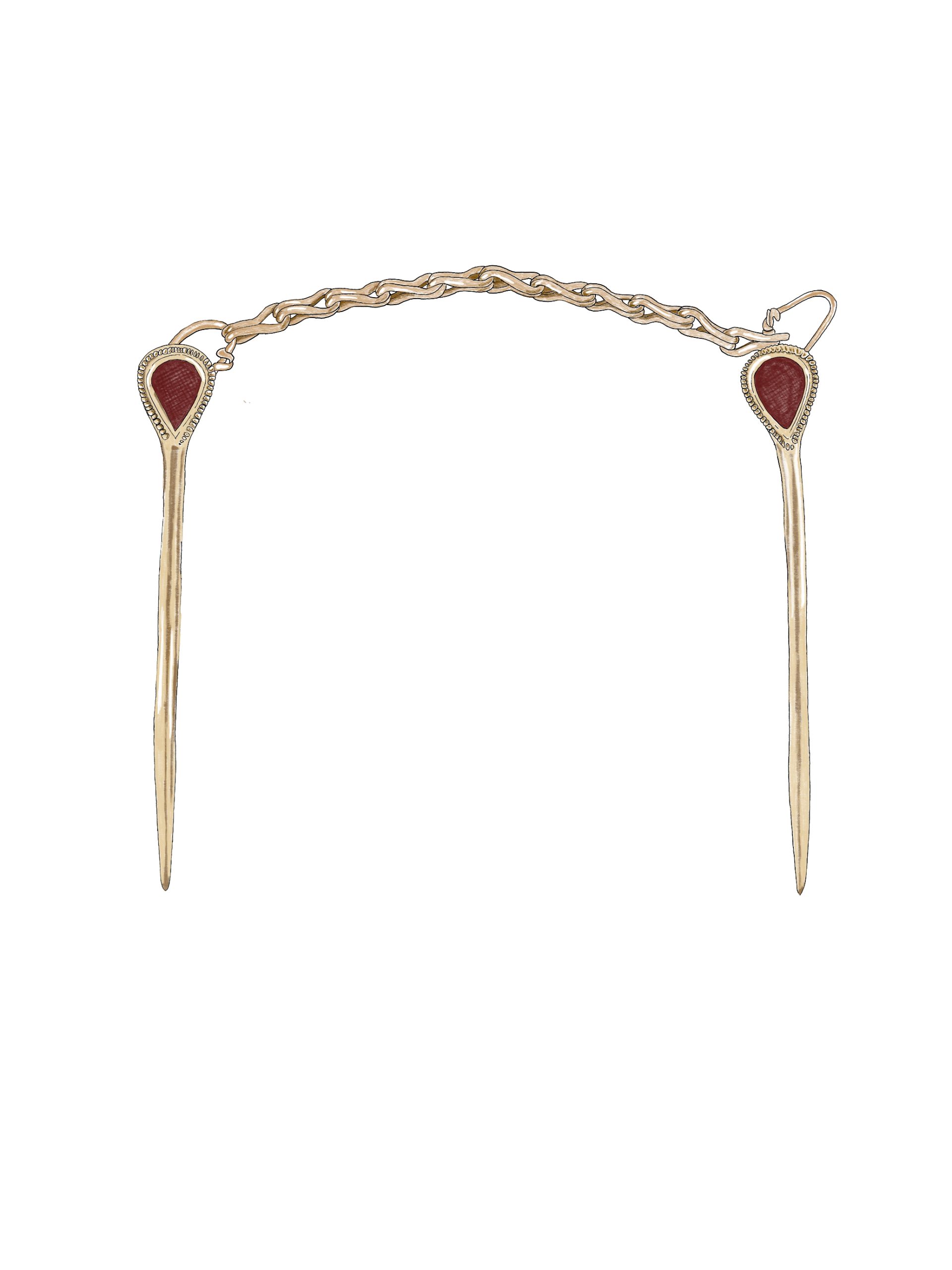
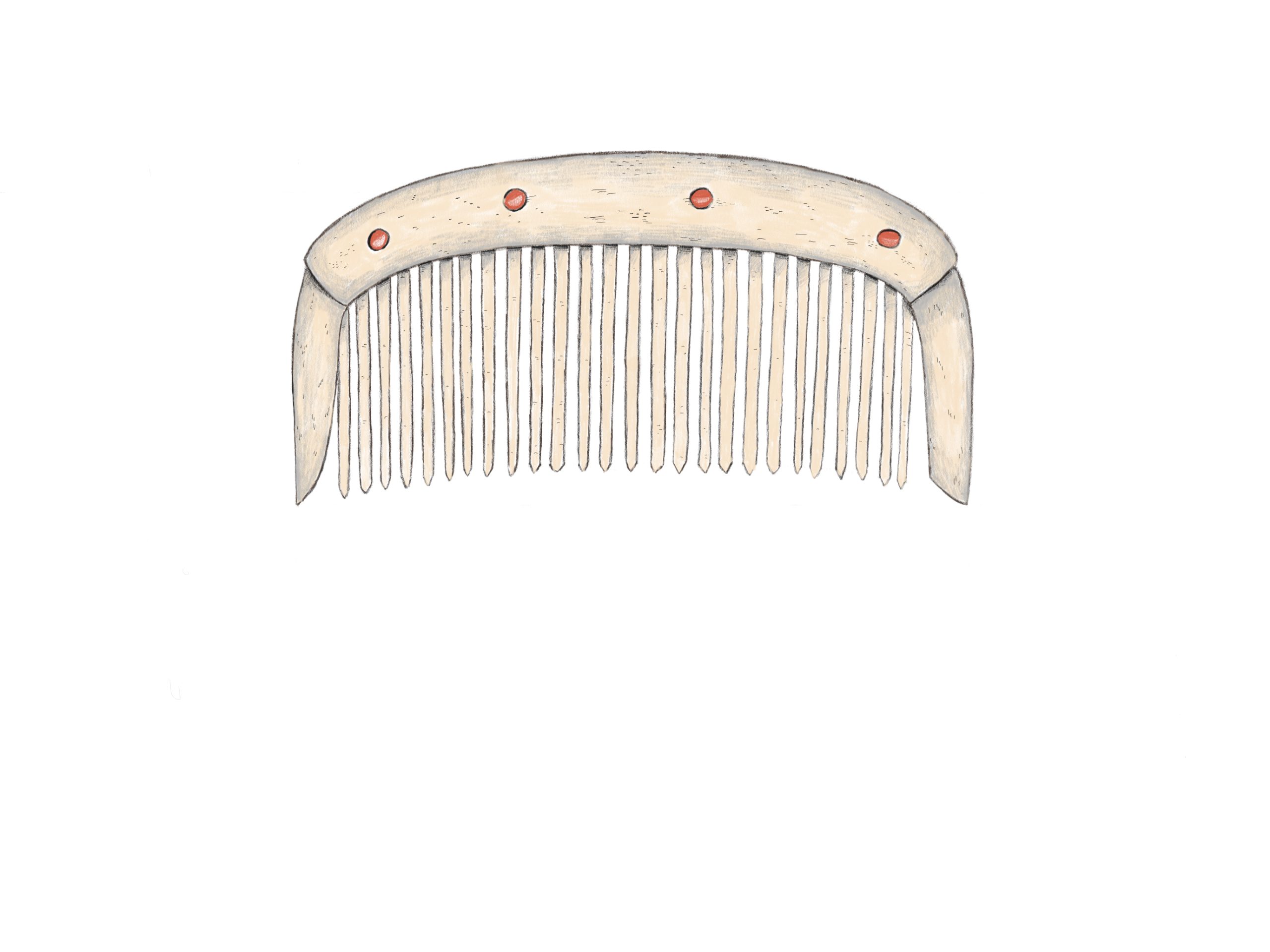
We interviewed Dr Sam Leggett, a bioarchaeologist who conducted the isotopic analysis, about her work on the Trumpington Girl. We also have high quality drawings of each of the grave goods and how they were arranged in her grave drawn by Rob Law from the original artefacts that are free to use. To accompany this we have a lesson plan where children are invited to use the clues to discover more about the burial.
Lesson Presentations
PDF Trumpington Bed Burial Arbury Project
POWER POINT Trumpington Bed Burial Arbury Project
Other resources
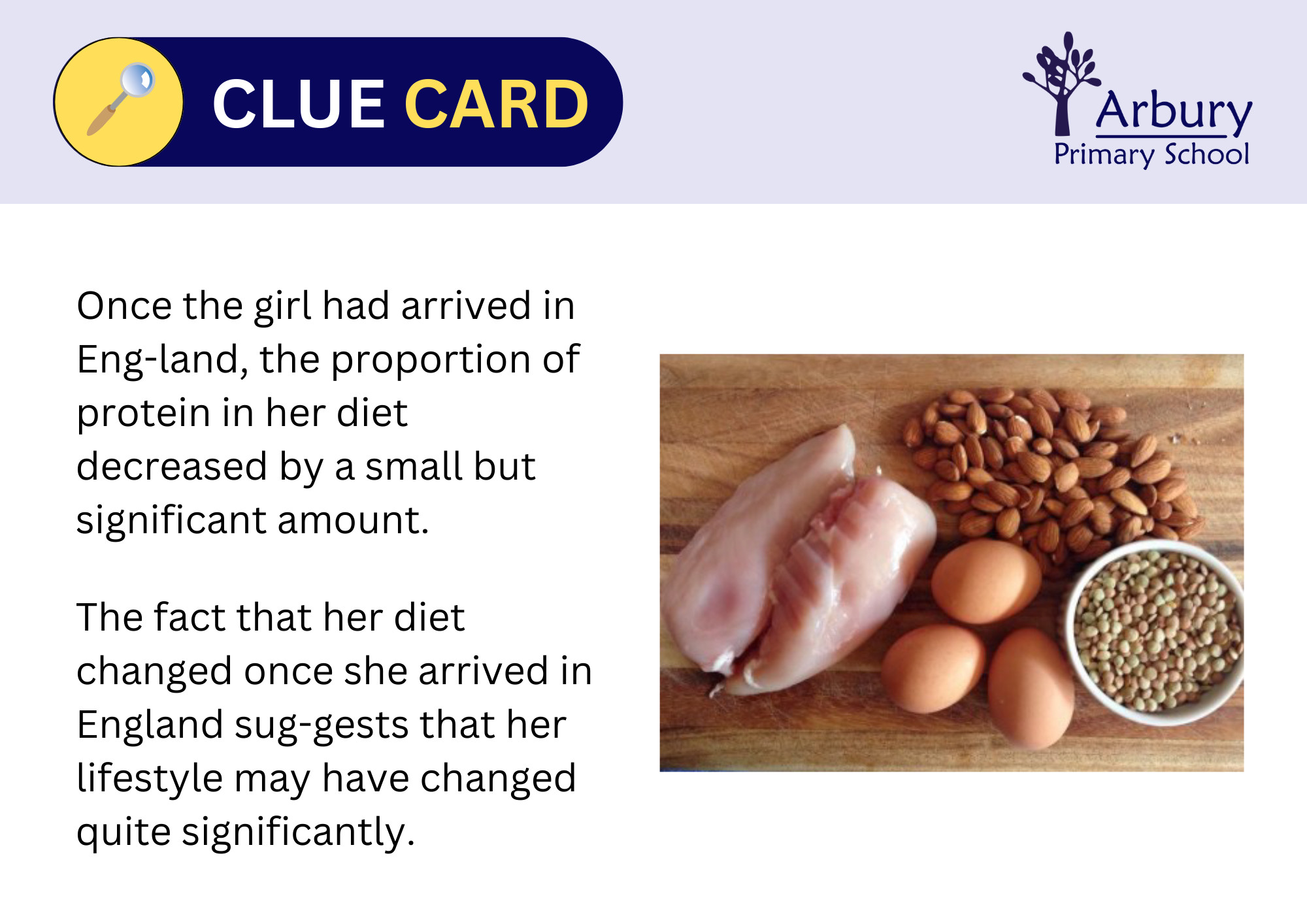
PDF Clue cards Trumpington Bed Burial
Trumpington Bed Burial – grave with grave goods
Additional images
Projects
Contribute
Do you have any information about the people or places in this article? If so, then please let us know using the Contact page or by emailing capturingcambridge@
Licence
This work is licensed under CC BY-NC-SA 4.0