Search by topic
- archaeology
- Building of Local Interest
- chapel
- charity
- church
- crime
- dressmaker
- fire
- Great Eastern Railway
- Listed building
- Mapping Relief
- medieval
- oral history
- poverty
- Public House
- Religious House
- Roman
- scholar
- school
- Then and Now
- tudor
- women
- work
- world war one
- world war two
Search by text
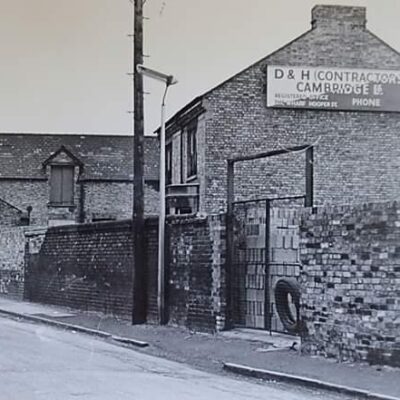
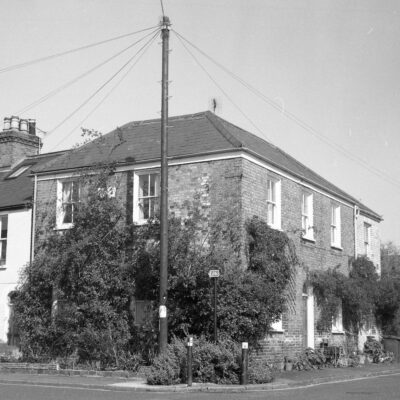
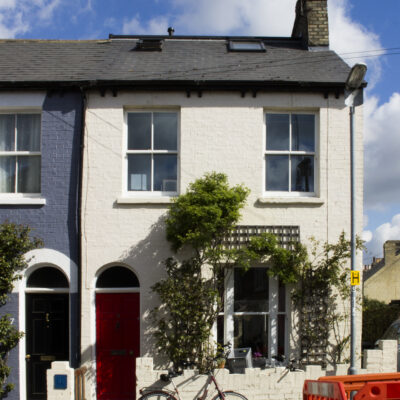
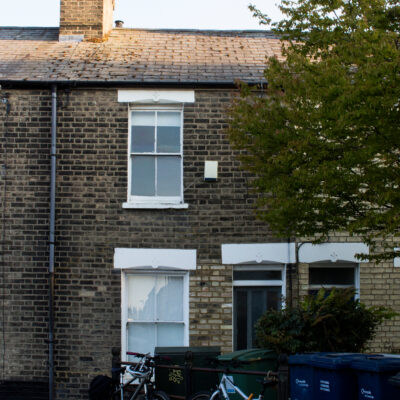
11 Hooper Street
A gardener and a school teacher
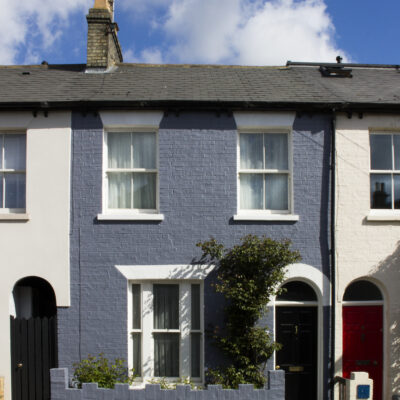
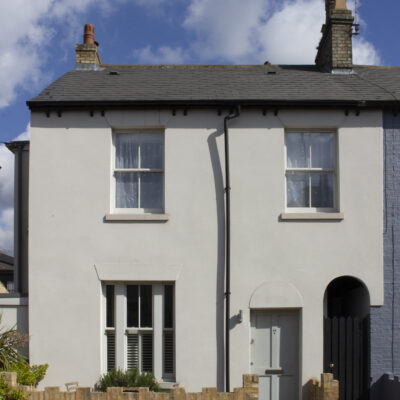
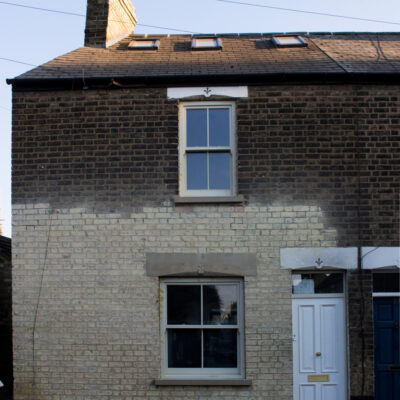
11 Hooper Street is one of an attached pair of cottages, the other being number 12. It was completed by 1881.
1881 census
John Pugh, 60, gardener, b. Cambridge
Rebekah Pugh, 57, b. Fulbourn, Cambridgeshire
1891 census
John Pugh, 69, gardener, b. Cambridge
Rebecca Pugh, 67, b. Fulbourn, Cambridgeshire
1901 census
John Pugh, 79, gardener, b. Cambridge
Rebecca Pugh, 76, b. Fulbourn, Cambridgeshire
1911 census
Walter Pugh, widower, 63, pensioned schoolmaster, b. Cambridge
John Pugh, father, widower, 90, pensioned gardener, b. Cambridge
Mary Elizabeth Long Pugh, daughter, 24, b. Stoke Climsland, Cornwall
John and Rebecca Pugh were the first residents, listed in directories from 1878, and the family continued living in the house for three decades.
They had one child, Walter, born in 1847. Walter became a school teacher and moved away from Cambridge for work, first to Somerset, then Devon, and finally Cornwall. He and his wife Elizabeth, a needlework teacher, had six sons and a daughter.
Rebecca died in 1904 and Elizabeth in 1911. Shortly after Elizabeth’s death, Walter and his daughter Mary moved to Cambridge to look after John at 11 Hooper Street. Later that year John died, aged 91.
Mary Pugh moved back to Cornwall, where she married and settled down near Penzance. Walter died there in 1922 and is buried in the village of Ludgvan.
1921 census
Samuel Duce, head, 31, signal fitter, Great Eastern Railway, Newmarket, b. Bishop’s Stortford
Marian Duce, wife, 31, home duties, b. Cambridge
Cyril Duce, son, 1, b. Cambridge
John Clark, step-son, 6, b. Cambridge
1939 England and Wales register
In 1939 the residents of 11 Hooper Street were Ronald Pearce, a plumber, and his wife Ethel, both born in 1911.
Sources
UK census records (1841 to 1921), General Register Office birth, marriage and death indexes (1837 onwards), the 1939 England and Wales Register, electoral registers and trade directories.
Projects
Contribute
Do you have any information about the people or places in this article? If so, then please let us know using the Contact page or by emailing capturingcambridge@
Licence
This work is licensed under CC BY-NC-SA 4.0