Search by topic
- archaeology
- Building of Local Interest
- chapel
- charity
- church
- crime
- dressmaker
- fire
- Great Eastern Railway
- Listed building
- Mapping Relief
- medieval
- oral history
- poverty
- Public House
- Religious House
- Roman
- scholar
- school
- Then and Now
- tudor
- women
- work
- world war one
- world war two
Search by text
153 Sturton Street, Cambridge
The Family of a Gland Packer
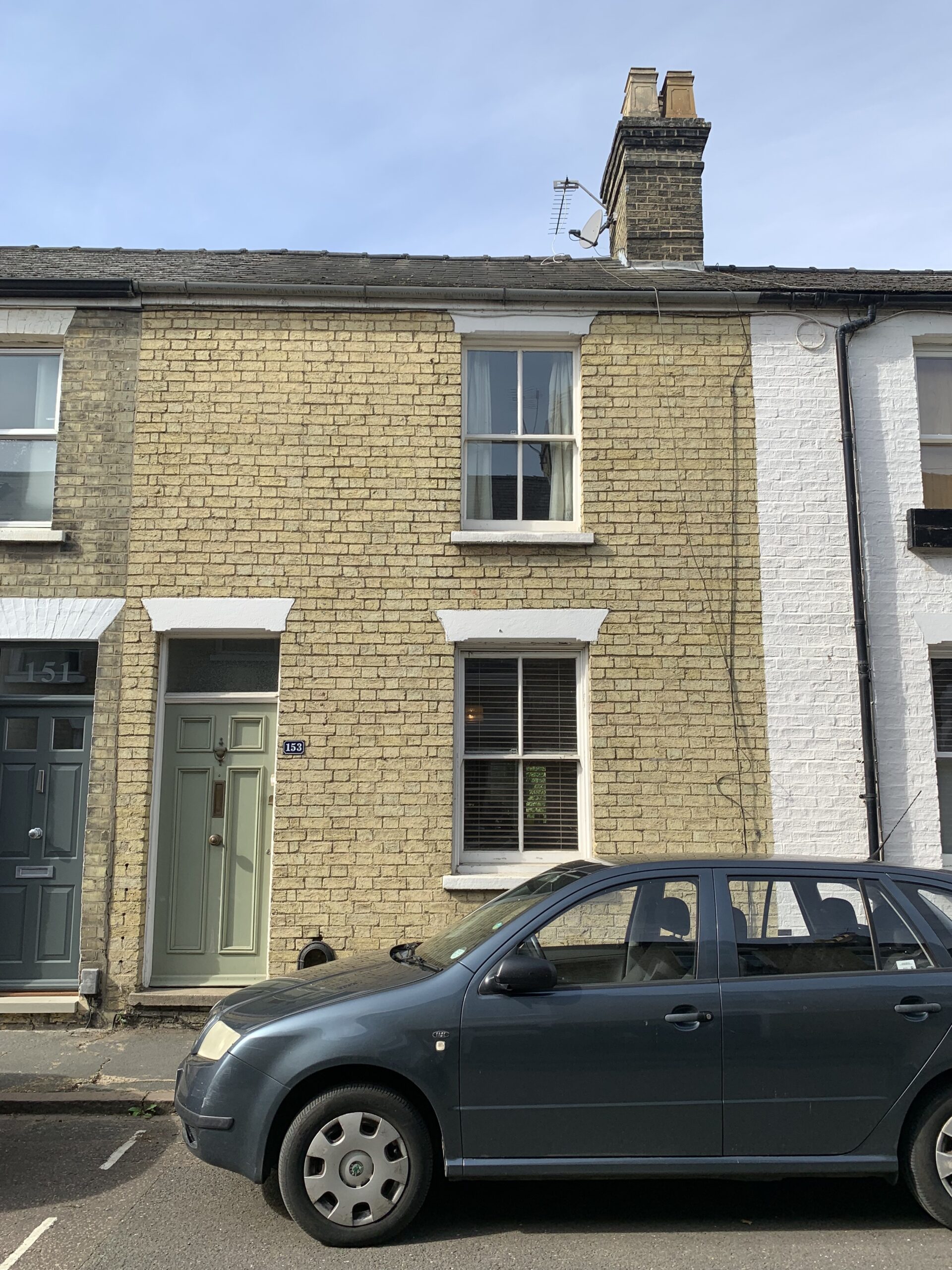
Haylock Cottages
1881
George Harrison, head, married, 58, bricklayers labourer, b. Swaffham, Cambridgeshire
Martha Harrison, wife, married, 45, dressmaker, b. St Ives, Huntingdonshire
Robert Parr, boarder, unmarried, 22, bricklayers labourer, b. Upware, Cambridgeshire
1891
Tom Flack, 27, Locomotive Engine Gland Packer, b. Cambridge
Annie Flack, 27, b. Cambridge
Annie C Flack, 5, Scholar, b. Cambridge
Harry Flack, 5 months, b. Cambridge
John Williamson, 33, Lodger, Police Constable, b. Cambridge
A Gland Packer: “packs glands of steam regulator valves and pump valves of engine with greased hemp or asbestos packing to make steam joints steam-tight or water-tight”
The Flack family have moved to 166 Sturton Street by 1901, taking John the boarder with them.
1901
George Swann, 29, Grocer? b. Cambridge
Alice Swann, 29, b. Cambridge
Maud Swann, 5, b. Cambridge
May Swann, 9 months, b. Cambridge
William Cox, 21, boarder, farrier, b.Norfolk
1911
John Hewitt, head, 43, married, labourer general, b. Wimpole, Cambridgeshire
Sarah Hewitt, wife, 40, married, b. Cambridge
Percy Hewitt, son, 16, errand boy, b. Cambridge
Gwendoline Hewitt, daughter, 9, school, b. Cambridge
Married 17 years, 2 children
Sources: 1881, 1891, 1901, 1911 UK Census, A Dictionary of Occupational Terms Based on the Classification of Occupations used in the Census of Population, 1921
Projects
Contribute
Do you have any information about the people or places in this article? If so, then please let us know using the Contact page or by emailing capturingcambridge@
Licence
This work is licensed under CC BY-NC-SA 4.0