Search by topic
- archaeology
- Building of Local Interest
- chapel
- charity
- church
- crime
- dressmaker
- fire
- Great Eastern Railway
- Listed building
- Mapping Relief
- medieval
- oral history
- poverty
- Public House
- Religious House
- Roman
- scholar
- school
- Then and Now
- tudor
- women
- work
- world war one
- world war two
Search by text
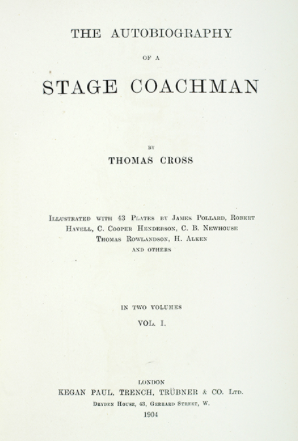 The Autobiography of a Stage Coachman by Thomas Cross
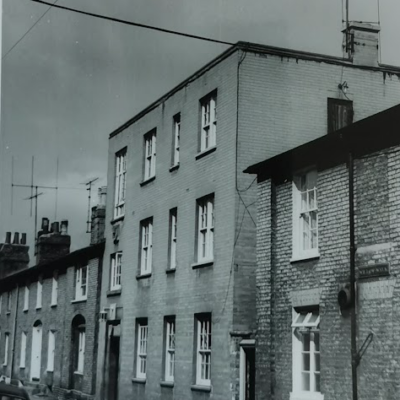
14 Willow Walk
History of 14 Willow Walk
1851
Thomas Cross, 60, out of employment, b Hants
Louisa, 50, b Herts
Richard Francis, 15, b Cambridge
Thomas John, 13, b Cambridge
Lewis Philip, 12, b Cambridge
Edwin James, 8, b Cambridge
Constance Jane, 6, b Cambridge
Romilly wrote 21 Nov 1853 in his diary:
Cross the Coachman called upon me and showed himself a very great fool. He wished me to obtain for him the means of seeing the Prince that he might remind him of the Poems he had sent him (handsomely bound): I told him that it was altogether out of the question … Might he call on Dr Whewell about the business? I most strongly dissuaded so rash a piece of impertinence: I afterward learned from Lucy that this cidevant coachman bears a very bad character and has been 4 times in prison! He is a candidate for a place in the Fitzwilliam Museum …..
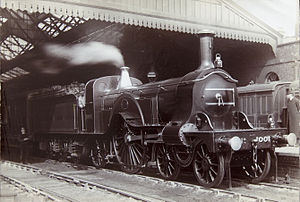
Romilly’s editor notes: Cross was a local ‘character’ of some education who, having lost his living as a stagecoachman because of the railways, had turned to hawking his own poetical compositions of a religious and historical kind. Not devoid of merit, they attracted the attention of dons and undergraduates. In 1855 he was to be runner up to Pink for the new post of town librarian. In his Autobiography (1861) Cross includes an anecdote that shows Romilly more kindly disposed towards him.
1861
Sarah Hinson, 57, formerly tailoress, b Suffolk
1913
E Wootten
Mrs Wootten, bedmaker
Projects
Contribute
Do you have any information about the people or places in this article? If so, then please let us know using the Contact page or by emailing capturingcambridge@
Licence
This work is licensed under CC BY-NC-SA 4.0