Search by topic
- archaeology
- Building of Local Interest
- chapel
- charity
- church
- crime
- dressmaker
- fire
- Great Eastern Railway
- Listed building
- Mapping Relief
- medieval
- oral history
- poverty
- Public House
- Religious House
- Roman
- scholar
- school
- Then and Now
- tudor
- women
- work
- world war one
- world war two
Search by text
Workshop: The Council of All Beings
Guest event: the work that reconnects
Throughout The Trials of Democracy project, participants raised the importance of nature being included in a thriving democracy many times: ‘what about the rights of the river?’, ‘how does the voice of nature get heard’?
In response, it was our absolute pleasure to invite Anna McIvor to run this creative workshop – The Council of All Beings – as a guest event at the If You’re Not At The Table You’re On The Menu weekend event.
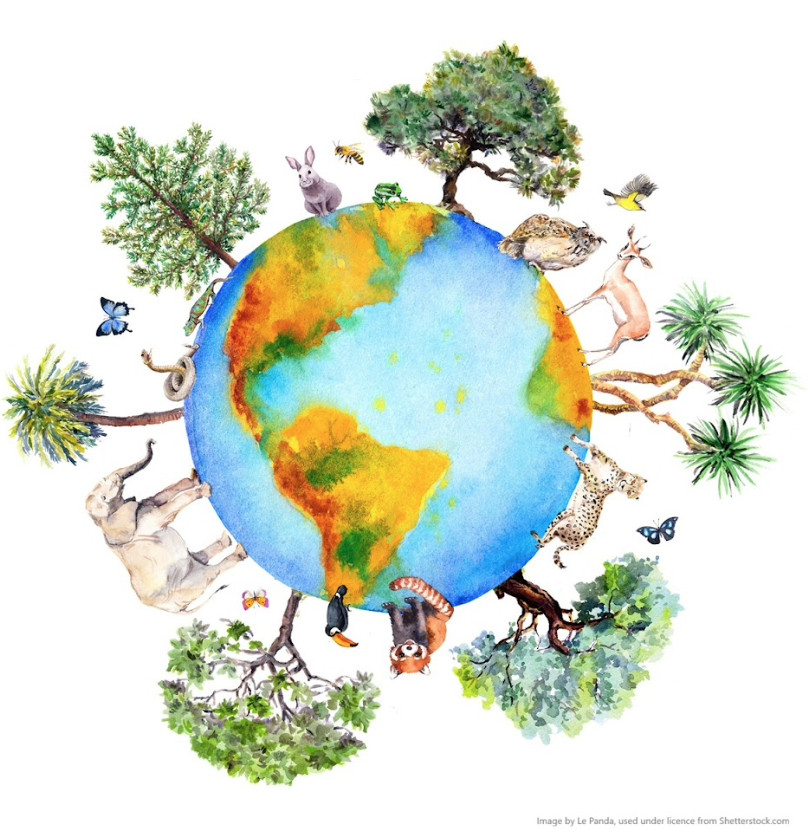
“We meet in council because our planet is in trouble; our lives and our ancient ways are endangered. It is fitting that we confer, for there is much now that needs to be said and much that needs to be heard.”
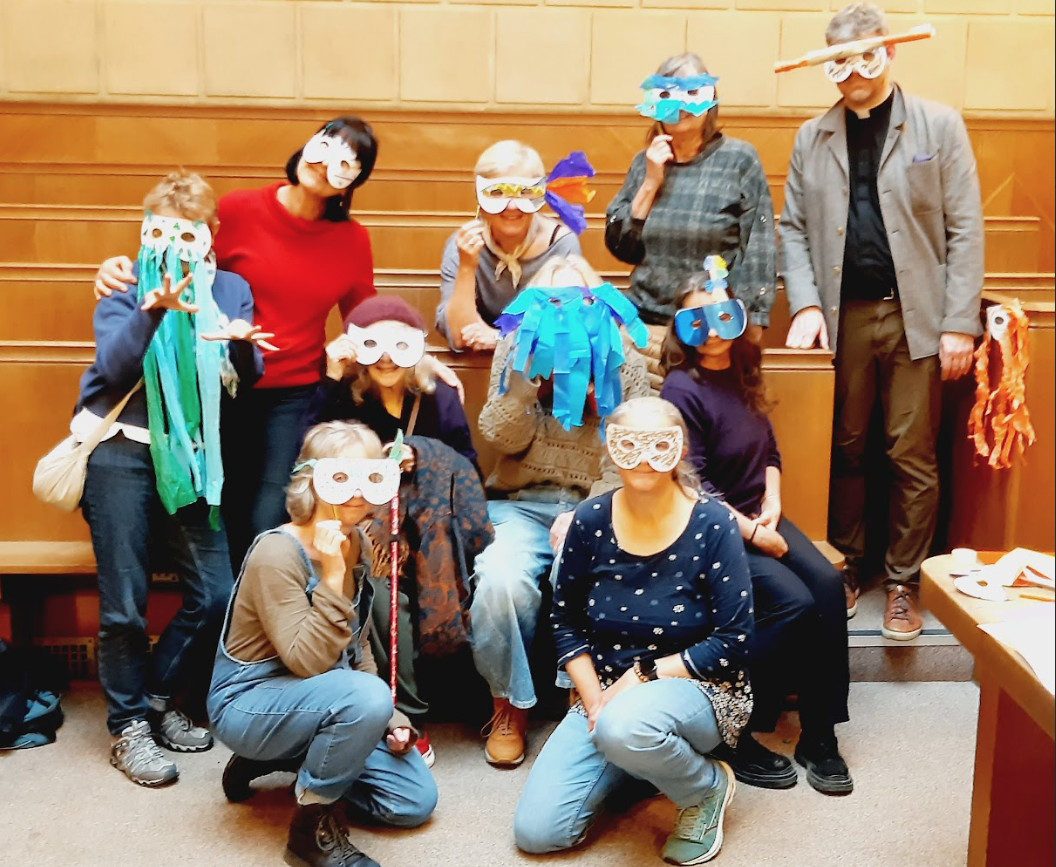
Mike Scaliom – Cambridge Independent
The Council of All Beings workshop was led by Anna McIvor, Chair of Transition Cambridge and a director of The Resilience Web, which invited participants to make and wear the mask of a non-human being: a tree, a field, a flower, a river, a worm, a bird etc. Each being addressed the assembly wearing their mask, detailing the effect of human activity on their life and existence. They then offered humans their strengths and qualities (e.g. the wisdom of a longer perspective, the capacity to flow), to support us in our efforts to restore the planet.
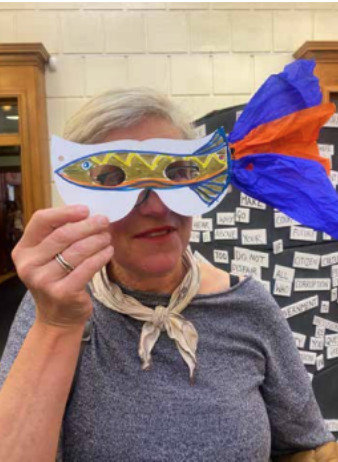
‘I attended the work that reconnects – an hour and a half to become a tree and connect with the water and other animals around me. Thanks to all the creatures and to Anna for bringing us together to speak and listen to each other‘
the work that reconnects
Facilitator Anna McIvor
If you would like to hear more about Transition Cambridge and Anna’s thoughts about Democracy and hopes for the future, she was also featured on our Trials of Democracy Podcast series.
Find out more about The Trials of Democracy
More about public involvement
More of the Exhibition
More about the Performance
Listen to the Democracy Podcasts
This project has been supported by S-106 grant funding from Cambridge City Council
Projects
Contribute
Do you have any information about the people or places in this article? If so, then please let us know using the Contact page or by emailing capturingcambridge@
Licence
This work is licensed under CC BY-NC-SA 4.0