Search by topic
- archaeology
- Building of Local Interest
- chapel
- charity
- church
- crime
- dressmaker
- Great Eastern Railway
- Listed building
- Mapping Relief
- medieval
- oral history
- poverty
- Public House
- railway worker
- Religious House
- Roman
- scholar
- school
- Then and Now
- tudor
- women
- work
- world war one
- world war two
Search by text


16 (2) Bogs Gap Lane, Steeple Morden
History of 16 Bogs Gap Lane
Herbert Godfrey Ilett was born in these cottages in 1914. He describes his life and the community in detail in “A Villager’s Life” (1993).
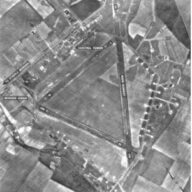
In 1939 Herbert and his new wife Gladys moved to 2 Bogs Gap Lane, later no. 16. Their rent was 4s 9d per week. Herbert recalls early in WWII a stick of six bombs being dropped only 200 and 400 yards away. A land mine was also dropped about 40 yards away leaving a large crater that wasn’t filled in for several years. Wellington bombers from Bassingbourn would fly low over their house on the way out and on their return. UntilHerbert was called up and Gladys returned to live with her mother, various people billets with them.
In February 1941 Herbert joined the 207 Heavy Ack-Ack Regiment Royal Artillery at Devizes, Wiltshire. he was to serve as a driver based in Wanstead, London.
After VE Day Herbert was posted to India in June 1945, only returning home to be demobbed in July 1946. He returned to his job as driver for the Steeple Morden Mill.
Projects
Contribute
Do you have any information about the people or places in this article? If so, then please let us know using the
Contact page or by emailing
capturingcambridge@
Licence
This work is licensed under
CC BY-NC-SA 4.0


 not including content on external links as indicated
by
not including content on external links as indicated
by .
.