Search by topic
- archaeology
- Building of Local Interest
- chapel
- charity
- church
- crime
- dressmaker
- Great Eastern Railway
- Listed building
- Mapping Relief
- medieval
- oral history
- poverty
- Public House
- railway worker
- Religious House
- Roman
- scholar
- school
- Then and Now
- tudor
- women
- work
- world war one
- world war two
Search by text


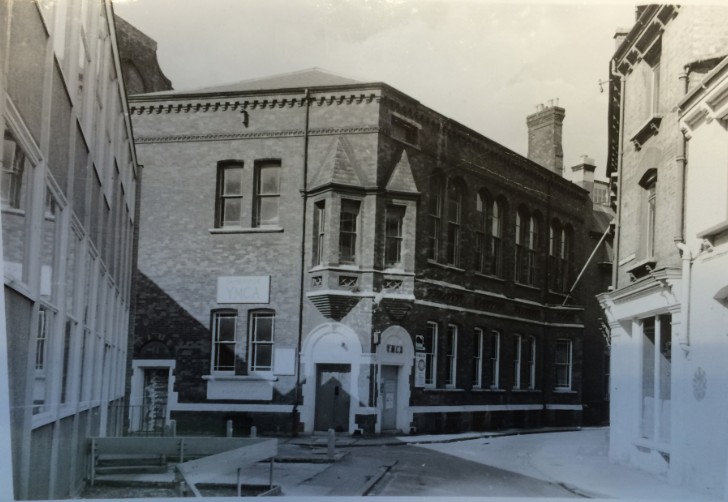 Y.M.C.A. Alexandra Street
YMCA, Alexandra Street, Cambridge
History of the YMCA, Alexandra Street
1868-1871
Josiah Chater describes in detail in his diary how the move of the Y.M.C.A. from St Edward’s Passage to Alexandra Street took place. It was decided to buy a piece of the Red Hart Inn estate behind Petty Cury. Its sale was advertised on behalf of Corpus Christi College. However, they then decided to try and buy off Richard Miller, the wine merchant, a freehold site nearby, on the corner of St Tibbs Row, the site of the old Brazen George Inn. By the end of November a price of £1,110 had been agreed and five guarantors found; by the end of December £1,400 had been raised in promises. Numerous fundraising events were organised – tea parties, lectures and excursions. In May 1869 a Rose Show was held in the garden of G E Foster’s house in Brooklands Avenue.
One controversial event was a lecture given by “Professor Huxley, [Thomas Henry Huxley] an Atheist’ on science. Josiah received a letter of complaint from the Church of England Young Men’s Society; the lecture went ahead and raised £14 18s 8d.
The was a ceremony to mark the laying of the foundations stones on 31st March 1870. On 1st January 1871 Josiah wrote: After dinner went to our New Rooms in Alexandra Street. We had a splendid meeting – an opening address to the young men by Neville Goodman. About 300 were present.
See Enid Porter’s Article: The YMCA
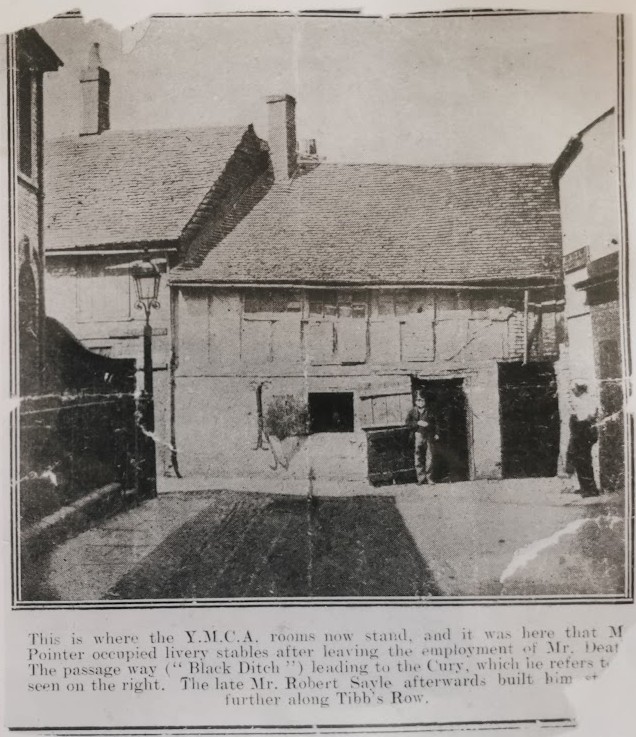
Site of Mr Pointer livery stables in 1869, later Y.M.C.A., before Alexandra Street was opened. On the right is Black Ditch leading to Petty Cury.
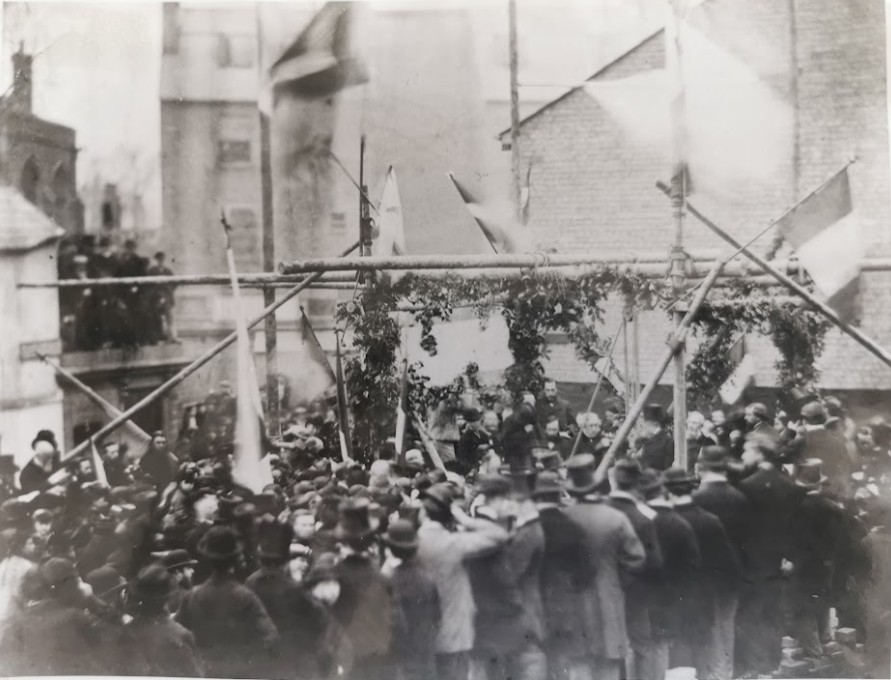
YMCA laying of foundation stone (MoC137/69)
Y.M.C.A. Alexandra Street, from Post Office Terrace
24.10.1902: The members of the Cambridge Y.M.C.A. celebrated their jubilee with a soiree in their rooms in Alexandra Street. 50 years ago the Church of England Young Men’s Society and the Sunday School Teachers’ Institute amalgamated, forming the Association. It settled in Rose Crescent. In 1853 it moved to larger premises at 5, Sidney Street, moving to Hobson Place in 1858 and then St Edward’s Passage. In 1870 the first stone was laid of their present building; it was completed a year later. To call the soiree a success is scarcely adequate; the visitors never had a dull moment from the time they entered the door until the National Anthem brought the evening to a close. (Cam. News)
1913:
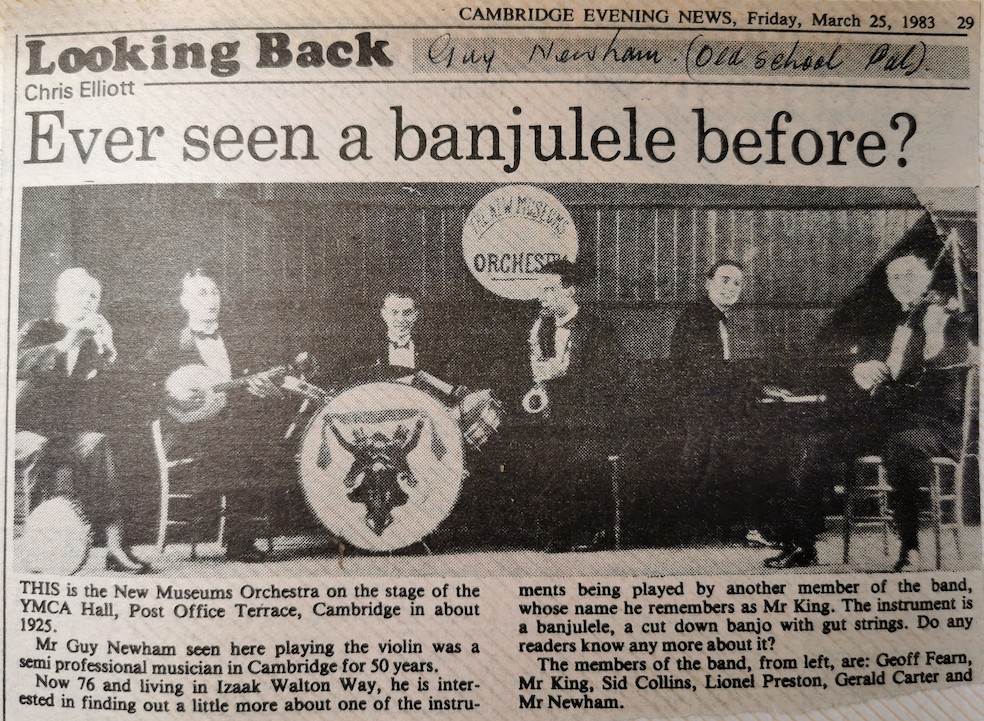
YMCA c. 1925
1939:
1 YMCA
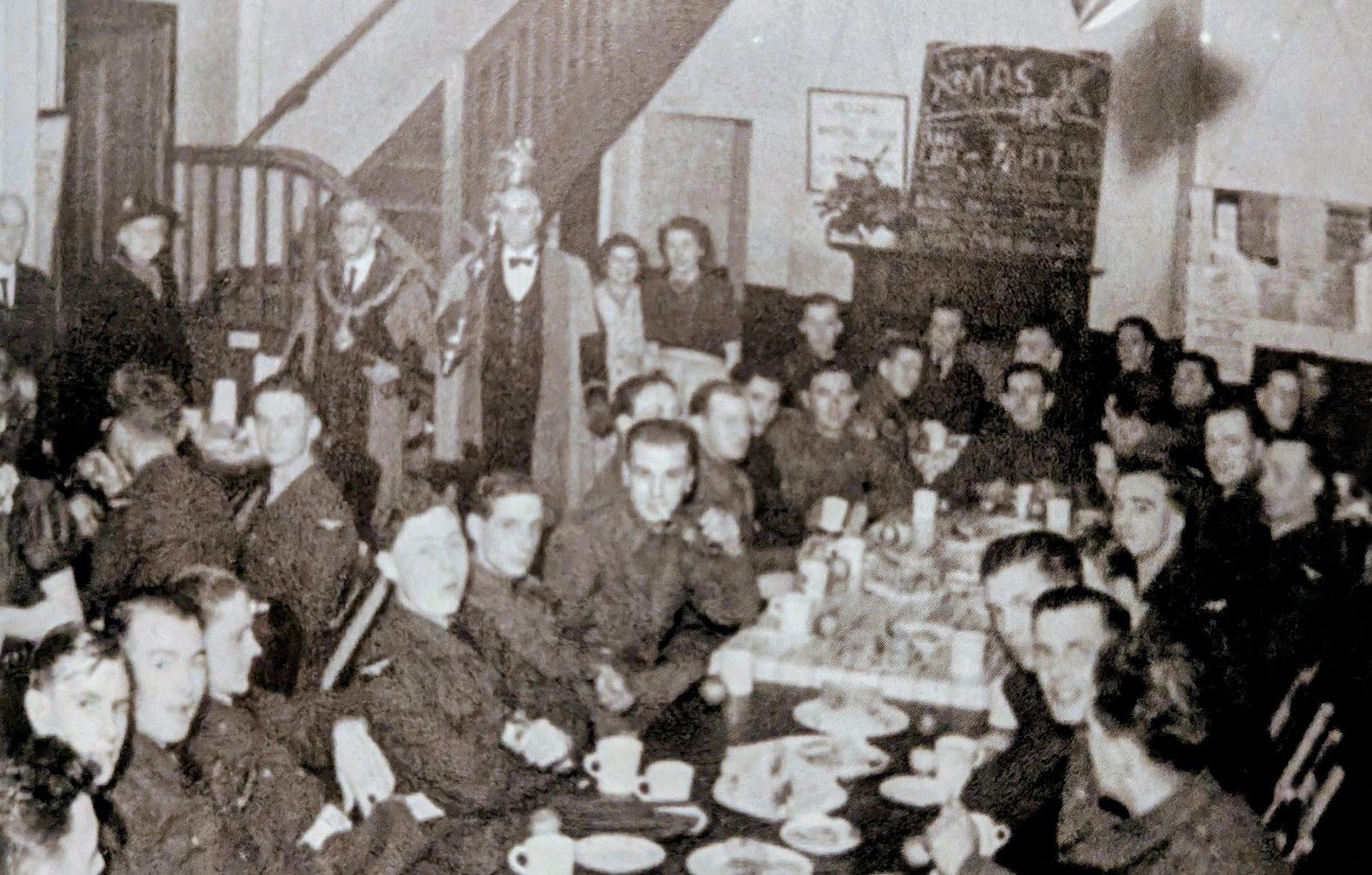
YMCA, Alexandra Street Cambridge, Christmas 1942
1962:
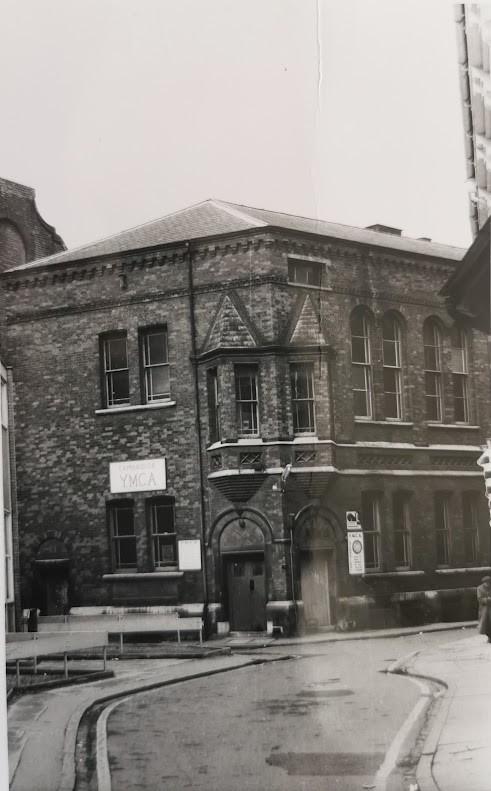
YMCA (MoC64/69)
1972
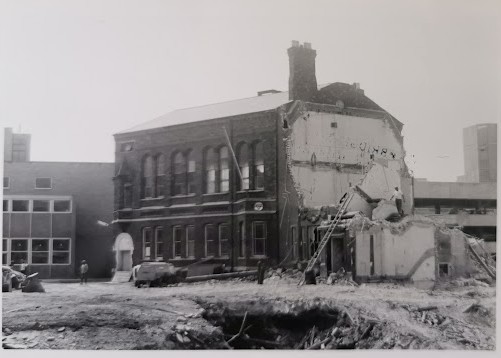
YMCA Alexandra Street prior to demolition (MoC275.72)
Projects
Contribute
Do you have any information about the people or places in this article? If so, then please let us know using the
Contact page or by emailing
capturingcambridge@
Licence
This work is licensed under
CC BY-NC-SA 4.0


 not including content on external links as indicated
by
not including content on external links as indicated
by .
.