Search by topic
- archaeology
- Building of Local Interest
- chapel
- charity
- church
- crime
- dressmaker
- Great Eastern Railway
- Listed building
- Mapping Relief
- medieval
- oral history
- poverty
- Public House
- railway worker
- Religious House
- Roman
- scholar
- school
- Then and Now
- tudor
- women
- work
- world war one
- world war two
Search by text
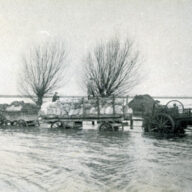
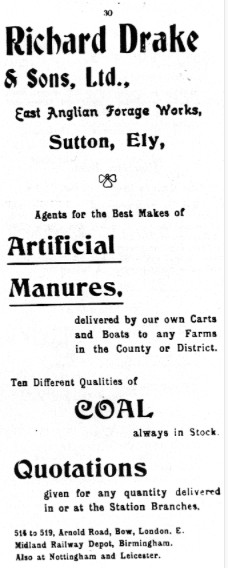 Richard Drake and Sons Ltd, Sutton - Forage Works
Henry Ewart Drake
Henry Ewart Drake interviews
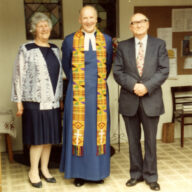
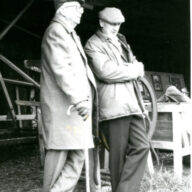
Henry Ewart Drake (1900-1985)
Henry Ewart Drake, born 1900 and died 1985, interviewed by his great nephew, Kevin Delanoy in 1980, in retirement at Hunstanton.
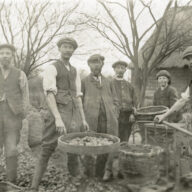
Ewart, as he was known, was the grandson of the steam entrepreneur Richard Drake of Sutton in the Isle. The Drake Empire employed around a hundred men at the turn of the century. They also manufactured Nosey, a food for horses made from heating hay and straw with molasses etc. The railway at Sutton brought in raw materials and the resultant horse-feed was sent by train to London where the firm’s HQ were at Bow.
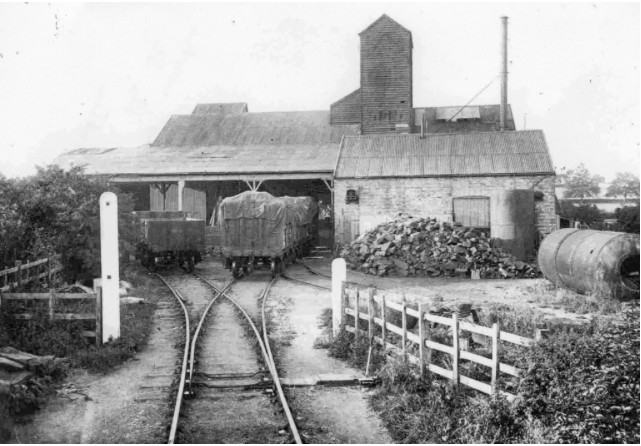
Richard Drake and Sons Ltd, Sutton – Forage Works
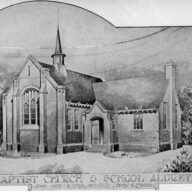
Family disagreements meant that Ewart’s father left the family business after WWI and set up in Ely as a taxi and haulage firm. Ewart’s father realised that the internal combustion engine would supersede horse power and he developed the lorry haulage firm at Ely which was nationalised by the Labour government in 1948. Ewart took meagre employment with a farm fertilizer firm. Throughout his life, like his uncles and cousins before him, he was an active member of the Methodist church. Of interest to note is that Richard, his paternal grandfather, contributed a lot of funding to the building of Sutton chapel, soon to be turned into residential development. More can be read about the Drakes in the publication “Bog Oak Country” by Lorna Delanoy & Valerie Bloye (2003)
The 9 audio clips are 3 to 13 minutes long.
Henry Ewart Drake 1.mp3
Henry Ewart Drake 2.mp3
Henry Ewart Drake 3.mp3
Henry Ewart Drake 4.mp3
Henry Ewart Drake 5.mp3
Henry Ewart Drake 6.mp3
Henry Ewart Drake 7.mp3
Henry Ewart Drake 8.mp3
Henry Ewart Drake 9.mp3
All audio and photographic material Copyright © 1970-2016 Lorna Delanoy
Projects
Contribute
Do you have any information about the people or places in this article? If so, then please let us know using the Contact page or by emailing capturingcambridge@
Licence
This work is licensed under CC BY-NC-SA 4.0