Search by topic
- archaeology
- Building of Local Interest
- chapel
- charity
- church
- crime
- dressmaker
- Great Eastern Railway
- Listed building
- Mapping Relief
- medieval
- oral history
- poverty
- Public House
- railway worker
- Religious House
- Roman
- scholar
- school
- Then and Now
- tudor
- women
- work
- world war one
- world war two
Search by text


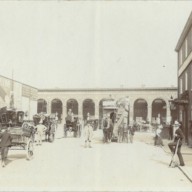
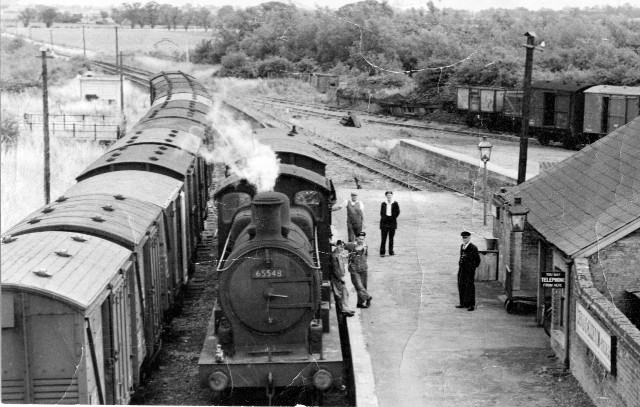 Haddenham Railway Station. Closed in 1962
Railway Cambridge and Working Life
The arrival of the railway transformed Cambridge, driving industrial growth, new housing, and the everyday lives of working people across the town.
Railway Cambridge and Working Life: Industry, Housing and Everyday Experience
The coming of the railway to Cambridge in 1845 marked a turning point in the city’s history. It connected Cambridge to national networks of trade and travel, bringing new opportunities for employment and reshaping the physical layout of the town.
Railway development encouraged the growth of new districts beyond the historic centre. Areas such as Petersfield and Romsey Town expanded rapidly, with terraced housing built for railway workers, labourers, and their families. Streets like Gwydir Street and Argyle Street reflect this period of intense urban growth.
Alongside housing, the railway supported the development of industry and services. Goods yards, depots, and related businesses formed part of a growing local economy that was increasingly distinct from the University. This marked an important shift in the balance between “Town and Gown”, strengthening the identity of Cambridge as a working town.
Everyday life in these areas was shaped by work, community, and proximity to the railway. Oral histories, photographs, and local records capture the experiences of those who lived and worked in these neighbourhoods, offering insight into the rhythms of working Cambridge.
Today, the legacy of the railway can still be seen in the city’s streets, housing, and patterns of development. This theme brings together sites that illustrate the growth of industrial Cambridge and the lives of its residents.
1. Arrival and Impact of the Railway
(formation of the railway and its early influence)
Cambridge Railway Station (Station Road)
Station Road (early development)
Great Eastern Railway in Cambridge
Hills Road bridge / early rail crossings
2. Railway Workers and Working Life
(employment, depots, everyday labour)
Coldham’s Lane railway sidings
Romsey Town (as a railway workers’ district)
3. Suburban Growth and Communities
(how the railway shaped where people lived)
Romsey Town (streets such as Ross Street, Mill Road area)
Petersfield (railway-adjacent housing and terraces)
4. Decline and Modern Change
(20th century contraction and present-day use)
Beeching closures affecting Cambridgeshire lines
Cambridge Science Park (commuter patterns)
Guided Busway (on former railway alignments)
Projects
Contribute
Do you have any information about the people or places in this article? If so, then please let us know using the
Contact page or by emailing
capturingcambridge@
Licence
This work is licensed under
CC BY-NC-SA 4.0


 not including content on external links as indicated
by
not including content on external links as indicated
by .
.