Search by topic
- archaeology
- Building of Local Interest
- chapel
- charity
- church
- crime
- dressmaker
- Great Eastern Railway
- Listed building
- Mapping Relief
- medieval
- oral history
- poverty
- Public House
- railway worker
- Religious House
- Roman
- scholar
- school
- Then and Now
- tudor
- women
- work
- world war one
- world war two
Search by text


Railways in Cambridge
The arrival of the railway in Cambridge transformed the town’s economy, population, and layout, strengthening its independence from the University and reshaping everyday life.
The railway reached Cambridge in 1845, linking the town more directly with London and other parts of the country. This connection marked a major turning point in the city’s development, bringing increased trade, mobility, and economic opportunity.
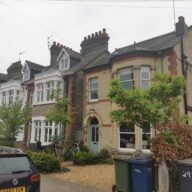
The establishment of Cambridge railway station to the south of the historic centre encouraged expansion into previously undeveloped areas. New streets and districts, including Petersfield and Romsey Town, grew rapidly to house railway workers and those employed in related industries.
Railways supported the growth of local industry, enabling goods to be transported more efficiently and encouraging businesses to develop beyond the traditional university economy. This helped strengthen the identity of Cambridge as a working town as well as an academic centre.
At the same time, the railway changed patterns of movement within the city, connecting Cambridge more closely to national networks while also reshaping local transport and daily life.
Today, the legacy of the railway can be seen in the layout of streets, residential areas, and industrial sites, reflecting a key moment in the balance between “Town and Gown”.
Projects
Contribute
Do you have any information about the people or places in this article? If so, then please let us know using the
Contact page or by emailing
capturingcambridge@
Licence
This work is licensed under
CC BY-NC-SA 4.0


 not including content on external links as indicated
by
not including content on external links as indicated
by .
.