Search by topic
- archaeology
- Building of Local Interest
- chapel
- charity
- church
- crime
- dressmaker
- Great Eastern Railway
- Listed building
- Mapping Relief
- medieval
- oral history
- poverty
- Public House
- railway worker
- Religious House
- Roman
- scholar
- school
- Then and Now
- tudor
- women
- work
- world war one
- world war two
Search by text


Tenison Road, Cambridge
Tenison Road developed in the late 19th century as part of Cambridge’s railway-driven expansion. Close to the station, it became a residential street for clerks, tradespeople, and railway workers.
Overview
Tenison Road lies just south of Cambridge railway station and formed part of the planned suburban development that followed the arrival of the railway in 1845. Previously open land, the area was laid out with new streets to accommodate a growing urban population.
Its location made it one of the key residential streets serving the expanding station district.
Railway Influence
The proximity of Tenison Road to the railway shaped its early character. Many residents were connected directly or indirectly with railway employment, while others used the station for commuting and business travel.
The street illustrates how improved transport links encouraged new patterns of work and mobility in Victorian Cambridge.
Housing and Layout
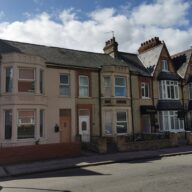
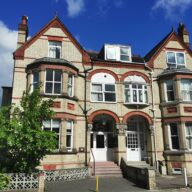
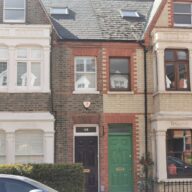
Tenison Road is characterised by rows of late Victorian terraced houses, built to meet demand for housing close to the station. The properties were typically modest but well-ordered, forming part of a wider grid of streets in the Petersfield area.
This layout created a structured suburban environment distinct from the irregular streets of the historic centre.
Community and Change
Over time, Tenison Road has remained a residential street, though its social composition has evolved. Improved housing conditions, changing employment patterns, and the continuing importance of the railway have all influenced its development.
Today, the street retains its historic character while reflecting the broader changes in Cambridge’s urban life.
Projects
Contribute
Do you have any information about the people or places in this article? If so, then please let us know using the
Contact page or by emailing
capturingcambridge@
Licence
This work is licensed under
CC BY-NC-SA 4.0


 not including content on external links as indicated
by
not including content on external links as indicated
by .
.