Search by topic
- archaeology
- Building of Local Interest
- chapel
- charity
- church
- crime
- dressmaker
- Great Eastern Railway
- Listed building
- Mapping Relief
- medieval
- oral history
- poverty
- Public House
- railway worker
- Religious House
- Roman
- scholar
- school
- Then and Now
- tudor
- women
- work
- world war one
- world war two
Search by text


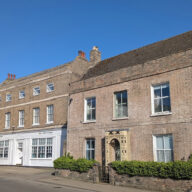
95 High Street, March
History of 95 High Street
1939
Harry Burn, managing clerk for solicitors King and Sharman, b 1889, special constable controller
Minnie, b 1888
John H, b 1915, law student
In 1991 Molly John recalled in ‘Fenland Past and Present’ incident in World War Two:
ONE woman who remembers well the effect the war had on the Fens and its people is Molly John, 60, who lives in March. She recalls the establishment of the Women’s Voluntary Service in the town:
It was 1940 and the trains were stopping at March railway station loaded with tired, hungry and thirsty soldiers who had just returned from the beaches of Dunkirk. Some were clothed only in blankets.
The ladies who lived in the houses which were then directly opposite the booking office of the station were doing their best to provide all the boys with hot tea and sandwiches.
On one of these occasions, Mrs Truman, wife of the local veterinary surgeon, who was on the platform waiting for a relative to arrive, saw this pathetic sight and the struggling ladies and decided that something must be done.
Mrs Truman was a very well known lady in the town and together with Mr Harry Burn, managing clerk for King and Sharman, the local solicitors, and Mrs Burn, they called a meeting of all local ladies interested in helping the war effort.
I remember attending this meeting with my mother and her three sisters, which was held in the railway band room, which as in the stationyard next to what is now the BRAZA Club. From this meeting, the March branch of the WVS was born.
I have many memories of those years. Mum and I would very often get up in the middle of the night when a troop train was expected to stop to serve them with tea.
When we were very busy with a long train and the cups ran out, jam jars were brought into use, but the boys didn’t mind.
For security reasons, the stations had no boards displayed, nor were there any road signs. The soldiers would ask: “Where are we?” and when we said “March”, the answer was always: “Next stop April!”
I remember vividly one occasion when a soldier shot his finger off in the rest room because he wanted to avoid going abroad.
On another occasion, four soldiers came in handcuffed together, accompanied by two MPs. The ladies pleaded for the handcuffs to be removed whilst they drank their tea.
“If we do that, they will be gone and we shall be forced to shoot,” said the MPs. They were apparently deserters.
Projects
Contribute
Do you have any information about the people or places in this article? If so, then please let us know using the Contact page or by emailing capturingcambridge@
Licence
This work is licensed under CC BY-NC-SA 4.0