Search by topic
- archaeology
- Building of Local Interest
- chapel
- charity
- church
- crime
- dressmaker
- Great Eastern Railway
- Listed building
- Mapping Relief
- medieval
- oral history
- poverty
- Public House
- railway worker
- Religious House
- Roman
- scholar
- school
- Then and Now
- tudor
- women
- work
- world war one
- world war two
Search by text


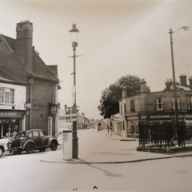
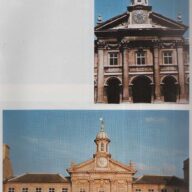
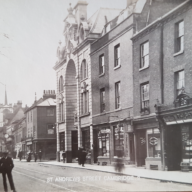
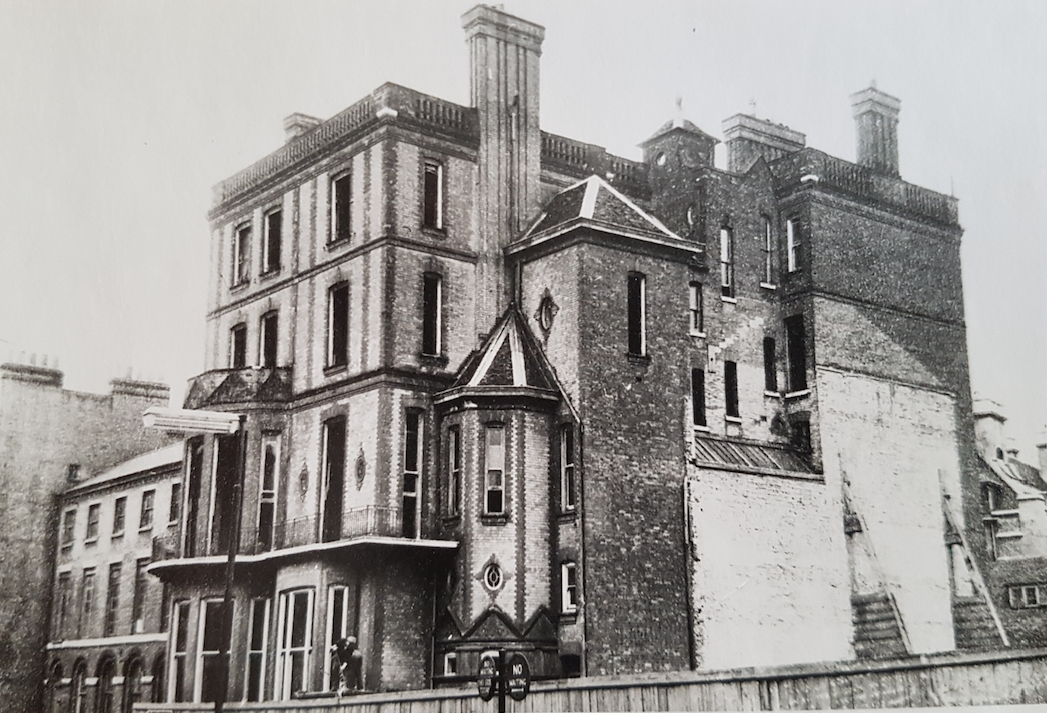 63 St Andrew's Street. Built by Henry Ranch and known as Rance's Folly. Demolished in 1954 (MoC185/57)
62 – 63 St Andrew’s Street, The Chequers, Rance’s Folly
History of 62-63 St Andrew's Street
63 St Andrew’s Street
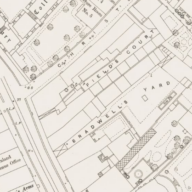
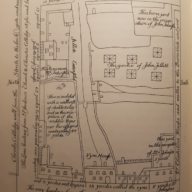
St Nicholas’s Hostel is recorded in a conveyance document from 1585. But the earliest reference to the hostel is in the will of Thomas Lolleworth of Cambridge dated 1393. This document bequeathed the whole of his messuages (buildings) to the Master and Fellows of Corpus Christi College, including the hostel. the hostel had a great reputation in medieval times in connection with legal studies.
British History Online states: St. Nicholas’s Hostel was prominent among the houses of jurists, and had many eminent men among its members. It also seems to have had a reputation for rowdiness; the Grace Book records a fight on two successive nights with its neighbours at Christ’s College, and there are plenty of other examples of inter-hostel brawls recorded.
62 St Andrew’s Street
1585 The Chequer: in the possession of Dr Christopher Greene, the Professor of Physic (who held considerable property in Cambridge); members of his family owned it for many years. In the middle of the 18th century it was the residence of Mr Richard Whish, a celebrated Cambridge citizen, who under somewhat peculiar circumstances amassed a large fortune.
1851 (66 St Andrew’s)
Henry Rance, 44, solicitor, b Ely
Caroline, 36, b Newmarket
Henry W H, 8, b Cambridge
Rosaline C M, 6, b Cambridge
Edith Hills, 31, servant
Elizabeth F Shangward, 33, servant, b Hunts
Keren H Smith, 20, servant, b Suffolk
1861
(62) Sarah Dearlove, 82, of no business, b Cambridge
(63) Henry Rance, 54, solicitor, b Ely

Henry Rance mayor of Cambridge
Henry Rance
Born Ely. Conservator of the River Cam, a director of Accident Insurance Company and lessee of Barnwell Theatre. Also a director of the new Gas Company. Built luxurious mansion in St. Andrew’s Street (known as Rance’s Folly) which sported a magnificent dining room. It had four lifts and a roof-top tennis court. His reputation for hospitality was lavish and he spent many thousands of pounds a year entertaining. Alderman for Trinity ward, but had to leave because of non-attendance at meetings for beyond the statutory period. His aldermanic seat was taken by Councillor Joshua Taylor. https://www.cambridge.gov.uk/media/3891/cambridge-mayors.pdf
See Enid Porter’s article:
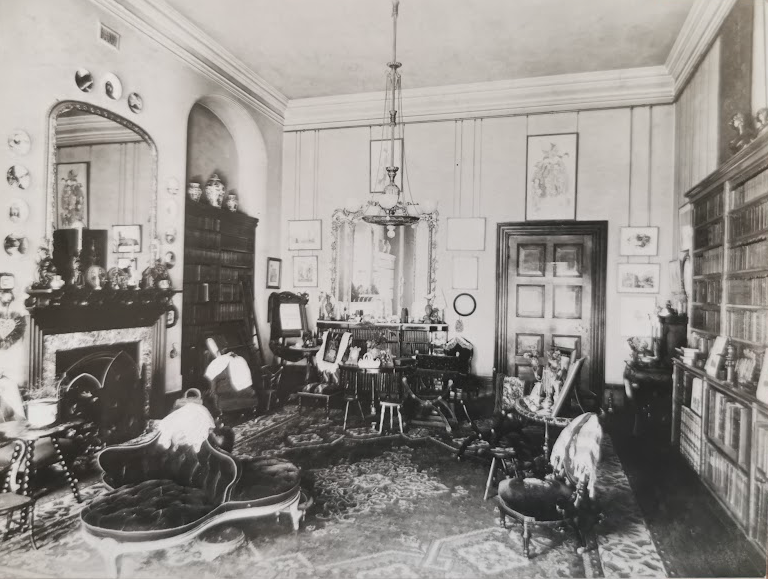
63 St Andrew’s Street, Rance’s Folly, library (MoC183.57)
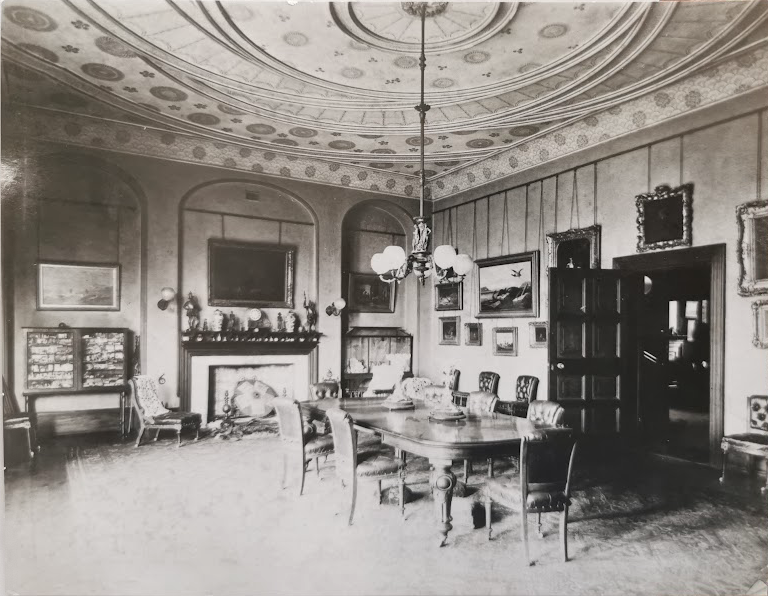
Rance’s Folly, “Ruberdome”, (MoC184/57)
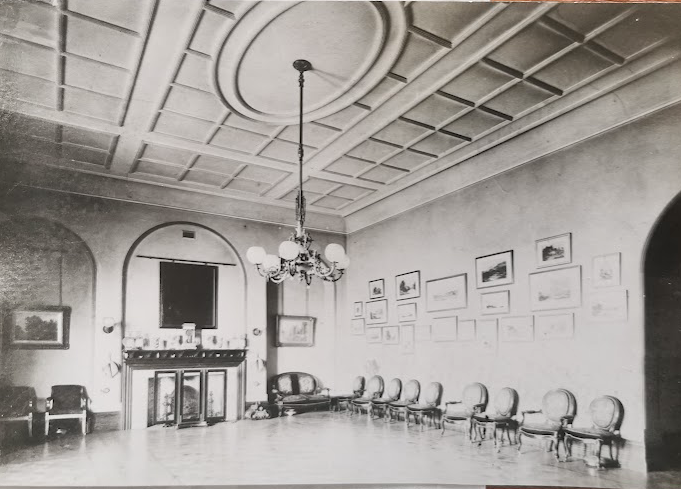
Rance’s Folly, 62 St Andrew’s Street (MoC182/57)
1871 (63 St Andrew’s)
Henry Rance, 64
Caroline,
Henry W H
Rosalie C M
Ricarda C
Edith Hills, cook, 54, b Little Eversden
Julianna Toffill, 21, housemaid, b Cambridge
George Thomas Willson, 22, footman, b Cambridge
1881
(62 St Andrew’s)
Henry Rance
Caroline
(63 St Andrew’s)
Lucien Boquel
Maria Joseph Boquel
The Boquels had previously lived at 115 Hills Road. They later moved to 19 Trumpington St.
http://millroadcemetery.org.uk/joseph-ouel/
1913
University Syndicate’s Vice-Chancellor’s and University Marshal’s Rooms – Alfred Brockett University Marshal
University Appointments Board
Board of Indian Civil Service Studies
Military Board of Studies
Foreign Service Students’ Committee
(63-64) Ginn & Co solicitors – Samuel Reuben Ginn
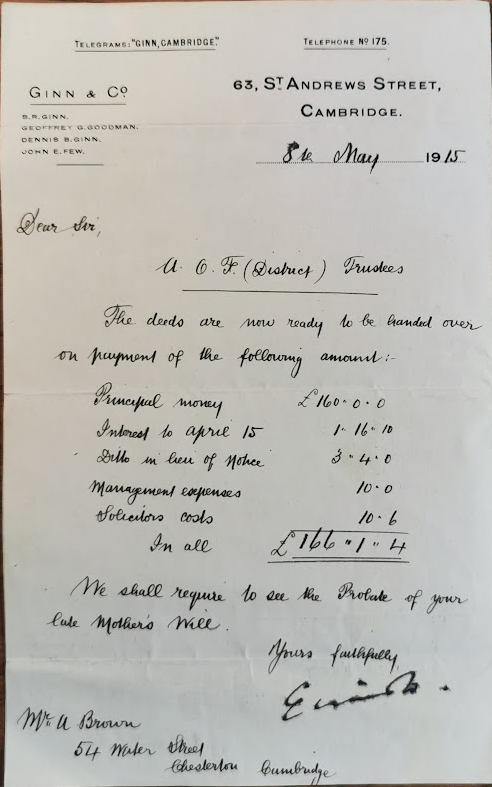
Letter to U Brown re mother’s estate, 54 Water Street, 1915
1957 June demolished
1970
(62) Gordon Thoday, dress fabrics
(63) A Jones and son, shoe retailers
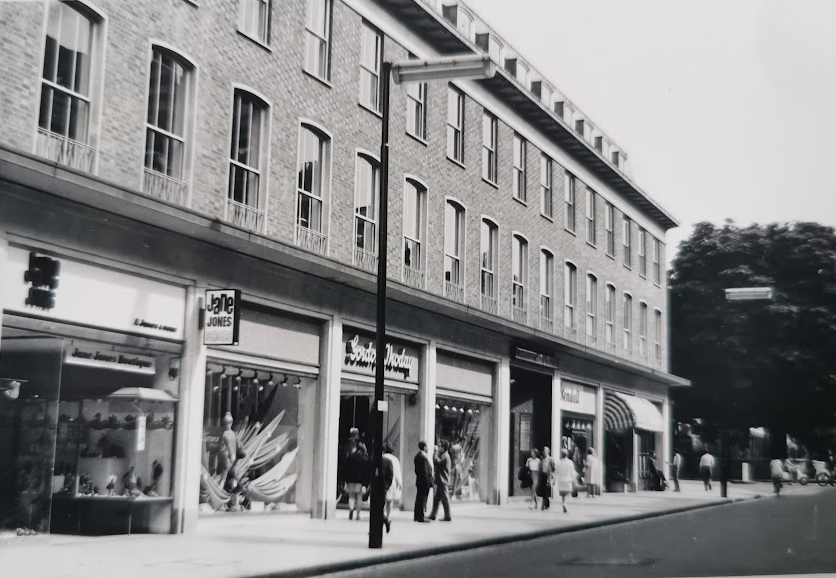
60 – 63 St Andrew’s Street
Projects
Contribute
Do you have any information about the people or places in this article? If so, then please let us know using the Contact page or by emailing capturingcambridge@
Licence
This work is licensed under CC BY-NC-SA 4.0