Search by topic
- archaeology
- Building of Local Interest
- chapel
- charity
- church
- crime
- dressmaker
- fire
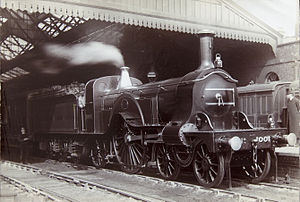
- Great Eastern Railway
- Listed building
- Mapping Relief
- medieval
- oral history
- poverty
- Public House
- Religious House
- Roman
- scholar
- school
- Then and Now
- tudor
- women
- work
- world war one
- world war two
Search by text
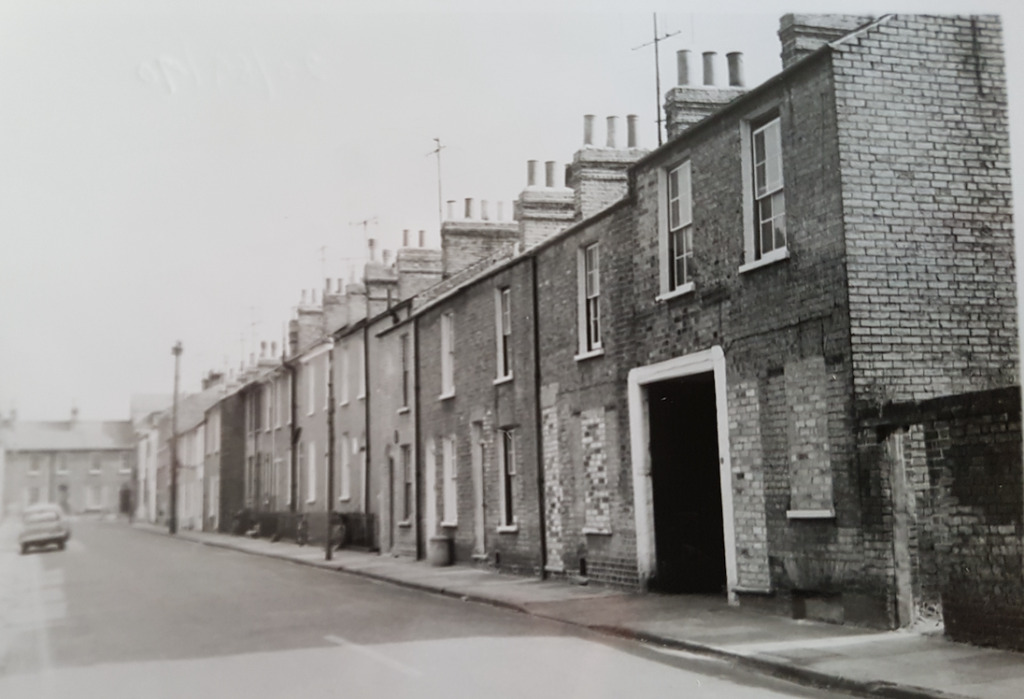 Earl Street south side circa 1960 looking east
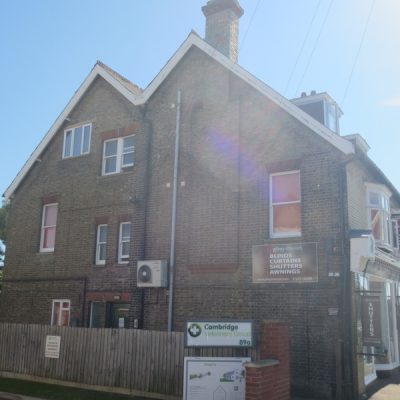
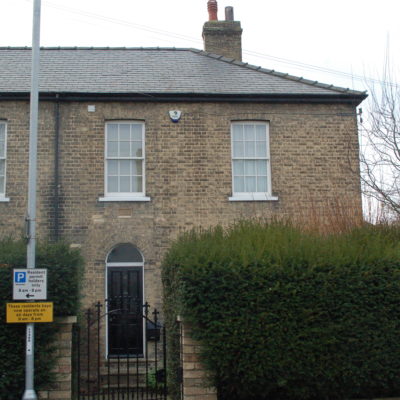
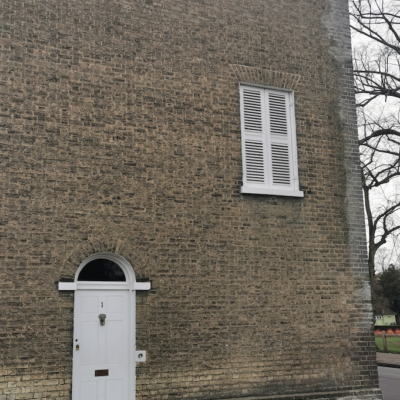
Earl Street
History of Earl Street
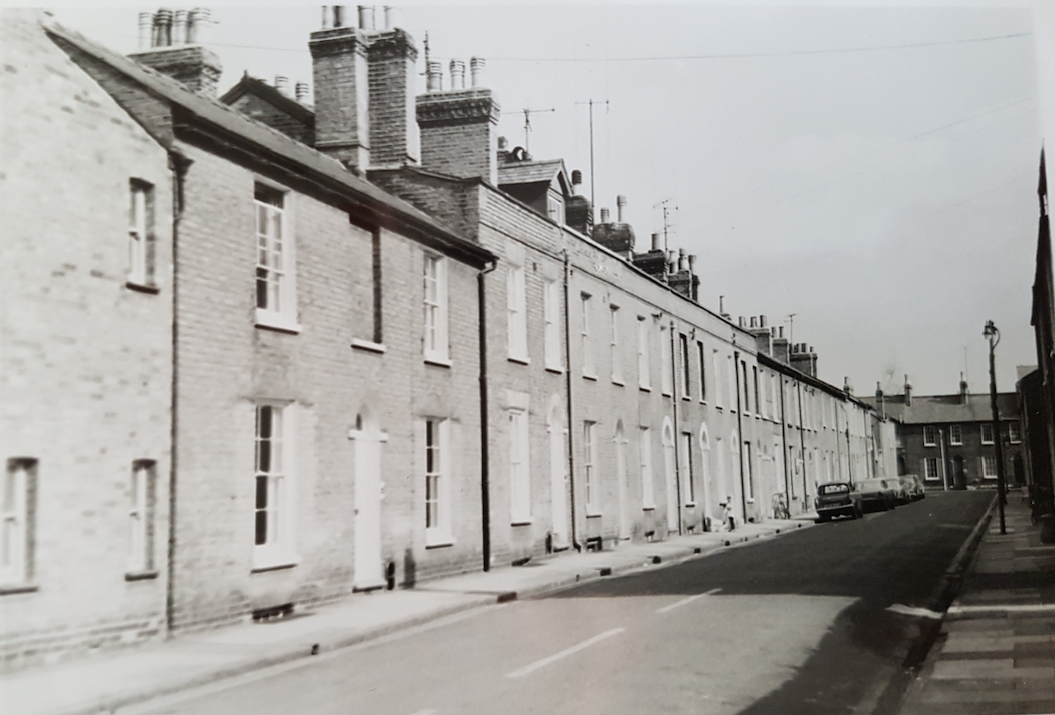
Earl Street north side circa 1960 looking east
From 1861 until 1891 the census enumerator listed the buildings in Earl Street sequentially from no.1 til circa no.30. This might suggest that the enumeration went down one side of the street and back up the other side as was commonplace.
However, in 1901, the enumerator listed the odd numbers first and then the even. This might suggest that the numbering of the properties had changed to odd on one side and even on the other. However, several of the properties appear to have not only the same inhabitant as in 1891 but also the same number, i.e. nos 5,15,19,22,23,24,31 and 33.
The only explanation is that even in 1861 the street was numbered with odd and even on opposite sides. The enumerator in these earlier censuses would have criss-crossed the street to keep the houses in order. That this is the case is suggested by the times in which the enumerator forgot to cross the street and went to the next number on the same side.
Designated Buildings of Local Interest:
No 2
Nos 2a, 4 to 12 (even)
Nos 7 to 11 (odd)
Nos 13 – 23 (odd)
Nos 14 – 30 (even)
No 25
Nos 27 to 35 (odd)
No 37
Projects
Contribute
Do you have any information about the people or places in this article? If so, then please let us know using the Contact page or by emailing capturingcambridge@
Licence
This work is licensed under CC BY-NC-SA 4.0