Search by topic
- archaeology
- Building of Local Interest
- chapel
- charity
- church
- crime
- dressmaker
- Great Eastern Railway
- Listed building
- Mapping Relief
- medieval
- oral history
- poverty
- Public House
- railway worker
- Religious House
- Roman
- scholar
- school
- Then and Now
- tudor
- women
- work
- world war one
- world war two
Search by text


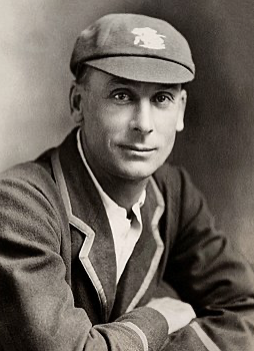 Jack Hobbs c 1920
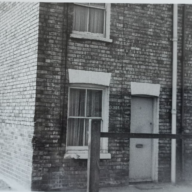
4 Rivar Place, Sleaford Street
History of 4 Rivar Place, Sleaford Street
1891
John Hobbs, 33, cricketer, b Cambridge
Flora [Matilda née Berry], 31, b Cambridge
John, 8, b Cambridge
Emma, 6, b Cambridge
Maud, 5, b Cambridge
James, 3, b Sussex
Alfred, 1, b Cambridge
Jack Hobbs was born at 8 Brewhouse Lane, family home of the Berry family.
In 1881 John Hobbs senior is living at 5 Cambridge Place.
Local historian Nigel Fenner has added this note: Jack Hobbs father, John Cooper Hobbs he was also a keen cricketer, who created the Anchor Cricket Club in the 1880s – which may or may not be linked to the current Anchor Inn / Pub on Silver Street. John Hobbs was a roofing slater, but given his love of cricket he became a professional at Fenner’s, bowling at the students, umpiring matches as well as being a groundsman at Jesus College. Unfortunately John Hobbs died when Jack was 20 which almost stopped him from becoming a professional cricketer.
See: Town v Gown; City v Village – A History of Cricket in Cambridge, Tony Watts (2025)
1913
Mrs Hobbs
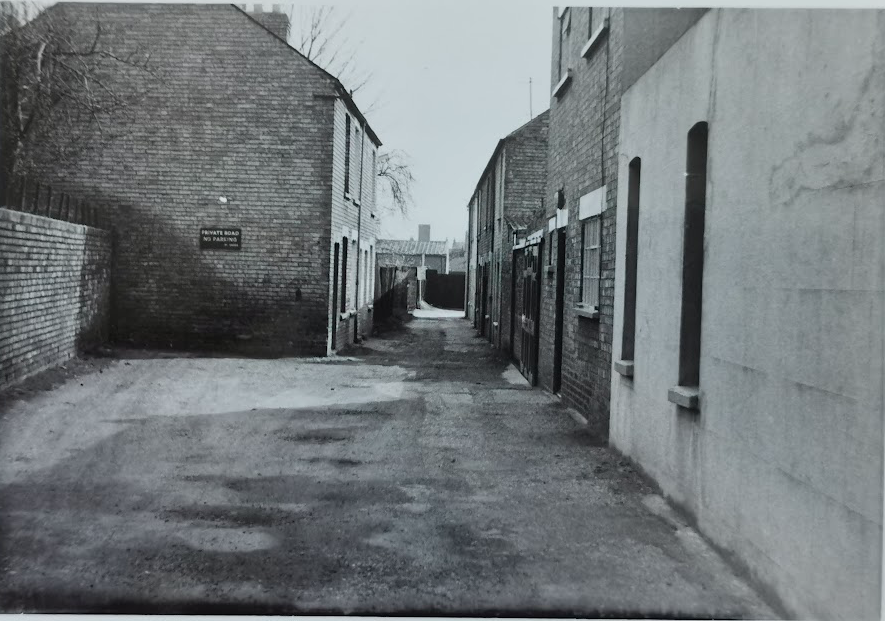
Rivar Place date unknown (MoC)
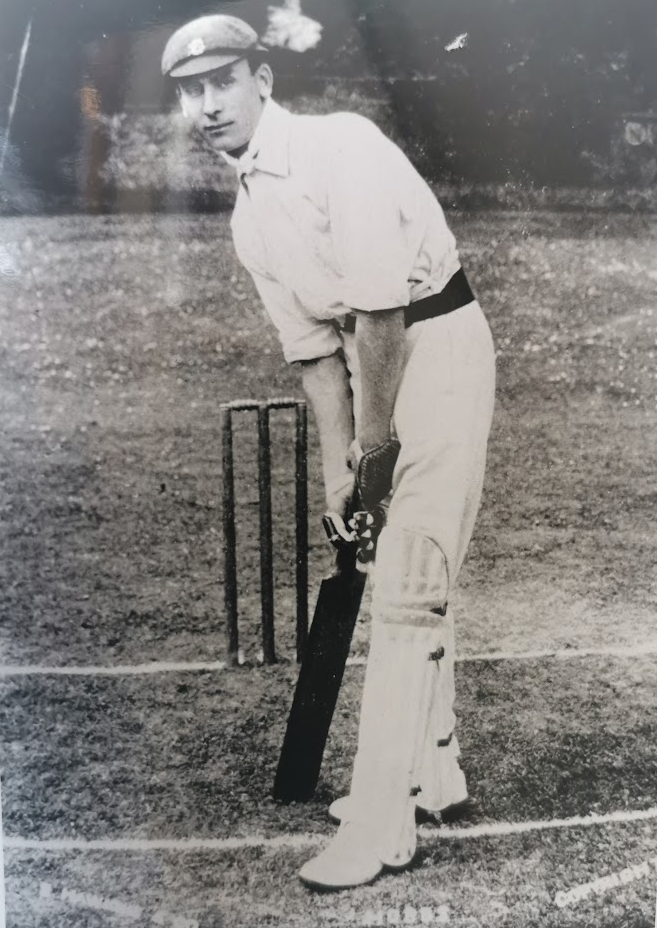
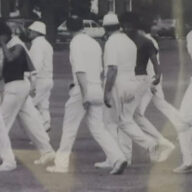
Jack Hobbs (MoC)
1965
Ronald W Lawrence
Childhood home of Sir Jack Hobbs, ‘England’s Greatest Cricketer’ (1882-1963)
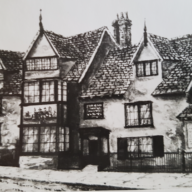
An early photograph of 4 Rivar Place is included in a recent biography of this cricketing hero, showing the ‘modest terraced home in which Jack was brought up in the late Victorian age’. Beside it, a wider view of nineteenth-century Sturton Town depicts the ‘bleak Cambridge streets around his home’.
Jack (properly John) was the eldest of twelve children, all of whom grew up in Rivar Place. His parents, John and Flora Hobbs, settled there for life and are buried nearby in Mill Road Cemetery.
Jack’s education was gained entirely in the surrounding streets, first in the classrooms run by St Matthew’s Church (aged 5-9) and later at York Street Boys School (9-12). His cricket was grounded here too, in teams from York Street School and St Matthew’s Choir among others. It was in a Sturton Town side, the Ainsworth XI, that he scored his very first century.
A great many centuries were to follow as Hobbs went on to a glittering career with Surrey and England, setting batting records that (it is widely assumed) will never be broken. In 1953 he became the first cricketer to be honoured with a knighthood. It all began in Sturton Town.
See Leo McKinstry: Jack Hobbs, England’s Greatest Cricketer (2011)
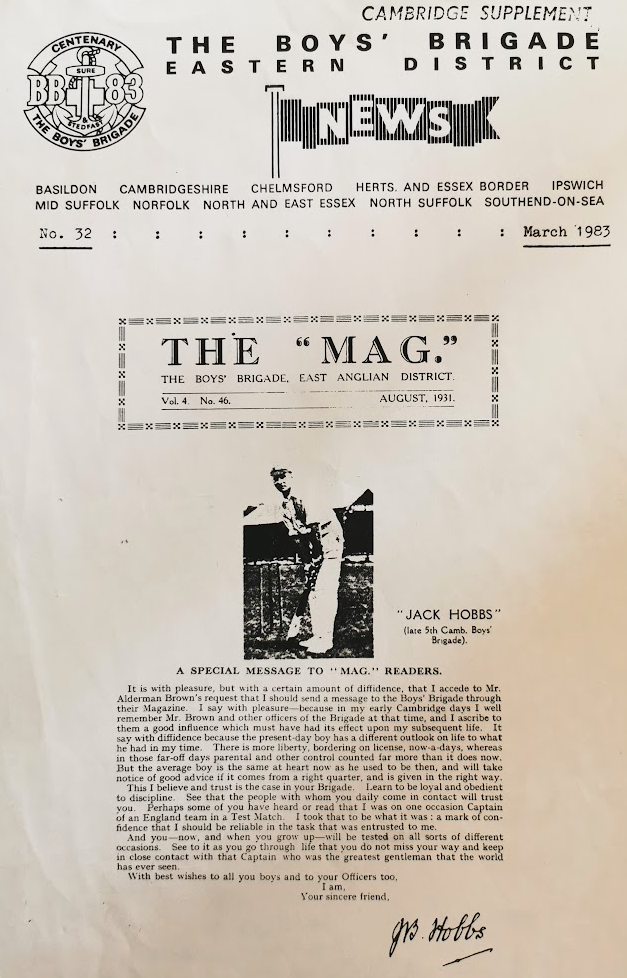
Jack Hobbs letter to Boys Brigade 1931
Projects
Contribute
Do you have any information about the people or places in this article? If so, then please let us know using the Contact page or by emailing capturingcambridge@
Licence
This work is licensed under CC BY-NC-SA 4.0