Search by topic
- archaeology
- Building of Local Interest
- chapel
- charity
- church
- crime
- dressmaker
- Great Eastern Railway
- Listed building
- Mapping Relief
- medieval
- oral history
- poverty
- Public House
- railway worker
- Religious House
- Roman
- scholar
- school
- Then and Now
- tudor
- women
- work
- world war one
- world war two
Search by text


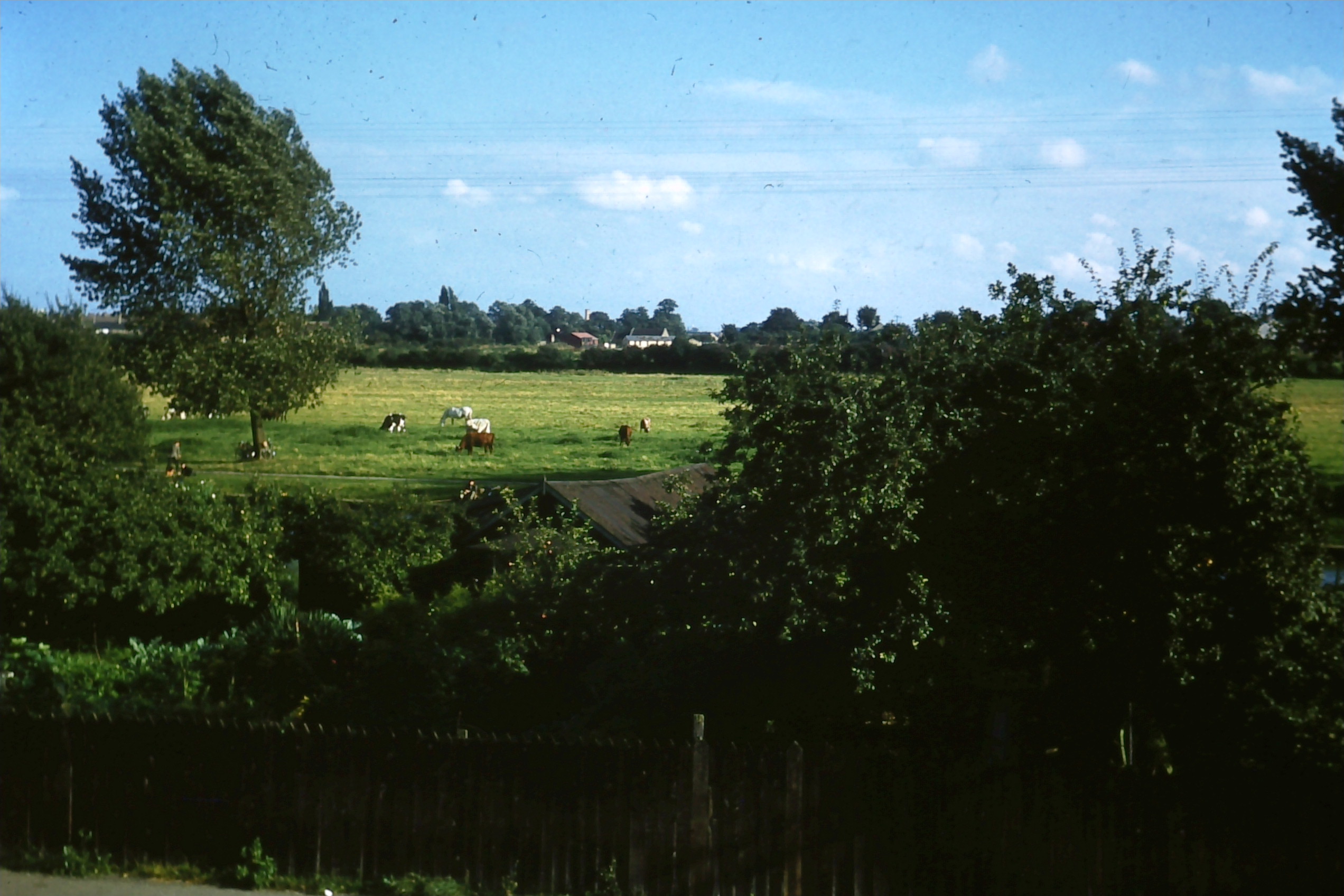 View of Stourbridge Common from Water Street c1960s (Arthur Condor)
Stourbridge Common
History of Stourbridge Common
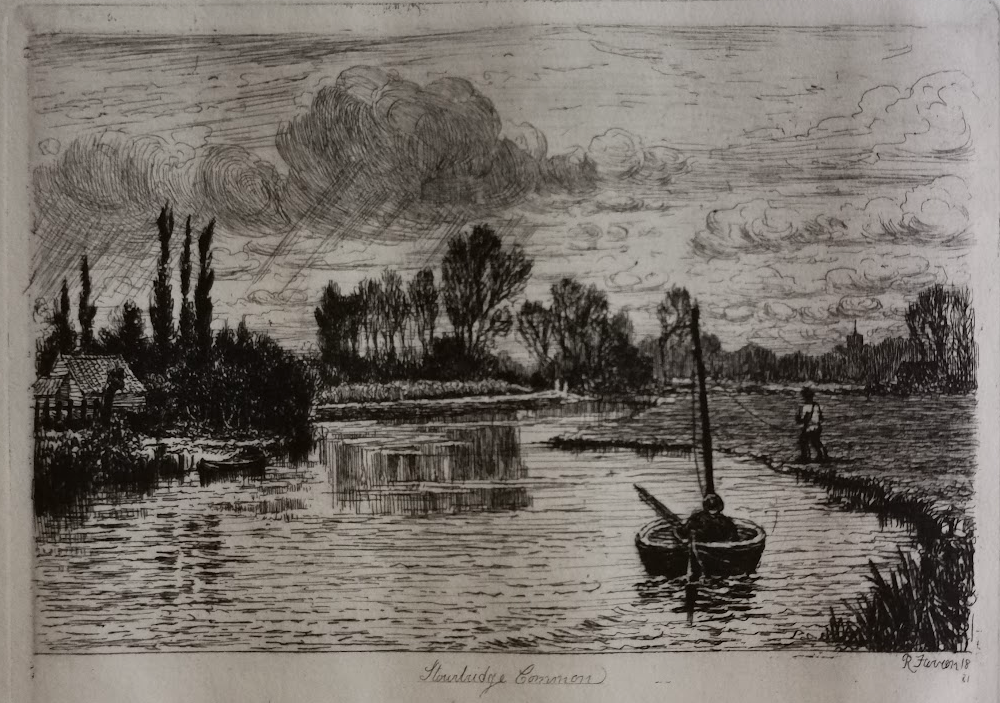
Stourbridge Common, R Farren 1881
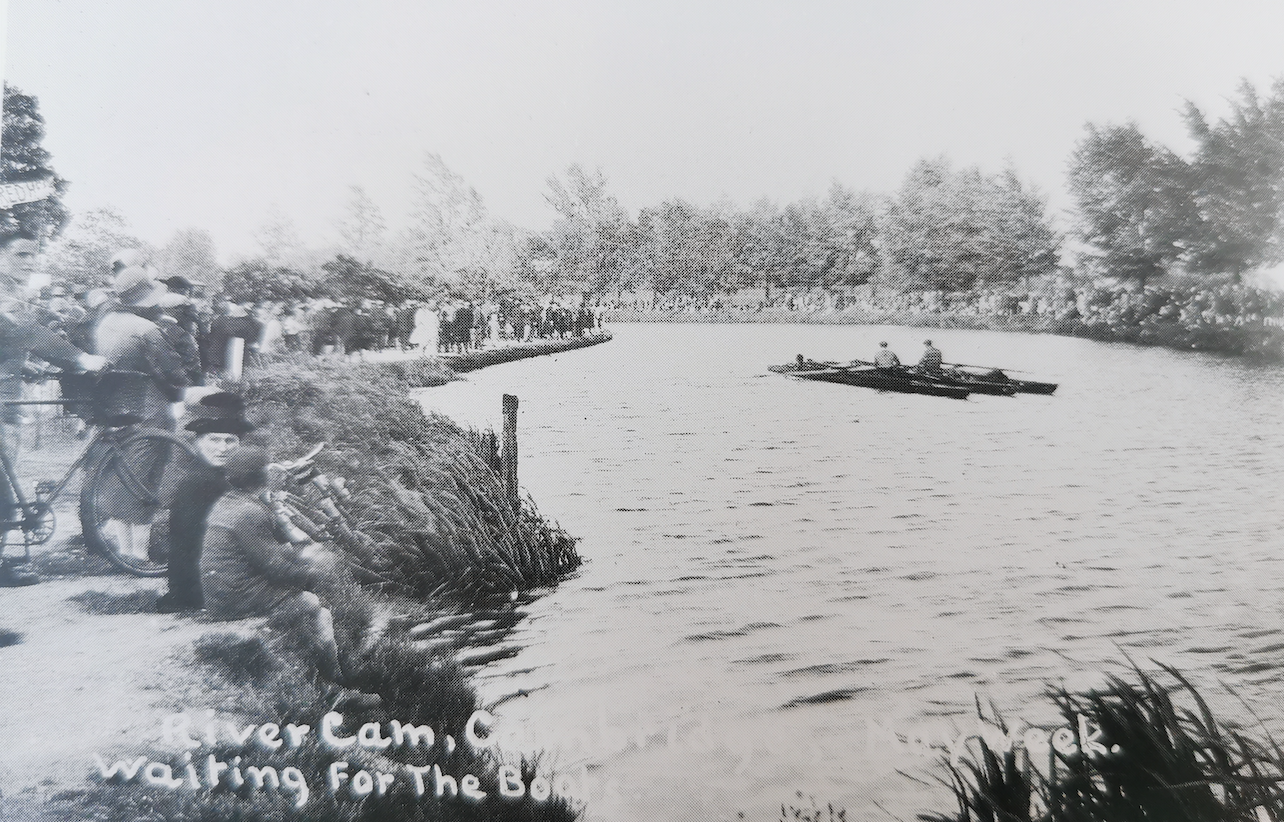
Summer of 1928, Cam at Stourbridge (Cambs Collection)
View of Stourbridge Common from Water Street c1960s (Arthur Condor)
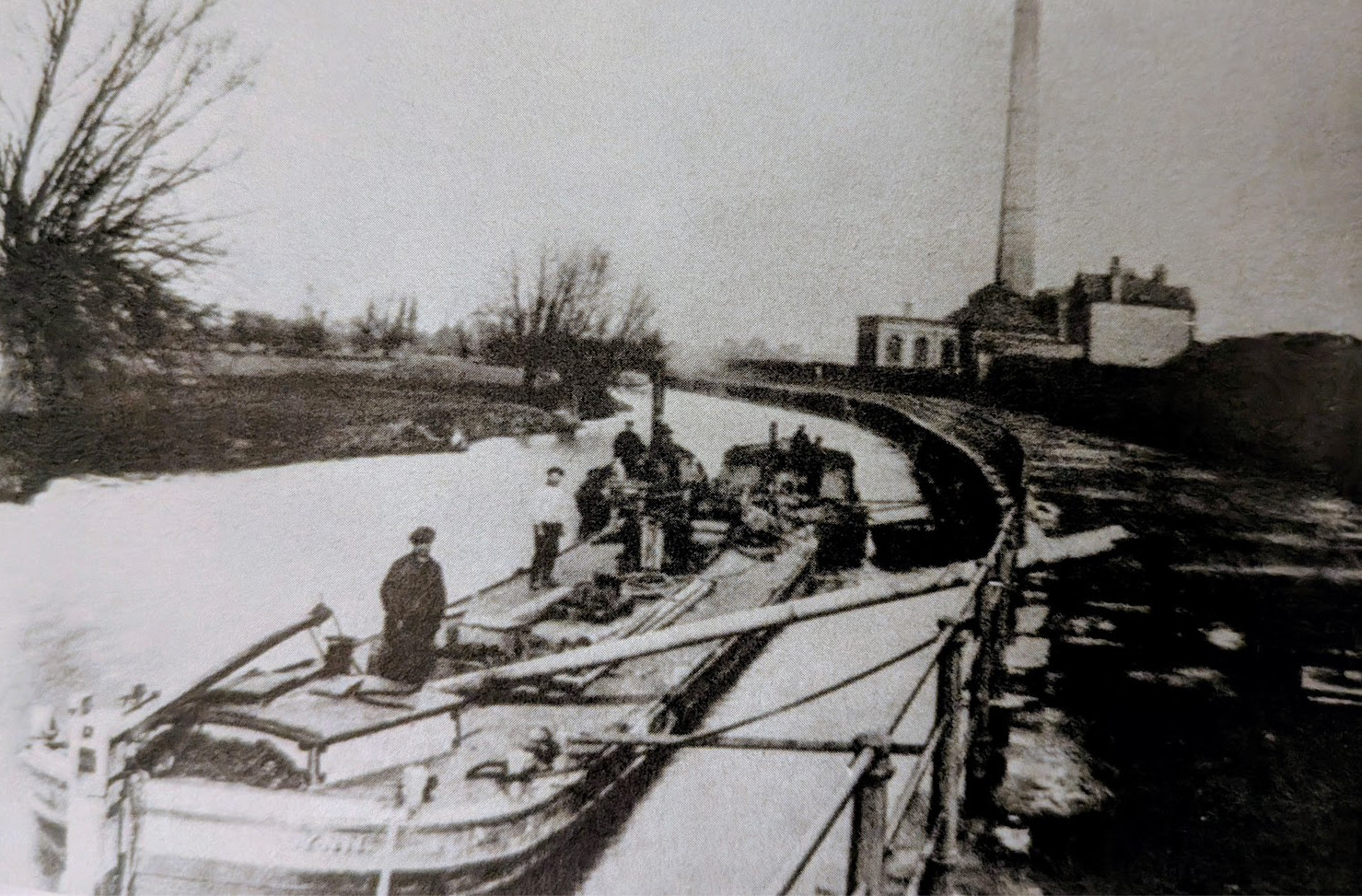
Stourbridge Common, Cambridge 1960s
Gasworks, demolished in 2001 visible.
An extract from Age of Consent by Ian Rawlinson © Ian Rawlinson 2021 All rights reserved.
There is a sequence in my film which includes images of Stourbridge Common. This place has come to represent a kind of half-remembered state in which particular memories of childhood still exist and flourish. Throughout my time in Cambridge, the common was a crossing point and part of the journey to and from my grandmother’s house on River Lane, or visits to the skatepark, which used to be on Cheddars Lane. It was also where my brother and I would occasionally go fishing. At the time there weren’t any houseboats moored along this section of the river bank and the view across the Cam was quiet and unobstructed. Along the common’s eastern perimeter, the semi-enclosed footbridge that spans the railway line led to the unexplored mysteries of Ditton Meadows and Coldham’s Brook. This was the scene of childhood dreams and misadventures. The common also connected the village-like streets of Chesterton to the semi-dereliction of the industrial sites along Riverside and Newmarket Road. It was an emotional anchor and an axis.
On my way back from visiting my paternal grandmother, who lived on Rayson Way, I would often decide against cycling across the common, which would have been the quickest and most direct route home. As I stared into the evening darkness from the gate at the end of Oyster Row, fear would start to overwhelm me. If I made the crossing, I would have to stop at the base of the Green Dragon Bridge, open the metal gate and haul myself and my bicycle through onto the lower incline. There seemed no way to negotiate the narrow cattle grid beside the gate without potentially damaging the wheels on my bike. Otherwise, it may have been possible to ride straight through and onto the bridge, as it is these days. This brief loss of momentum allowed all manner of terrifying imaginings to seem like potential realities. I would be scared to look back as I thought I might see something appear from the unlit parts of the path. There was a solitary streetlight in the centre of the common which was the only respite from the darkness. Apart from that, there were trees, bushes, grass, shadows and occasionally a herd of cows. The fear was intense and palpable, and sometimes I made it across despite my racing heart and shallow breathing. Once onto the upper section of the bridge, I felt a degree of safety and was reassured that my ordeal was nearly over. Some nights I made it to the bottom of Garlic Row only to turn back and head down Newmarket Road to cross the river via the Elizabeth Way Bridge. Other nights I aborted before I even turned off of Newmarket Road, convinced that my flagging courage would not be enough to carry me across the common. This journey would always prove to be a challenge, in every sense of the word.
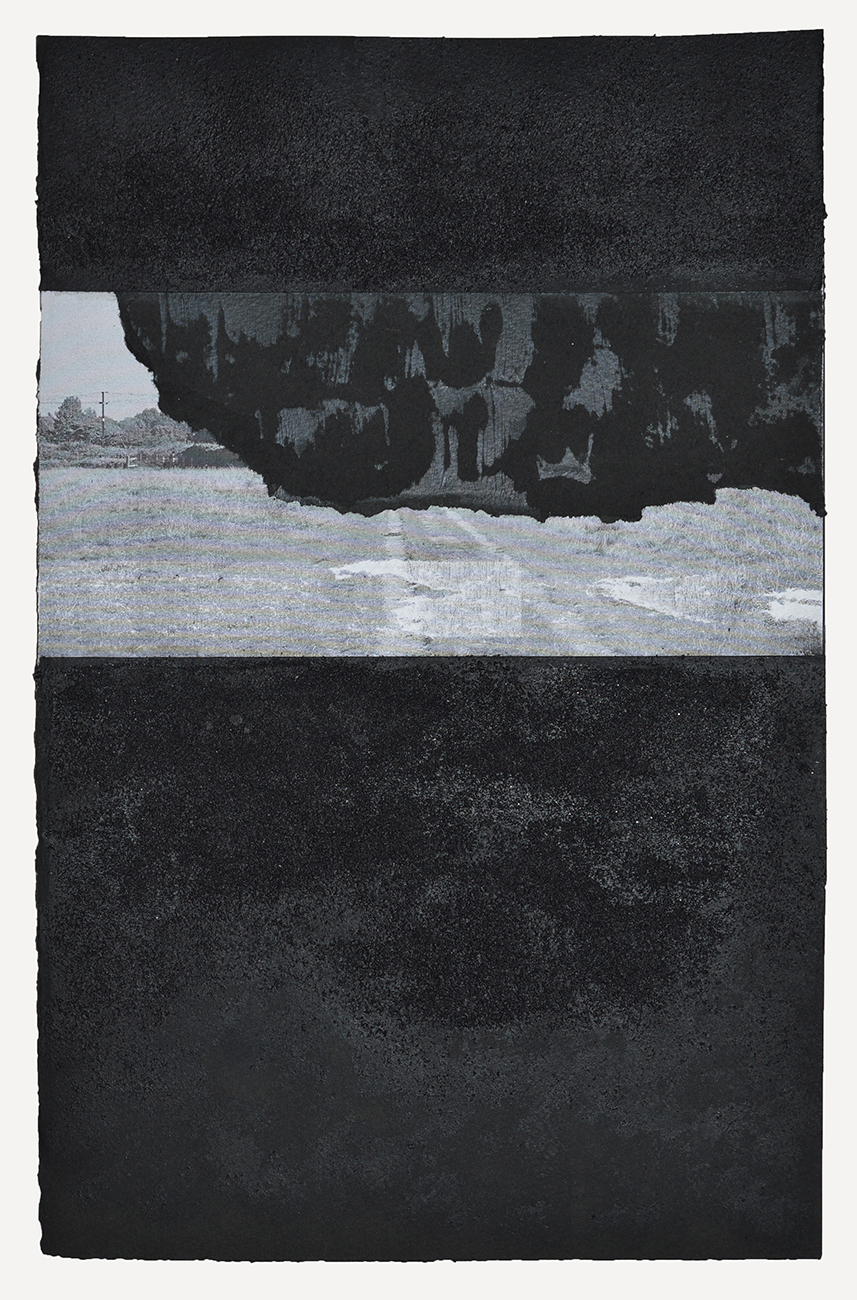
Stourbridge – acrylic & collage on paper ©Ian Rawlinson 2022
Contribute
Do you have any information about the people or places in this article? If so, then please let us know using the Contact page or by emailing capturingcambridge@
Licence
This work is licensed under CC BY-NC-SA 4.0