Search by topic
- archaeology
- Building of Local Interest
- chapel
- charity
- church
- crime
- dressmaker
- Great Eastern Railway
- Listed building
- Mapping Relief
- medieval
- oral history
- poverty
- Public House
- railway worker
- Religious House
- Roman
- scholar
- school
- Then and Now
- tudor
- women
- work
- world war one
- world war two
Search by text


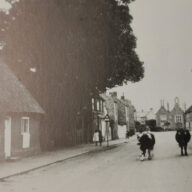
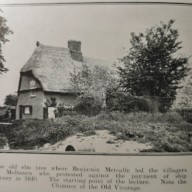
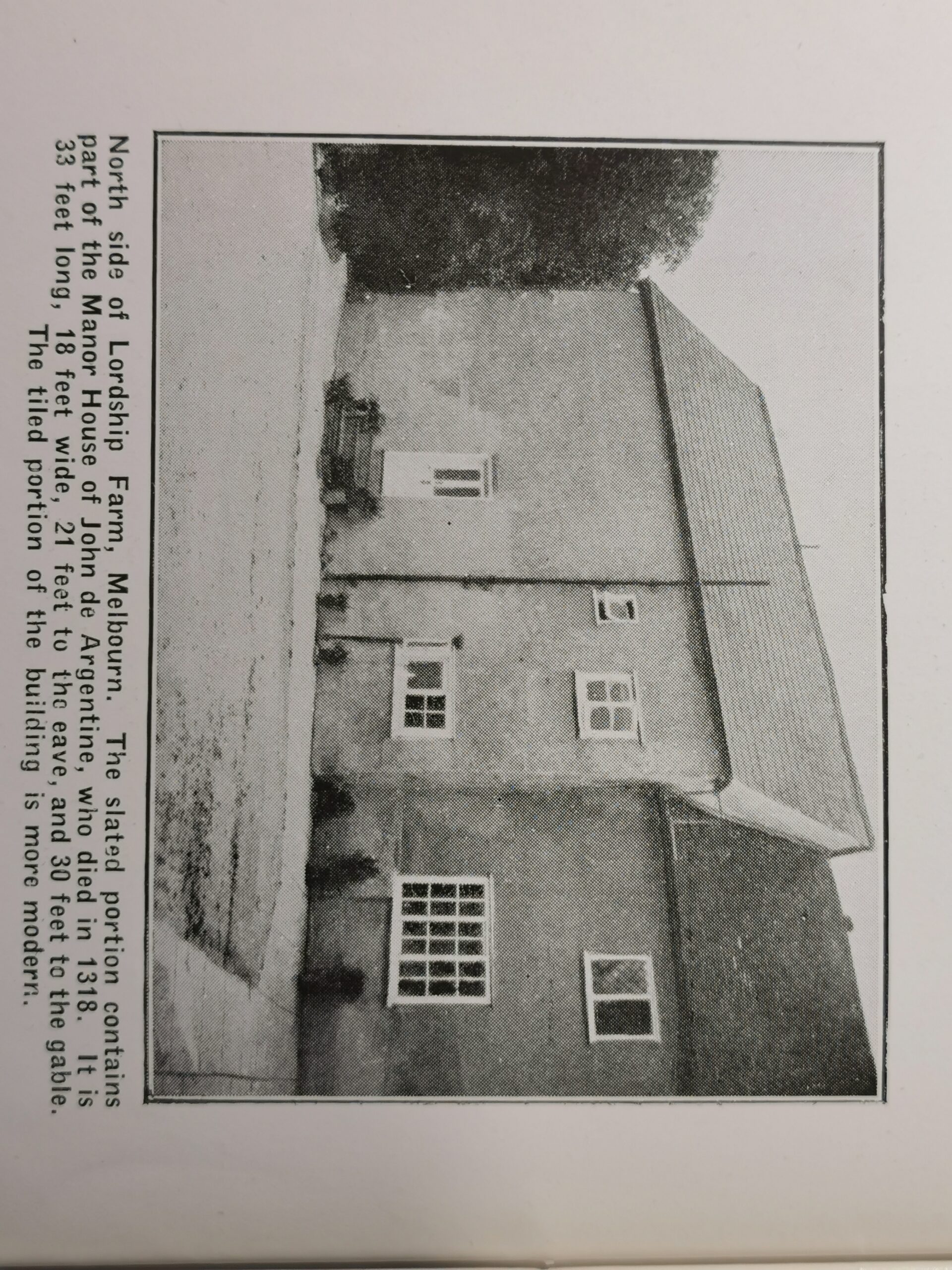 North side of Lordship Farm c.1925 (Camb Chron)
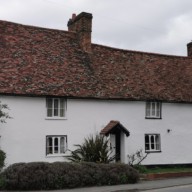
12 High Street, Lordship Farmhouse, Melbourn
History of 12 High Street
Manor house. Of three principal building periods. C14-C15, 1699 and C18-C19. Timber framed, plaster rendered and part stuccoed and incised in imitation of stone ashlar. Tiled, steeply pitched roofs now covered with asbestos slate. One large stack between the medieval range and the C18 part, and another side stack to the rear of the 1699 part. Present plan is irregular and is formed of two parallel and adjoining ranges with the gable ends towards the road.
It was sold c.1703 to Richard Hitch.
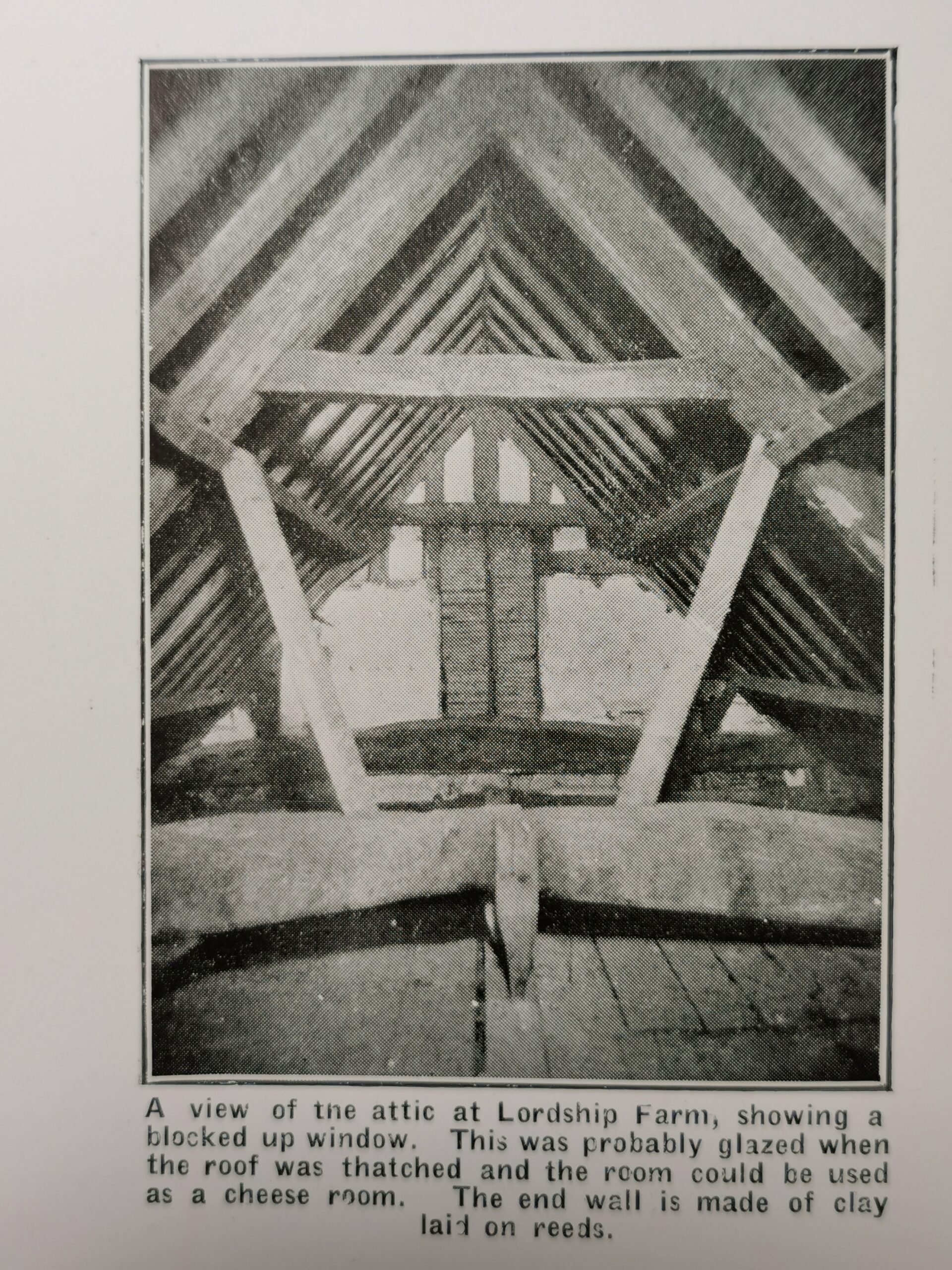
Attic at Lordship Farm c.1925 (Camb Chron)
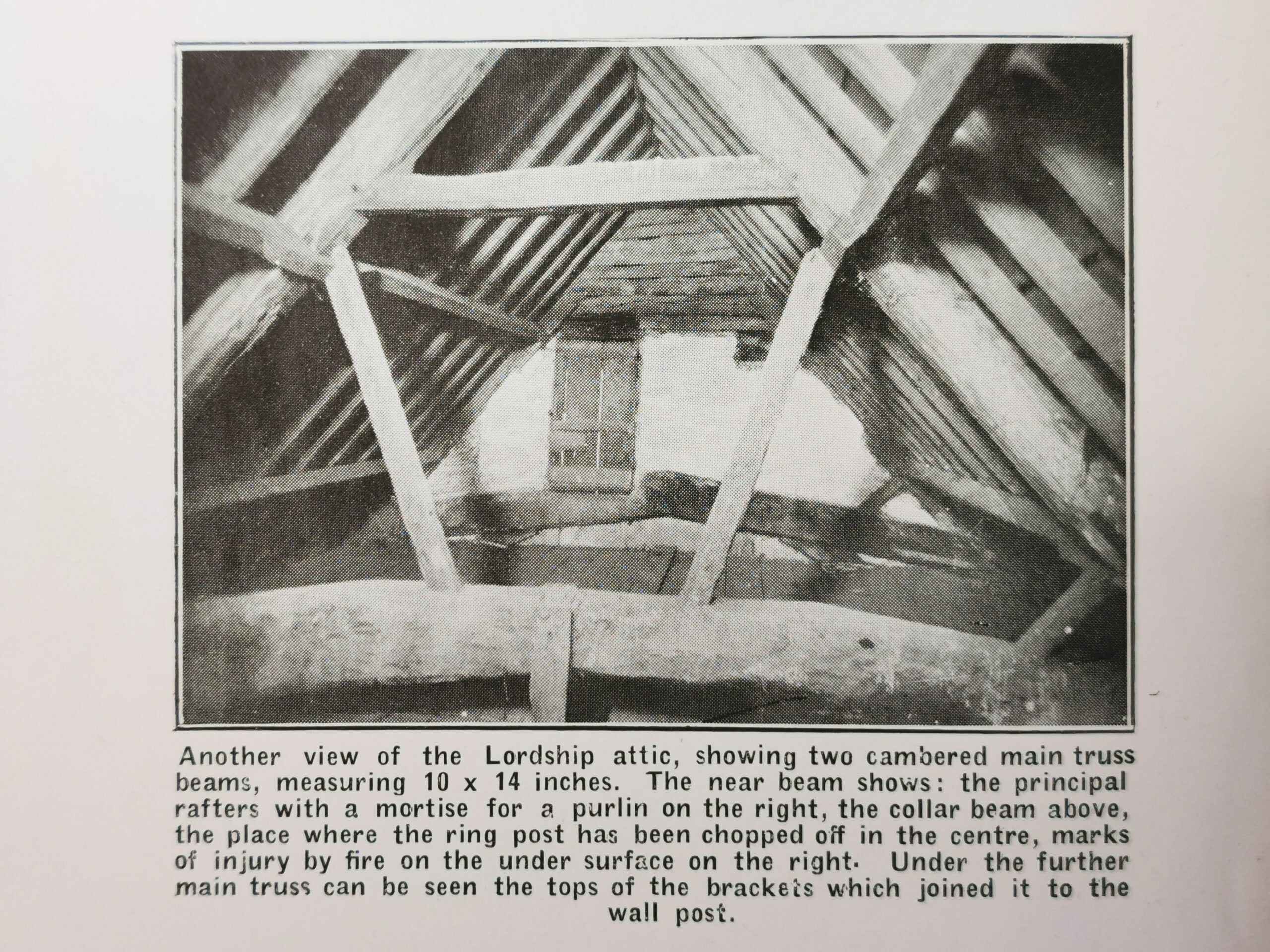
Another view of attic at Lordship Farm c.1925 (Camb Chron)
According to W M Palmer (1925):
The Lordship Farm has been owned by only four families since Anglo-Saxon times. The Argentine family were in possession in 1166, and probably 80 years earlier. From them it passed to the Alingtons by marriage who sold it to the Hitch family about 1700.
The Argentines were a family celebrated in history and romance…. The first member of the family who has left any record of a connection with Melbourn was Richard de Argentine born about 1200. He held several public offices and went on a pilgrimage to the Holy Land and was killed near Antioch in 1246. ……
As regards the buildings in 1318 we only know for certain that there were hall, chamber, with outside staircase, both thatched, chapel and offices. the buildings were surrounded by a moat on which swans were kept, and over which were two bridges, one of them probably a drawbridge.
Projects
Contribute
Do you have any information about the people or places in this article? If so, then please let us know using the
Contact page or by emailing
capturingcambridge@
Licence
This work is licensed under
CC BY-NC-SA 4.0


 not including content on external links as indicated
by
not including content on external links as indicated
by .
.