Search by topic
- archaeology
- Building of Local Interest
- chapel
- charity
- church
- crime
- dressmaker
- Great Eastern Railway
- Listed building
- Mapping Relief
- medieval
- oral history
- poverty
- Public House
- railway worker
- Religious House
- Roman
- scholar
- school
- Then and Now
- tudor
- women
- work
- world war one
- world war two
Search by text


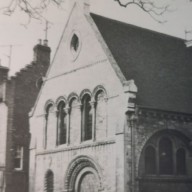
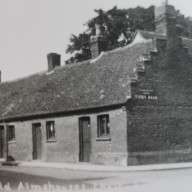
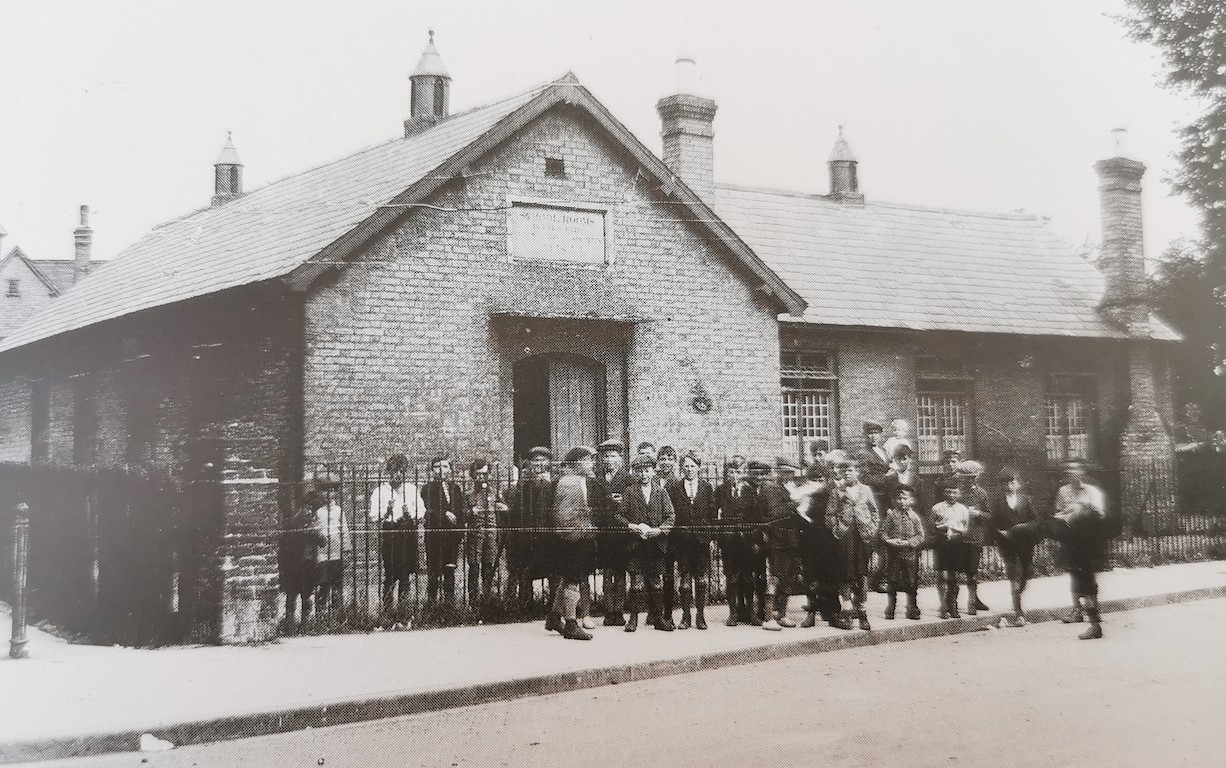 St Andrew's Boys School in 1928.
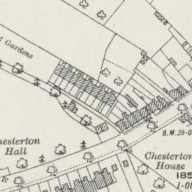
Chesterton Schools
History of Chesterton Schools
1901
A communication was received from the Board of Education, sanctioning the payment of £5 5s to the Chesterton National School on behalf of the Workhouse children attending there. The Board of Education, it was stated, would be prepared to give their certificate in future after the close of each school year on receiving the necessary particulars as to the average attendance of the Workhouse children, and the sum which was proposed to contribute towards the maintenance of the school.
Cambridge Daily News, 01 August 1901, 3.
1913
Old Chesterton Boys’ School
G. G.Buck, master
Old Chesterton Girls’ School
Miss Townsend, mistress
Old Chesterton Infants’ School
Miss Bond, mistress
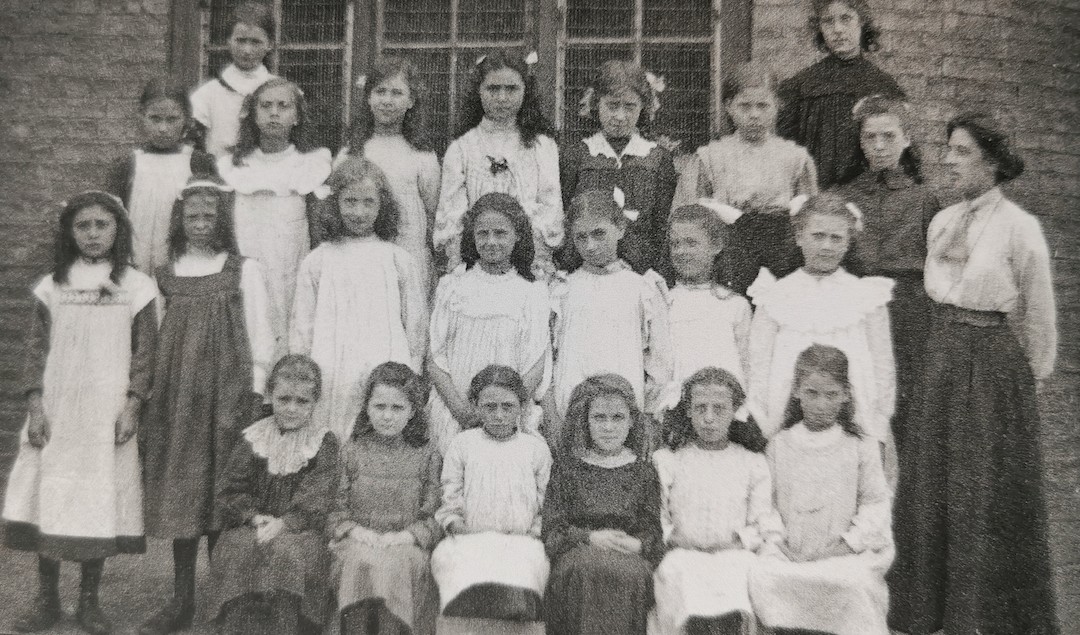
St Andrew’s girls’ class c.1913
The teacher in the photo is Miss M Hunneybun.
1920s
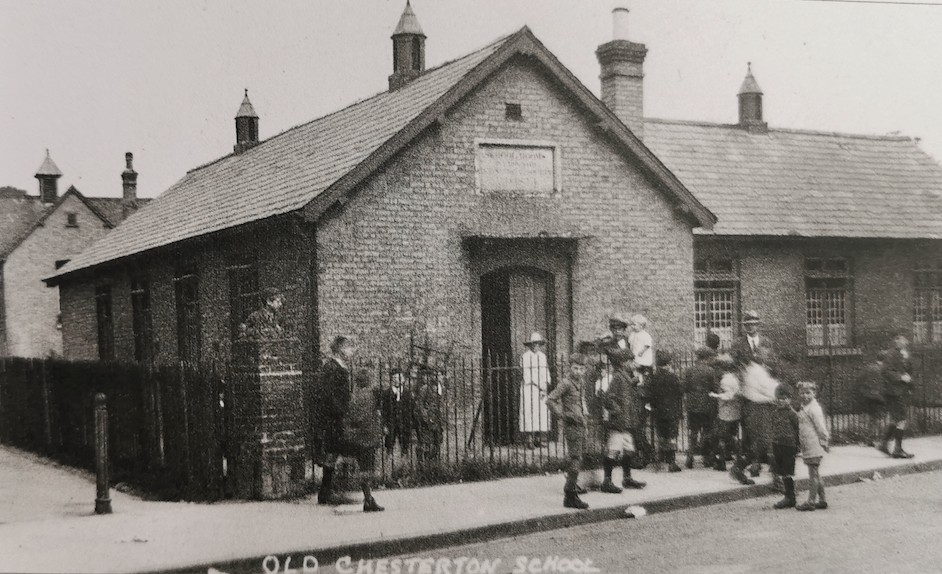
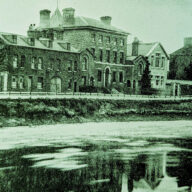
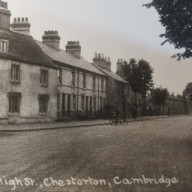
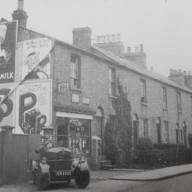
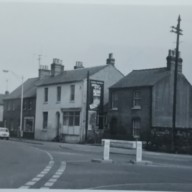
Chesterton School circa 1920s
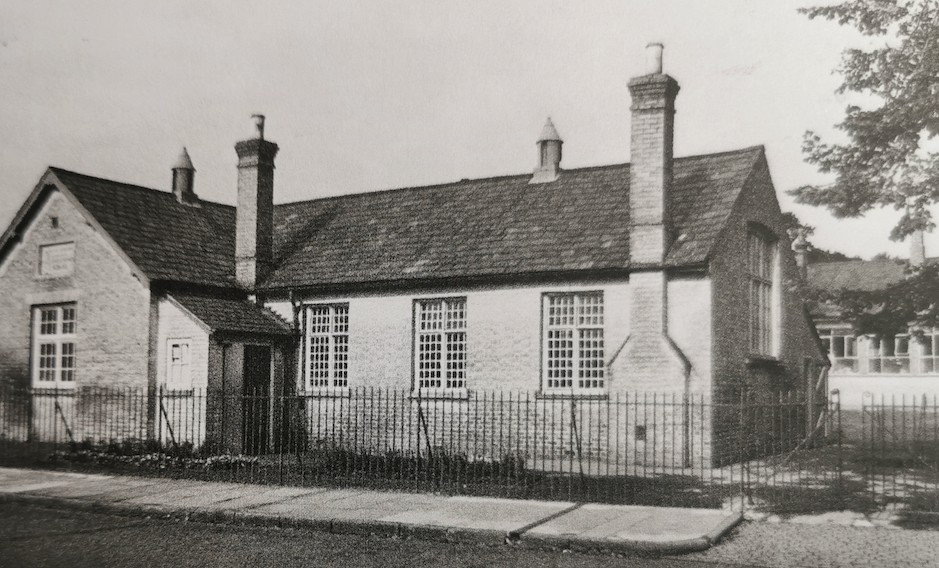
Chesterton School (date unknown)
1939
The schools in Cambridge took on a evacuees children from London following the outbreak of the Second World War. Chesterton School was one such place that organised arrivals and provided them with an education.
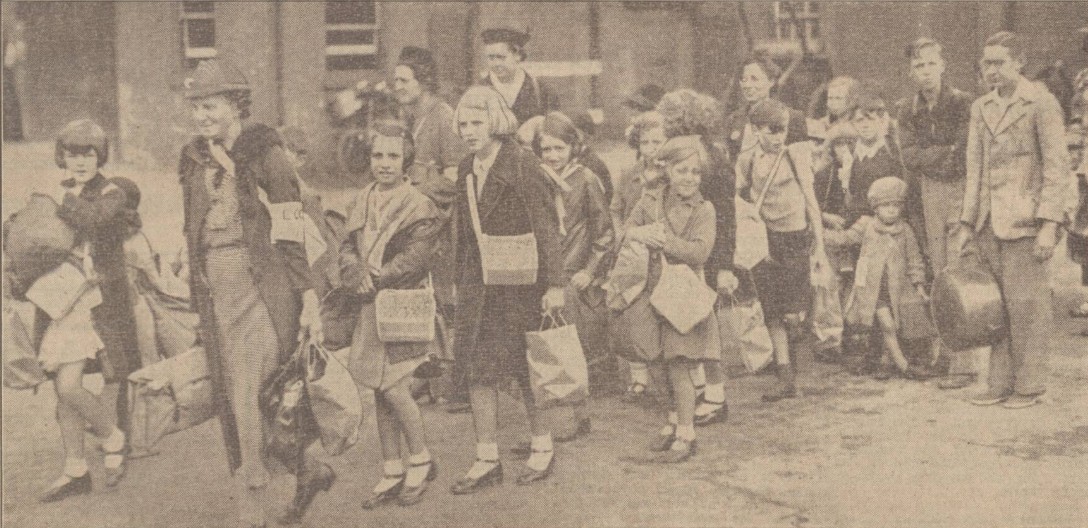
Cambridge Daily News, 1 September 1939, 1.
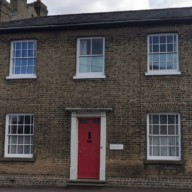
The school closed in 1981 and the site was developed for housing
Projects
Contribute
Do you have any information about the people or places in this article? If so, then please let us know using the
Contact page or by emailing
capturingcambridge@
Licence
This work is licensed under
CC BY-NC-SA 4.0


 not including content on external links as indicated
by
not including content on external links as indicated
by .
.