Search by topic
- archaeology
- Building of Local Interest
- chapel
- charity
- church
- crime
- dressmaker
- Great Eastern Railway
- Listed building
- Mapping Relief
- medieval
- oral history
- poverty
- Public House
- railway worker
- Religious House
- Roman
- scholar
- school
- Then and Now
- tudor
- women
- work
- world war one
- world war two
Search by text


 The Bull Linton
The Bull (Black Bull), High Street, Linton
History of the Black Bull
Listed Building:
In Antiquities of Linton 1913:
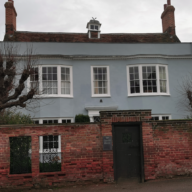
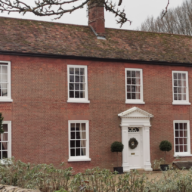
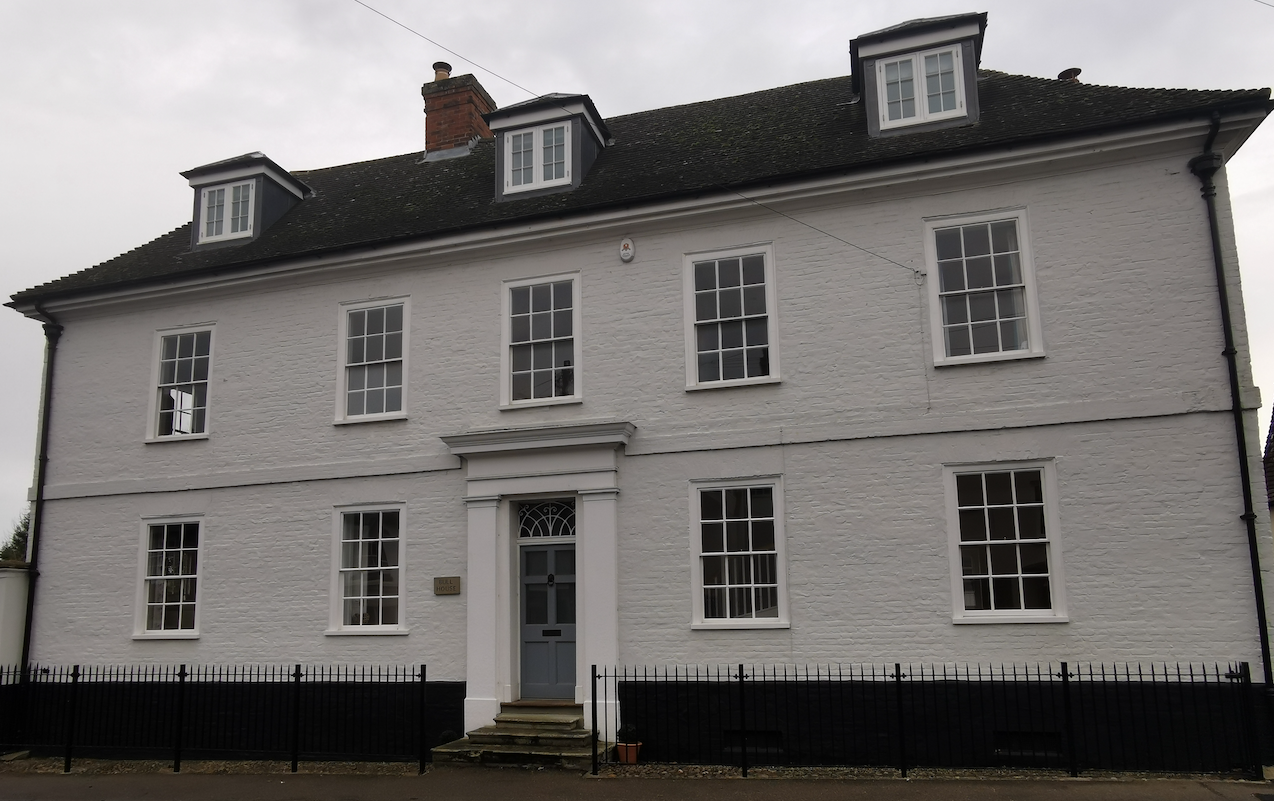
The Black Bull is the substantial red brick building faced with stucco now occupied by Mrs William Day. Viewed from the back it has a much more ancient appearance than from the front. This was in existence as early as 1700. For on June 9th of that year Squire Millicent of Barham, writing to his friend Oliver le Neve, says: “We met at the Bull and drank the health of the honest gentlemen of Norfolk in two bowls of the old ingredients.”
The Bull yard went through to Horne Lane near Our Lady’s Bridge; a large malting stood in it.
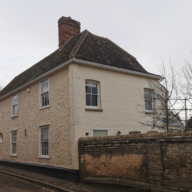
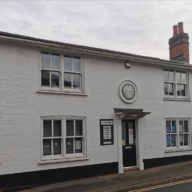
House, formerly the Bull Inn, now two dwellings. c.1700. Red brick, painted front and side elevations, timber-framed and plastered gables to rear.
The Black Bull, recorded in 1694 and where the Turnpike Trustees met in 1767, became one of the first private schools in Linton in 1777.
Historic England
Projects
Contribute
Do you have any information about the people or places in this article? If so, then please let us know using the Contact page or by emailing capturingcambridge@
Licence
This work is licensed under CC BY-NC-SA 4.0