Search by topic
- archaeology
- Building of Local Interest
- chapel
- charity
- church
- crime
- dressmaker
- Great Eastern Railway
- Listed building
- Mapping Relief
- medieval
- oral history
- poverty
- Public House
- railway worker
- Religious House
- Roman
- scholar
- school
- Then and Now
- tudor
- women
- work
- world war one
- world war two
Search by text


Bridge Inn, Twenty Pence Inn, Wilburton
History of the Bridge Inn
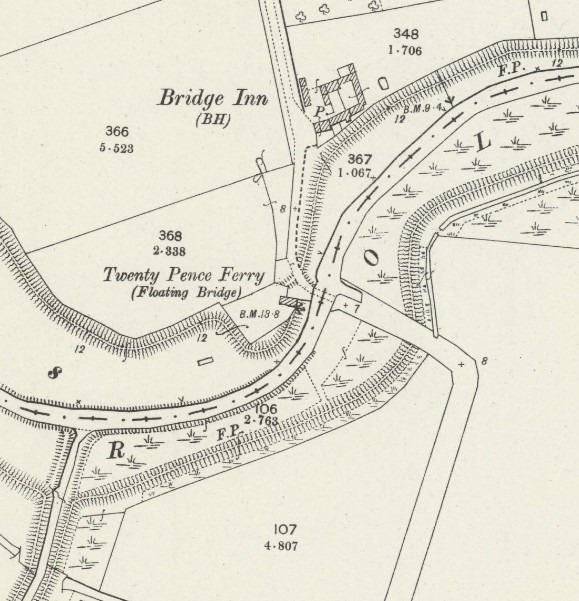
Bridge Inn Wilburton (Twenty Pence Inn) OS map 1901
The name Twenty pence comes from the name of a thirty acre parcel of land that was described in Richard Atkins’ Survey of the Fens in 1604.
1900
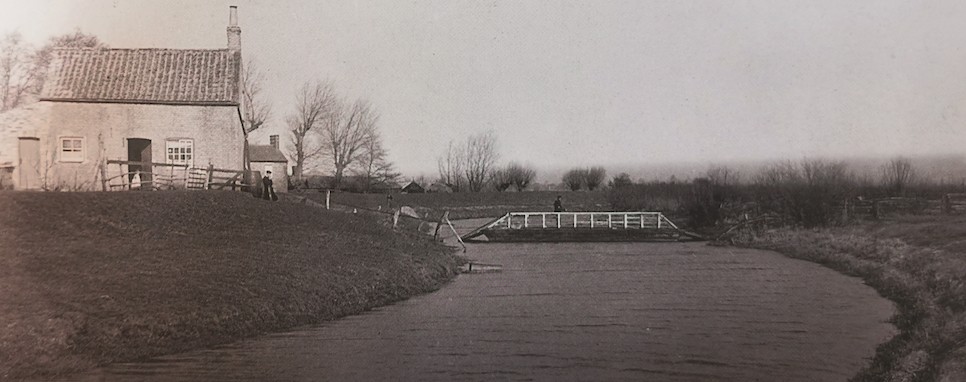
Twenty pence Ferry, 1900 (photo J H Bullock) (Cambridgeshire Collection)
This was a floating bridge attached by chains on either side of the river. By 1903 it was in poor condition. The owner refused to do any repairs as they argues a bridge was needed. However, there was a public road on one side and a private, the Aldreth Causeway, on the other.
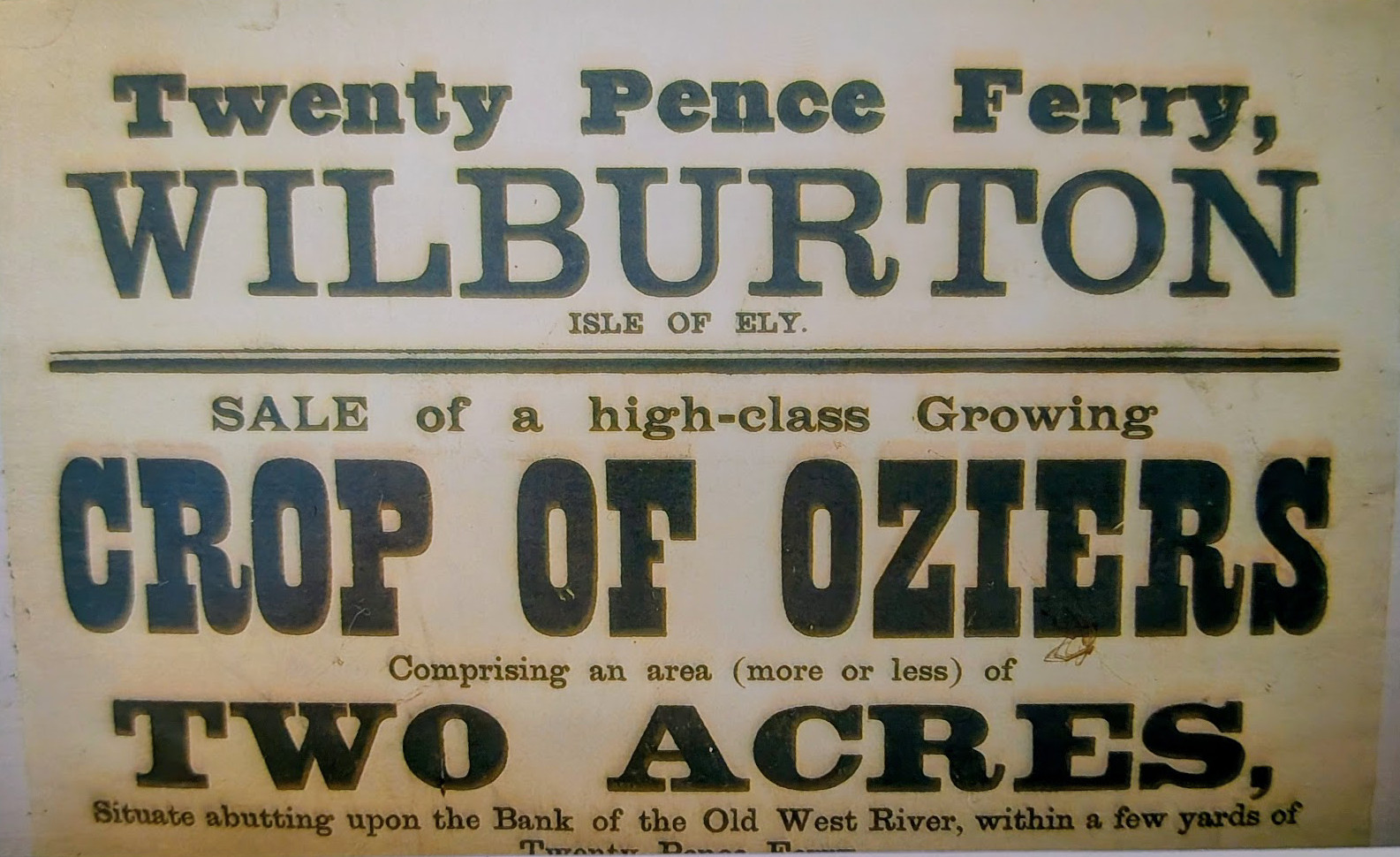
Twenty pence Ferry
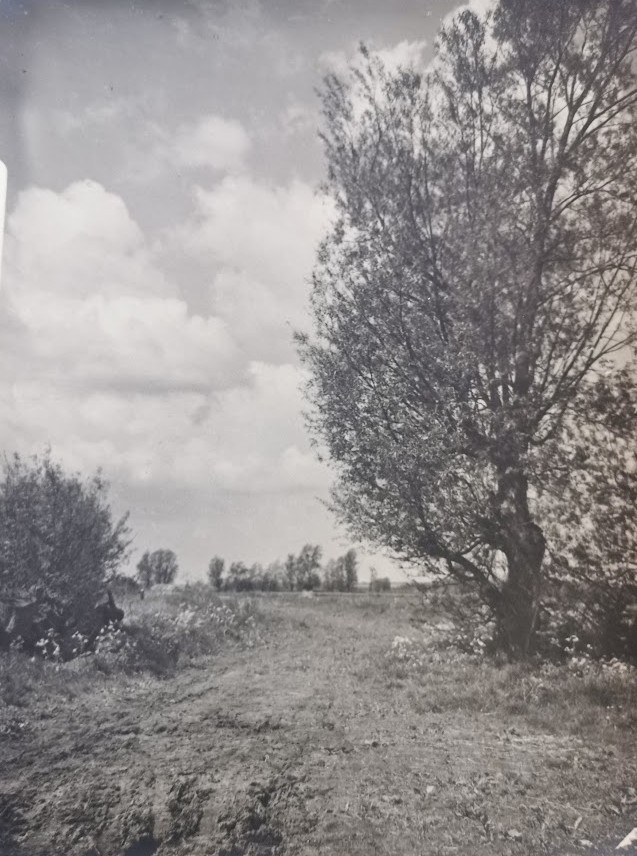
Near Twenty pence (undated) MoC125/57)
1907 -1931
After the drawbridge was removed, to cross the river you had to shout for the bargeman Albert Savage who lived in the cottage opposite the public house.
1931
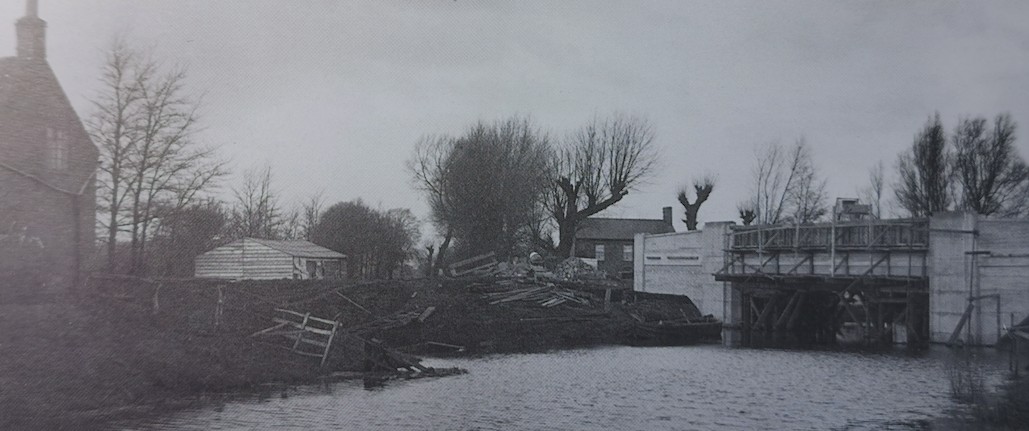
Twentypence Bridge, 1931, Wilburton (photo D G Reid)(Cambridgeshire Collection)
A scheme was proposed in 1927 to replace the ferry with a bridge which was finally built in 1931 at a cost of £8,000.
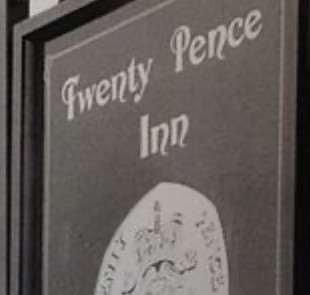
Twenty Pence Inn 1982
1982
The landlords of the Twenty Pence Inn near Cottenham invited the Queen and the Prime Minister to a party to celebrate the introduction of the new 20p coin. But they both had other engagements. A special Twenty Pence Ale – brewed for the occasion – was on sale but could only be bought with a 20 pence coin. A display of old brewing equipment was loaned from Haddenham Farmland Museum and music supplied by Cottenham Brass Band and the Steve Anthony Duo. (Press 10/6/1982)
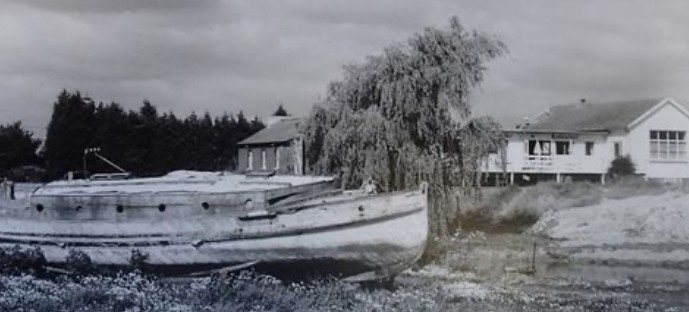
Twenty Pence Inn 1991
Projects
Contribute
Do you have any information about the people or places in this article? If so, then please let us know using the
Contact page or by emailing
capturingcambridge@
Licence
This work is licensed under
CC BY-NC-SA 4.0


 not including content on external links as indicated
by
not including content on external links as indicated
by .
.