Search by topic
- archaeology
- Building of Local Interest
- chapel
- charity
- church
- crime
- dressmaker
- Great Eastern Railway
- Listed building
- Mapping Relief
- medieval
- oral history
- poverty
- Public House
- railway worker
- Religious House
- Roman
- scholar
- school
- Then and Now
- tudor
- women
- work
- world war one
- world war two
Search by text


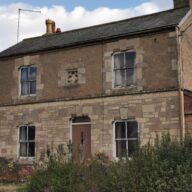
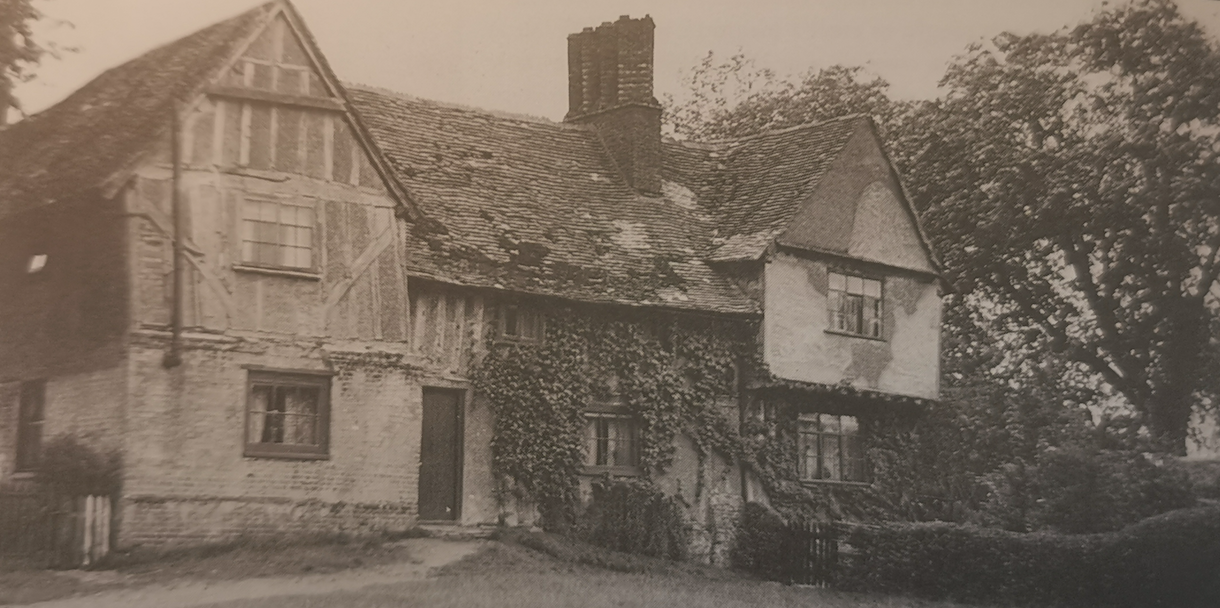 Croxton Manor House, 1938 (photo E Rolleston) (Cambridgeshire Collection)
Manor House, Croxton
History of the Manor House
Listed Building
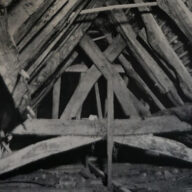
Manor house. Late C15 or early C16. Timber-frame exposed and plastered with C17 red brick plinth and walls. C19 brick casing to rear. (Historic England)
R Riley, Croxton: Chronicles of a Village, notes that in 1906 Croxton manor was divided into three homes for estate workers. Ernest Saywell, chauffeur at Croxton park, kept a shop in the centre part selling sweets, groceries and cigarettes. It later became two homes: Miss Bowie, Lord and Lady Eltisley’s personal secretary, occupied the eastern and centre part with Alf and Ada Jakes remaining on the west side until their death.
Vanishing Cambridgeshire adds: By 1981 it had fallen into disrepair and there were plans to convert it into a pub. However the whole of Croxton estate was sold in 1984 and the village renovated.
1911 The Stables, Croxton
Ernest Edward Saywell, 33, chauffeur, b Croxton
Ernest was the son of Abraham Saywell, shoemaker and butcher.
1920
Alfred and Ada James and the Saywell family are listed on the electoral roll as living ‘in village.’
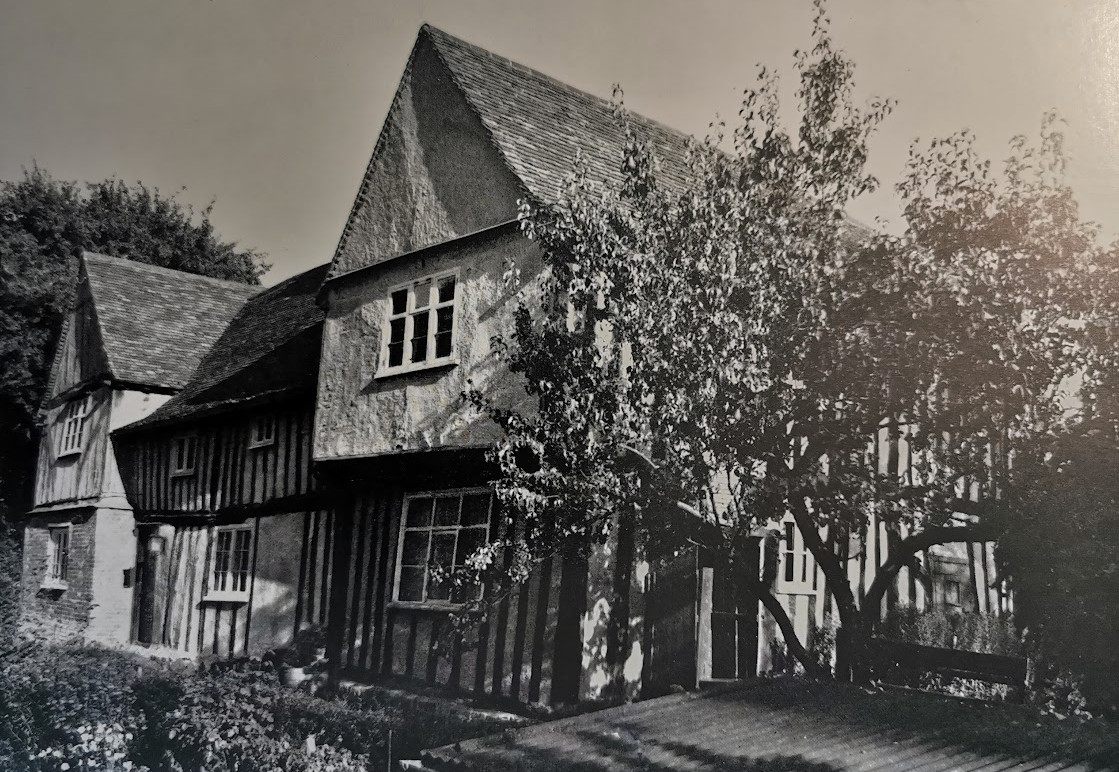
Croxton Manor House, late medieval (RCHM)
In 2022 AL sent this email:
Before Miss Bowe moved in the eastern side of the Manor House my parents lived there. Jack and Ida Lindsey and family lived there. When Miss Bowie moved in we moved to a cottage just up the road. Then my parents moved to St Neots. I believed it is still called Lindsey cottage.
Projects
Contribute
Do you have any information about the people or places in this article? If so, then please let us know using the Contact page or by emailing capturingcambridge@
Licence
This work is licensed under CC BY-NC-SA 4.0