Search by topic
- archaeology
- Building of Local Interest
- chapel
- charity
- church
- crime
- dressmaker
- Great Eastern Railway
- Listed building
- Mapping Relief
- medieval
- oral history
- poverty
- Public House
- railway worker
- Religious House
- Roman
- scholar
- school
- Then and Now
- tudor
- women
- work
- world war one
- world war two
Search by text


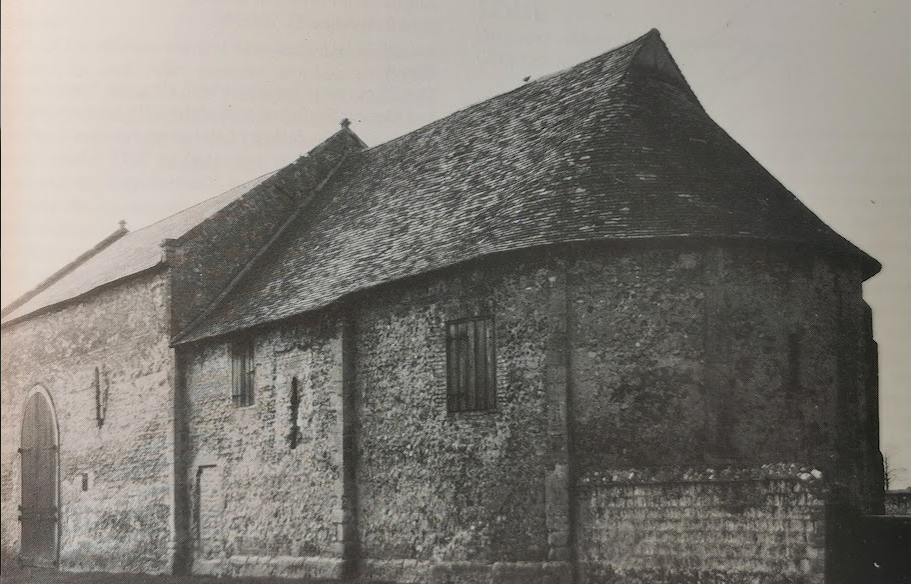 Priory chapel, Isleham (Religious Houses of Cambs, 1988)
Priory Church of St Margaret, Isleham
History of Priory Church
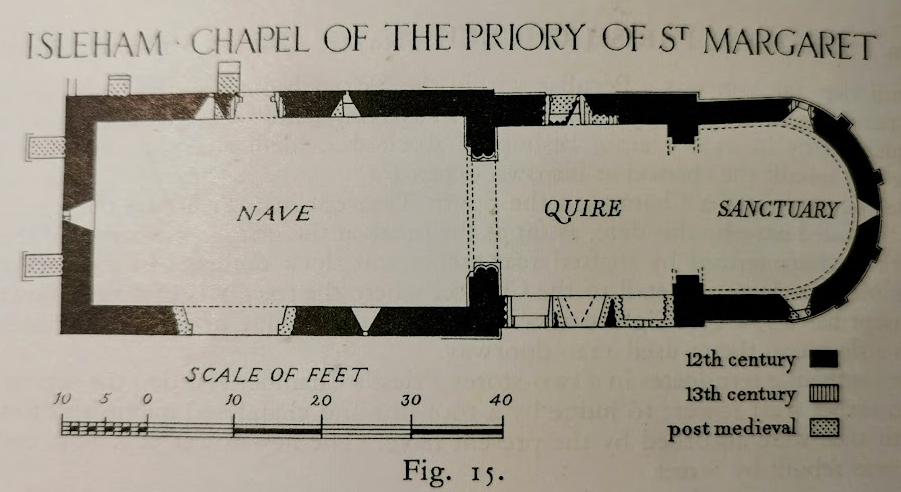
Priory Church, Isleham (Royal Archaeological Institute 1967)
A small Benedictine priory of c.1080-90 built by Count John and given to the abbey of St. Jacut in Brittany. Later it was used as a barn and now it is in the care of the Department of the Environment. Although restoration has taken place, the priory is substantially intact and remains a rare example of Romanesque work.
A small priory was founded shortly after the Norman Conquest by Count Alan of Brittany with monks from the Abbey of St Jacut in Brittany. In 1254 the monks moved to Linton and the Isleham estate was left as a manor. The lands were seized by the Crown in 1414 as they belonged to an alien Priory and were granted to Pembroke Hall in 1440. The Priory at Linton and the other estates passed to Pembroke College in 1450.
Priory buildings were destroyed but the church survived as a barn. In 1914 Pembroke College gave it to the government, the church is virtually intact.
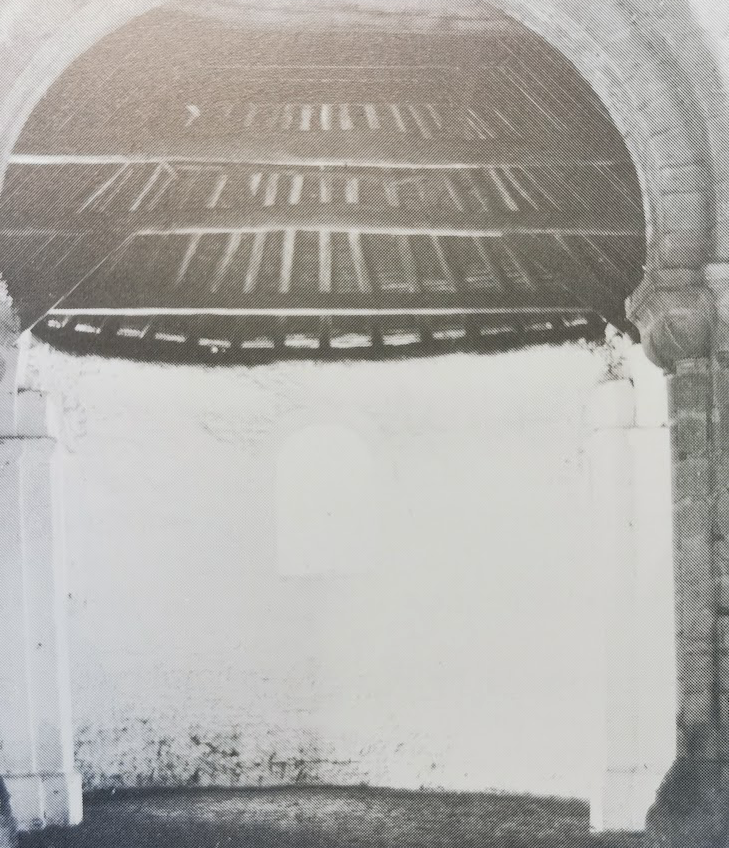
Isleham, chapel interior (Religious Houses of Cambs, 1988)
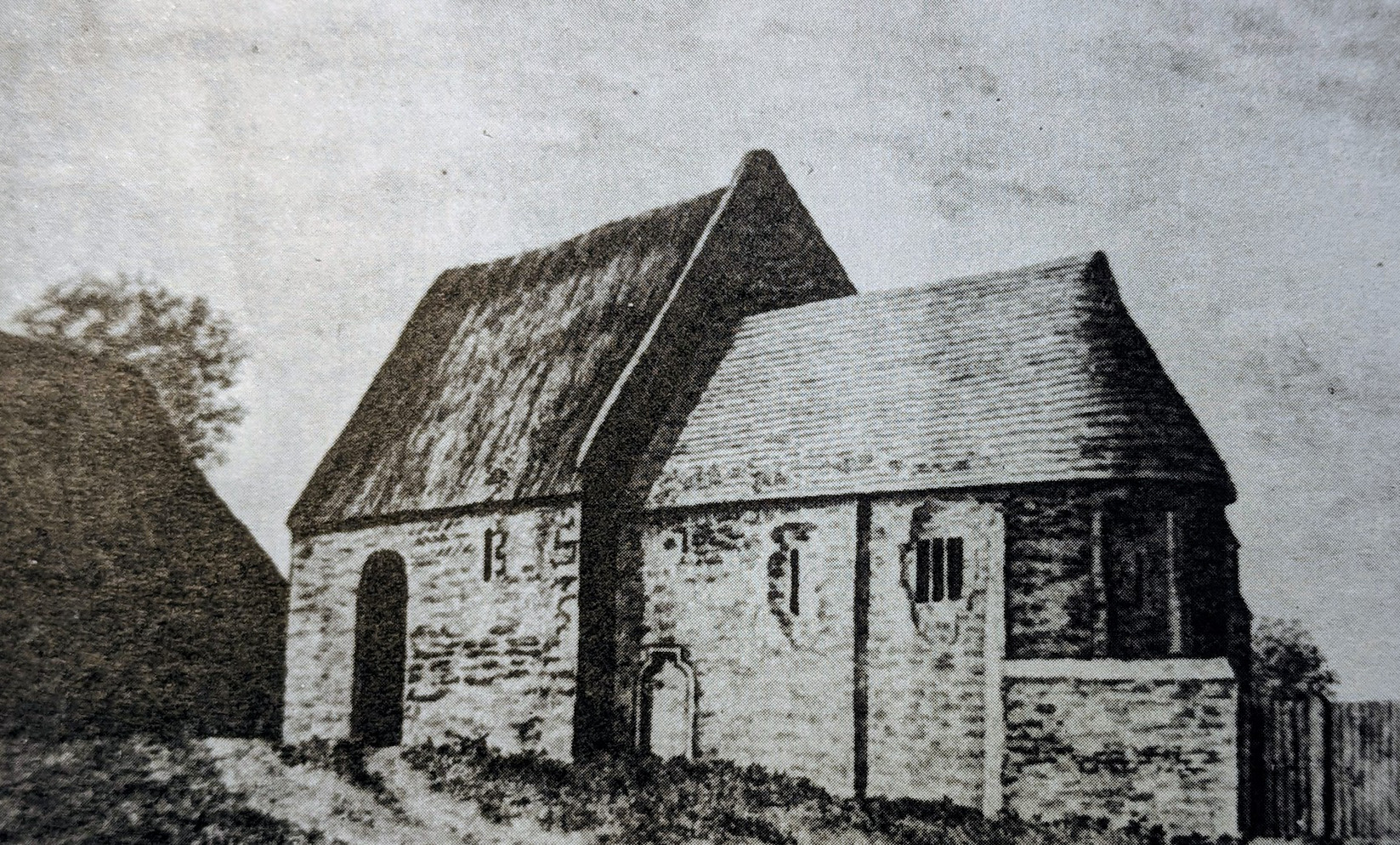
Priory, Church Street, Isleham date unknown
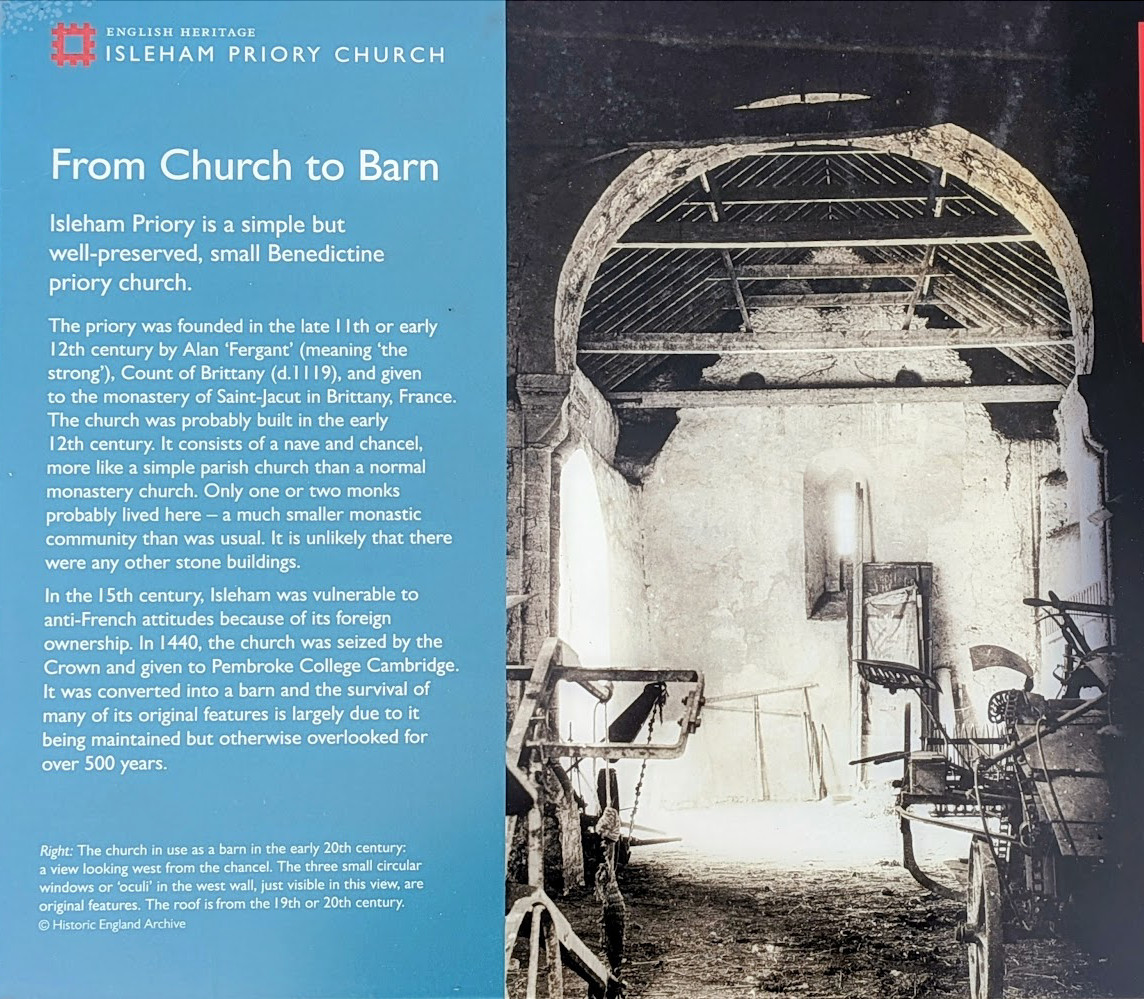
Isleham Priory
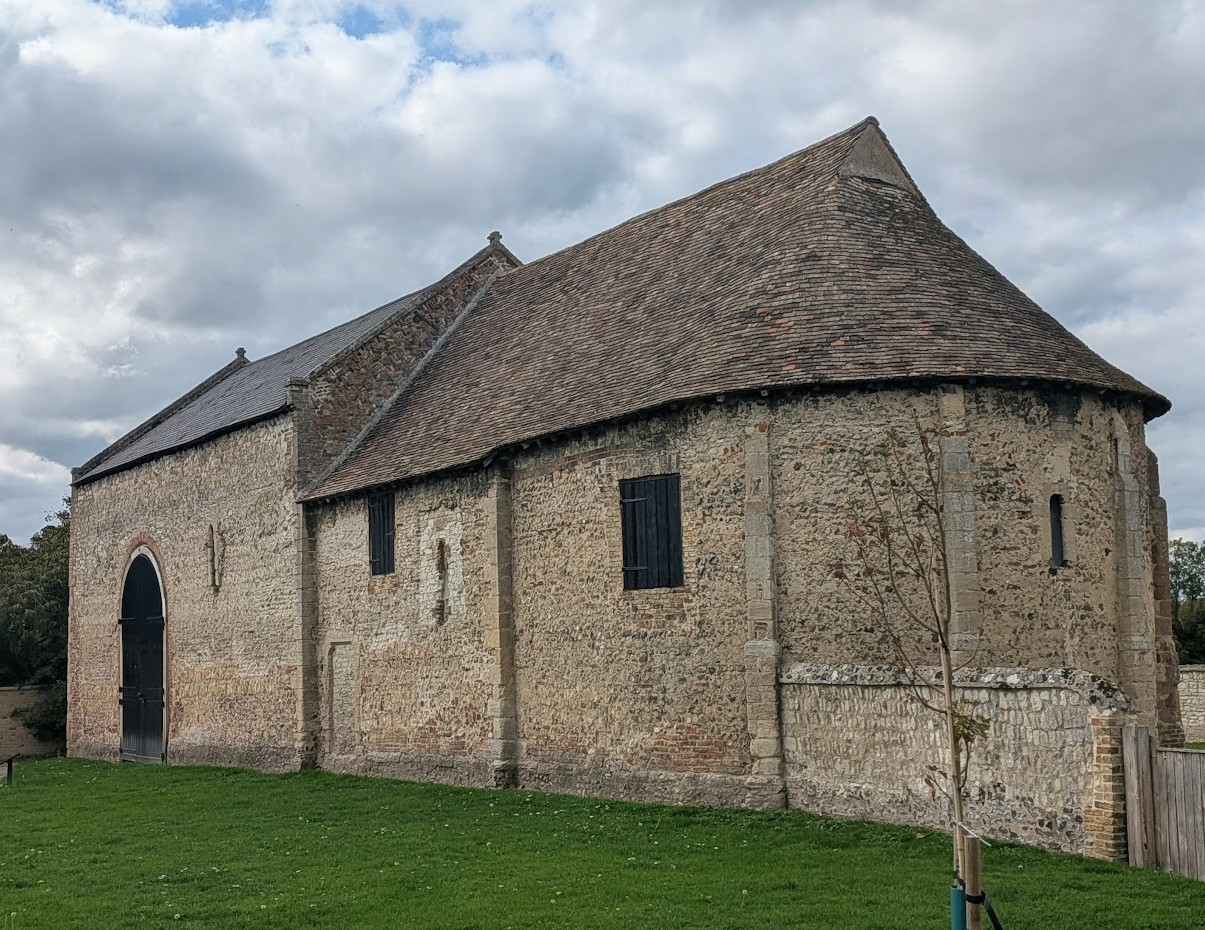
Isleham Priory (RGL2025)
Projects
Contribute
Do you have any information about the people or places in this article? If so, then please let us know using the Contact page or by emailing capturingcambridge@
Licence
This work is licensed under CC BY-NC-SA 4.0