Search by topic
- archaeology
- Building of Local Interest
- chapel
- charity
- church
- crime
- dressmaker
- Great Eastern Railway
- Listed building
- Mapping Relief
- medieval
- oral history
- poverty
- Public House
- railway worker
- Religious House
- Roman
- scholar
- school
- Then and Now
- tudor
- women
- work
- world war one
- world war two
Search by text


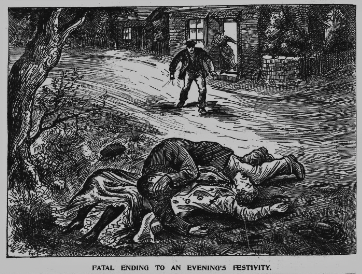 Feast Day Tragedy, Illustrated Police News 7.8.1913
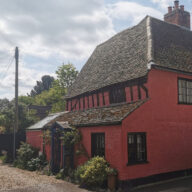
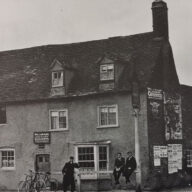
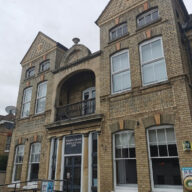
Bell Inn, 23 Huntingdon Road, Brampton
History of the Bell Inn
Listed Building
House, formerly an inn, of two building periods. c.1600 timber famed and rendered bay with late C17 or early C18 slightly projecting bay of brick, rendered, to west.
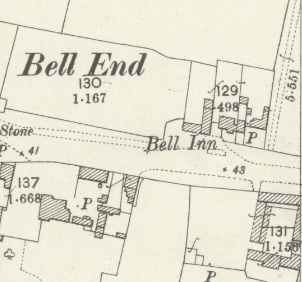
Brampton, OS 1901
The events of this murder are described in detail in ‘Cambridgeshire Murder’s by Alison Bruce.
Two who attended the Brampton feast in 1913 were Frederick and Martha Jane Seekings, who were assumed to be married. Frederick was from the Chatteris area and was described by the rector of Brampton as having learning difficulties.
Martha was discovered after her death not to have been married to Frederick. her name was in fact Beeby. She had married a Leonard Beeby by whom she had had four children. The family had moved to Desborough, then Rothwell, before running off with a showman called Blott in 1894.
Beeby and Seekings were together for several years living in Alconbury. They moved to Brampton in 1906 or 1907. They were well known for their heavy drinking.
On the feast day, 28th July 1913, both had been drinking. After closing time both were discovered collapsed outside the pub. An hour later they were both found collapsed on the Thrapston Road. This time Beeby was dead.
The police were called and found a blood covered knife in his left trouser pocket.
On 31st July Beeby was buried in Brampton. On 2nd August Seekings was taken to the gaol in Cambridge.
The trial opened on 14th October. The jury took 15 minutes to find him guilty. He was hung the morning 4th November. He was the last criminal to be executed in Cambridgeshire.
A detailed account of the trial can be found in the Cambridge Daily News 15.10.1913.
The execution was reported in the Cambridge Daily News 4.11.1913.
Projects
Contribute
Do you have any information about the people or places in this article? If so, then please let us know using the Contact page or by emailing capturingcambridge@
Licence
This work is licensed under CC BY-NC-SA 4.0