Search by topic
- archaeology
- Building of Local Interest
- chapel
- charity
- church
- crime
- dressmaker
- Great Eastern Railway
- Listed building
- Mapping Relief
- medieval
- oral history
- poverty
- Public House
- railway worker
- Religious House
- Roman
- scholar
- school
- Then and Now
- tudor
- women
- work
- world war one
- world war two
Search by text
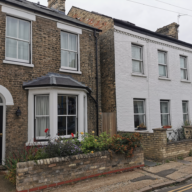
The Great War in St John’s Parish: Luard Road
World War One - Luard Road
1 Wexcombe: Arthur D Billett b. 1894, was a corporal with the Essex Yeomanry & Corps of Dragoons. He married in 1916 Emma Dorothy Baynes, aged 23, nursemaid at Wexcombe.
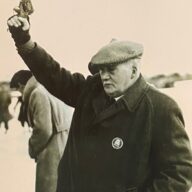
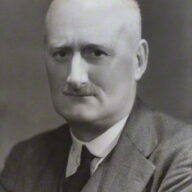
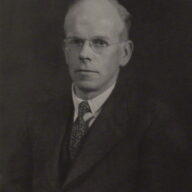
5 Dysart: Professor German Sims Woodhead (1855-1921) was professor of pathology. He was appointed colonel in the R.A.M.C (T) at the beginning of World War I and was for some time head of a camp in Tipperary. He was then appointed inspector of laboratories in the military hospitals in the UK, a post which involved perpetual travelling and discomfort, the starin of which no doubt conduced to the signs of serious over-work from which of late he suffered. In 1919 he was created K.B.E. in recognition of his valuable war work. (from obituary in Nature, 109,5 January 1922)
11 Navan: Gerald Hugh Smyth was the eldest son of Mr and Mrs John Smythe and had been educated at the Perse School. He had wanted to fly from a young age but at 16 was too young to be commissioned so joined the R.N. armoured cars and saw service in Belgium, France, Russia, Turkey, Romania, Galicia and the Caucasus. For his services in Russia he was awarded St. Stanislaus medal and the medal of St Ann. After the Russian Revolution in 1917 he returned to England and was commissioned into the RNAS as a second lieutenant in the No. 2 Flying School RAF. On 5/9/18 at Marske-on-Sea, Yorkshire, just six hours before leaving for the front, he was flying a Sopwith Camel which stalled at 700 feet, spun and crashed. He was buried in Trumpington. Before the war his parents had lived at The Laurels in Cavendish Ave.
His mother, Annie Eliza Smyth, b.1877, volunteered for the Red Cross and worked from 1916-1917 as a cook at Huntley VAD hospital.
6 Noarlunga: the Belgian refugee Mms Flechi was hosted here as reported in the Cambridge press of 23/10/14.
4 Southdene: Fanny Austin, parlour maid of the household, married Henry T Jarvis, a sapper in the Royal Engineers on 7/1/18 at St John’s.
Projects
Contribute
Do you have any information about the people or places in this article? If so, then please let us know using the Contact page or by emailing capturingcambridge@
Licence
This work is licensed under CC BY-NC-SA 4.0