Search by topic
- archaeology
- Building of Local Interest
- chapel
- charity
- church
- college servant
- crime
- dressmaker
- Great Eastern Railway
- Listed building
- Mapping Relief
- medieval
- oral history
- poverty
- Public House
- railway worker
- Roman
- scholar
- school
- Then and Now
- tudor
- women
- work
- world war one
- world war two
Search by text


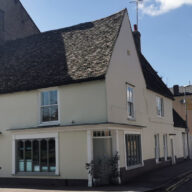
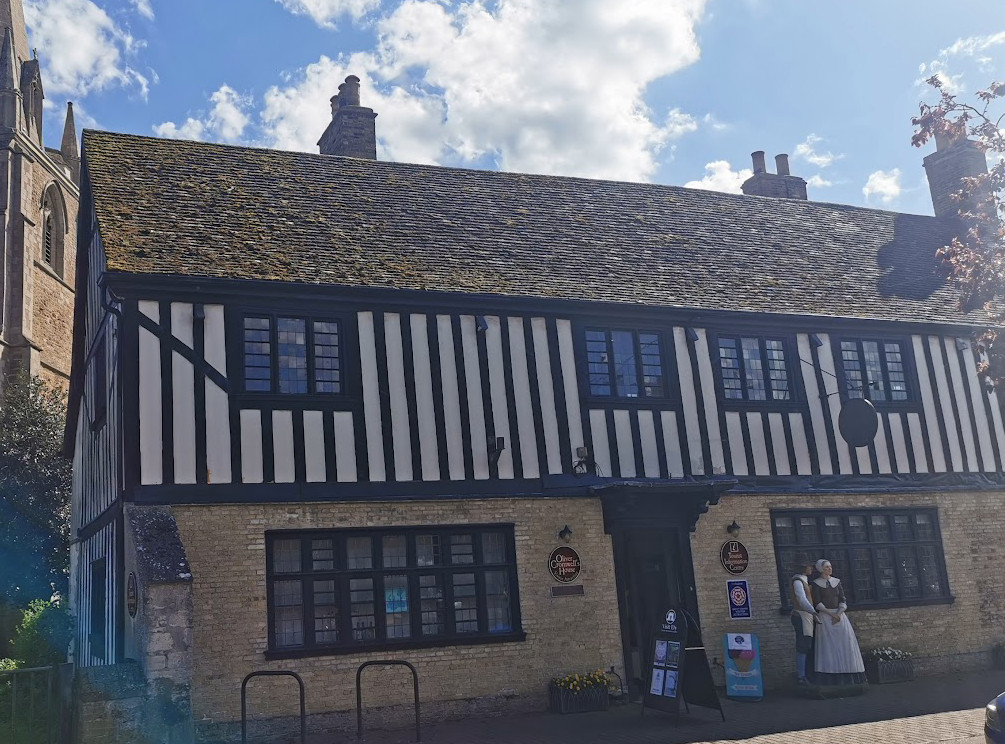 29 St Mary's Street, Ely (RGL2025)
Cromwells House, 29 St Mary’s Street, Ely
History of 29 St Mary's Street
Listed Building
Mainly a C16 timber-framed and plastered house with exposed timber framing on the front block. A brick and stone wing extends to the south at the rear. It has some traces of earlier work including stone arches of circa 1380. Two storeys.
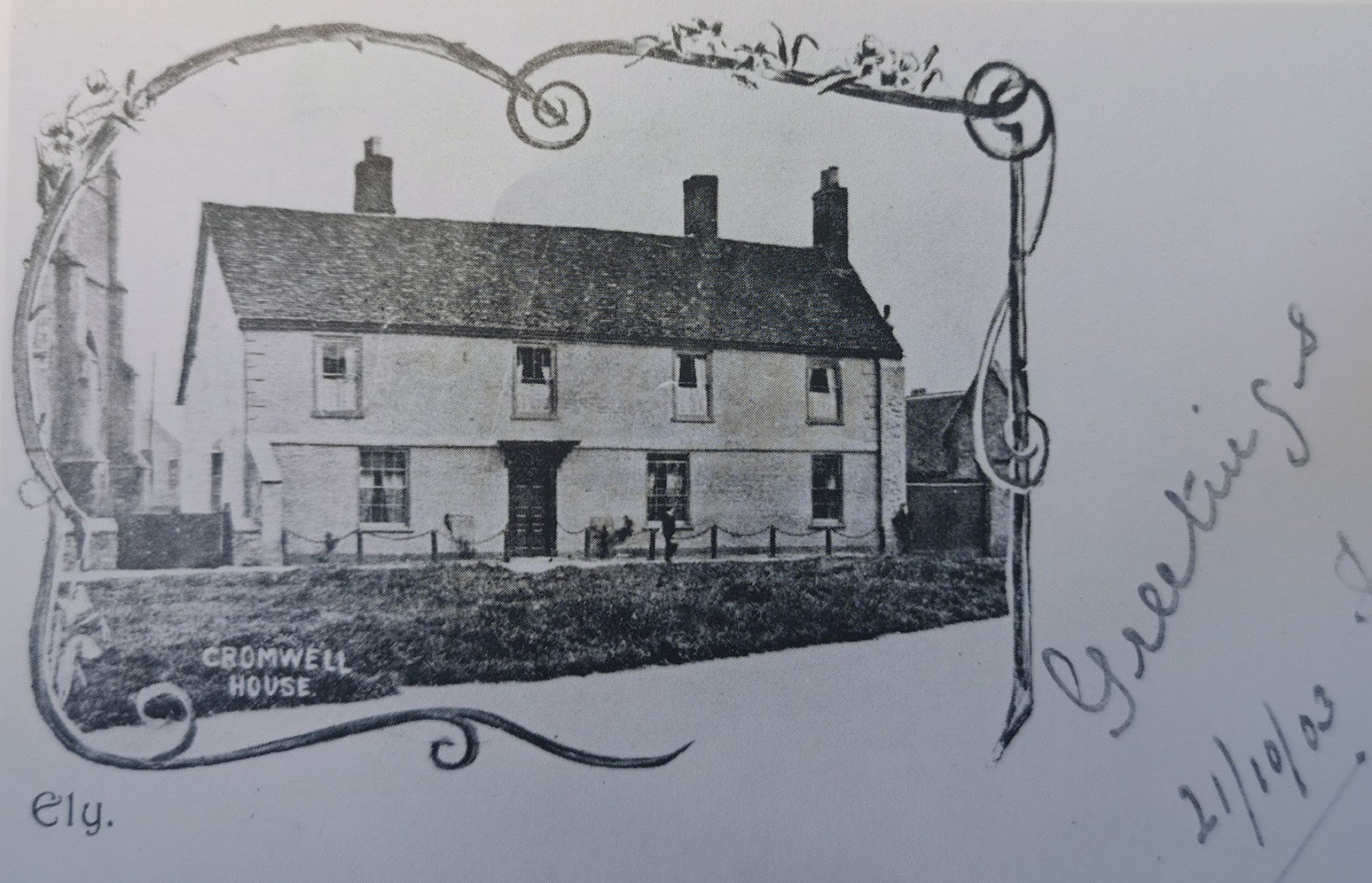
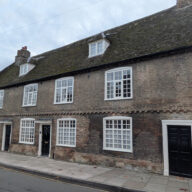
Cromwell House, Ely c.1900
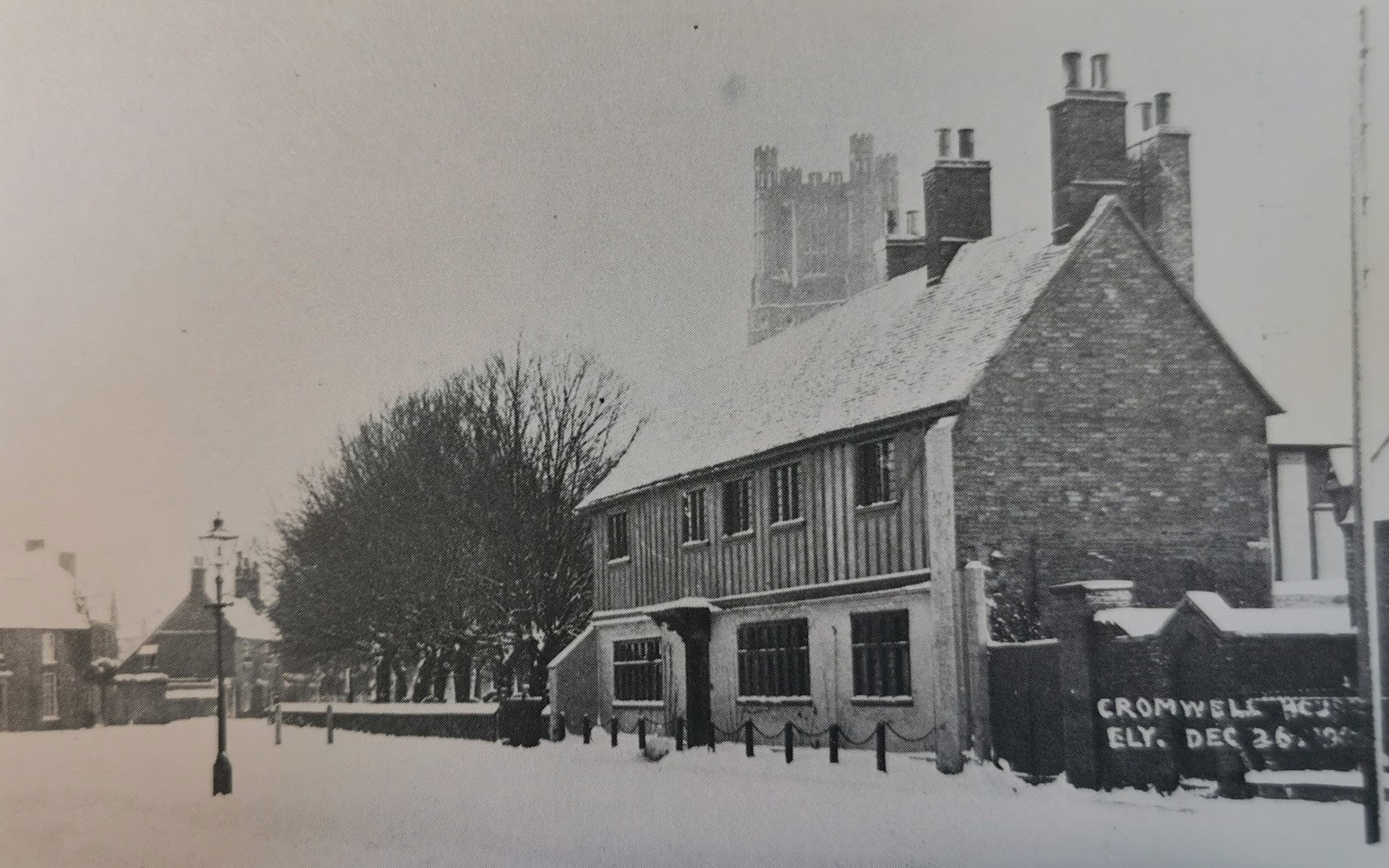
Cromwell House c.1906
1939
Maurice H Knowles, 1888, clerk in Holy Orders
According to a survey of Ely made in 1416 a house is described adjoining the church yard which seems to have been the one known later on as the Rectory, Cromwell House, and then the Vicarage. The earliest house was probably built by the Priors of Ely for use by the Brethren appointed in charge of the Tithe. Later the receipts of the Tithe were farmed out to the Styward family for collection. In 1636, on the death of Sir Thomas Thomas Styward, Oliver Cromwell, Styward’s nephew, assumed the role and was followed by other so-called ‘farmers’ until the death of the last of those to hold the post, Jonathan Page, in 1840.
In 1843 the Dean and Chapeter sold the house to Jospeh Rushbrook, landlord of the Cromwell Arms.
1871 sold to Henry Lawrence
1890 bought by Dr Beckett
1905 sold by Dr Beckett’s widow to Dr Punchard.
See: Cromwell and the old house at Ely by E G Punchard (1906)
Projects
Contribute
Do you have any information about the people or places in this article? If so, then please let us know using the
Contact page or by emailing
capturingcambridge@
Licence
This work is licensed under
CC BY-NC-SA 4.0


 not including content on external links as indicated
by
not including content on external links as indicated
by .
.