Search by topic
- archaeology
- Building of Local Interest
- chapel
- charity
- church
- crime
- dressmaker
- fire
- Great Eastern Railway
- Listed building
- Mapping Relief
- medieval
- oral history
- poverty
- Public House
- Religious House
- Roman
- scholar
- school
- Then and Now
- tudor
- women
- work
- world war one
- world war two
Search by text
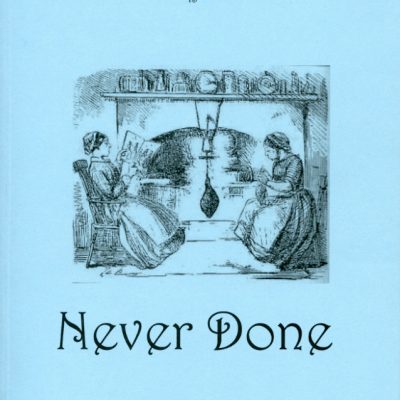
Fenland Words: Sayings and Expressions from Cambridgeshire
A collection of sayings, expressions and dialect words from the Cambridgeshire Fens, preserving the distinctive language and humour of Fenland communities.
Exhibition: Fenland Words
This collection records a wide range of sayings, expressions and local words used in the Cambridgeshire Fens.
Compiled from oral sources and memory, it captures:
- Everyday speech
- Humour and wit
- Local identity
(see title and introductory pages)
1. A language rooted in place
Fenland speech reflects:
- Rural life
- Agricultural work
- Close-knit communities
Many sayings relate directly to:
- weather
- farming
- animals
- daily experience
2. Proverbs and sayings
The collection includes familiar and distinctive expressions such as:
- “A stitch in time saves nine”
- “As bad as a coot”
- “Bright as a button”
Alongside more localised phrases such as:
- “Duffus” – a dovecote
- “Slub” – wet mud
- “Dockey” – a meal or packed food
(see pages 1–3)
3. Humour and exaggeration
Many sayings rely on exaggeration and humour:
- “As batty as a fruit cake”
- “Has a mouth like a barn door”
- “Wouldn’t know the truth if it jumped up and bit him”
These expressions show a culture rich in:
- sharp observation
- playful language
4. Rhymes and oral tradition
The booklet also preserves:
- rhyming couplets
- seasonal sayings
- children’s rhymes
Examples include:
- “Red sky at night, shepherd’s delight”
- “Sticks and stones will break my bones…”
(see page 3)
5. Beliefs and superstitions
Some sayings reflect traditional beliefs:
- Weather prediction
- Seasonal change
- Good and bad luck
For example:
- references to May Day customs
- sayings linked to farming cycles
6. Childhood and memory
Language is closely tied to childhood experience.
Later sections of the booklet include recollections of:
- growing up in the 1940s
- school life
- games and routines
These memories show how language was:
- learned
- shared
- passed between generations
(see “Recollections of a Cambridgeshire Childhood”, pages 6–12)
7. Everyday life captured in words
Sayings often reflect:
- food and rationing
- shopping habits
- work and travel
For example:
- references to ration books
- local shops and trades
- domestic routines
(see pages 15–17)
8. Storytelling and the supernatural
The booklet also includes:
- ghost stories
- unexplained events
- local legends
These accounts highlight:
- oral storytelling traditions
- shared community narratives
(see pages 14–16)
9. Poetry and local writing
Some contributors include:
- poems
- verse
- reflective writing
For example:
- Barry Hadder’s verses about Mepal and Fenland life
(see pages 16–17)
10. Language as identity
The final section highlights distinctive Fenland words, such as:
- “Chats” – small potatoes
- “Doddy” – small
- “Yourn” – belonging to you
These terms reflect a unique regional vocabulary.
(see final page)
Projects
Contribute
Do you have any information about the people or places in this article? If so, then please let us know using the Contact page or by emailing capturingcambridge@
Licence
This work is licensed under CC BY-NC-SA 4.0