Search by topic
- archaeology
- Building of Local Interest
- chapel
- charity
- church
- crime
- dressmaker
- fire
- Great Eastern Railway
- Listed building
- Mapping Relief
- medieval
- oral history
- poverty
- Public House
- Religious House
- Roman
- scholar
- school
- Then and Now
- tudor
- women
- work
- world war one
- world war two
Search by text
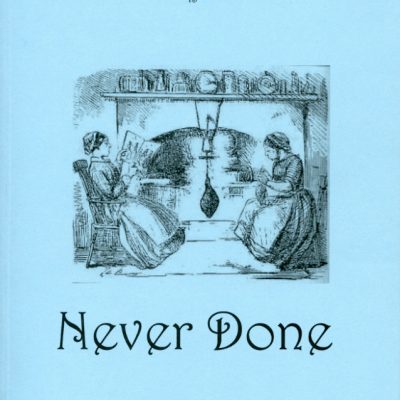
“Reflections of a Country Woman”: Mabel Demaine and Life in a Fenland Village
“Reflections of a Country Woman”: Mabel Demaine and Life in a Fenland Village
Exhibition: “Reflections of a Country Woman”
This exhibition presents the life of Mabel Demaine (1908–1980), a lifelong resident of Haddenham, whose memories provide a detailed account of everyday life in a Fenland village in the early twentieth century.
Recorded and preserved through the Farmland Museum oral history collection, her recollections offer a rare and personal insight into:
- Childhood
- Work and family life
- Village customs
- War and social change
1. Growing up in Haddenham
Mabel describes a childhood shaped by:
- Strong community ties
- Seasonal rhythms
- Limited material wealth but rich social life
Village events such as Feast Week, concerts and cricket matches played an important role in bringing people together (see pages 5–6).
Entertainment was often homemade:
- Concerts and recitations
- Games and outdoor play
- Community celebrations
2. A village before modern life
Her memories describe a world before modern conveniences:
- No radio or television
- Limited access to shops
- Travel mainly by foot or horse
Shopping trips to Ely were occasional and significant events, rather than everyday activities.
Despite this, the village is remembered as:
“flourishing and alive”
3. School and childhood experience
Mabel’s account of schooling includes:
- Attendance at the village school
- Physical hardship and illness
- Strict discipline
One vivid memory describes the social stigma of “school nits” and the routines used to manage them (page 10).
Childhood combined:
- Hardship
- Responsibility
- Moments of enjoyment and independence
4. Work and domestic life
Life in Haddenham required constant effort.
Mabel recalls:
- Large families living in small cottages
- Continuous domestic labour
- The importance of cleanliness and order
Women played a central role in maintaining the household and supporting family life.
5. Village customs and traditions
A particularly rich section describes traditional customs:
- Gooding Day – supporting widows before Christmas
- Plough Monday traditions
- May Day (“Mayladying”)
These customs reflect:
- Community responsibility
- Seasonal rhythms
- Shared cultural practices
(see pages 9–10)
6. Shops and village economy
Mabel provides detailed descriptions of village shops:
- Grocers and bakers
- Delivery systems
- How goods were measured and sold
Shopping involved:
- Careful budgeting
- Personal relationships with shopkeepers
- A slower, more localised economy
(see pages 10–11)
7. Spring cleaning and domestic routines
Seasonal domestic work was intensive.
Spring cleaning involved:
- Washing walls and fabrics
- Cleaning chimneys
- Preparing the home for the year ahead
Without electricity or modern appliances, these tasks required significant time and effort (page 12).
8. Christmas and family life
Christmas memories are particularly vivid:
- Decorating homes
- Preparing special meals
- Visiting relatives
These moments provided relief from everyday hardship and reinforced family and community bonds (page 13).
9. Food and rural practices
Food preparation was central to village life.
Mabel describes:
- Pig killing and pork preparation
- Preserving meat
- Sharing food within the community
These practices required both skill and collective effort (page 14).
10. War comes to Haddenham
The Second World War brought significant change.
Mabel recalls:
- Military presence in the village
- Training exercises and troop movements
- Evacuees arriving from London
The war disrupted everyday life but also brought new experiences and connections (pages 11–13).
11. Life at Stone Cross Farm
Later sections describe life on the farm:
- Working animals and agricultural routines
- Family relationships
- Daily work and responsibilities
These accounts provide a detailed picture of farming life in the Fens.
12. People and village characters
Mabel’s memories include vivid portraits of local people:
- Family members
- Farm workers
- Village characters
She recalls names, nicknames and personalities, preserving a sense of community identity (pages 15–17).
Sources
- Book
- Oral / Unpublished Sources
Contribute
Do you have any information about the people or places in this article? If so, then please let us know using the Contact page or by emailing capturingcambridge@
Licence
This work is licensed under CC BY-NC-SA 4.0