Search by topic
- archaeology
- Building of Local Interest
- chapel
- charity
- church
- crime
- dressmaker
- fire
- Great Eastern Railway
- Listed building
- Mapping Relief
- medieval
- oral history
- poverty
- Public House
- Religious House
- Roman
- scholar
- school
- Then and Now
- tudor
- women
- work
- world war one
- world war two
Search by text
St Peter, Prickwillow
History of St Peter, Prickwillow

Prickwillow OS 1925
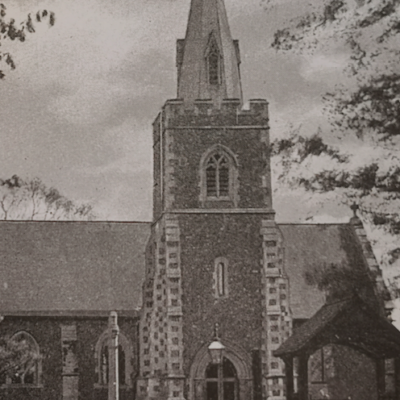
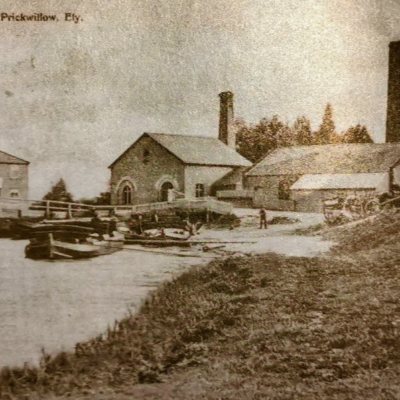
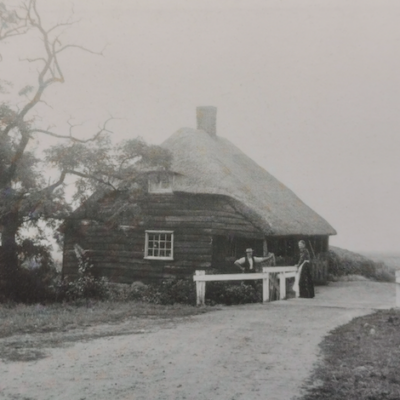
The church, and other buildings in the village, was built on piles. St Peter’s was built about 1867.
Burials were considered impossible because of the shifting nature of the soil, so corpses were carried nine miles to surrounding higher ground. The largest corn waggon would be used, two or three horses attached and the mourners would sit along the side of the waggon.
The 1893 article reported that in this part of the world, “there are houses of notoriously evil fame, opium eating is too common, popp-tea is administered to the babes to keep them asleep while the mothers are at work in the fields (which produces an evil effect that lasts through life); heavy drinking, fighting, barefaced poaching, and a terrible lack of truthfulness are among our abuses.”
In the summer drinkable water was hard to obtain since many of the dykes became stagnant. As a result typhoid and other water borne diseases were common.
Projects
Contribute
Do you have any information about the people or places in this article? If so, then please let us know using the Contact page or by emailing capturingcambridge@
Licence
This work is licensed under CC BY-NC-SA 4.0