Search by topic
- archaeology
- Building of Local Interest
- chapel
- charity
- church
- crime
- dressmaker
- fire
- Great Eastern Railway
- Listed building
- Mapping Relief
- medieval
- oral history
- poverty
- Public House
- Religious House
- Roman
- scholar
- school
- Then and Now
- tudor
- women
- work
- world war one
- world war two
Search by text
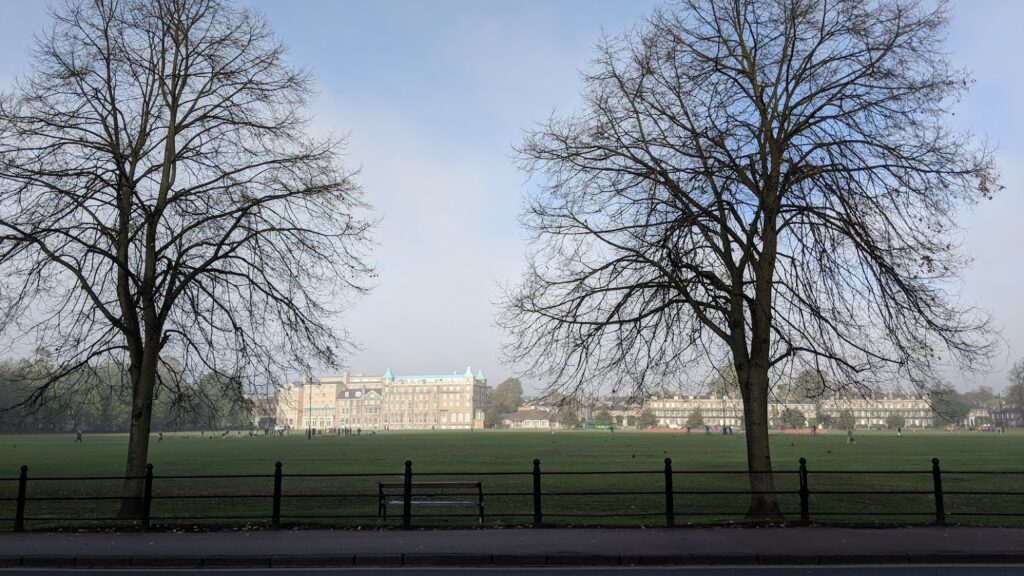 Parkers Piece
Legacies of Windrush: Parker’s Piece
Legacies of Windrush: Parker's Piece
A well-known park and garden near the city center, a place for cricket, music, laughter, and community.
Parker’s Piece has long been a cherished space for sport. While it is best known as the ground where the Cambridge Rules of Football were first put into practice, it has also played a vital role in the story of cricket in Cambridge.
In the nineteenth century, matches were regularly played there, and the ground became a beloved training field for generations of players. Jack Hobbs, one of the greatest batsmen known in English cricket, described Parker’s Piece as probably the finest and most famous public cricket ground in the world.
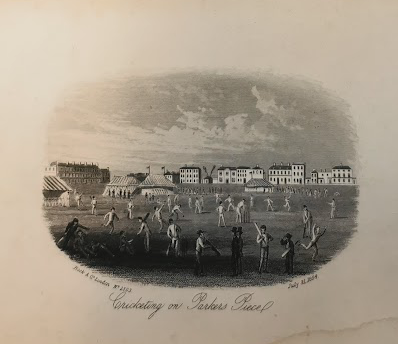
Cricket on Parker’s Piece, 1854 (MoC8.1130.37)
Cricket has long been more than just a sport in the Caribbean – it has been a cultural force, a source of pride, and a unifying thread across the islands. The rise of the West Indies cricket team as a dominant global force in the 1970s brought joy, affirmation, and recognition to Caribbean communities at home and abroad.
The Windrush Generation brought with them a deep passion for cricket. In Cambridge, this Caribbean way of life lived on through the creation of the Cambridge West Indian Cricket Club (CWICC), the regular practices and matches that followed, and the shared enjoyment of watching and talking about the game together.
The CWICC regularly played at Parker’s Piece. Jerry Lewis, captain of the CWICC 1982-1985, states, “Parker’s Piece was our home ground, and you are not going to come there and beat us. That was the spirit we had. We used to get a good crowd.”
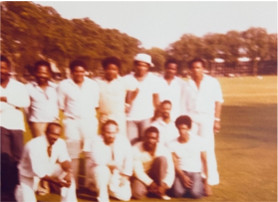
The Cambridge West Indian Cricket Team early 1970s (copyright Jerry Lewis)
The CWICC reflected the strength and spirit of Cambridge’s Caribbean Windrush community, formed with the promise to “forge links between the communities as well as inject new flair and enthusiasm into the local cricket league.” (CEN 25.08.1976 pg 9). In many ways, it fulfilled that promise.
Members recalled the club’s unique camaraderie and the bonds formed between players from different Caribbean islands. As Desmond Cuffy, captain of CWICC 1977-1982, remembered, “Everyone had their own phrases and banter with each other in their individual accents; Grenadians, Dominicans, St Lucians, Trinidadians, Jamaicans. We really enjoyed those years. We had to get to know each other – otherwise how would we have got on!”
Through their talent and competitive energy, the CWICC energized the local cricket scene and made matches more challenging and exciting. As Albert Gordon, who played for the club from 1967 to 1976, remembered, “We played in the Cambridgeshire Cricket League, and against the Cambridge Colleges. We had a very good team. Some of the guys from the University played first-class cricket, and we were just a town team, but they used to love playing us because they said the CWICC gave them the hardest game. We used to give them hell in our matches, and we would win sometimes. All the teams around Cambridge wanted to play the CWICC.”
Established by Jamaican-born academic Hugh Carrington in 1980, the Community Youth Club (CYC) Cricket team also practised on Parker’s Piece, nurturing young cricketers. Under Carrington’s guidance, a new generation learned not just how to play, but also received academic support, guidance, and a strong sense of belonging.
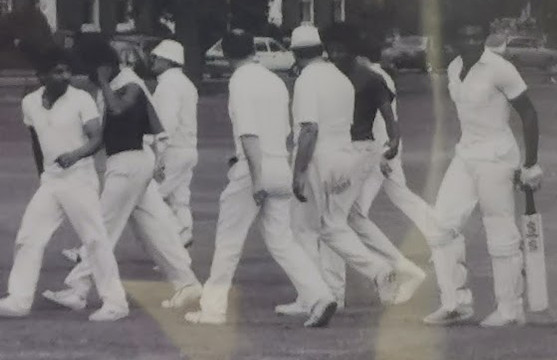
Cambridge West Indian Cricket Club (copyright Corey Carrington)
The Museum of Cambridge’s Windrush Exhibition features the last cricket ball of the last ever innings for CYC in 1985, picked up from Parker’s Piece by Hugh Carrington after the match. For Corey Carrington, the ball holds a deeply personal memory – one that echoes his father’s poignant connection to the moment, the team, and all it represented.
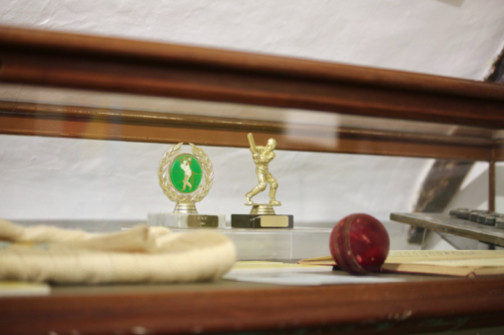
Last cricket ball from CYC’s last innings with trophies
The last cricket ball from the CYC’s last innings, displayed with the Player of the Season trophies awarded by CWICC to CYC, 1984 and 1985, Museum of Cambridge.
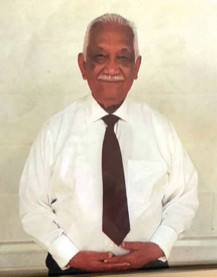
The sense of belonging and unity, bound by a shared love of cricket, extended beyond the players themselves. Families and friends gathered on Parker’s Piece to watch the matches, to socialise, and to share in the joy of the game, bringing together the Caribbean community in Cambridge. Eugene Toyloy (born 1932, Kingston, Jamaica), often watched matches at Parker’s Piece, recalling, “Parker’s Piece was our cricket ground. On the back there was a pavilion-we used that as our pavilion. I didn’t play, but all the others did. I did in mind.”
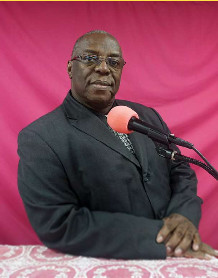
Beyond sport, Parker’s Piece has also served as a space for public events and gatherings. In 1997, following the death of Princess Diana, the City Council organised a public commemoration on Parker’s Piece. The gospel choir established by Bishop Lynwal Williams (born 1958, Jamaica) was among the leading performers at the event, which drew an estimated 40,000 people. Reflecting on that moment, he recalled:
“That was amazing. When she died, of course, most of the country was in deep mourning, and communities everywhere wanted to show support and reflect the work she did. The City Council decided to have a gathering on Parker’s Piece, and our choir was one of the leading performers at that time to sort of give hope and reassurance to people that life continues, even after death.”
Across generations, Parker’s Piece has been more than an open green – it has been a place where Cambridge’s Caribbean community gathered, celebrated, and remembered. From cricket matches to gospel performances, the Piece reflects the enduring spirit of connection, creativity, and belonging that defines the legacies of Windrush in the city.
This report was compiled based on research by Lucy Anne Gordon.
Further information
Read Lucy Anne Gordon’s research on The Cambridge West Indian Cricket Club (CWICC) – The Cambridge Cricket Story
Read more history of Parker’s Piece
Projects
Contribute
Do you have any information about the people or places in this article? If so, then please let us know using the Contact page or by emailing capturingcambridge@
Licence
This work is licensed under CC BY-NC-SA 4.0