Search by topic
- archaeology
- Building of Local Interest
- chapel
- charity
- church
- crime
- dressmaker
- Great Eastern Railway
- Listed building
- Mapping Relief
- medieval
- oral history
- poverty
- Public House
- railway worker
- Religious House
- Roman
- scholar
- school
- Then and Now
- tudor
- women
- work
- world war one
- world war two
Search by text
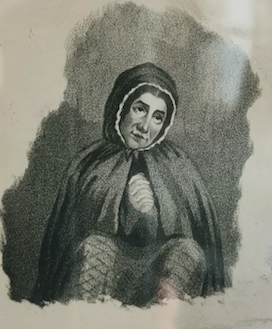 Elizabeth Woodcock
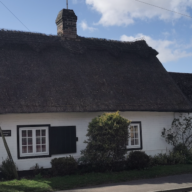
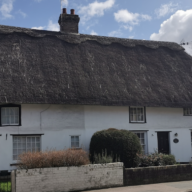
83 Station Road, Woodcock Cottage, Impington
History of 83 Station Road
Listed Building:
House. C17. Timber framed and plastered first floor with painted brick at ground floor possibly casing timber frame. Thatch roof with wide, reduced local brick ridge stack.
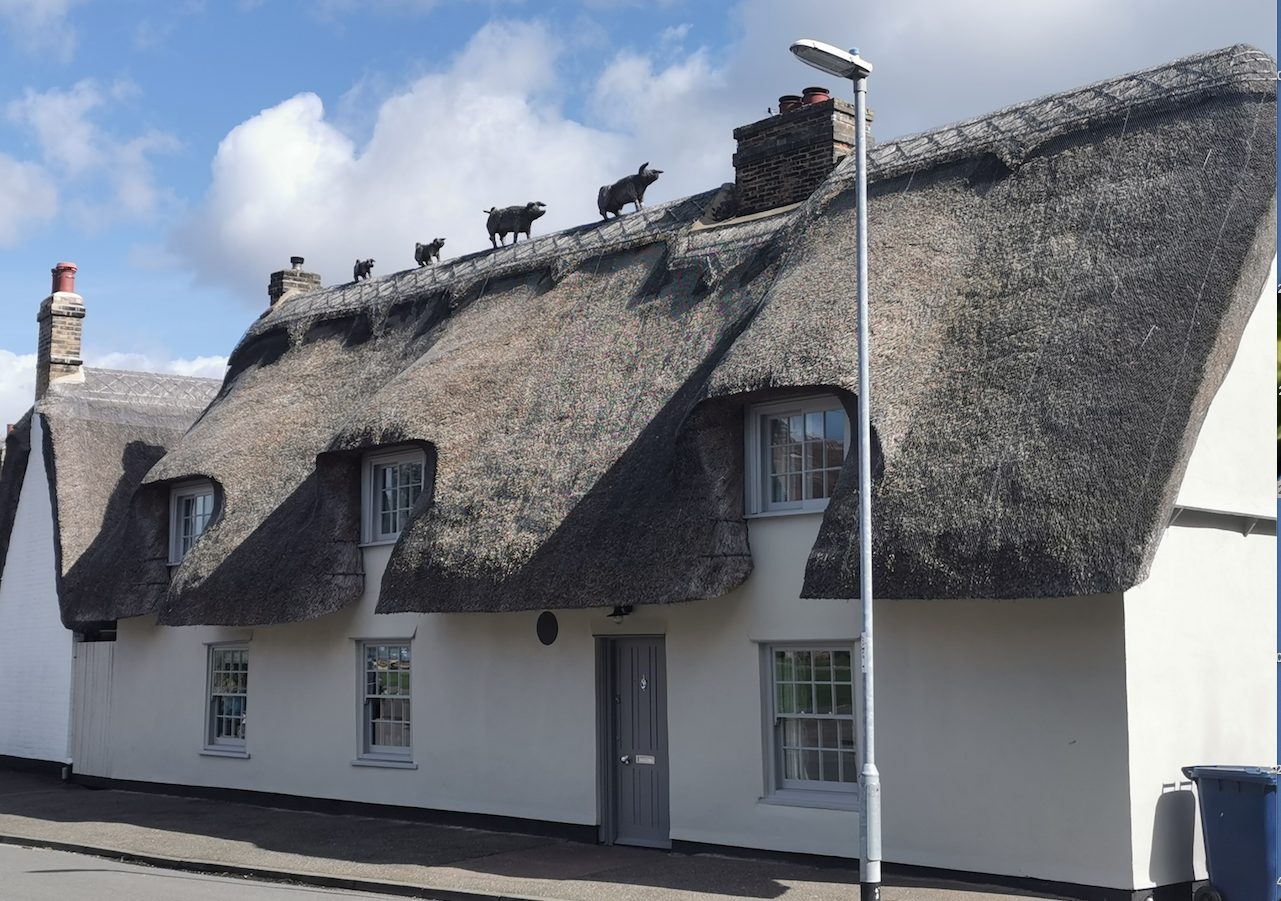
83 Station Road, Impington
Slate plaque on wall inscribed, ‘Here lived Elizabeth Woodcock buried in a snow drift on the common for eight days from 2-10 February 1799 and survived’.

Nutcrackers, believe to be those of Elizabeth Woodcock © Museum of Cambridge
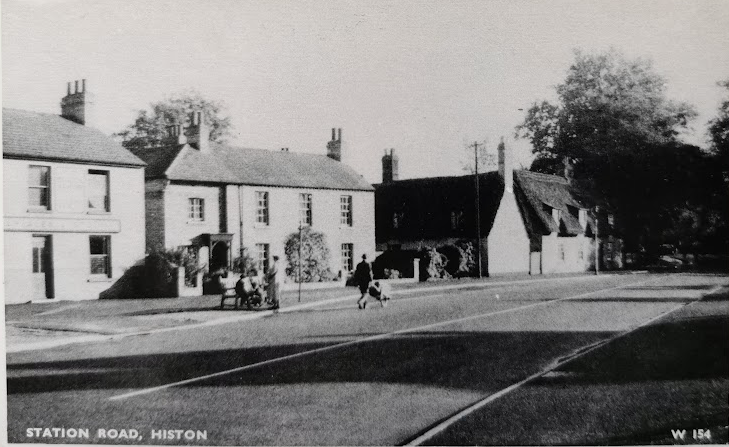
83 Station Road, Histon (MoC48/57)
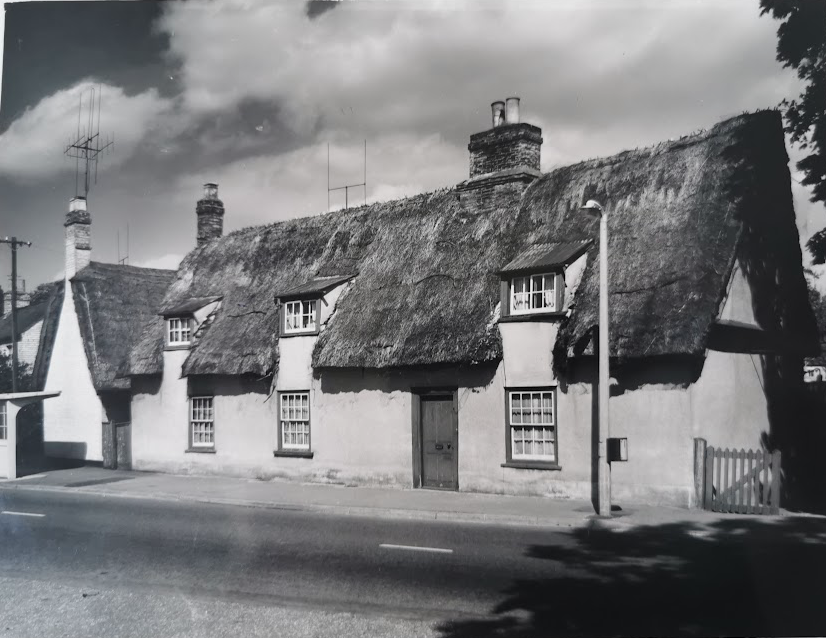
83 Station Road c.1980 (MoC11/89)
Elizabeth Woodcock of Histon: A Tale of Survival and Tragedy
Elizabeth Woodcock of Histon, Cambridgeshire, is remembered for her extraordinary survival after being buried in snow for eight days in February 1799. Her story, recorded in local memory and commemorated with a stone memorial, provides a window into rural life, endurance, and tragedy in 18th-century England.
Elizabeth was a resident of Impington or Histon and was married to Daniel Woodcock. On 2 February 1799, she travelled to Cambridge Market to sell butter and eggs. On her way home, she stopped at The Three Tuns inn on Castle Hill to replenish her flask with brandy. She was later thrown from her horse in a snowstorm and unable to remount, taking shelter under a hawthorn hedge.
A heavy blizzard buried her completely in snow. Elizabeth remained trapped for eight days, during which she stayed conscious for much of the time. She managed to make a hole in the snow above her and tied a red handkerchief to a stick to serve as a flag. Though she heard people nearby and church bells ringing, she could not call for help.
Eventually, parish clerk William Muncey spotted her signal and raised the alarm. Elizabeth was found severely frostbitten and in a critical state. Though she initially survived the ordeal, she died on 24 July 1799, aged around 42. Some accounts suggest that alcohol given by well-meaning visitors may have hastened her decline.
Elizabeth’s story captured public imagination. A memorial stone was erected at the site of her ordeal and later replaced in 1849. Her cottage, known as Woodcock Cottage on Station Road in Impington, still stands and bears a commemorative plaque. Her story continues to be featured in local heritage collections and exhibitions, including those of the Museum of Cambridge.
After her death, it appears that her children and stepchildren eventually left the village, perhaps to avoid the attention surrounding the tragic episode. Research suggests links to the Sockling family, and that descendants moved away in the early 19th century.
Elizabeth Woodcock’s endurance and tragic fate remain one of the most compelling personal stories in Cambridgeshire’s local history. Her name lives on through memorials and the continuing fascination of historians and residents alike. (AI 2025)
See additional accounts of Elizabeth Woodcock.
Also more information at the Three Tuns.
Projects
Contribute
Do you have any information about the people or places in this article? If so, then please let us know using the Contact page or by emailing capturingcambridge@
Licence
This work is licensed under CC BY-NC-SA 4.0