Search by topic
- archaeology
- Building of Local Interest
- chapel
- charity
- church
- crime
- dressmaker
- fire
- Great Eastern Railway
- Listed building
- Mapping Relief
- medieval
- oral history
- poverty
- Public House
- Religious House
- Roman
- scholar
- school
- Then and Now
- tudor
- women
- work
- world war one
- world war two
Search by text
 4 Church Lane, Linton
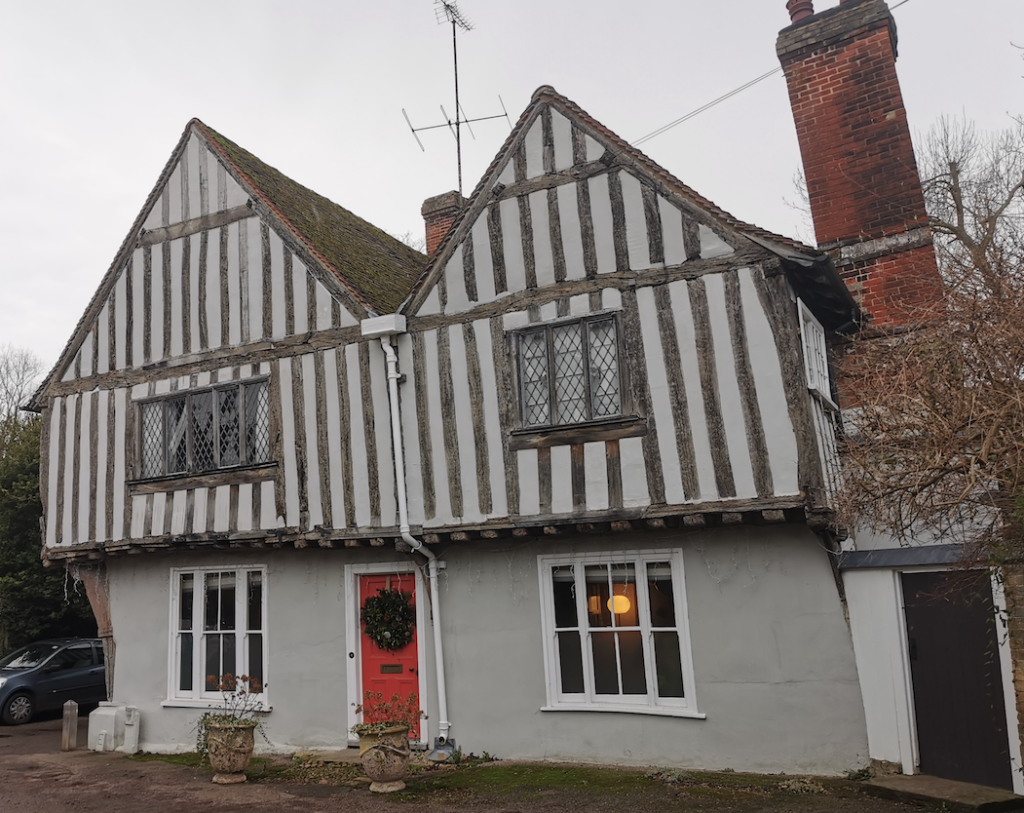
4 Church Lane, The Guildhall, Linton
History of the Guildhall
4 Church Lane, Linton
Listed Building:
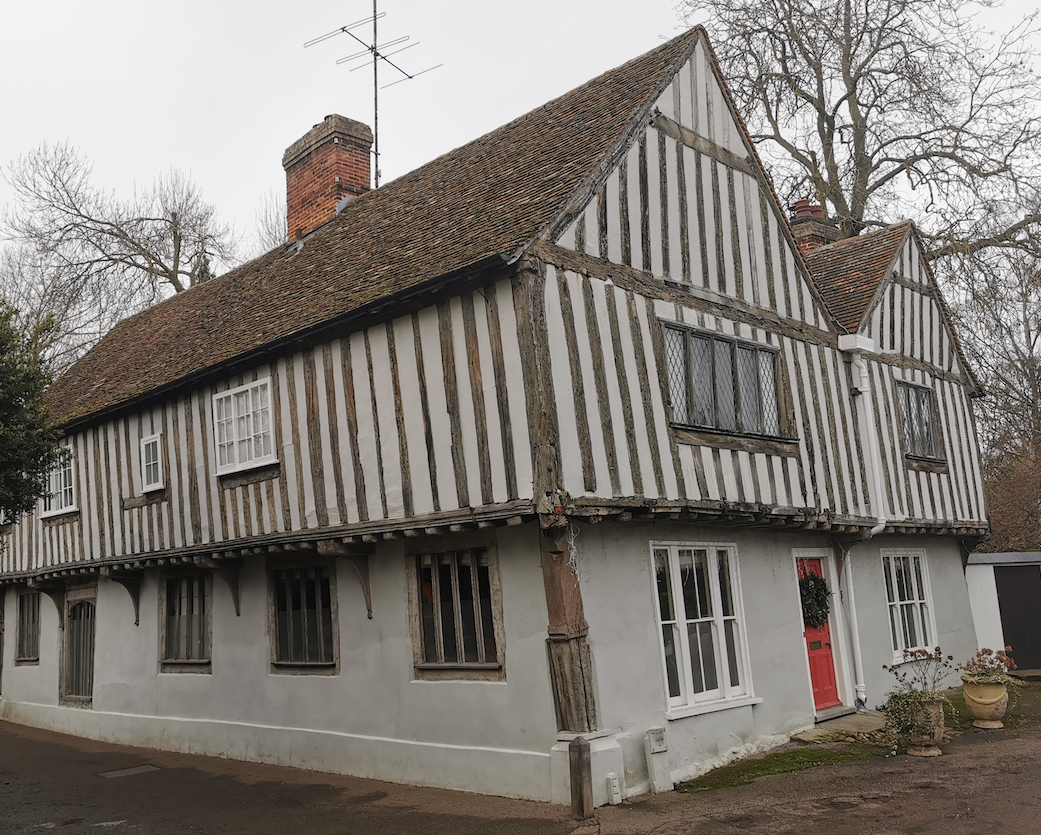
House formerly the Guildhall, dedicated to the Trinity. c.1523. Timber- framed, exposed at first floor and plastered with some timber repair. Painted brick. Late C17 ridge stack to left hand range and tall side stack to north range.
In 1507 Nicholas Wickham the parish priest left two marks towards making a new guildhall, the building was nearly complete in 1523. After the suppression of the guilds in 1547 it was used as the Town House, in 1697 it became a private house. (Historic England)
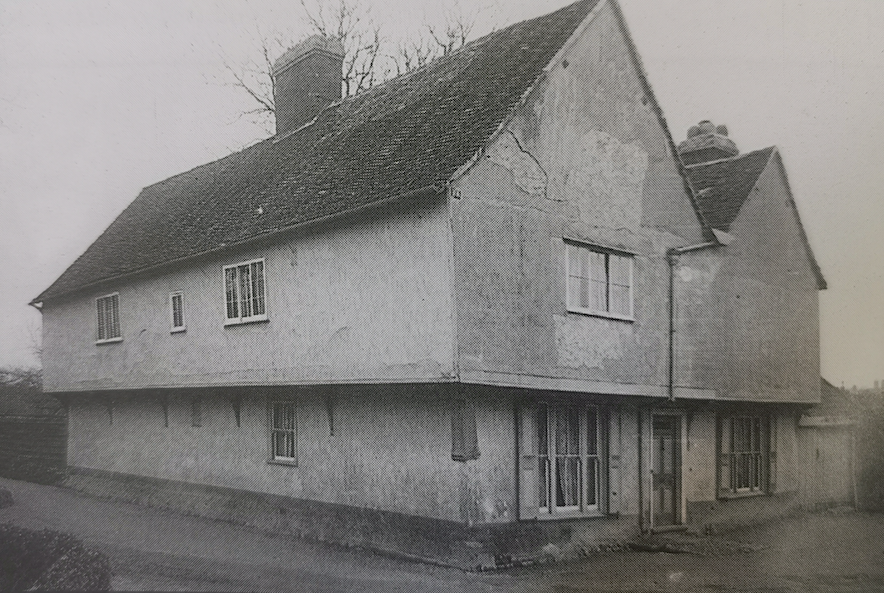
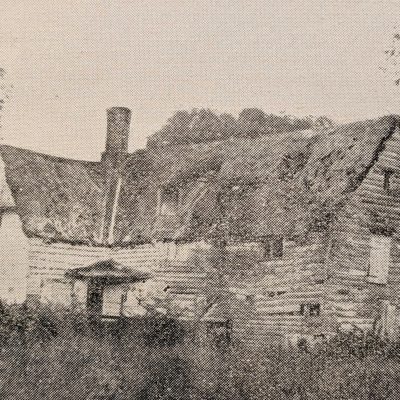
Guildhall Linton before restoration (date unknown)
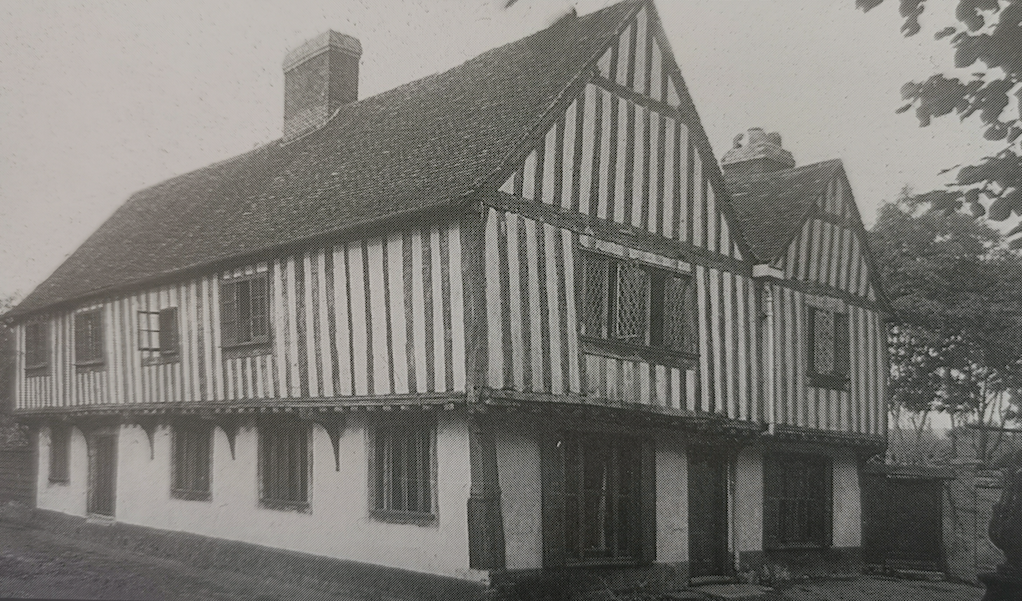
Guildhall Linton after restoration (date unknown)
In ‘Linton: the Story of a Market Town’ (1982) is noted:
Linton Guildhall was built between 1510 and 1530 and served as the Town House until the 1660s after which it was used for housing the poor. A town record book which begins in 1577 shows that it was used for marriage feasts, by troupes of players and as a refuge for fellows of Pembroke Hall during times of plague. William Millicent left money in 1527 for pargetting the building. The timber frame as been exposed and careful examination shows where there were original window openings and a doorway on the south side.
Projects
Contribute
Do you have any information about the people or places in this article? If so, then please let us know using the Contact page or by emailing capturingcambridge@
Licence
This work is licensed under CC BY-NC-SA 4.0