Search by topic
- archaeology
- Building of Local Interest
- chapel
- charity
- church
- crime
- dressmaker
- fire
- Great Eastern Railway
- Listed building
- Mapping Relief
- medieval
- oral history
- poverty
- Public House
- Religious House
- Roman
- scholar
- school
- Then and Now
- tudor
- women
- work
- world war one
- world war two
Search by text
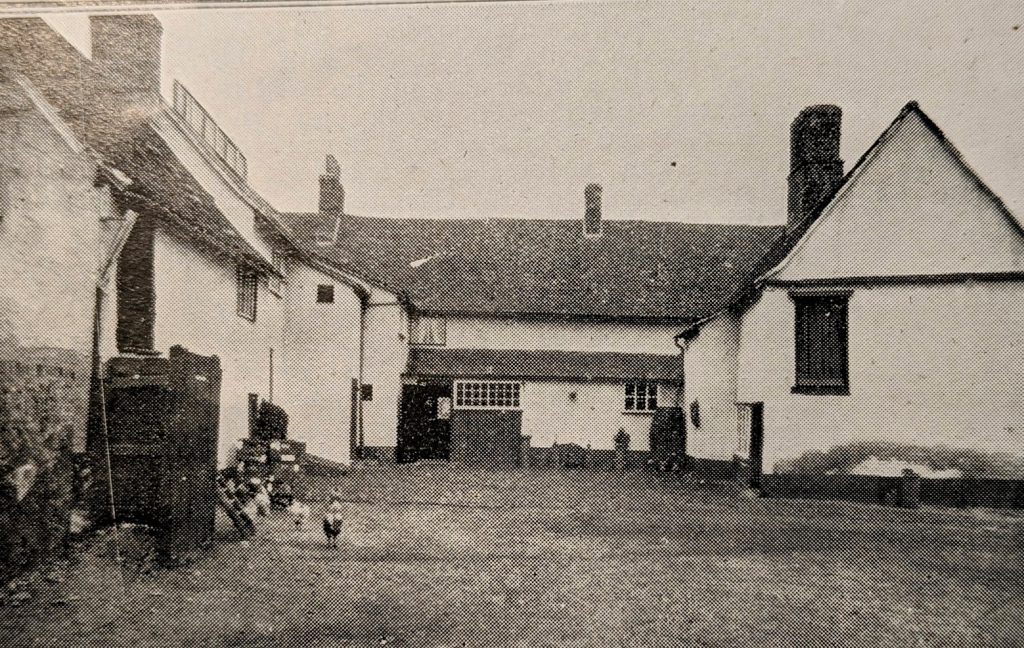 Red Lion Whittlesford Bridge (WMPalmer pre 1924)
Red Lion, Whittlesford Bridge
History of the Red Lion
Listed Building
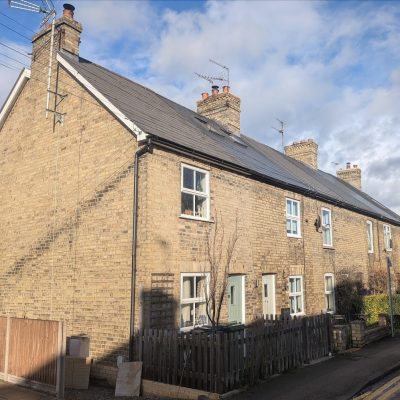
Inn now a hotel. Early C16 with later C16, C17 and C18 alterations rebuilt and altered in mid to late C19. Timber-framed with plaster infill and rendered, painted brick, front elevation cased in knapped flint with gault brick quoins and dressings; plain tile roofs.
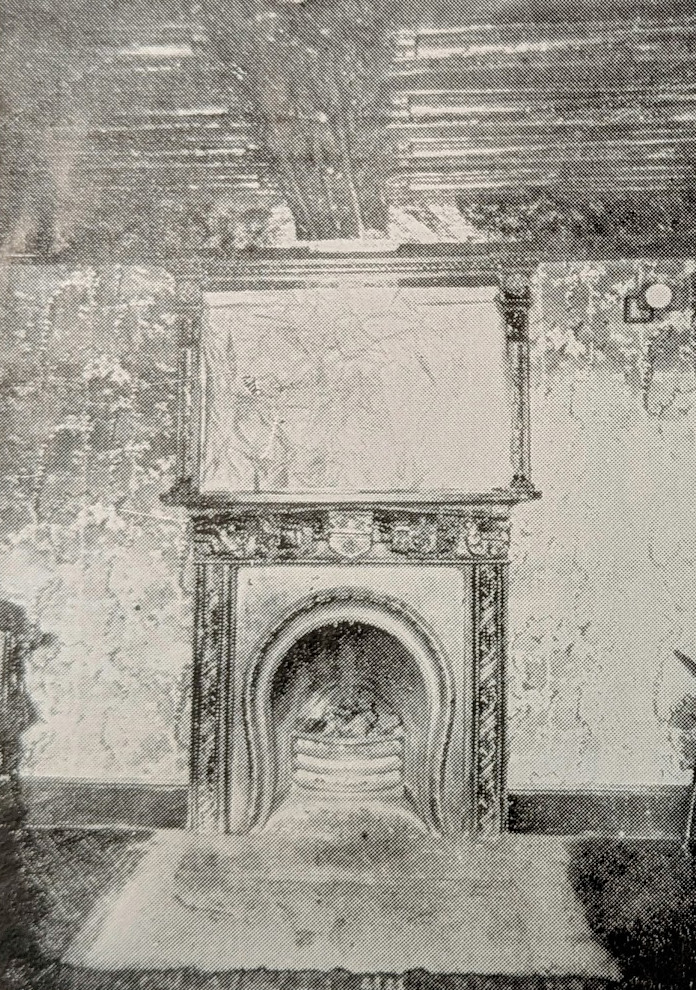
Parlour with carved beams and mantel, Red Lion, Whittlesford Bridge (WMPalmer)
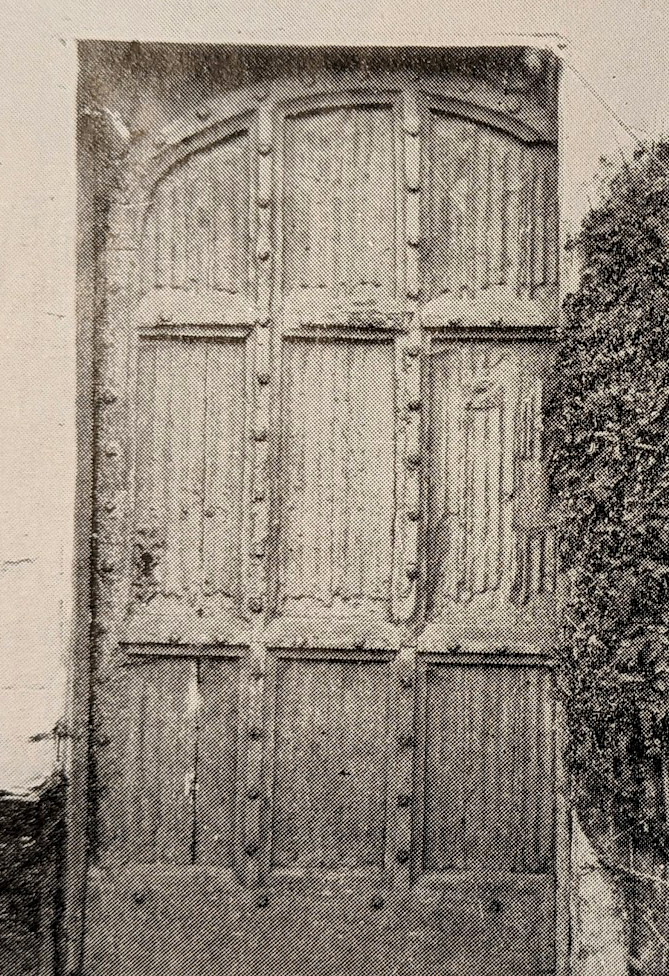
Door in yard of Red Lion, Whittlesford Bridge (WMPalmer)
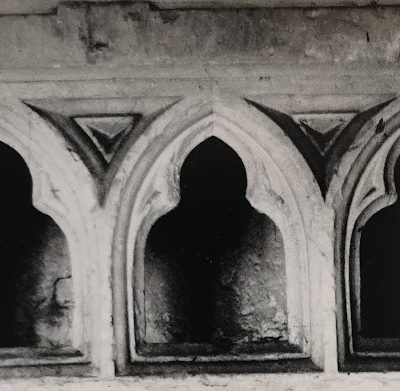
W M Palmer (1924) argues that there was no connection between the medieval hospital next door and the inn.
In 1619 King James stayed at the Red Lion and there is still a “King’s Room’. In 1631 the King granted the landlord a special licence to sell wine.
1763 landlord Hammond Turtle put his initials with date under the red lion on the sign board.
1834 Thomas Holiday, landlord. At that time a black oak table, allegedly from the hospital was in the dining room, and the font caught drips from the pump in the courtyard.
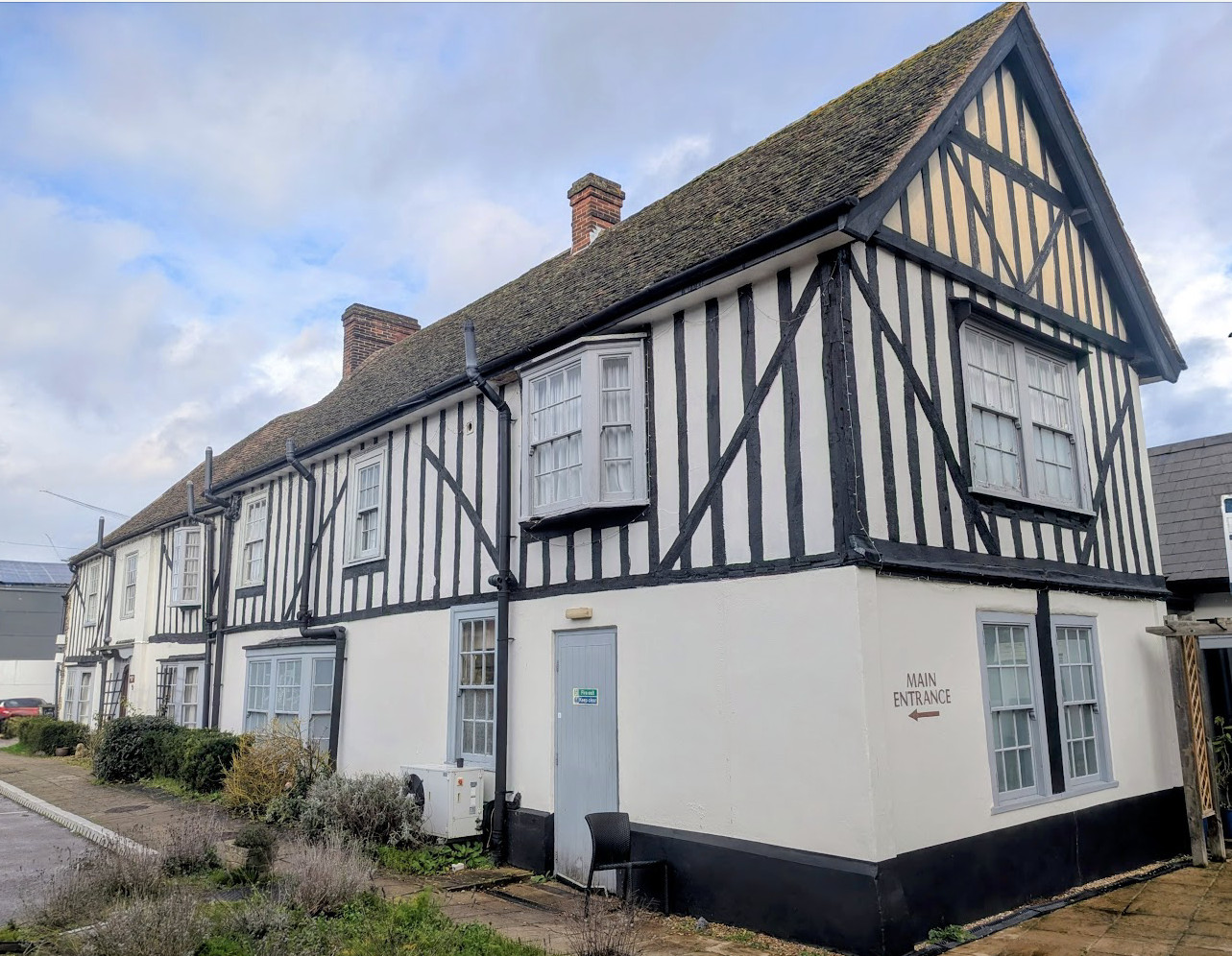
Red Lion Whittlesford Bridge (RGL2026)
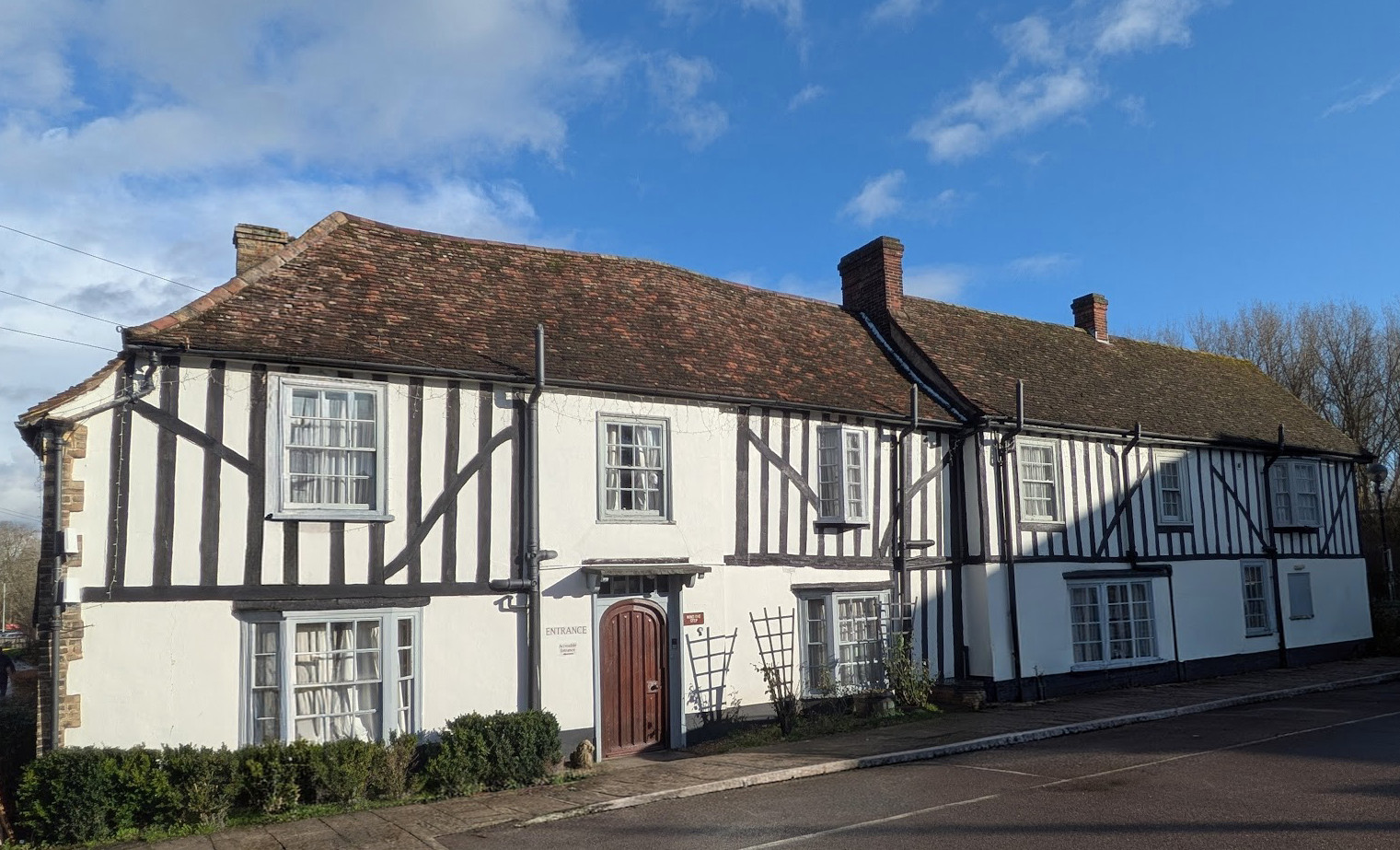
Red Lion Whittlesford Bridge (RGL2026)
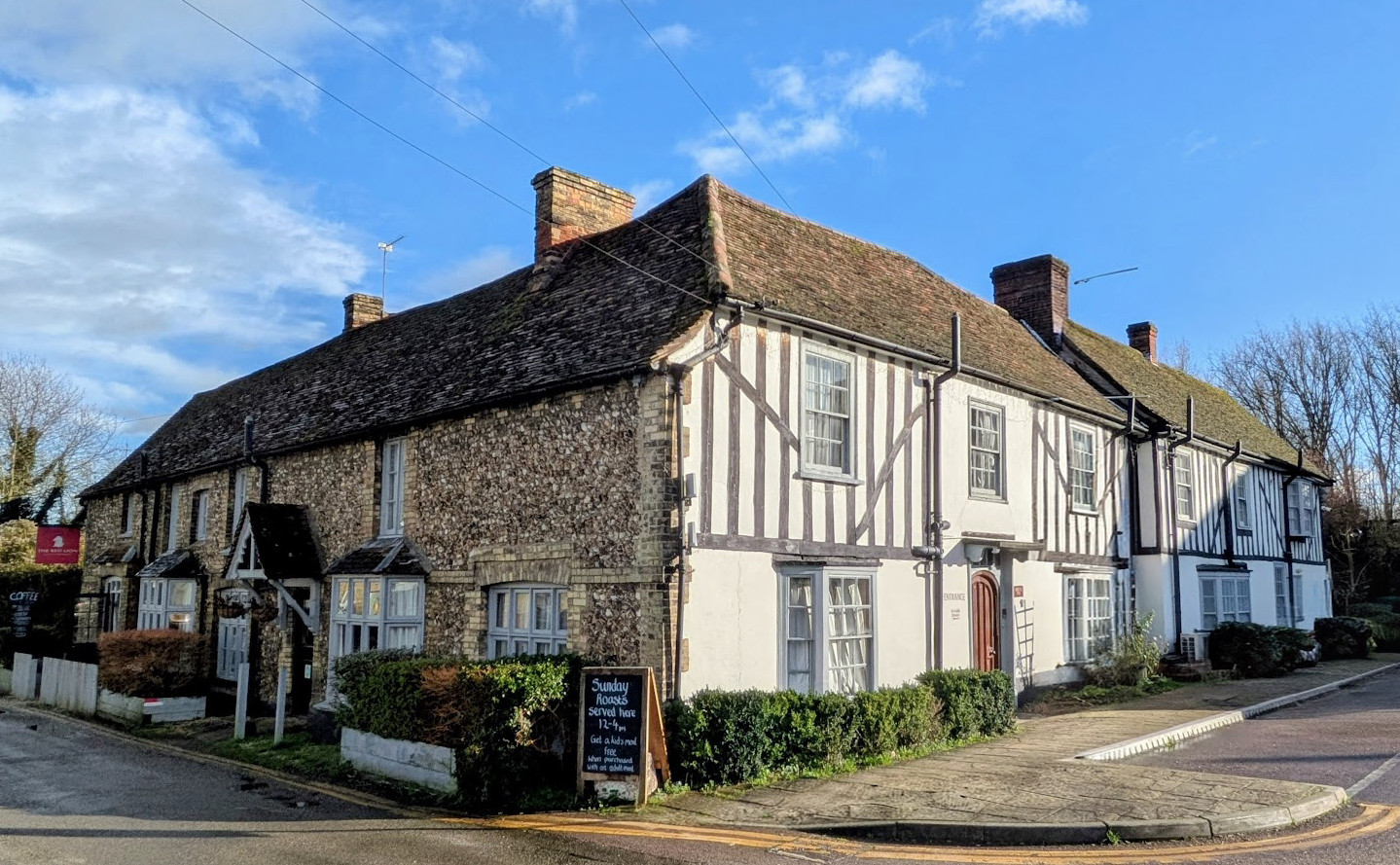
Red Lion Whitlesford Bridge (RGL2026)
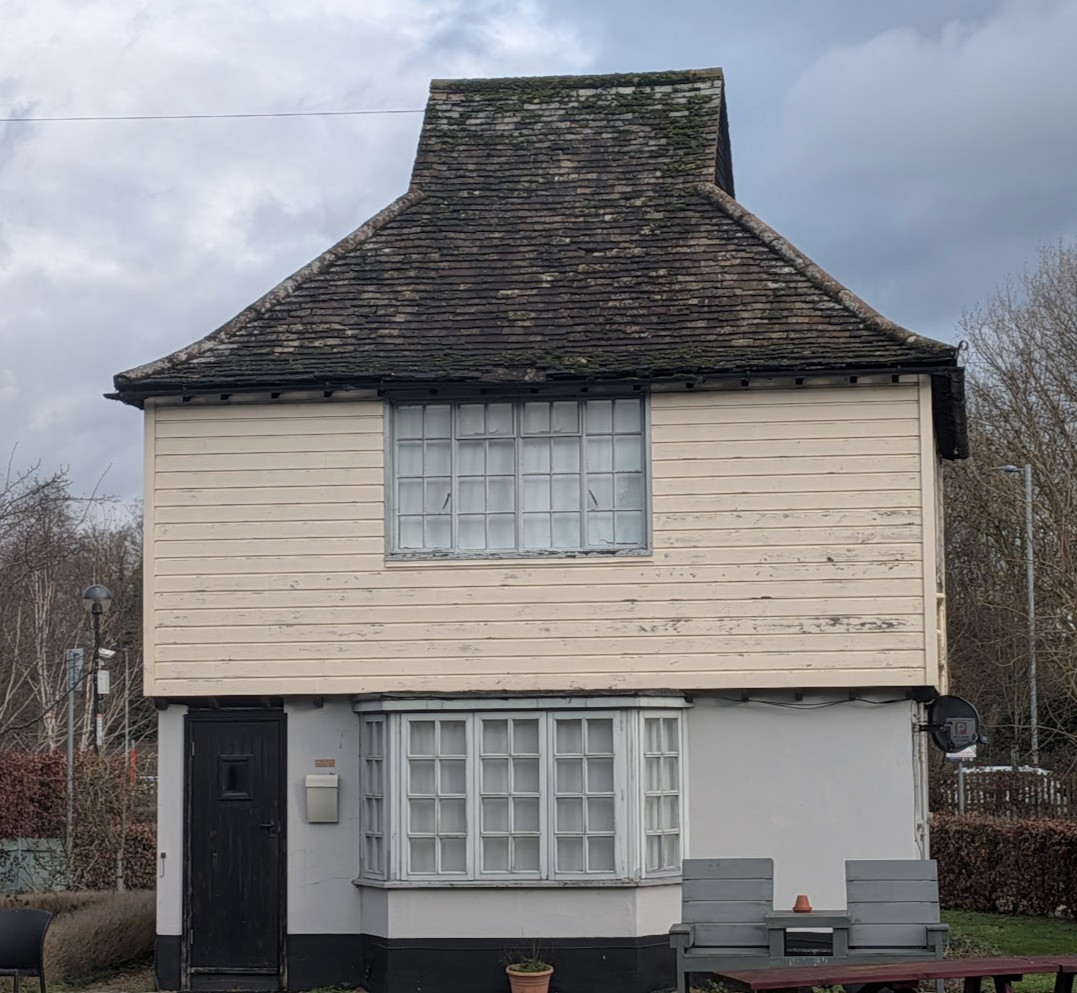
Red Lion Whittlesford Bridge (RGL2026)
Projects
Contribute
Do you have any information about the people or places in this article? If so, then please let us know using the Contact page or by emailing capturingcambridge@
Licence
This work is licensed under CC BY-NC-SA 4.0