Search by topic
- archaeology
- Building of Local Interest
- chapel
- charity
- church
- crime
- dressmaker
- Great Eastern Railway
- Listed building
- Mapping Relief
- medieval
- oral history
- poverty
- Public House
- railway worker
- Religious House
- Roman
- scholar
- school
- Then and Now
- tudor
- women
- work
- world war one
- world war two
Search by text


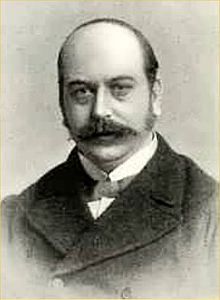 Frank Osmond Carr - wikipedia
170 Hills Road, Wyncote, Cambridge
History of 170 Hills Road
1891
Frank O Carr, 32, principal music master public school, born Yorks.
Eleanor, 33, born Yorks.
Muriel S, 9, born Cherry Hinton
Dorothy C, born Cherry Hinton
George F, 6, born Cherry Hinton
Minnie A Stanley, 25, servant, governess, born Stretham
Margaret Pearson, 22, cook, born Cottenham
Emma M Sisson, 21, housemaid, born Norfolk
Frank Carr had previously lived with his family on Cherry Hinton Road as recorded in the 1881 census. He was music teacher at the Leys School but was well known for writing Victorian burlesques and Edwardian musical comedies.
1901
Alfred Kett, 57, retired builder, born Norwich
Harriett L, 59, born Cambridge
Alfred W, 31, born Cambridge
Emily L, 27, born Cambridge, deaf from childhood
Lucy E, 27, born Cambridge
Ada M E, 25, born Cambridge
Mabel S, 21, born Cambridge
Lilly Webber, 19, servant, born Isleham
For more background on Alfred Kett and the Kett family, visit the Mill Road Cemetery web site.
Also see entries on other members of the family on this site.
Alfred had previously lived Bradmore Lane with his father in 1851, then in 1891 at 32 Station Road.
By 1911 Alfred, together with Harriett, Alfred and Ernest his sons, Lucy and Mabel, had moved to Leopold Road, Felixstowe and a house which they also called Wyncote.
Projects
Contribute
Do you have any information about the people or places in this article? If so, then please let us know using the Contact page or by emailing capturingcambridge@
Licence
This work is licensed under CC BY-NC-SA 4.0