Search by topic
- archaeology
- Building of Local Interest
- chapel
- charity
- church
- crime
- dressmaker
- fire
- Great Eastern Railway
- Listed building
- Mapping Relief
- medieval
- oral history
- poverty
- Public House
- Religious House
- Roman
- scholar
- school
- Then and Now
- tudor
- women
- work
- world war one
- world war two
Search by text
53 Gwydir Street
History of 53 Gwydir Street
1881
Herbert Watson, head, 25, book agent, b Norfolk
Sarah, wife, 25, b Norwich
Mary A Bulton, 14, domestic servant, b Bottisham
1891
Thomas Poole, head, 42, railway porter, b Gloucs
Sophia, wife, 7, b Suffolk
Herbert, son, 10, scholar, b Cambridge
Florence K, daughter, 3, scholar, b Cambridge
1901
Frank J Pettit, 36, carpenter and joiner, b Bottisham
Alice, 31, b Shelford
Harold F, 6, b Cambridge
Winifred A, 5, b Cambridge
Evelyn I, 2, b Cambridge
1911
Frank Josiah Petit, 46, carpenter and joiner, b Bottisham
Alice, 41, b Little Shelford
Harold Frank, 16, clerk, b Cambridge
Winifred Alice, 15, dressmaker, b Cambridge
Ralph Earnest, 5, b Cambridge
1913
Frank Josiah Pettitt, joiner
1962
Mrs E A Nichols
1970
T Brzosko
The Brzosko family had previously lived at 46 South Street. When Frank Brzosko was interviewed in 2024 he described how the family later moved, by 1965, to 53 Gwydir Street. Frank’s father Theodor Stefan had an Austin Anglia there in the 1960s. This house backed on to Mill Road cemetery. Frank and friends used to play in the cemetery, sometimes scaring people at night and annoying the warden. He remembers finding the grave of a ship’s surgeon who died in 1797. He also used to go train spotting and play with his friends in the railway sidings in Devonshire Road. They used to throw coke lumps at the walls on the other side of the tracks and sometimes put stones on the rails to see what passing trains would do to them. Frank and his friends would play football on Parker’s Piece; the space would be full of lots of informal matches going on at the same time. Across the road from 53 Gwydir Street was Pordages the vegetable merchants; the site was ideal for the boys to play football with the wooden crates as goals.
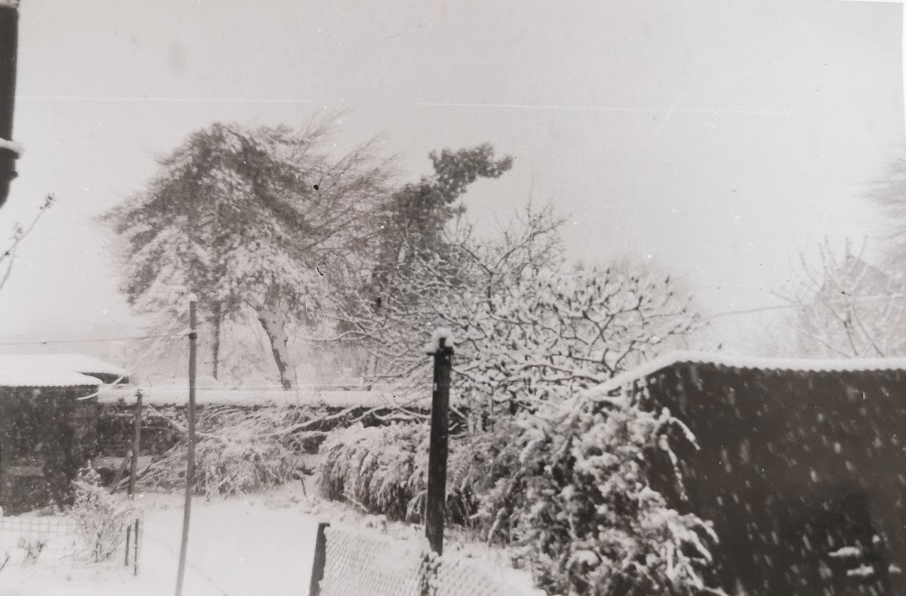
Garden at 53 Gwydir Street facing on to cemetary
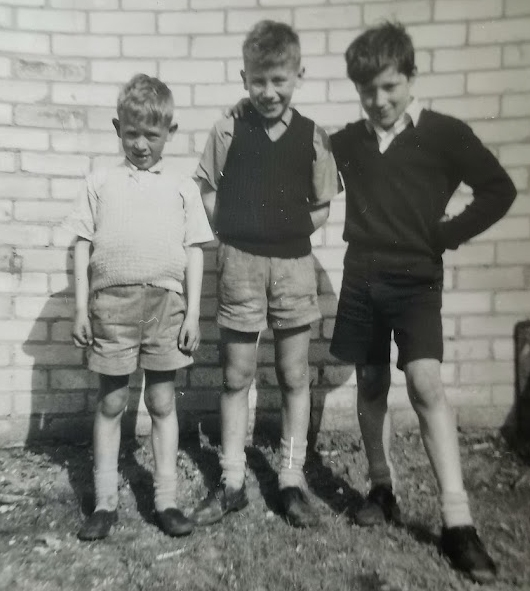
Frank, his brother and Kevin at 53 Gwydir St.
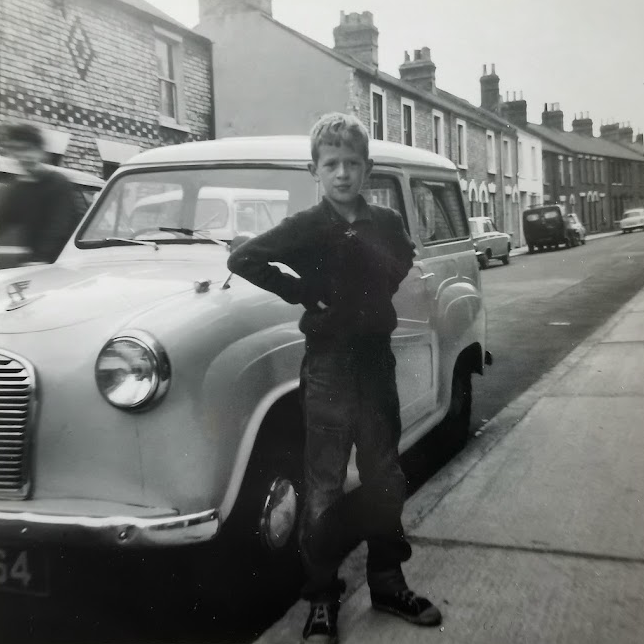
Frank and Austin Anglia c.1965, Gwydir Street
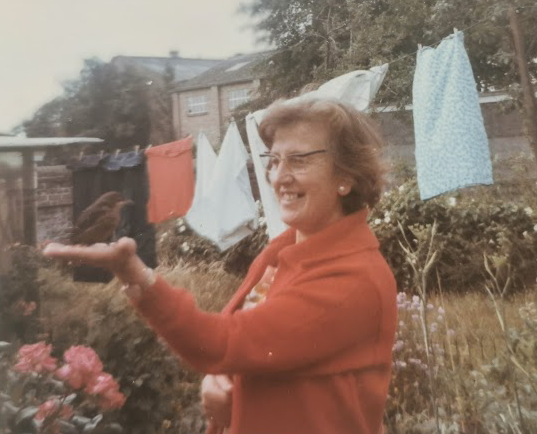
Alma Brzosko at Gwydir Street
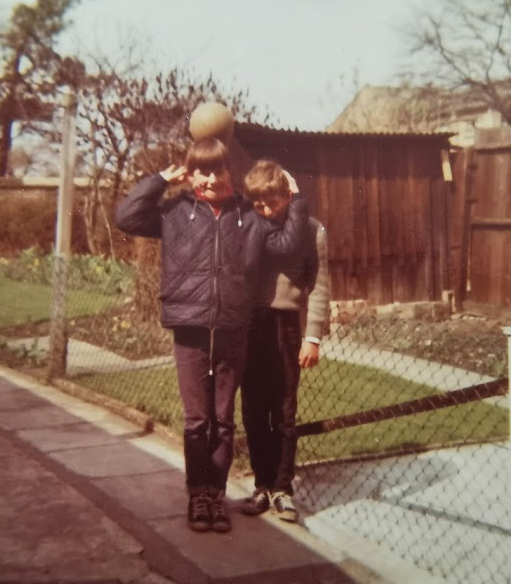
Frank and his brother at Gwydir Street
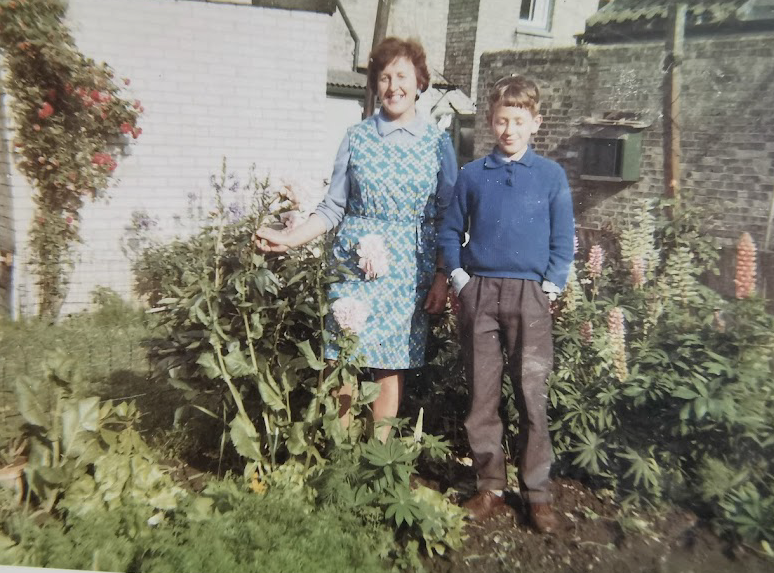
Frank and his mother in garden, Gwydir Street
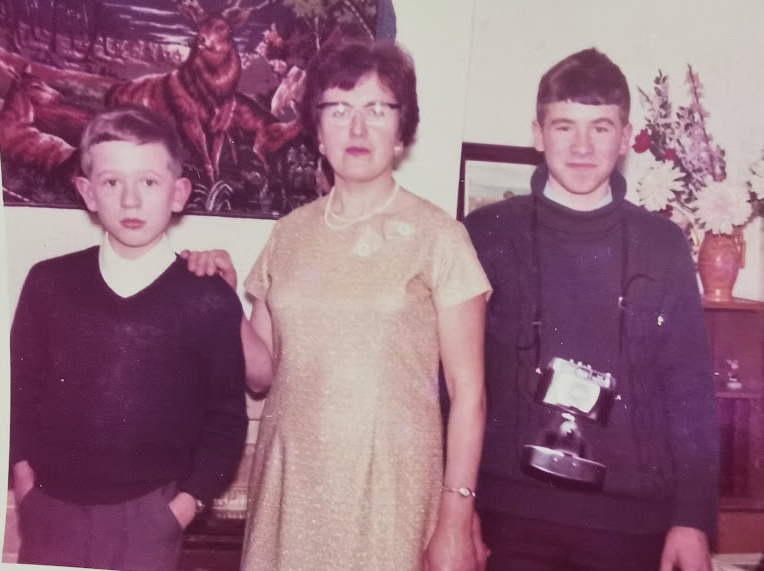
Alma Brzosko and sons
After St Bede’s Frank worked as a cost clerk for Ridgeon’s in Sturton Street. Then he moved to Ben Haywards in Kings Parade as a cycle technician for a year and a half. This was hard work and they had a deadline of 5pm each day to get all the bicycles ready for collection. He particularly remembers his hardworking colleague Sam. There then followed a time at Boots in Petty Cury, working as a porter, before he finally trained as a mental health nurse at the Ida Darwin. After his training he moved to further training in Sheffield and then worked in Birmingham, Stoke and Solihull.
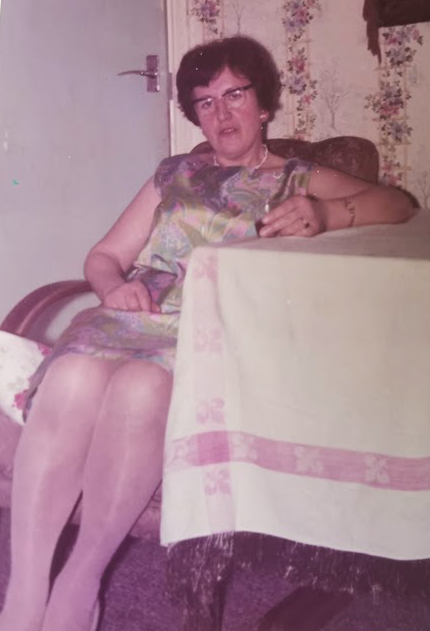
Alma Brzosko
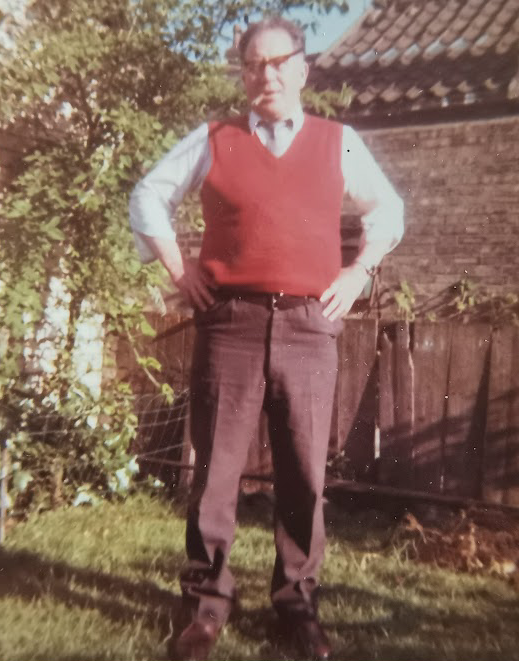
Stefan Brzosko
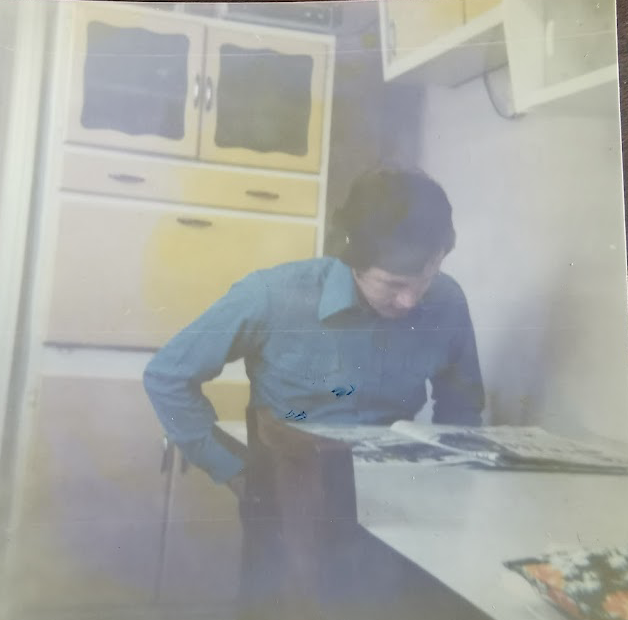
Frank Brzosko at 53 Gwydir Street
Frank returned to Cambridge at the time of his mother’s death in 1986. He now lives in Littleport.
MIS sent this reminiscence in 2025:
I lived in 53 Gwydir Street from 1991 to 1993 whilst a student at Anglia Ruskin University (or Anglia Polytechnic as it was then). Mr Brzosko was our landlord and he still used to grow vegetables in the garden. The kitchen was still the same as in the final photo and very basic – I’m guessing a 1950s kitchen?
……………….
Projects
Contribute
Do you have any information about the people or places in this article? If so, then please let us know using the Contact page or by emailing capturingcambridge@
Licence
This work is licensed under CC BY-NC-SA 4.0