Search by topic
- archaeology
- Building of Local Interest
- chapel
- charity
- church
- crime
- dressmaker
- Great Eastern Railway
- Listed building
- Mapping Relief
- medieval
- oral history
- poverty
- Public House
- railway worker
- Religious House
- Roman
- scholar
- school
- Then and Now
- tudor
- women
- work
- world war one
- world war two
Search by text


Wilburton Manor, 55 Station Road
History of Wilburton Manor
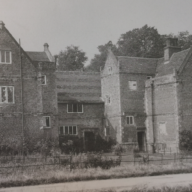
Wilburton Manor was built for the Pell family as the ‘New Manor’ to distinguish it from the old Elizabethan manor house, Burystead, located in the village. That building had been replaced by a new manor as early as 1650. … Wilburton Manor had come into the possession of Sir Albert Pell in 1817. Sir Albert died in 1832, and his widow the Hon Lady Margaret Letitia Matilda Pell held the manor in dower until her death in 1868. She was the third daughter of Henry Beauchamp St John of Bletsoe. In 1900 Sir Albert’s two surviving nephews were joint lords. Albert Pell the elder, a noted agriculturalist and authority on the poor law, died in 1907 and was succeeded by his nephew Albert Julian, who had been acting as steward. Oliver Claude Pell, the third of Sir Albert’s sons, was chairman of the Isle of Ely County Council from 1889 until his death in 1891. On the death of Albert Julian Pell in 1916 his nephew, Beauchamp Stewart Pell, succeeded. … The Manor was sold to Cambridgeshire County Council in the mid C20 and is now used as a school, which opened on 12 October 1965. As a consequence of the reuse, the house has been adapted for use as accommodation for the pupils and other buildings have been constructed on the site. (Historic England)
Projects
Contribute
Do you have any information about the people or places in this article? If so, then please let us know using the Contact page or by emailing capturingcambridge@
Licence
This work is licensed under CC BY-NC-SA 4.0