Search by topic
- archaeology
- Building of Local Interest
- chapel
- charity
- church
- crime
- dressmaker
- Great Eastern Railway
- Listed building
- Mapping Relief
- medieval
- oral history
- poverty
- Public House
- railway worker
- Religious House
- Roman
- scholar
- school
- Then and Now
- tudor
- women
- work
- world war one
- world war two
Search by text


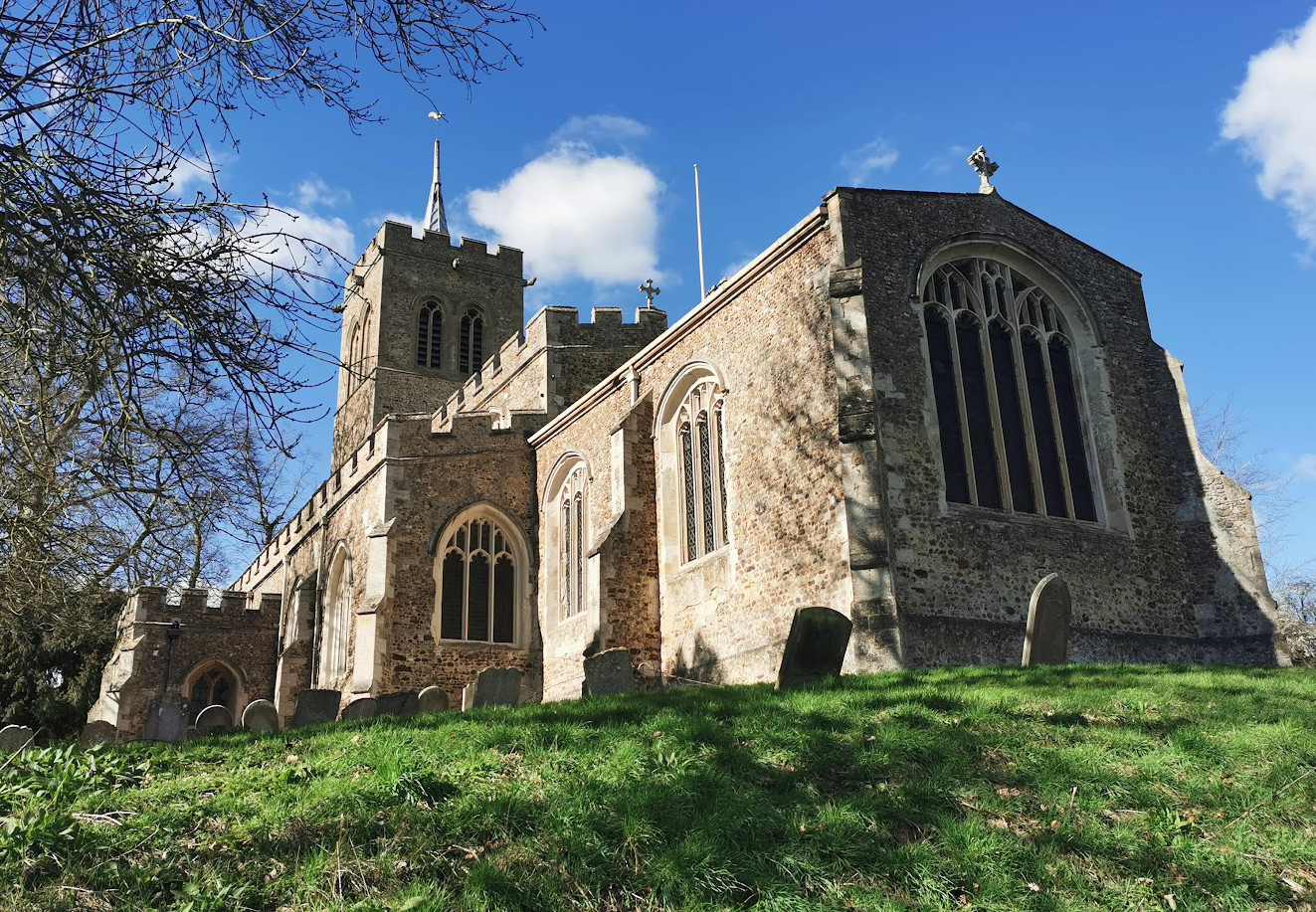 St Bartholemew, Great Gransden (RGL2025)
St Bartholemew, Great Gransden
History of St Bartholemew
Listed Building
Parish church rebuilt in second half of C15 with the exception of the late C14 west tower, repaired in 1676, dated lead plaque on tower. Church restored in 1873
Remains of mediaeval churchyard cross (Historic England)
The church (Perpendicular Period) was built about 1460; the tower was built about 1360. A church on the site is mentioned in the Domesday book, 1086.
The first recorded Lord of the Manor was Earl Alfgar (D 1050), brother of Hereward the Wake.
The Living eventually fell under the control of Elizabeth, Lady Clare who presented it to Clare College in 1546.
Barnabas Oley was vicar (1633-85), President of Clare College and friend of George Herbert. He founded a school in the village.
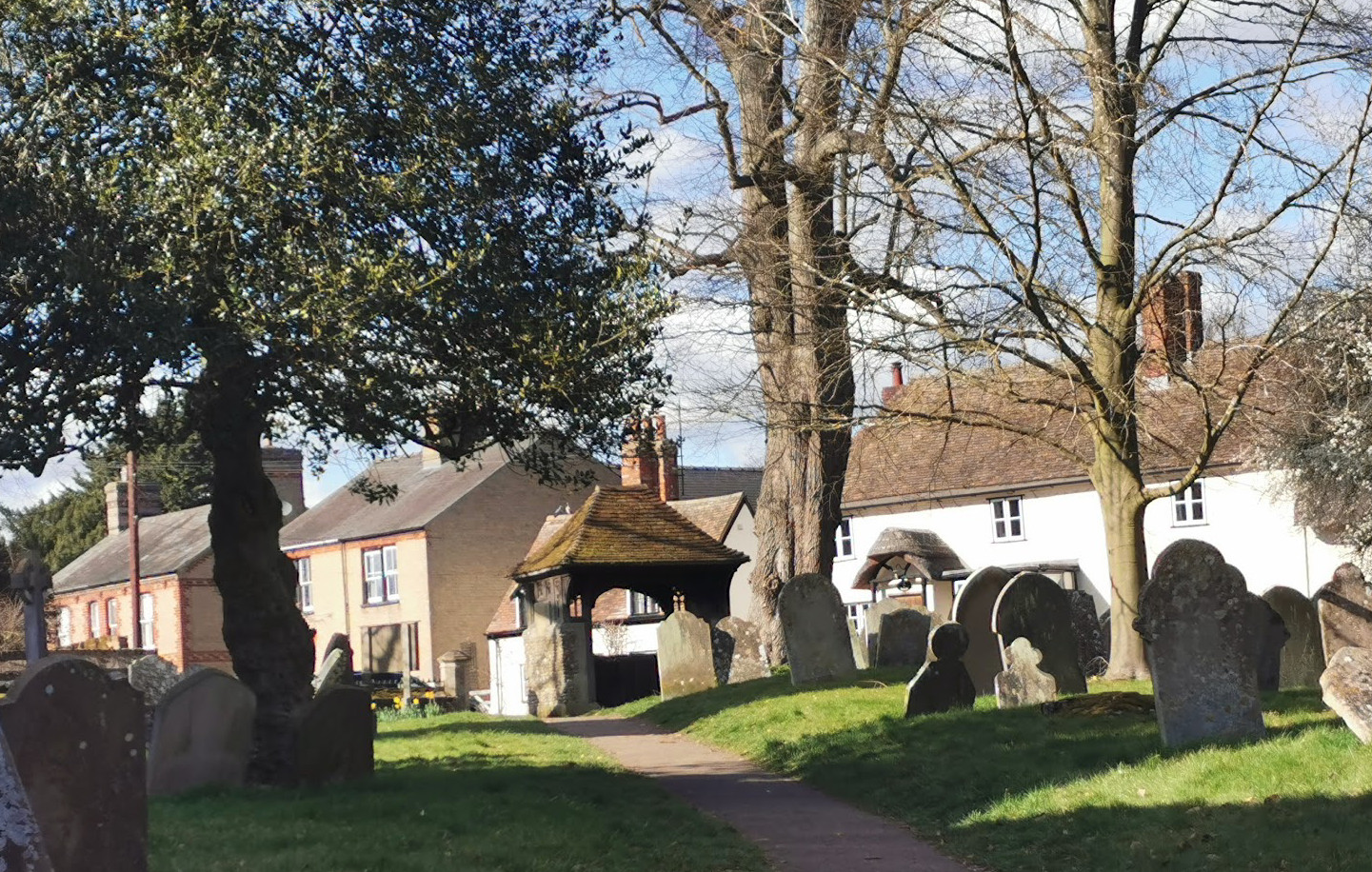
St Bartholemew (RGL2025)
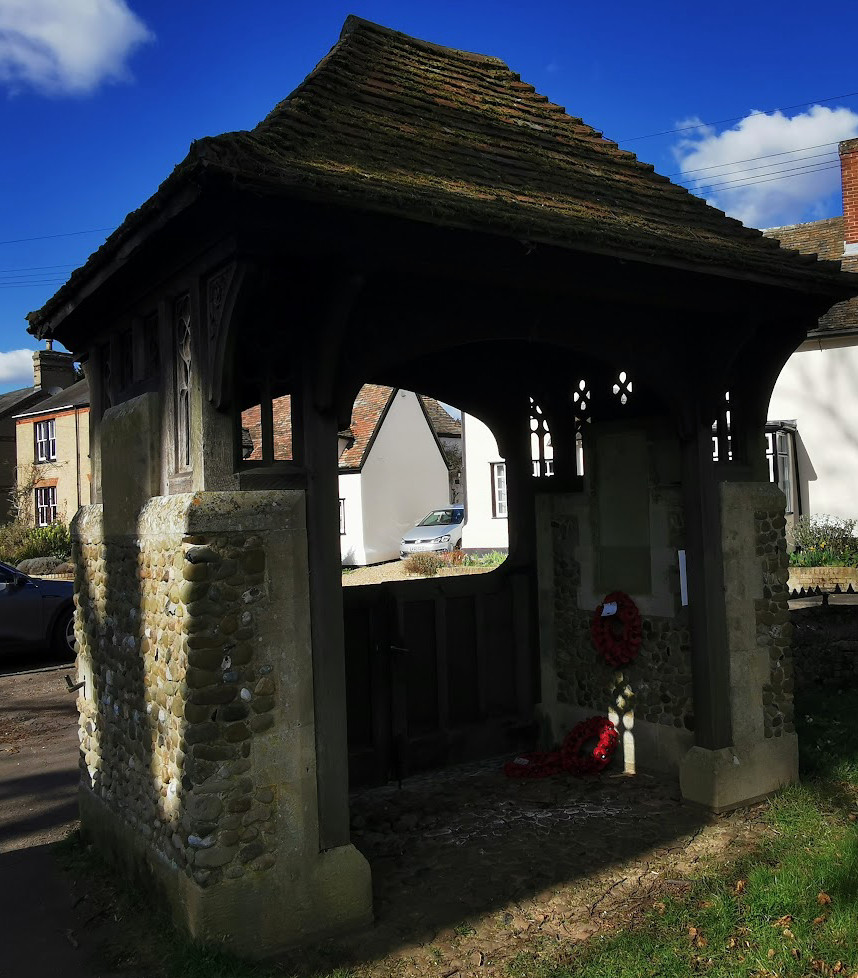
St Bartholemew, Great Gransden (RGL2025)
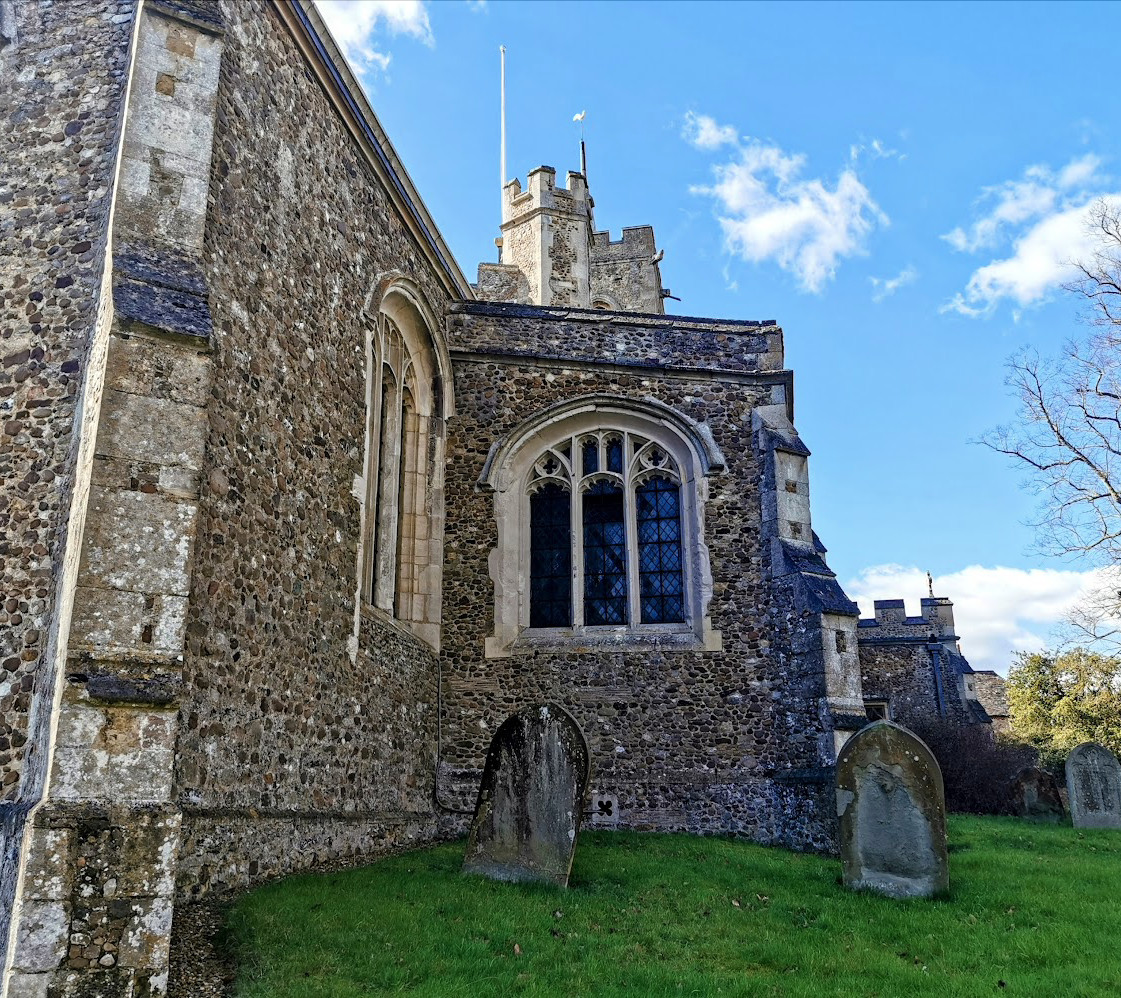
St Bartholemew, Great Gransden (RGL2025)
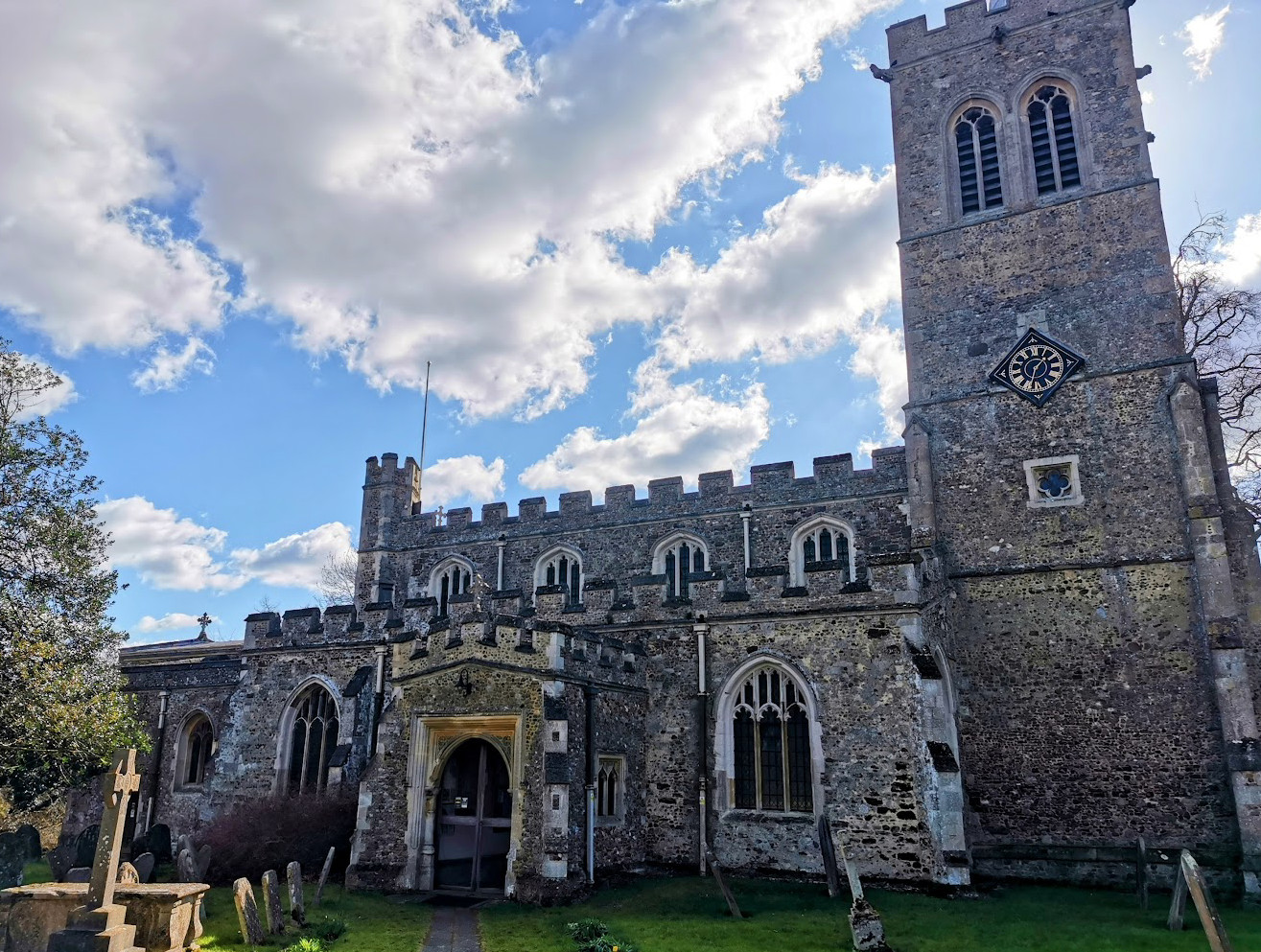
St Bartholemew, Great Gransden (RGL2025)
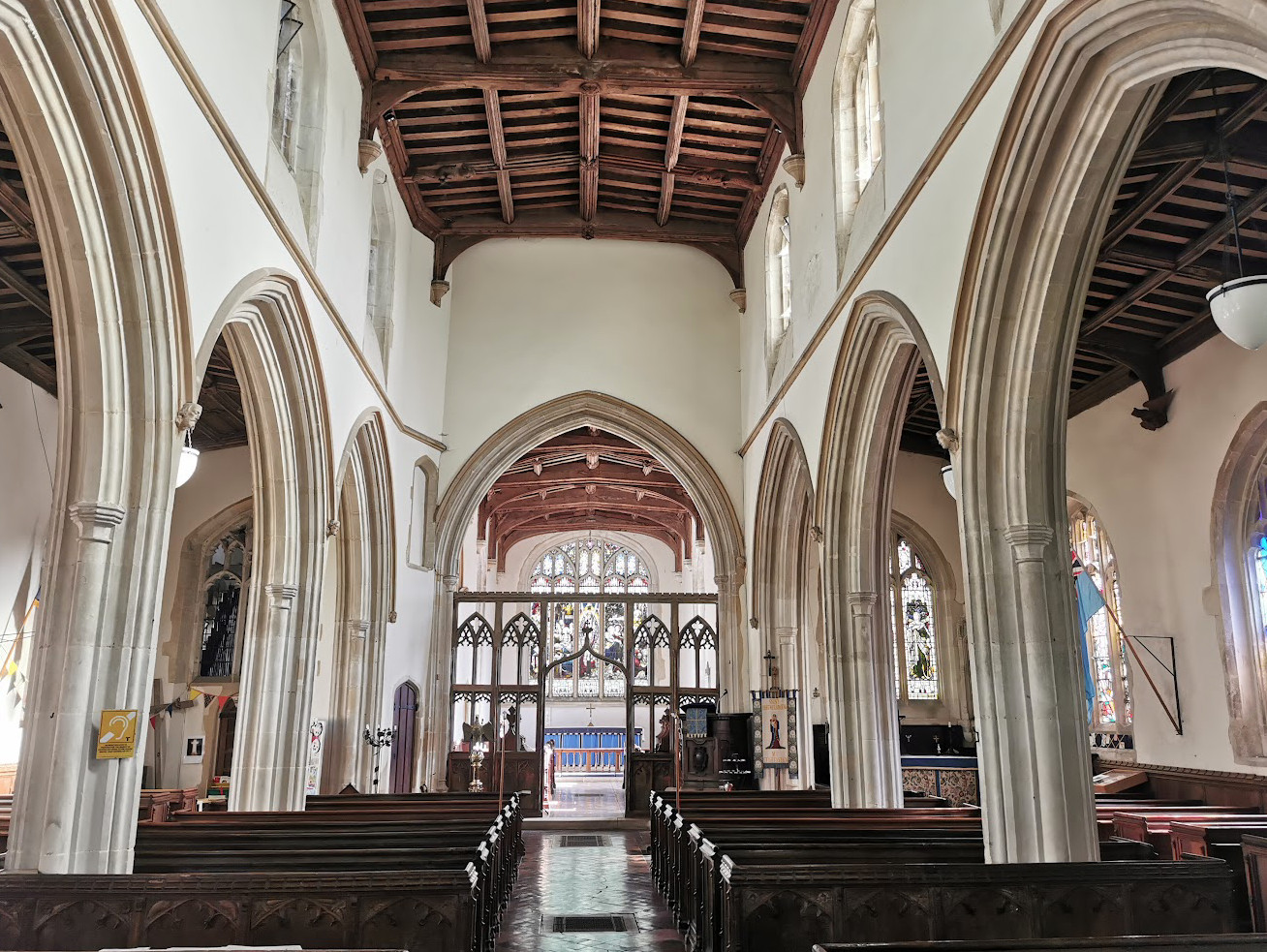
St Bartholemew, Great Gransden (RGL2025)
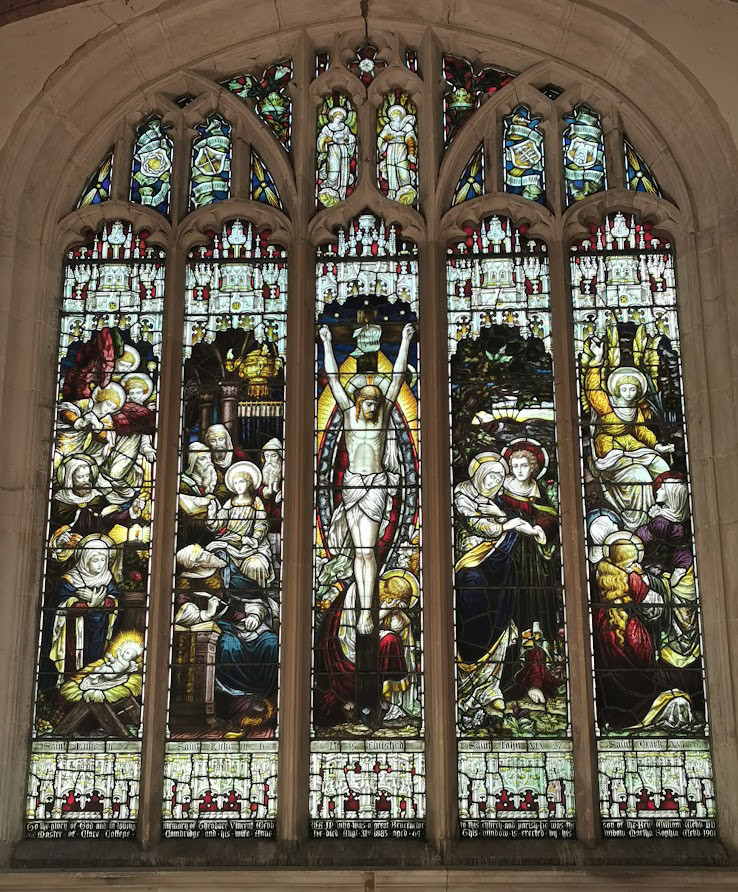
St Bartholemew, Great Gransden (RGL2025)
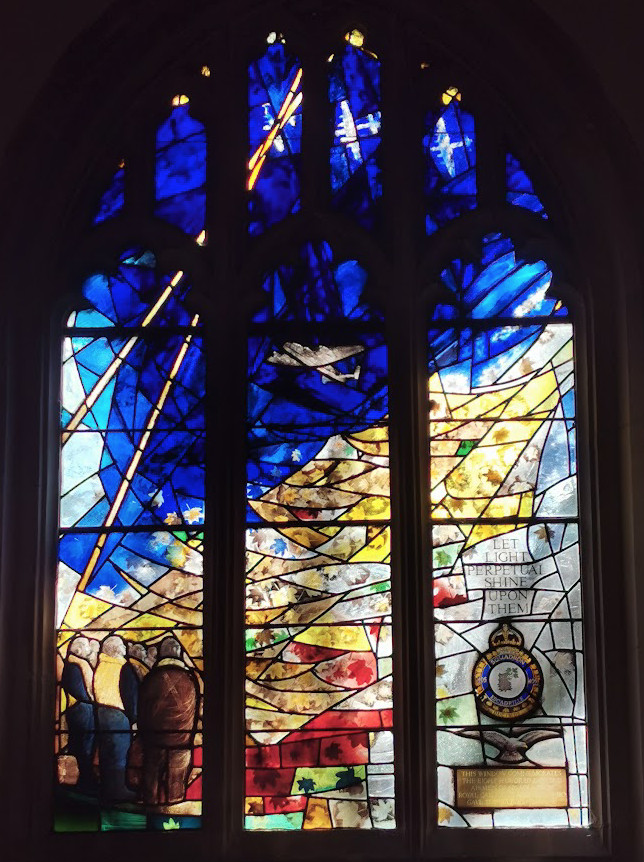
St Bartholemew, Great Gransden (RGL2025)
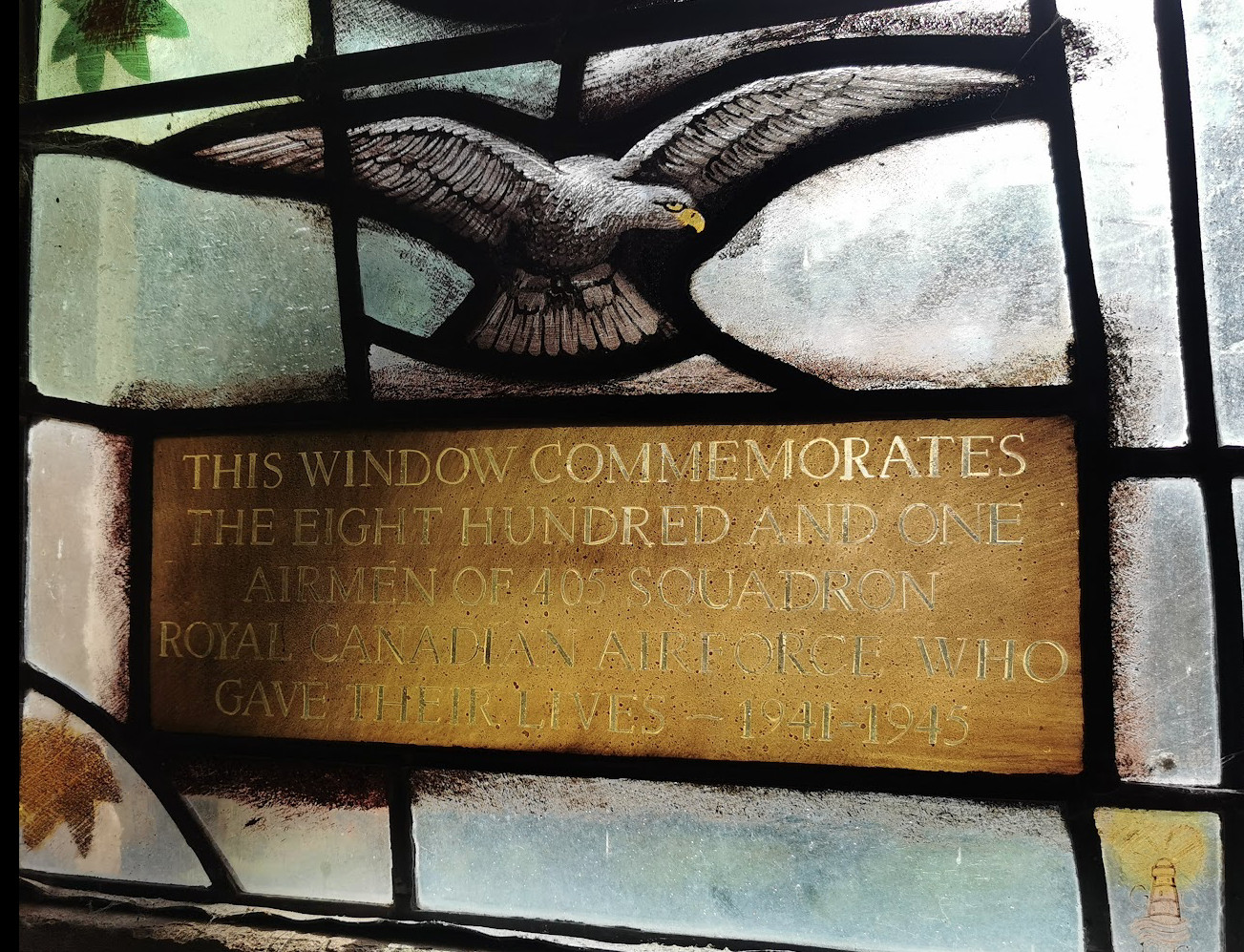
St Bartholemew, Great Gransden (RGL2025)
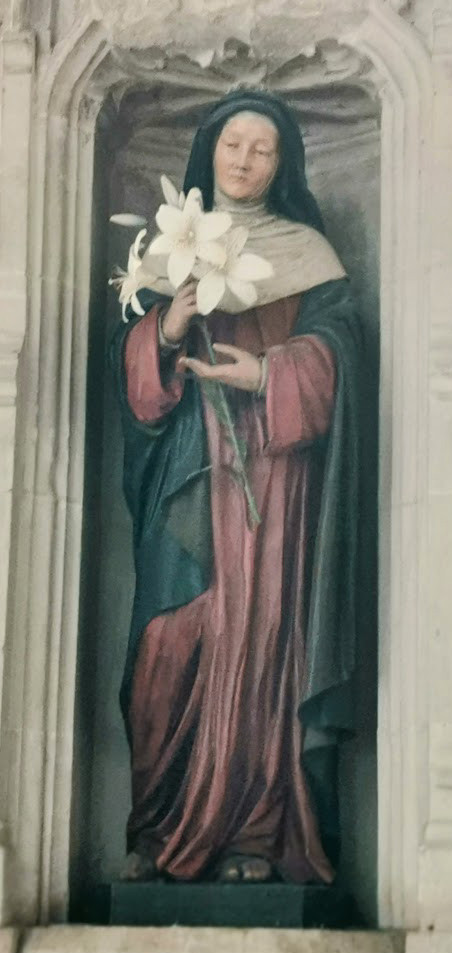
St Bartholemew, Great Gransden (RGL2025)
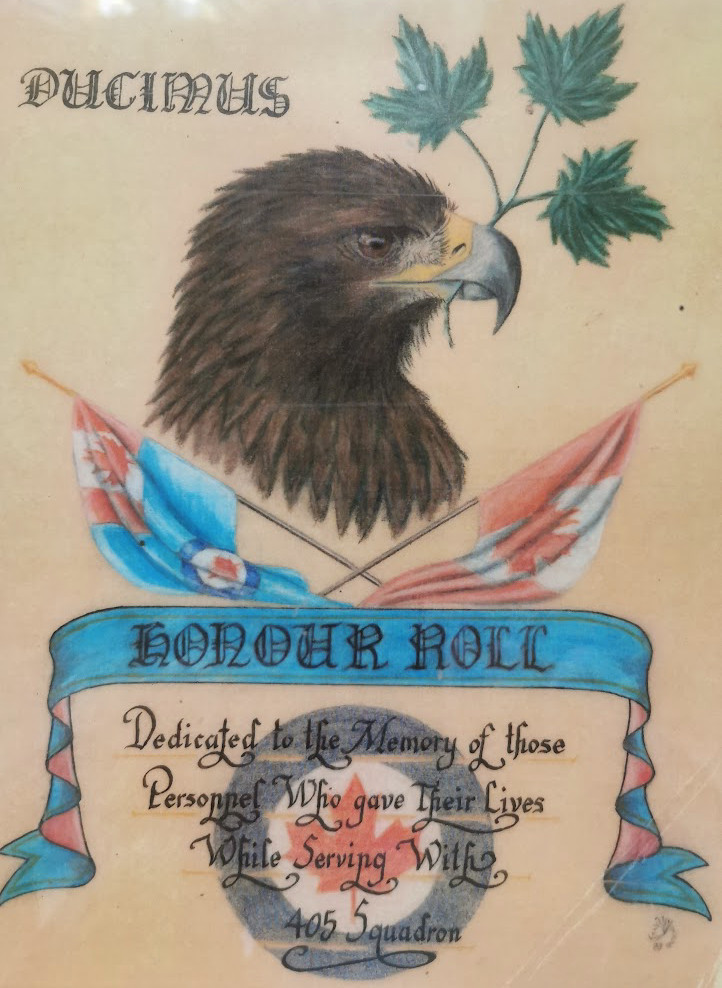
St Bartholemew, Great Gransden (RGL2025)
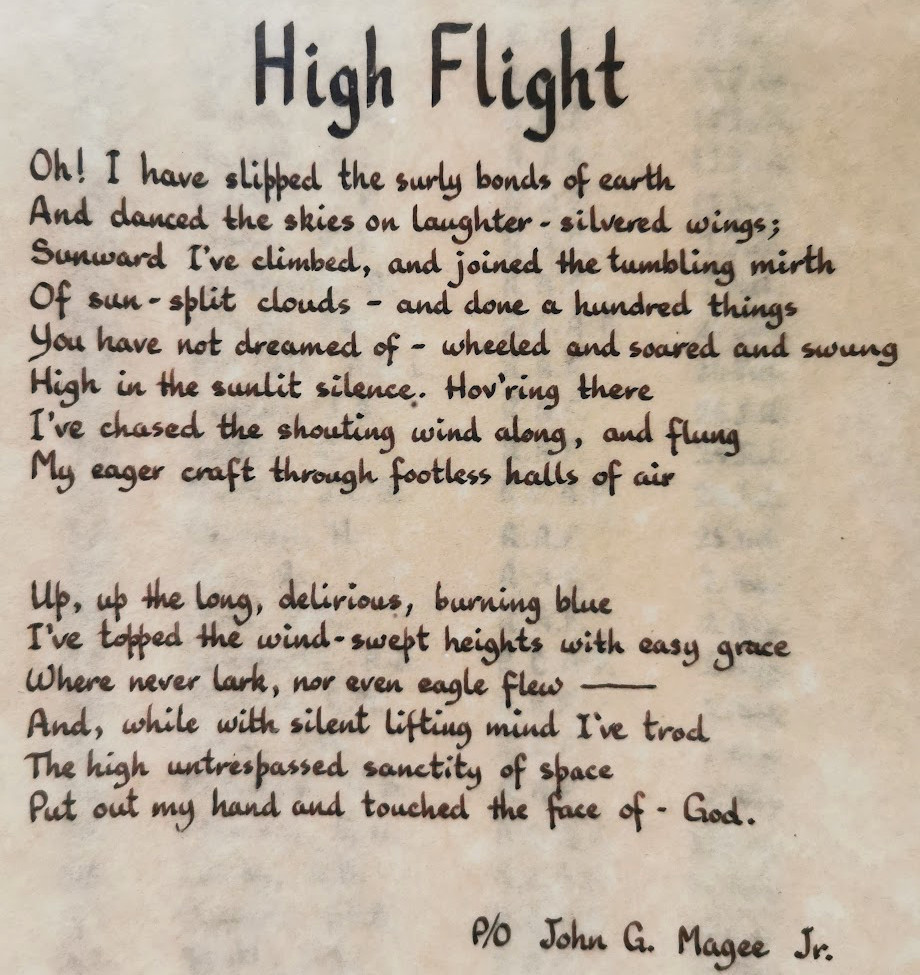
St Bartholemew, Great Gransden (RGL2025)
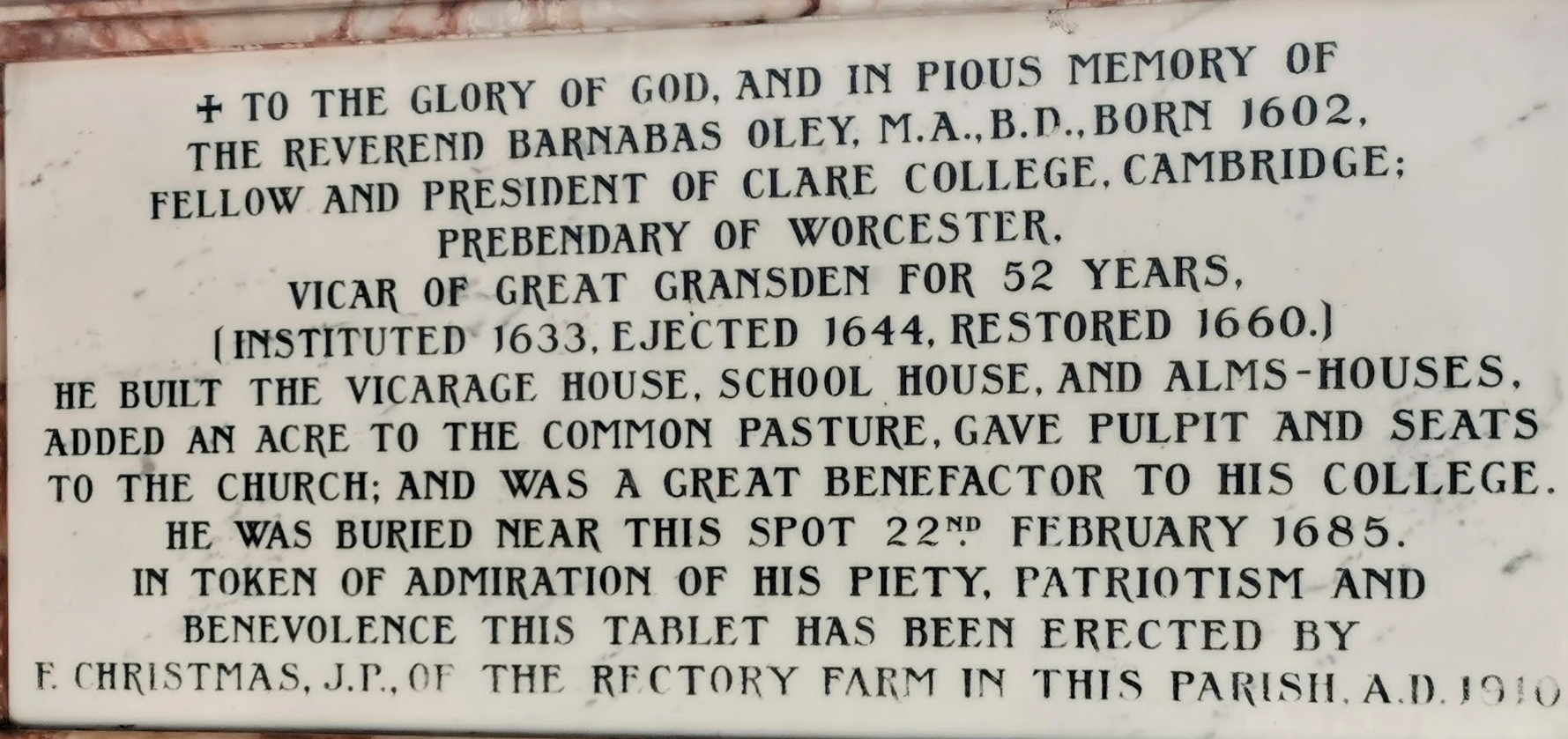
St Bartholemew, Great Gransden (RGL2025)
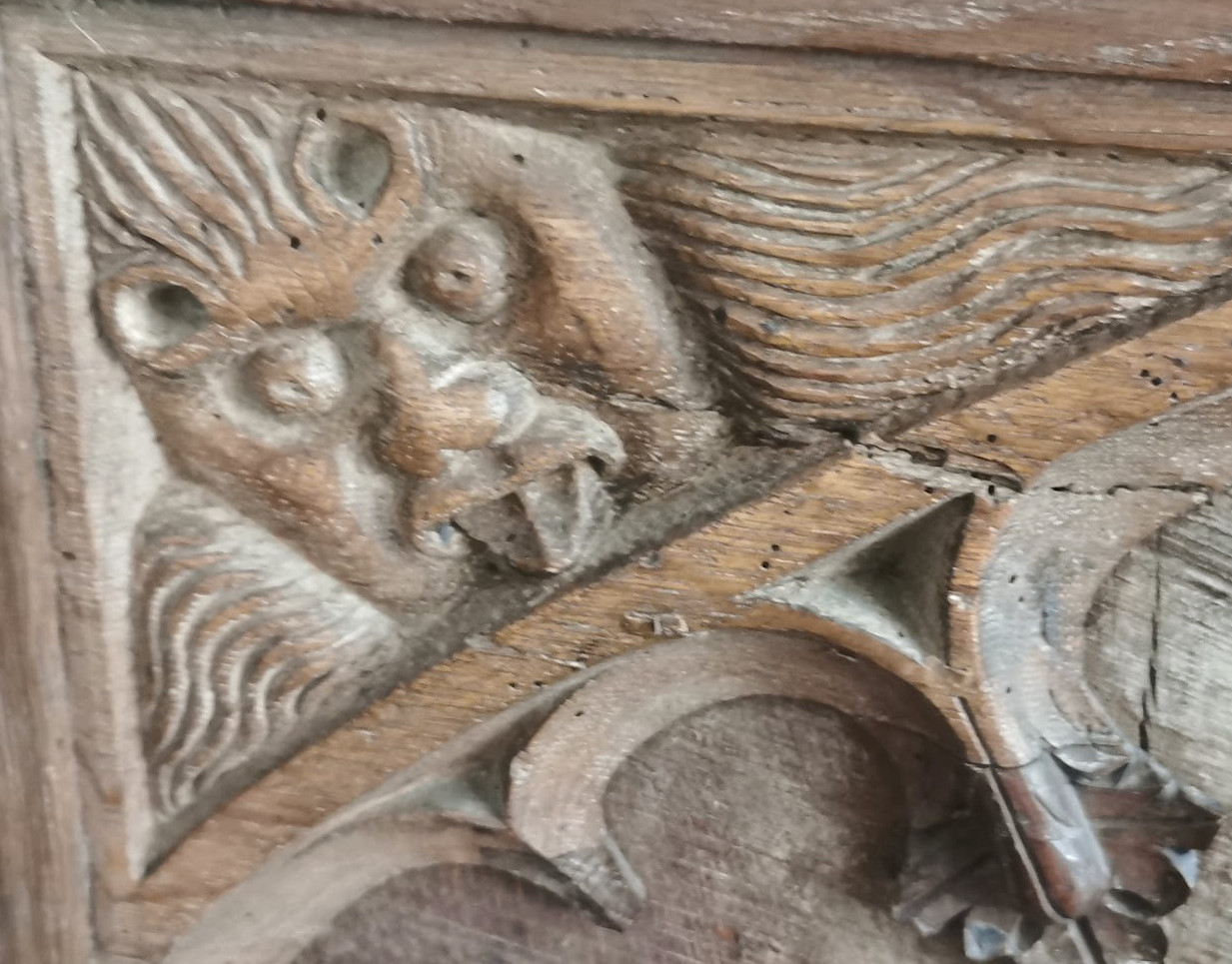
St Bartholemew, Great Gransden (RGL2025)
The carved pews are early C16th and from a gift by John Graunte (d.1498) a Chantry priest here.
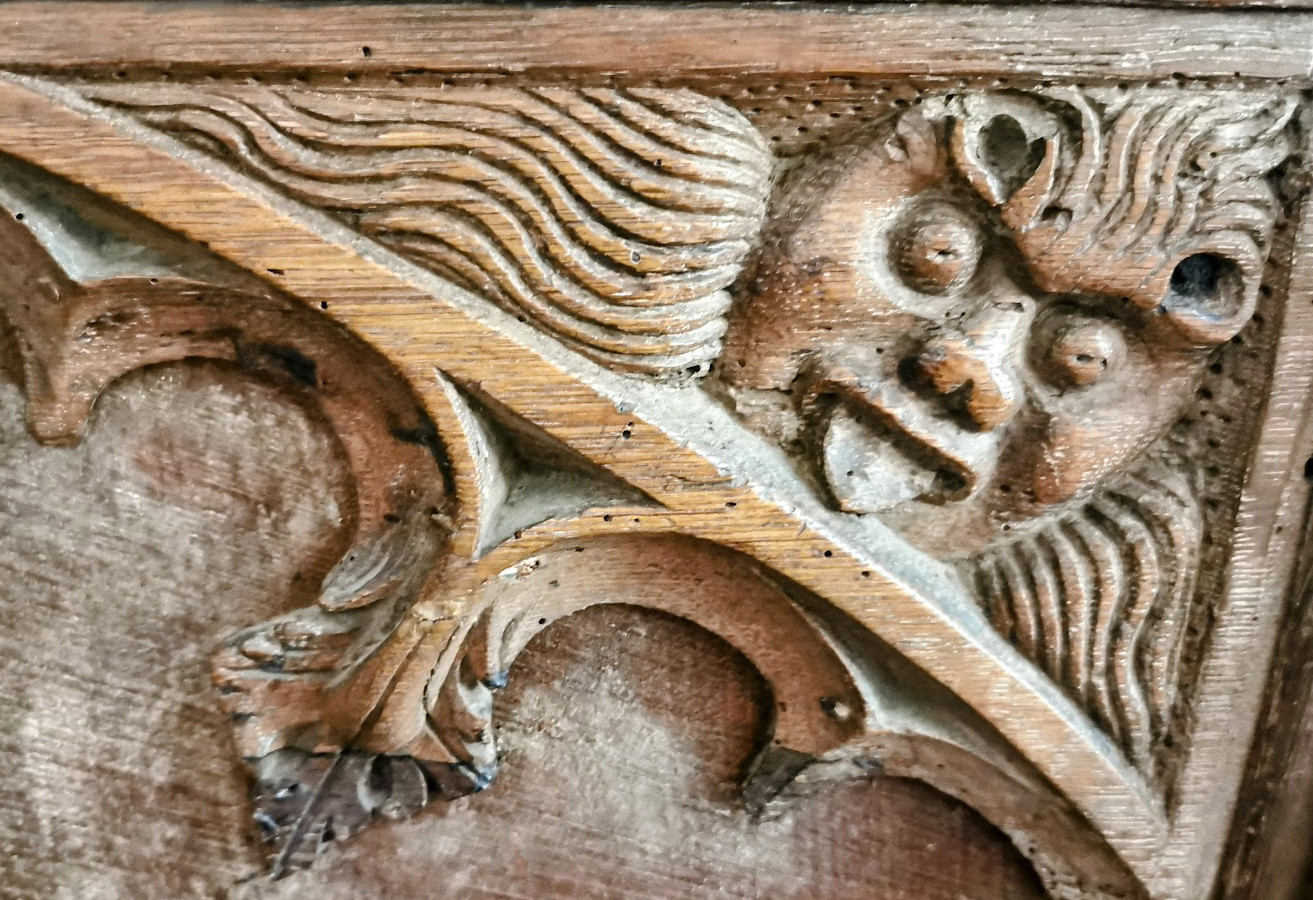
St Bartholemew, Great Gransden (RGL2025)
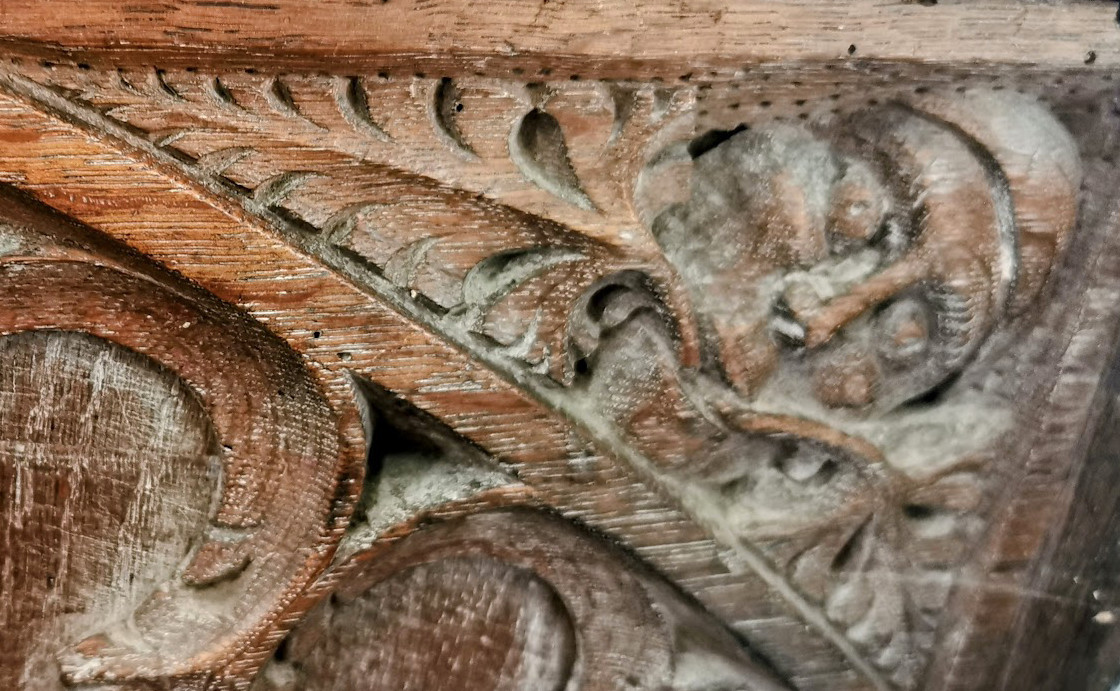
St Bartholemew, Great Gransden (RGL2025)
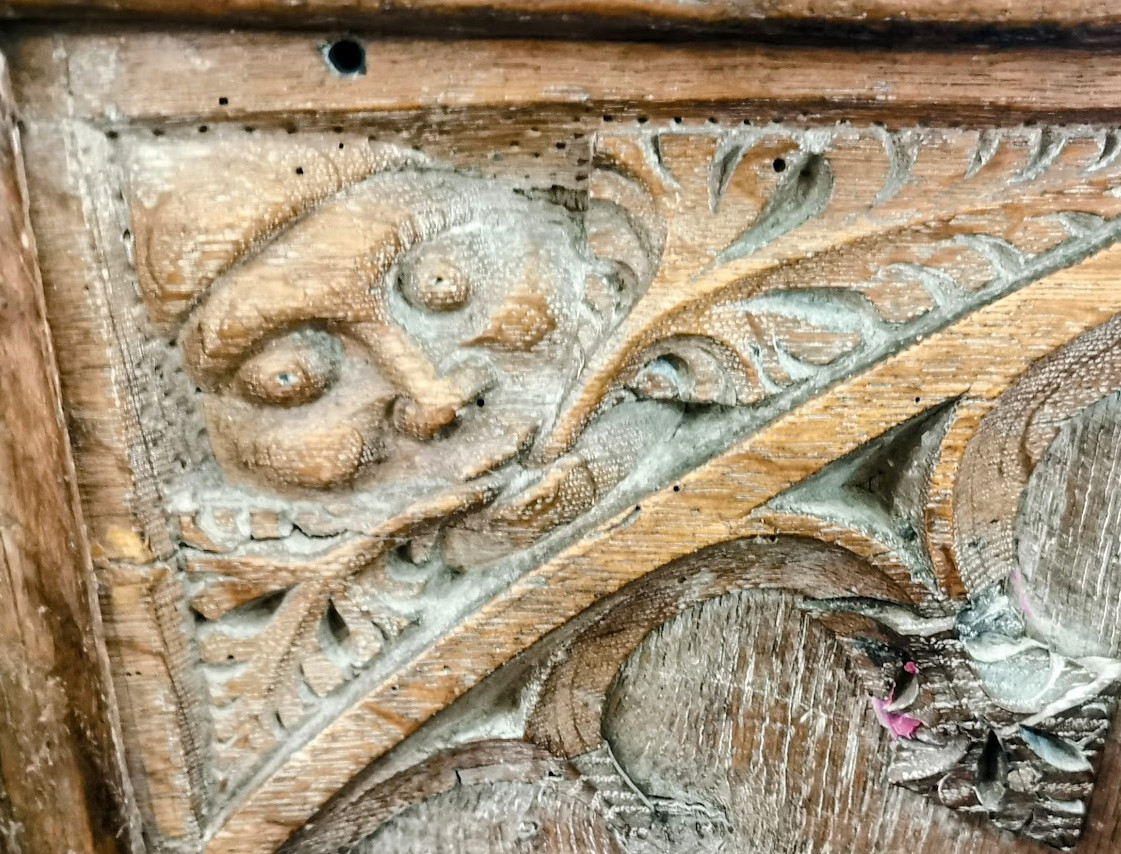
St Bartholemew, Great Gransden (RGL2025)
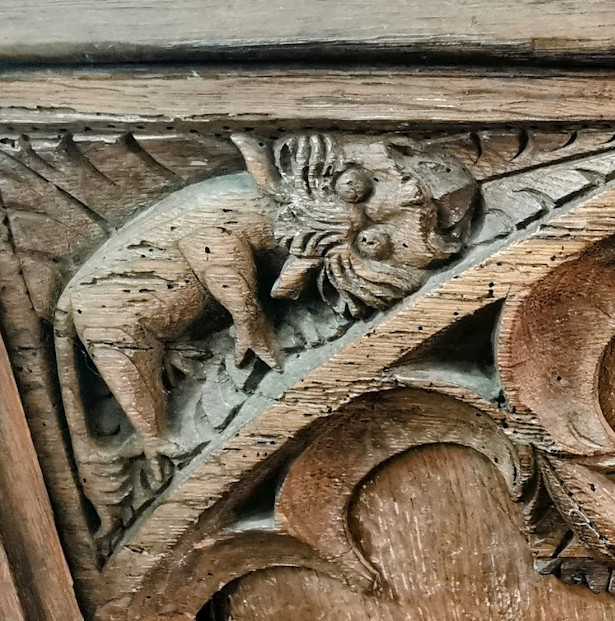
St Bartholemew, Great Gransden (RGL2025)
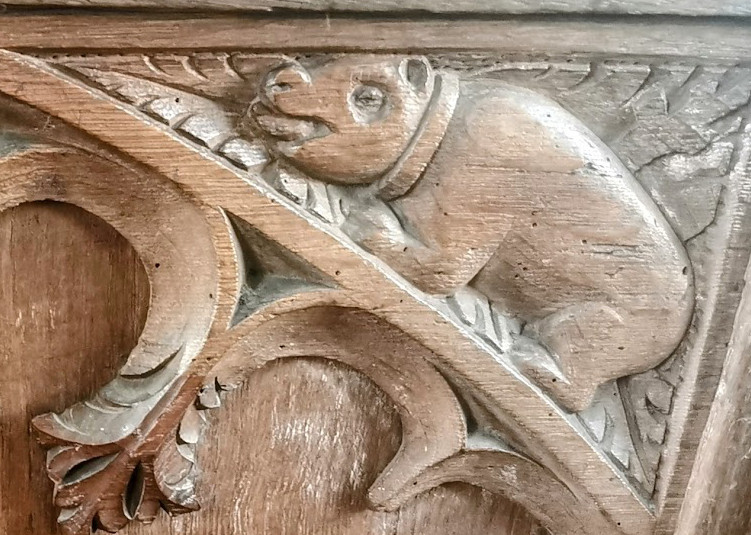
St Bartholemew, Great Gransden (RGL2025)
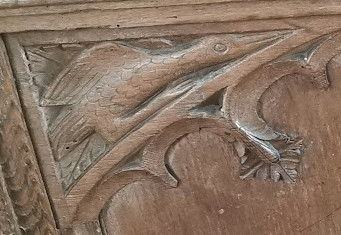
St Bartholemew, Great Gransden (RGL2025)
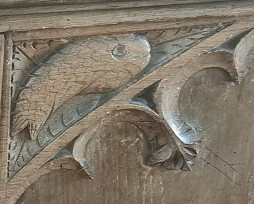
St Bartholemew, Great Gransden (RGL2025)
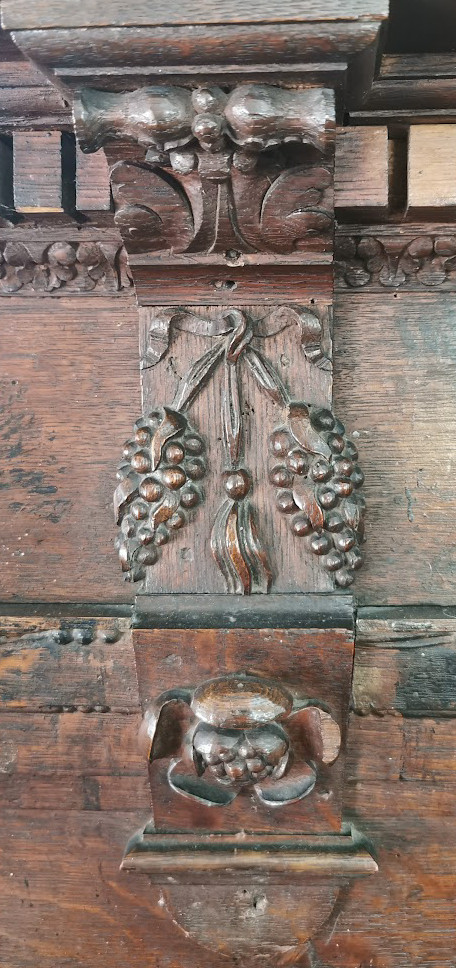
St Bartholemew, Great Gransden (RGL2025)
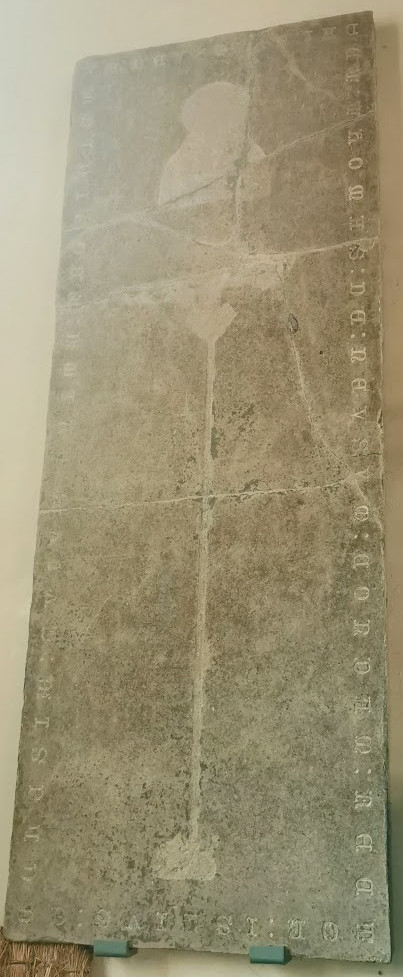
St Bartholemew, Great Gransden (RGL2025)
In memory of Thomas Newsom, rector, d.1307.
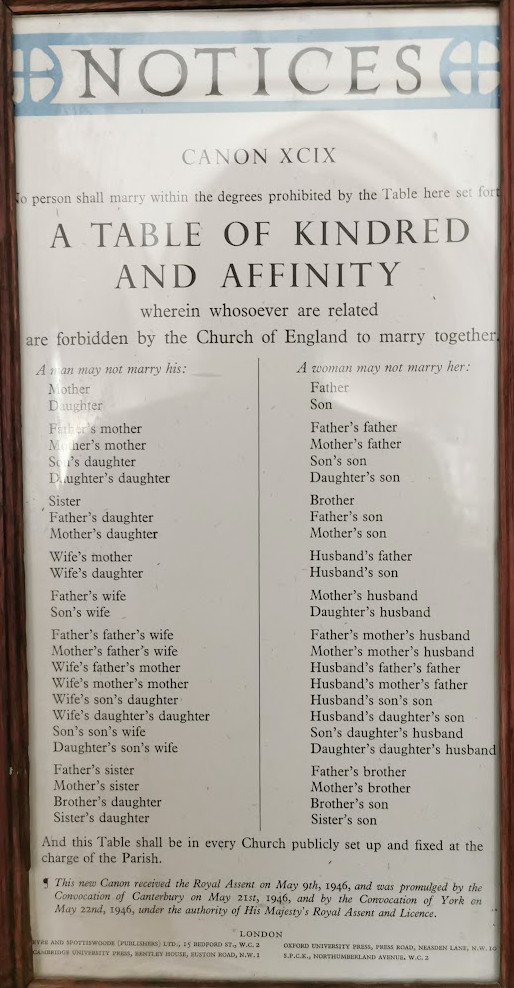
St Bartholemew, Great Gransden (RGL2025)
Projects
Contribute
Do you have any information about the people or places in this article? If so, then please let us know using the Contact page or by emailing capturingcambridge@
Licence
This work is licensed under CC BY-NC-SA 4.0