Search by topic
- archaeology
- Building of Local Interest
- chapel
- charity
- church
- crime
- dressmaker
- Great Eastern Railway
- Listed building
- Mapping Relief
- medieval
- oral history
- poverty
- Public House
- railway worker
- Religious House
- Roman
- scholar
- school
- Then and Now
- tudor
- women
- work
- world war one
- world war two
Search by text


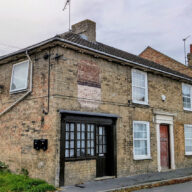
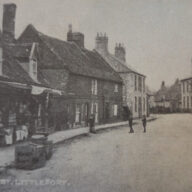
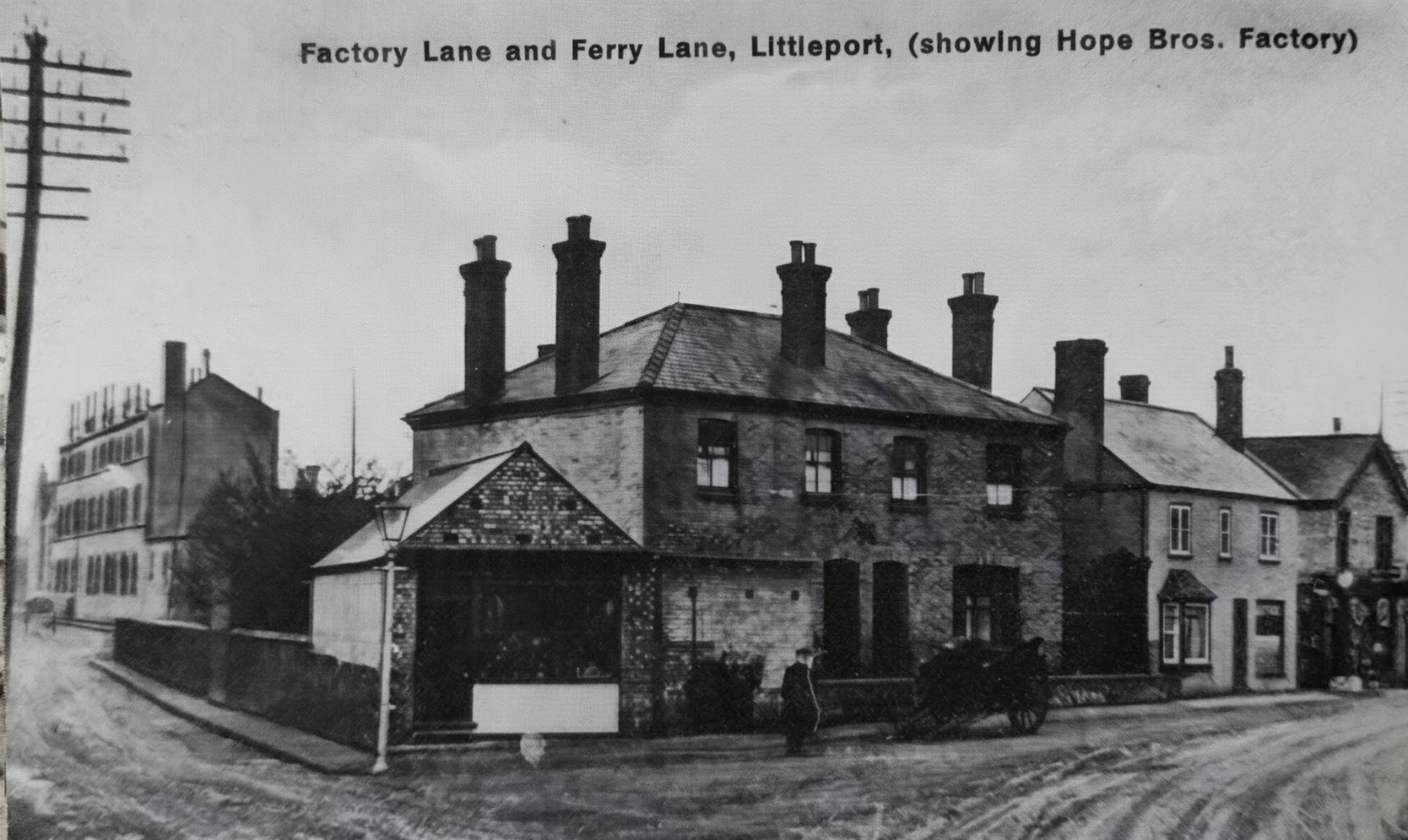 Factory Lane, Littleport c.1925 (Hope Brothers' on left)
Hope Brothers’ factory, White Hart Lane (Factory Lane), Littleport
History of Hope Brothers' Factory
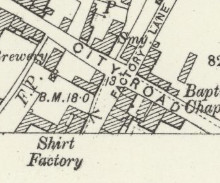
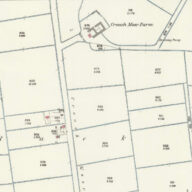
Littleport OS 1901
Thomas Peacock and Littleport
Thomas Peacock (1829–1895) was one of the most influential figures in the history of Littleport. Born in the village, he achieved success as a clothing retailer before investing heavily in his home community. His work left a lasting mark on both the social and built environment of Littleport.
Peacock is best known for establishing the Hope Brothers clothing factory in White Hart Lane in 1881. The factory became one of the largest employers in the area, providing work for hundreds of local people, particularly women and girls. At a time when employment in the Fens was often seasonal and dependent on agriculture, the factory offered more regular wages and greater economic security for many families.
The impact of Hope Brothers extended beyond employment. The company became an important part of village life and contributed to the growth and prosperity of Littleport during the late nineteenth century. The factory building itself became a local landmark and remains a significant feature of the village today.
Peacock also supported recreational and community activities. He was closely associated with the development of the skating ground known as “The Moors”, which helped establish Littleport as a centre for competitive fen skating. His ownership of The Grange further reflected his prominence within the village.
Through industry, philanthropy and community involvement, Thomas Peacock helped shape Littleport during a period of major change. His investments created employment opportunities, strengthened the local economy and contributed to a built heritage that can still be seen today. His legacy remains an important part of Littleport’s history.
Hope Brothers’ was established in 1882 by Thomas Peacock. local farmer’s son. Enlarge in 1888, it employed about 400 women making shirts and collars sold in London. Thomas Peacock had been born at Willow Row Farm, Littleport. He had trained with Robert Sayle in Cambridge before working in London then in India and Hong Kong. He returned with his wife in 1869, worked in London and set up his first shop at Ludgate Hill. He called his business Hope Brothers. He realised that the secret to his business was to start manufacturing items himself. This was the reason he acquired the premises in Littleport in 1881 and set about building a factory. It opened in February 1882.
Initially shirts were cut out in London and sent to Littleport for stitching on foot treadle machines. A reporter from the Cambridgeshire Times visited in March 1882 and wrote 31st March:
I crossed the yard, and entering a large door, nicely painted and with glass panels, I began to ascend the shallow stepped stairs At last I reached the top room of the building, the only one at present occupied. Here the whirr of machinery told me something was being done. There were about 80 girls busily employed working the same number of machines, making shirts and collars. Very healthy and nice they looked, forming a perfect contrast to the general ideas formed of factory girls. All three rooms are the same size, so the description of one may serve for all. They are 80ft. long by 21ft. broad. In the centre of the upper one a person can walk along between the rows of these active workers. These are ranged at small tables, six at each, and there were fourteen tables in the room. Each one has a sewing machine fixed to the table in front. Over each table were burning three jets of gas. Soon after I entered the clock at one end pointed to half-past six, and then almost simultaneously the machines stopped. Then rising, each set arranged the things on their table in order, spread a cloth over all, turned their tools upside down on the table, and then they were heard running down the stairs, laughing, talking, and singing merrily.
Later the shirts were cut at the Littleport factory from bales brought from northern mill towns.When made up they were despatched to a growing number of Hope Brothers shops through the country.
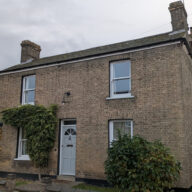
In 1881 Thomas Peacock acquired “Sunnyside” to live in Littleport. [The location of Sunnyside is unclear at the moment.]
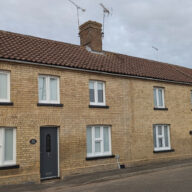
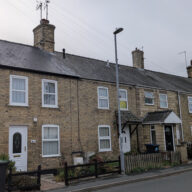
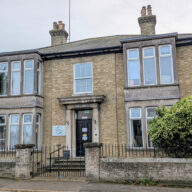
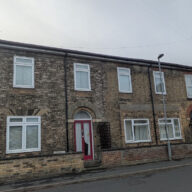
In 1884 he built a row of eight cottages in City Road, Beaconsfield Terrace, to house key workers and their families at a rent of 4s per week. Thomas peacock looked after his workers; membership of a medical club was compulsory and medical aid was provided at the expense of the company. A club was built for entertainment called Alexandra Hall. There was a library, bathrooms and tennis courts, all exclusively for the female employees.
On Boxing Day 1885 he provided Christmas dinner to 70 old folk. This became an annual event.
He erected a meeting hall known as Salisbury Hall, named after the Marquis of Salisbury who had become prime Minister in 1886. The hall would later become a place of storage for the factory. In the mid 80s Peacock also purchased a large field close to Ely Road called The Mill Field which he turned into a recreation ground for the village. In 1892 he purchased the Moors area of around 40 acres between the railway line and Holmes Lode which he proposed to turn into the largest skating course in the country. He had already establised the Littleport Skating Club in 1891 and in 1892 it offered a 50 Guinea Challenge Cup.
He continued other building in Littleport, semi-detached houses on the north side of Victoria Street, Nina Villa, named after his daughter, Vanbrugh Place, named after his home in Blackheath, as well as Salisbury Terrace in Victoria Street. In 1885 he built the Gordon Place semi-detached houses in Station Road, named after General Gordon, killed in the Sudan that year.
In 1892 he purchased the Brick Works on the Ely Road, and in the same year, The Grange, also on the Ely Road.
(source – A Wonderful Man – The Story of Thomas Peacock and Hope brothers, Maureen Scott, 2023)
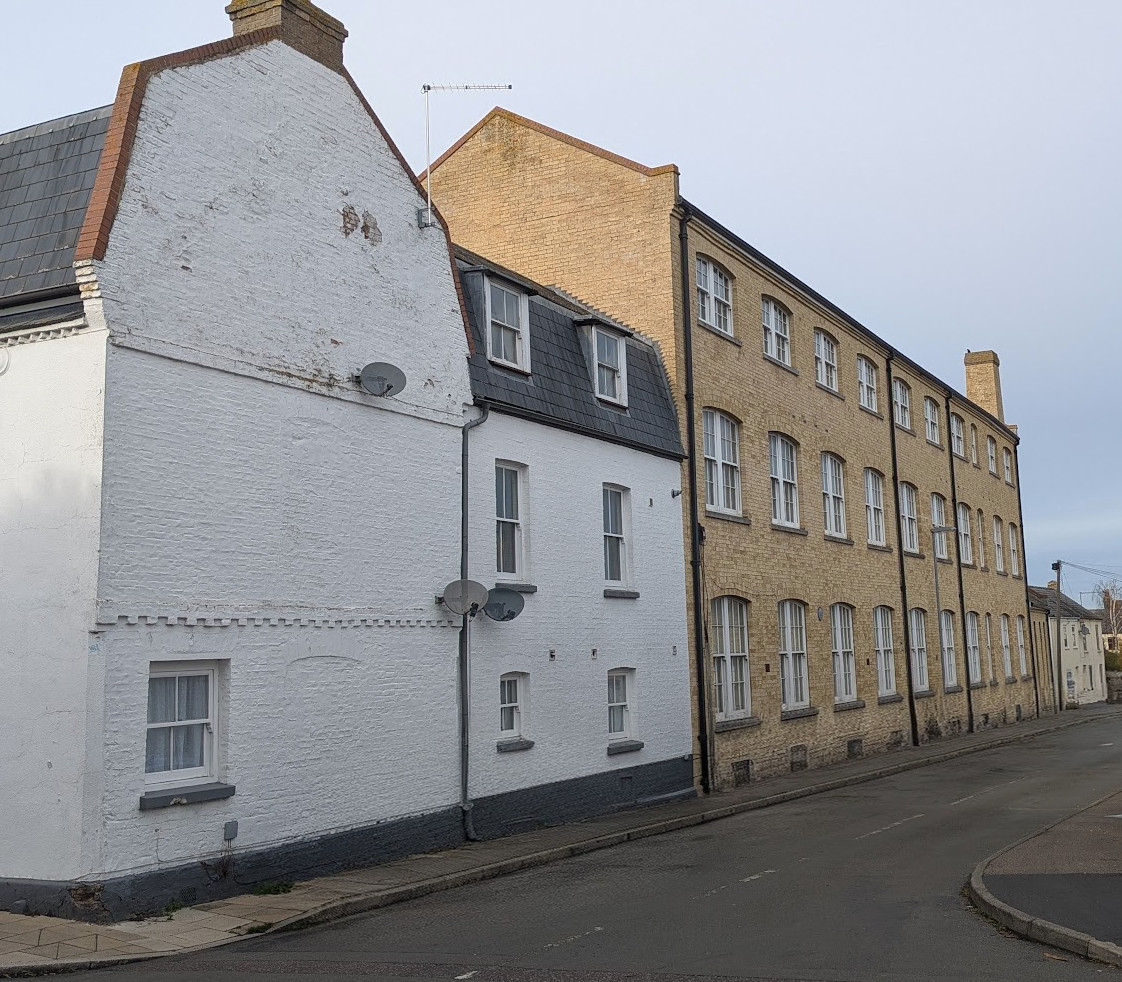
Hope Brothers factory, White Hart Lane, Littleport (RGL2025)
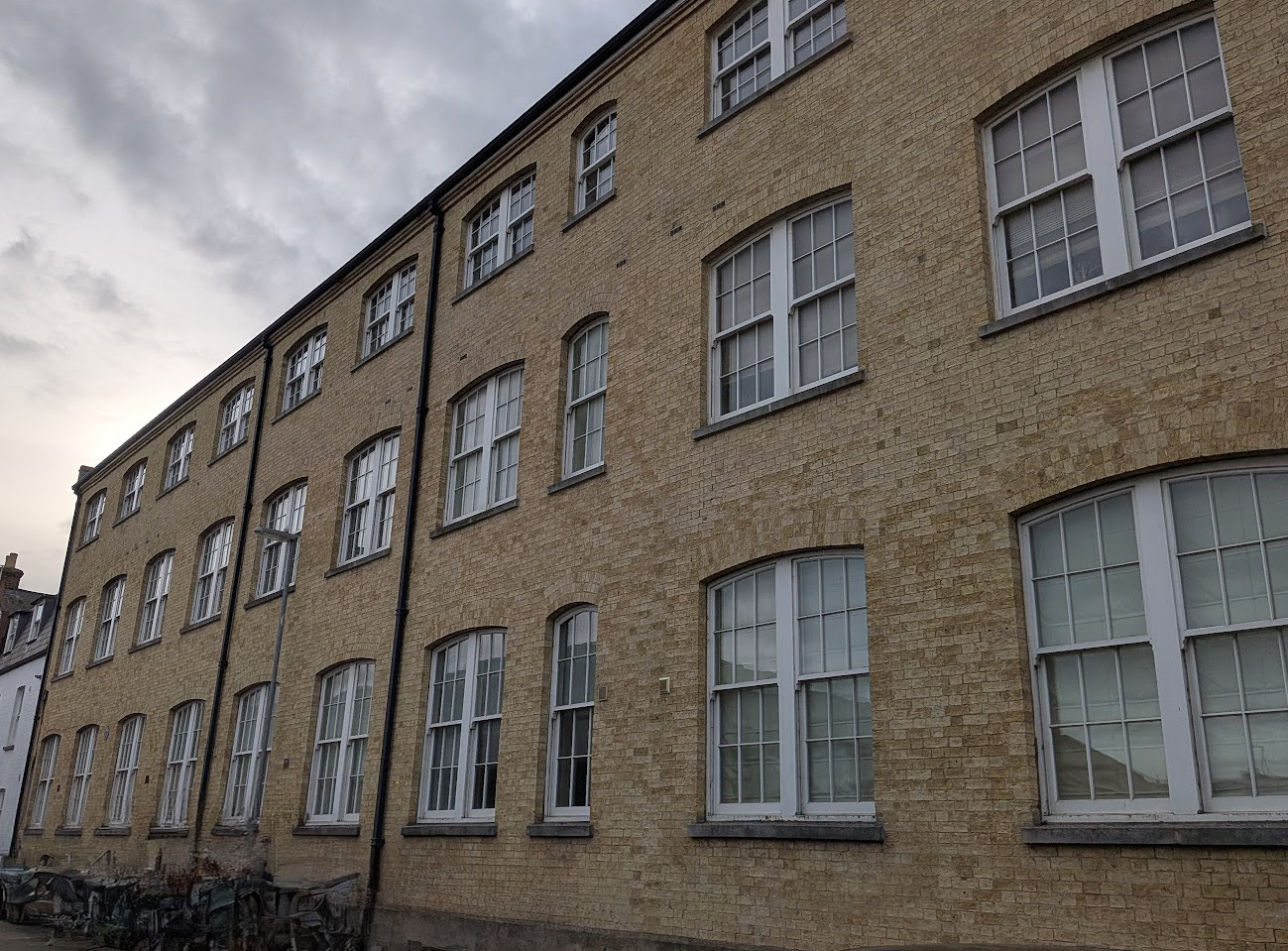
Hope Brothers factory, White Hart Lane, Littleport (RGL2025)
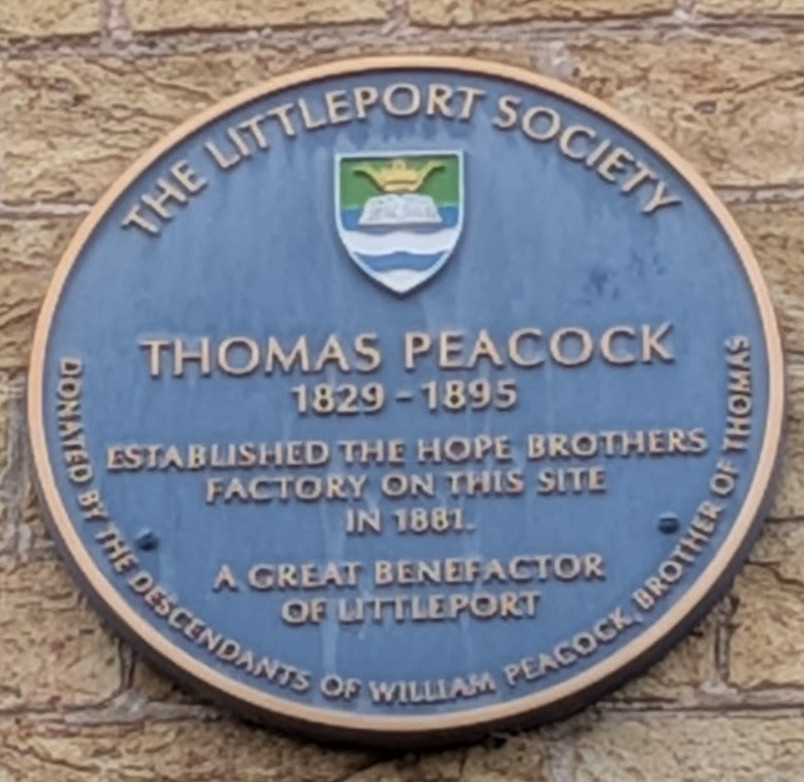
Hope Brothers factory, White Hart Lane, Littleport (RGL2025)
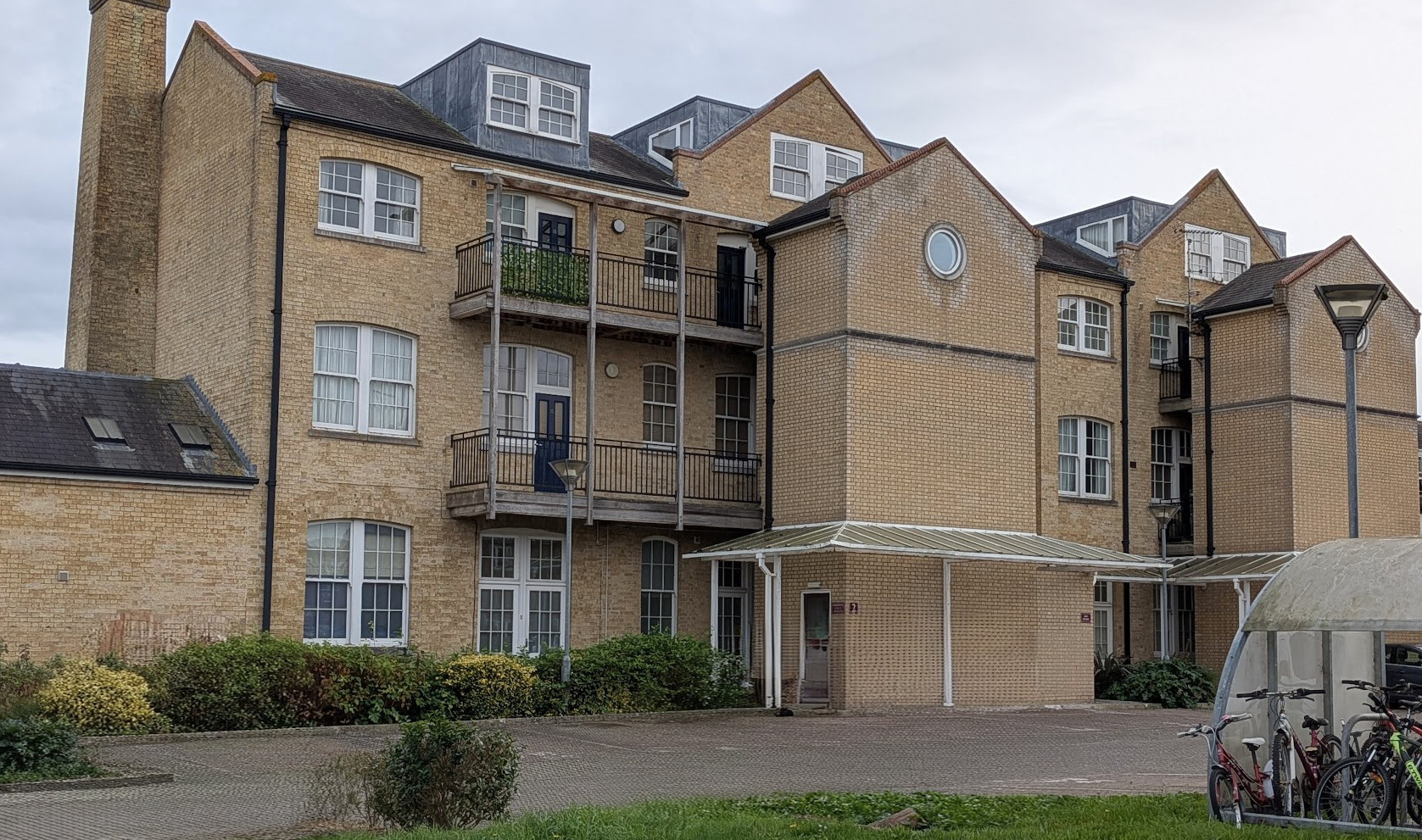
Hope Brothers factory, White Hart Lane, Littleport (RGL2025)
In 1894 there was a fire at the factory that was spotted by two policemen at 1am. It was in 1895 that Thomas Peacock died, aged 67 after developing bronchitis.
1900 Hope brothers became Limited Company
1957 Taken over by Universal Stores.
1971 Taken over by Burberry
1972 Use of Hope Brothers name ceased.
1998 Burberry sold Littleport factory to clothing manufacturer Brompton.
1999 Brompton sold factory and the sit was sold to the Whitfield group for development.
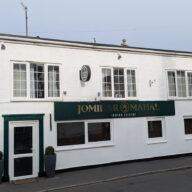
Alva Harlock, Boyhood Recollection of Littleport (1988), recalls that there used to be a workhouse and a public house in the street. The street used to be called ‘White Hart Lane” and “Workhouse Lane” before it was “Factory Lane”.
Sources
- Book
- Newspaper
Projects
Contribute
Do you have any information about the people or places in this article? If so, then please let us know using the
Contact page or by emailing
capturingcambridge@
Licence
This work is licensed under
CC BY-NC-SA 4.0


 not including content on external links as indicated
by
not including content on external links as indicated
by .
.