Search by topic
- archaeology
- Building of Local Interest
- chapel
- charity
- church
- crime
- dressmaker
- Great Eastern Railway
- Listed building
- Mapping Relief
- medieval
- oral history
- poverty
- Public House
- railway worker
- Religious House
- Roman
- scholar
- school
- Then and Now
- tudor
- women
- work
- world war one
- world war two
Search by text


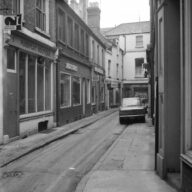
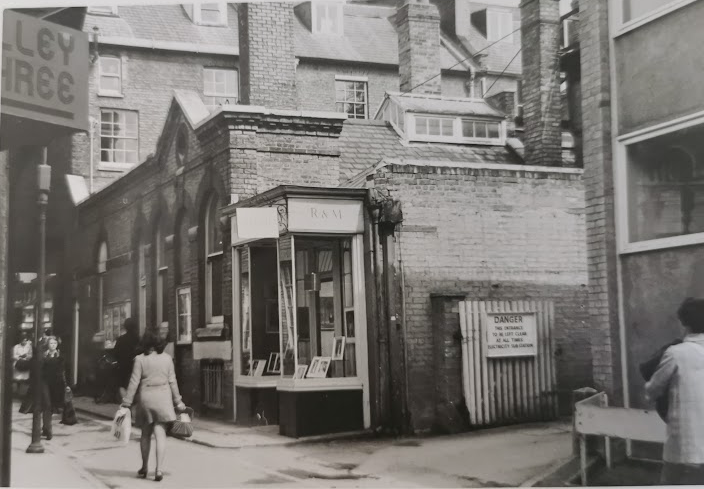 1a Post Office Terrace, 1972 (MoC123/72)
1a Post Office Terrace
The Cambridge Photographers at Post Office Terrace
1865
Arthur Nicholls moved his photography business here from 5 All Saints Passage.
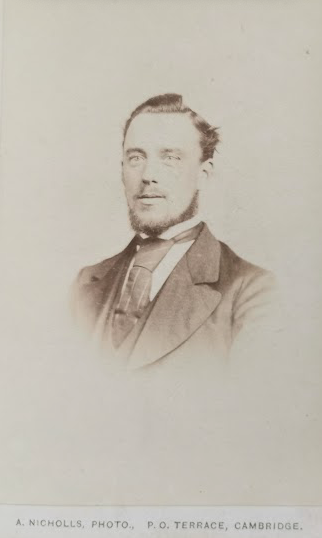
A Nicholls, Post Office Terrace, subject unknown (MoC)
1878
J E Bliss took over A Nicholls photography business.
-
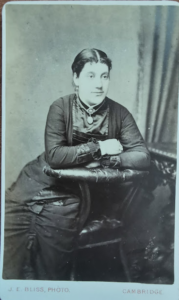
- J E Bliss, Post Office Terrace, subject unknown (MoC)
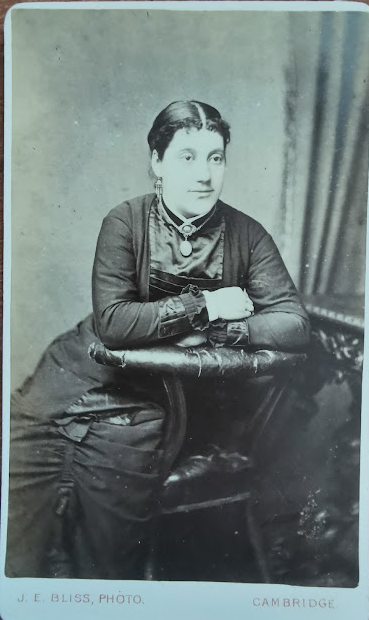
-
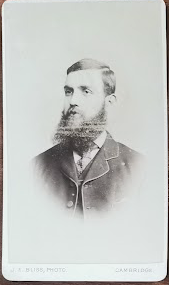
- J E Bliss, Post Office Terrace, subject unknown (MoC)
-
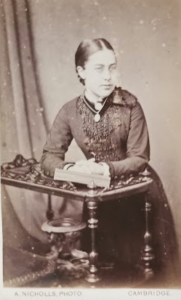
- J E Bliss, Post Office Terrace, subject unknown (MoC)
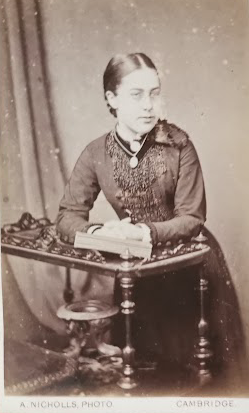
-
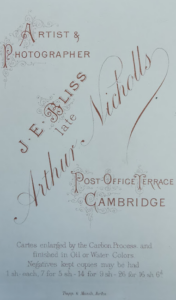
- J E Bliss, Post Office Terrace, subject unknown (MoC)
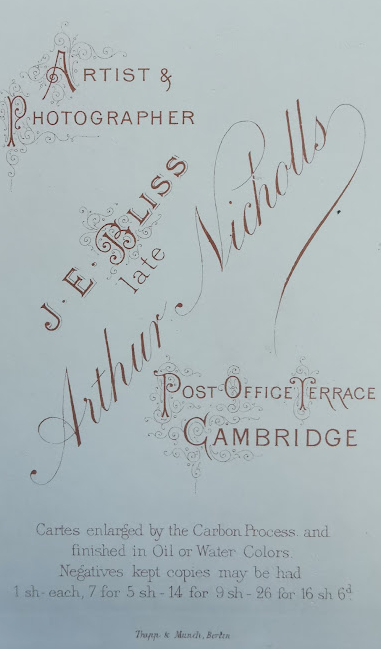
-
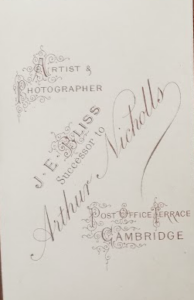
- J E Bliss, Post Office Terrace, subject unknown (MoC)
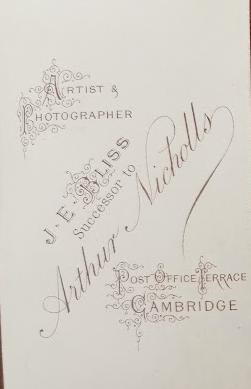
1935
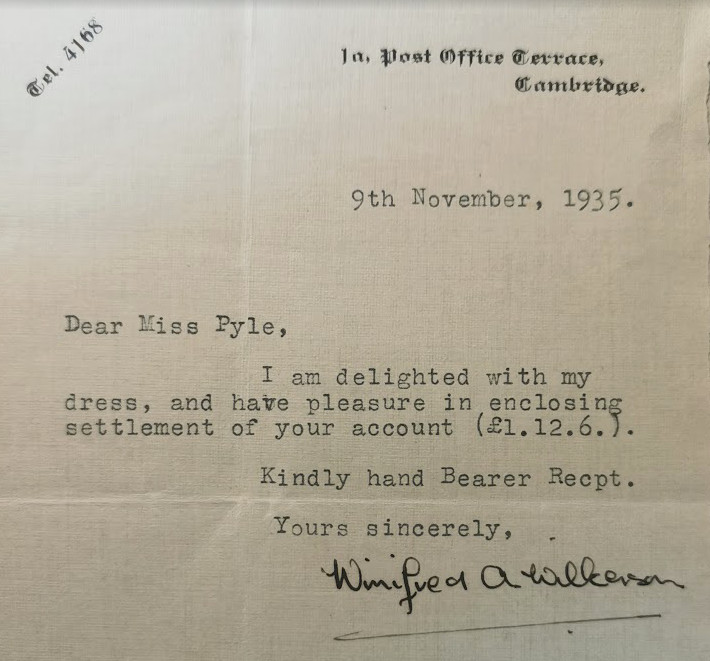
1935 letter from Winifred Wilkerson, 1a Post Office -Terrace to Constance Pyle
1971
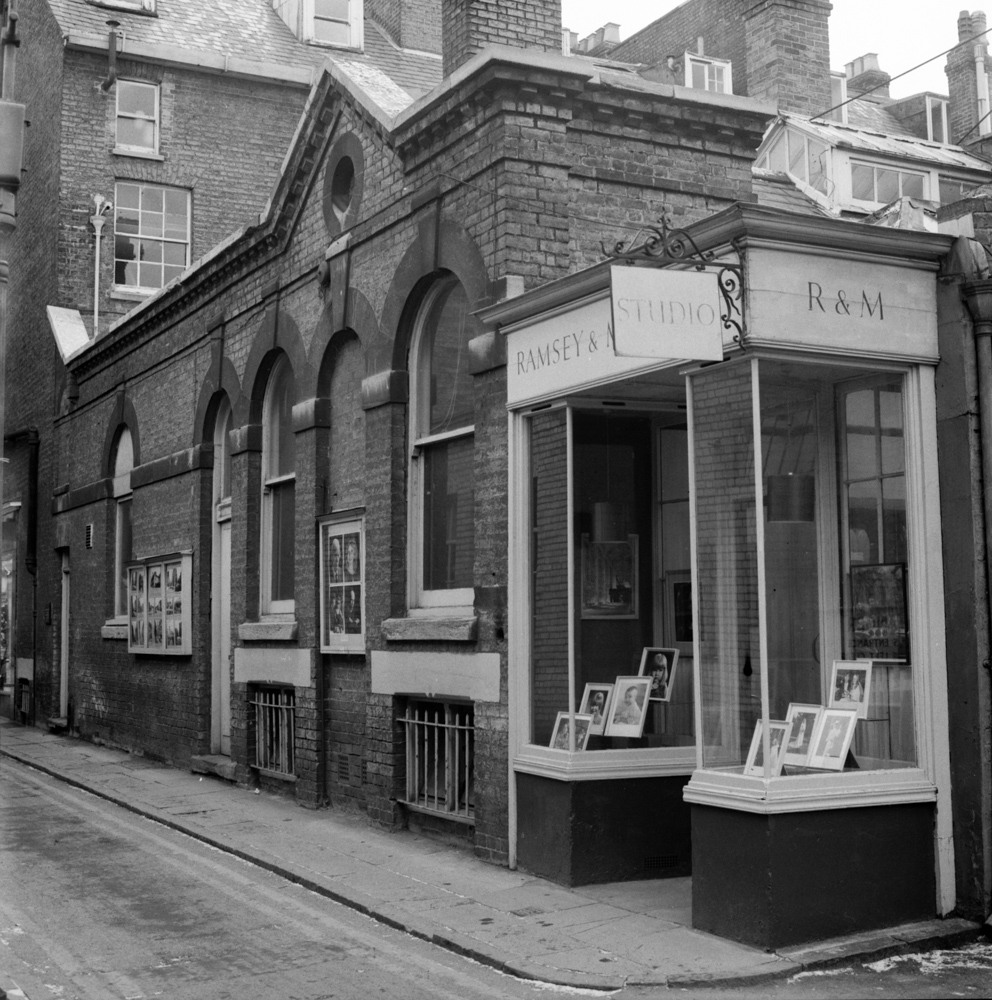
Ramsey & Muspratt, 1a Post Office Terrace, Cambridge, 1971 (Peter Soar)
1972
1a Post Office Terrace, 1972 (MoC123/72)
In 2022 Mary Burgess of the Cambridgeshire Central Library gave a talk about the photographic collection from 1a Post Office Terrace that had been donated to the Cambridgeshire Collection.
In 2022 Dr Ann Kennedy Smith gave a talk to the Mill Road History Society about the life of Lettice Ramsay, one of the photographers based at 1a Post Office Terrace.
In the early 1930s Lettice Ramsey, a young widow, with her professional partner Helen Muspratt took over the studio. Ramsey & Muspratt became one of the most celebrated 20th century photographers, and their portraits of the Bloomsbury group and 1930s Cambridge spies are still widely reproduced today. In 1938 Muspratt moved to Oxford and the studio continued in both university towns. In the 1950s and 1960s Lettice Ramsey took Sylvia Plath and Ted Hughes’s wedding photographs (which they hated and kept hidden away) and travelled widely, including to Cambodia. She worked as a professional photographer almost until her death in 1985 and was described as ‘Cambridge’s First Lady’. Many Cambridge people will still have memories of her, and perhaps even some of her photographs.
See also her article on the life of Lettice Ramsey – Woman with a Camera
More Info
- The slides from a talk on the studio by Mike Petty can be found on the internet Archive
- Fading Images has information on a great number of photographers who worked in Cambridgeshire. It also has a section dedicated to the Post Office terrace studio with catalogues of many o the photos taken there.
Projects
Contribute
Do you have any information about the people or places in this article? If so, then please let us know using the Contact page or by emailing capturingcambridge@
Licence
This work is licensed under CC BY-NC-SA 4.0