Search by topic
- archaeology
- Building of Local Interest
- chapel
- charity
- church
- college servant
- crime
- dressmaker
- Great Eastern Railway
- Listed building
- Mapping Relief
- medieval
- oral history
- poverty
- Public House
- railway worker
- Roman
- scholar
- school
- Then and Now
- tudor
- women
- work
- world war one
- world war two
Search by text


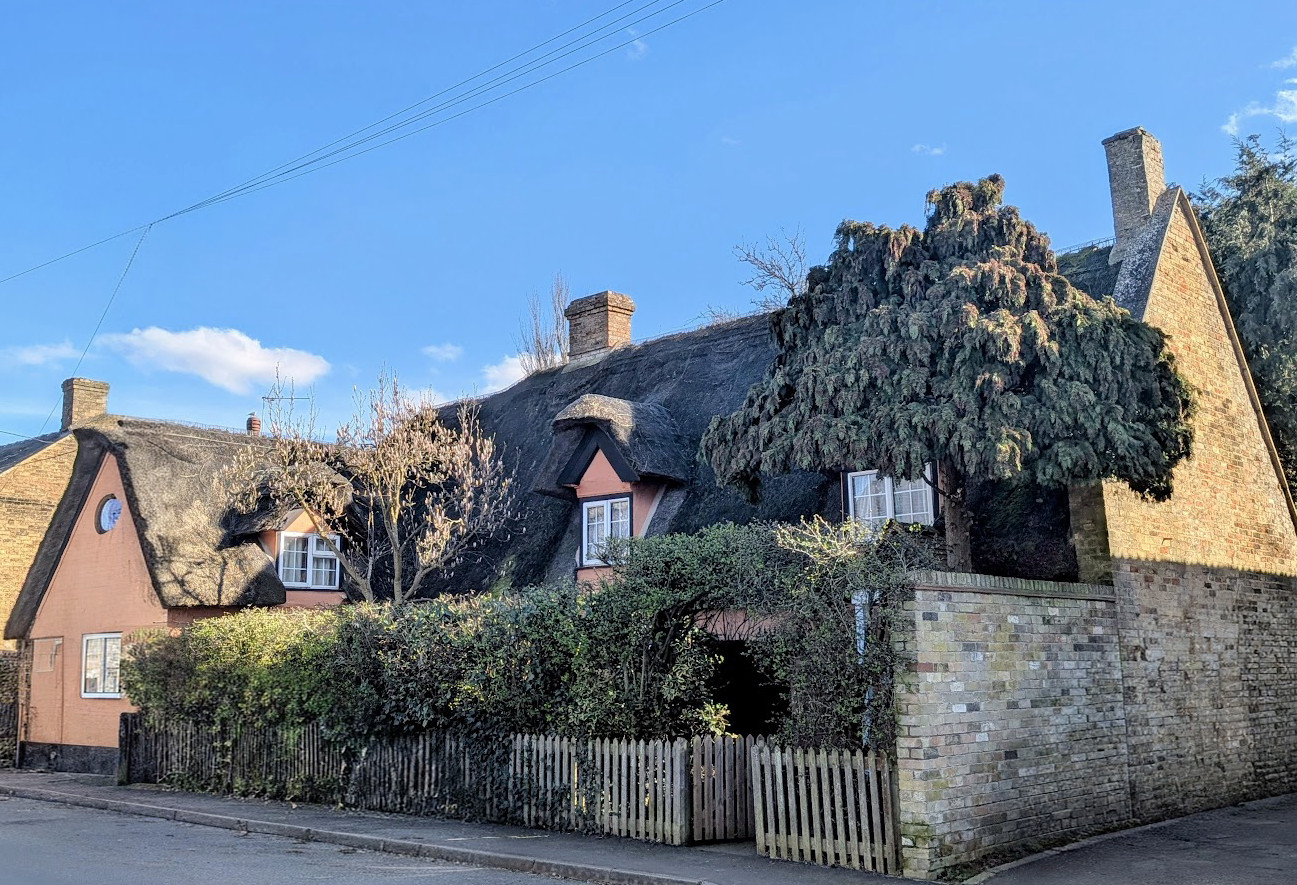 The Trees, Little Downham (RGL2026)
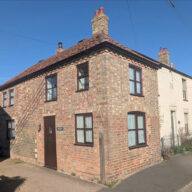
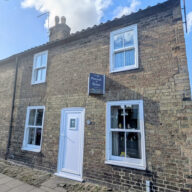
The Trees, 97 Main Street, Little Downham
History of The Trees
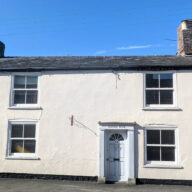
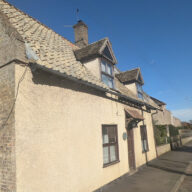
A timber-framed building, now a cottage known as The Trees, built in the late-C15, with later alterations. The fragmentary remains of a late-C15 barn standing c42m to the south of the cottage is not included in the listing.
Although its precise origins are unknown, research undertaken in 2005 (see SOURCES) suggests that it was built in the late C15 and has an association with Downham’s episcopal palace of the Bishops of Ely. The Manor of Downham had always formed part of the demesne of Ely and it was subsequently allocated to the bishop following the foundation of the diocese in 1109. With Downham’s palace being less than three miles from Ely Cathedral it became a highly favoured residence and was substantially rebuilt by Bishop John Alcock when he held the see from 1486 to 1500. Alcock, together with William Waynflete of Winchester (d1486), John Morton of Ely and Canterbury (d1500), and Thomas Rotherham of Lincoln and York (d1500), was one of a quartet of late-C15 bishop builders in the south and east of England who worked mainly, though not exclusively, in brick. (Historic England)
See also: Davis, B, 2005, The Trees, 97 Main Street, Little Downham, Cambridgeshire: Notes from a site visit, July 2005
Sources
- Historic England
- Photographs
Projects
Contribute
Do you have any information about the people or places in this article? If so, then please let us know using the
Contact page or by emailing
capturingcambridge@
Licence
This work is licensed under
CC BY-NC-SA 4.0


 not including content on external links as indicated
by
not including content on external links as indicated
by .
.