Search by topic
- archaeology
- Building of Local Interest
- chapel
- charity
- church
- crime
- dressmaker
- Great Eastern Railway
- Listed building
- Mapping Relief
- medieval
- oral history
- poverty
- Public House
- railway worker
- Religious House
- Roman
- scholar
- school
- Then and Now
- tudor
- women
- work
- world war one
- world war two
Search by text


Devonshire Road, Cambridge
Devonshire Road developed in the late 19th century as part of Cambridge’s expansion following the arrival of the railway. Near the station, it became a street for workers and lower middle-class.
Overview
Devonshire Road lies to the south of Cambridge railway station, in an area that saw rapid development from the mid- to late-19th century. Before this period, the land was largely open fields. The coming of the railway in 1845 encouraged the laying out of new streets and housing to accommodate a growing population.
The road formed part of a wider network of planned residential streets extending from Station Road.
Railway Influence
The proximity of Devonshire Road to the railway station made it an attractive location for those employed in railway-related work, as well as for clerks, tradespeople, and others who benefited from improved transport links.
Residents could easily access the station for commuting or travel, reflecting changing patterns of mobility in Victorian Cambridge.
Housing and Character
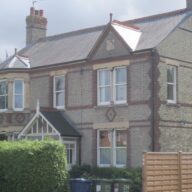
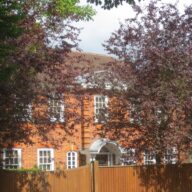
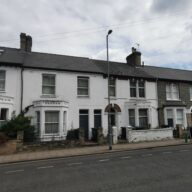
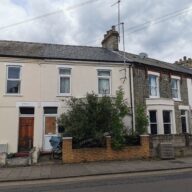
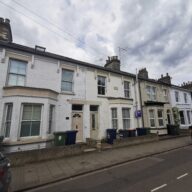
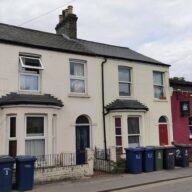
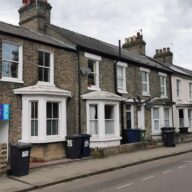
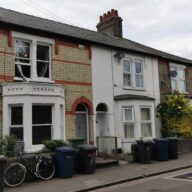
Devonshire Road is characterised by rows of terraced houses, typical of late Victorian suburban development. These homes were more modest than those in some central or university areas, but often offered improved conditions compared to earlier inner-city housing.
The street formed part of a mixed housing area, bridging working-class and lower middle-class communities.
Community and Change
Over time, Devonshire Road has remained a residential street, though its population and character have evolved. Improvements in housing standards and shifts in employment have altered daily life, but the street retains its historic layout and relationship to the railway.
Today it reflects the lasting impact of 19th-century expansion on the shape of Cambridge.
Projects
Contribute
Do you have any information about the people or places in this article? If so, then please let us know using the
Contact page or by emailing
capturingcambridge@
Licence
This work is licensed under
CC BY-NC-SA 4.0


 not including content on external links as indicated
by
not including content on external links as indicated
by .
.